
Discover expert insights, hair care tips, and inspiring stories to help you embrace confidence and radiance every day.

The RedTouch PRO laser treatment for skin and hair is a non-ablative procedure used to manage melasma, soften fine lines, support pore appearance, and provide supportive scalp care. Rather than peeling the skin surface, this laser passes through the outer layer without removing it to stimulate collagen and target melanin underneath. Clinical results develop gradually, over weeks to months, as fresh collagen matrix forms and cellular turnover progresses.
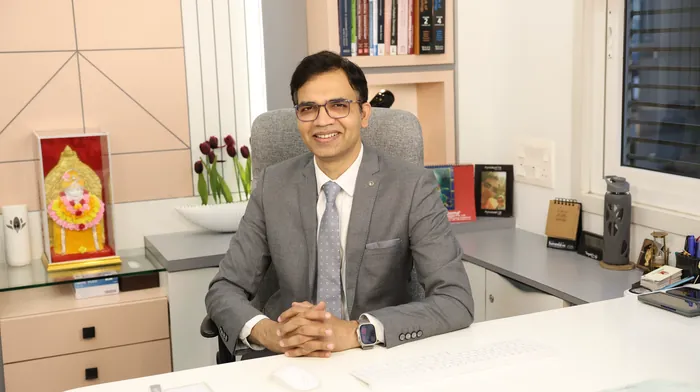
Dr. Nitin Barde
M.B.B.S, M.D, FRGUHS
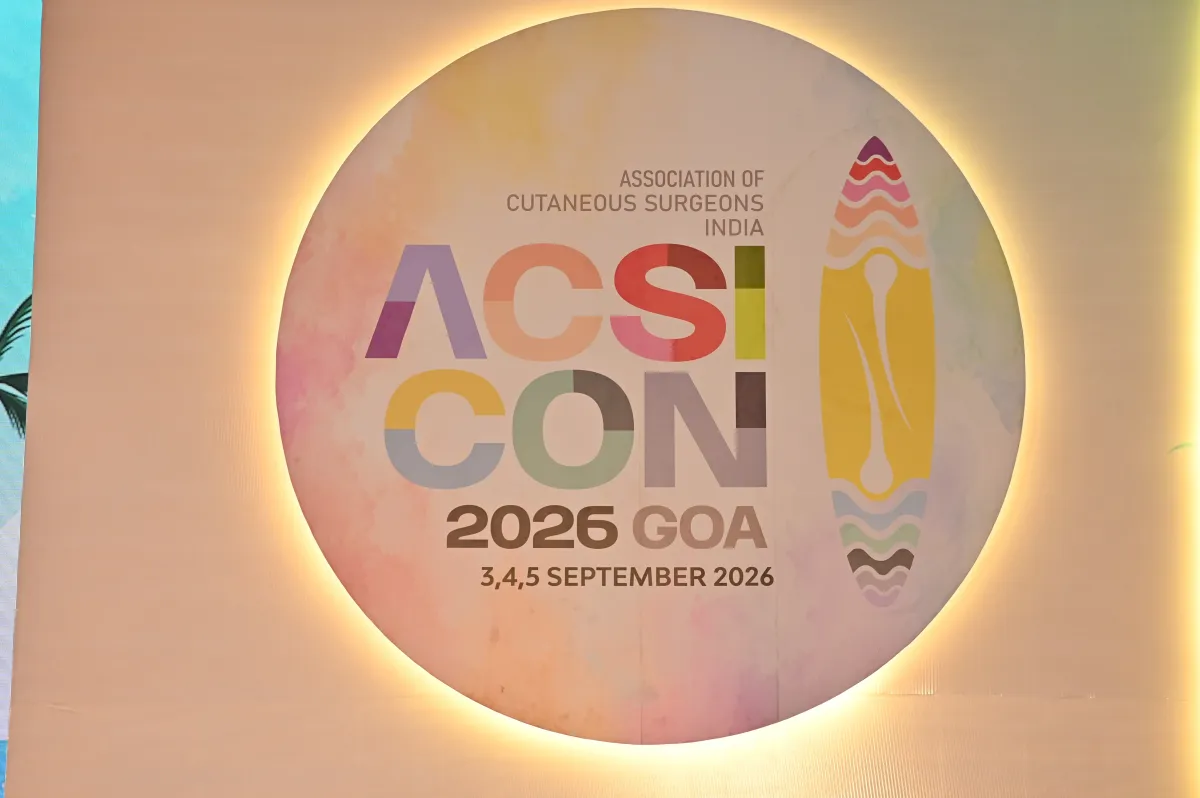
What is ACSICON 2026 and what did Radiance Clinic's doctors do there? ACSICON 2026 is the annual conference of the Association of Cutaneous Surgeons of India (ACS(I)), held this year in Goa. Radiance Clinic was proudly represented by Dr. Nitin Barde, who serves as the Secretary of ACS(I) and delivered a few lectures and conducted a workshop, alongside Dr. Radhika Barde, as part of our commitment to continuing medical education in procedural dermatology.
Dr. Nitin Barde
M.B.B.S, M.D, FRGUHS
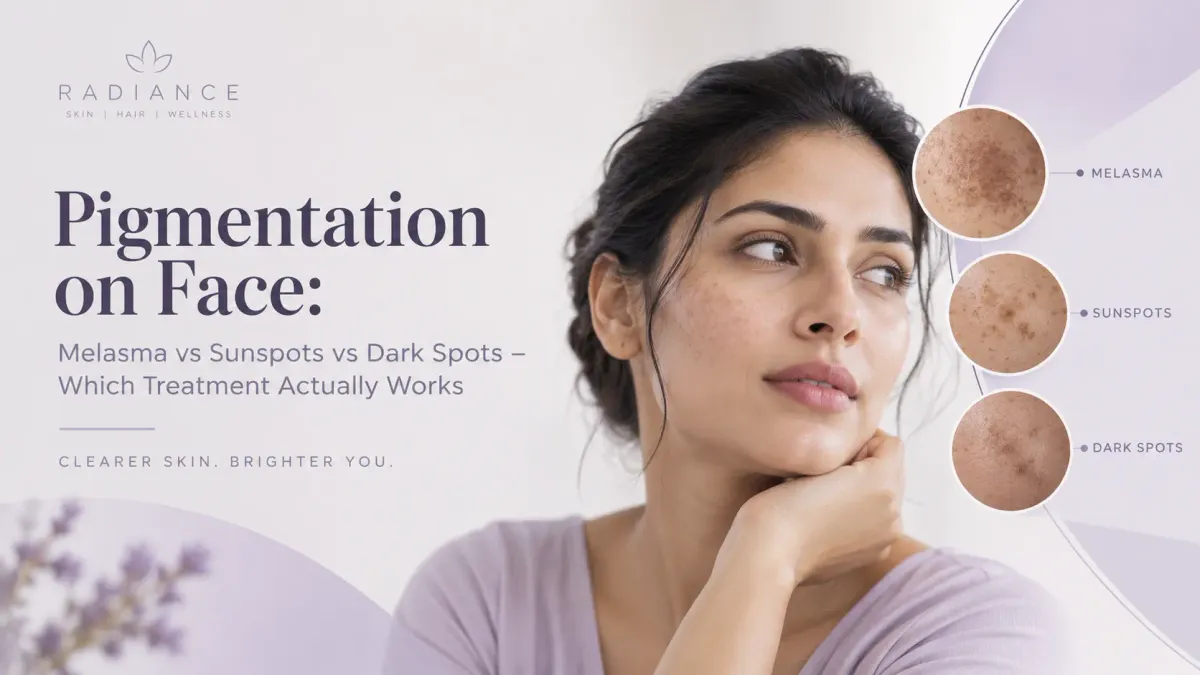
Pigmentation on the face requires targeted treatments rather than a one-size-fits-all approach. Chemical peels and laser pigmentation reduction work well for deep-rooted melasma and post-inflammatory marks, but proper diagnosis is the essential first step. Treating pigmentation early with a dermatologist ensures safe and lasting results for Indian skin tones. Pigmentation on the face requires targeted treatments rather than a one-size-fits-all approach. Chemical peels and laser pigmentation reduction work well for deep-rooted melasma and post-inflammatory marks, but proper diagnosis is the essential first step. Treating pigmentation early with a dermatologist ensures safe and lasting results for Indian skin tones.
Dr. Radhika Barde
M.B.B.S, DCH, DDV, FAD
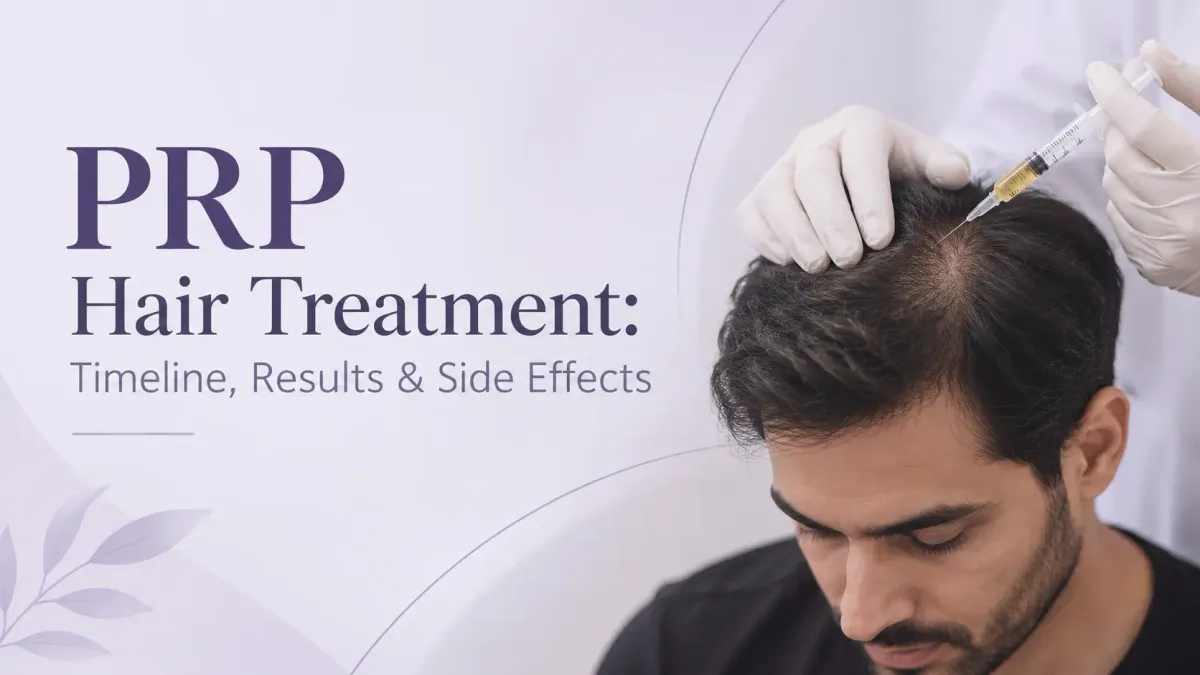
PRP (Platelet-Rich Plasma) therapy relies on growth factors taken from your own blood to wake up dormant hair follicles, lower shedding rates, and slowly thicken the hair you already have. The majority of people see their hair fall decrease within 4 to 6 weeks, notice visible new growth around month 3, and hit peak density by month 6. Side effects tend to be mild, mostly involving scalp redness and tenderness that fade within a day or two.
Dr. Nitin Barde
M.B.B.S, M.D, FRGUHS
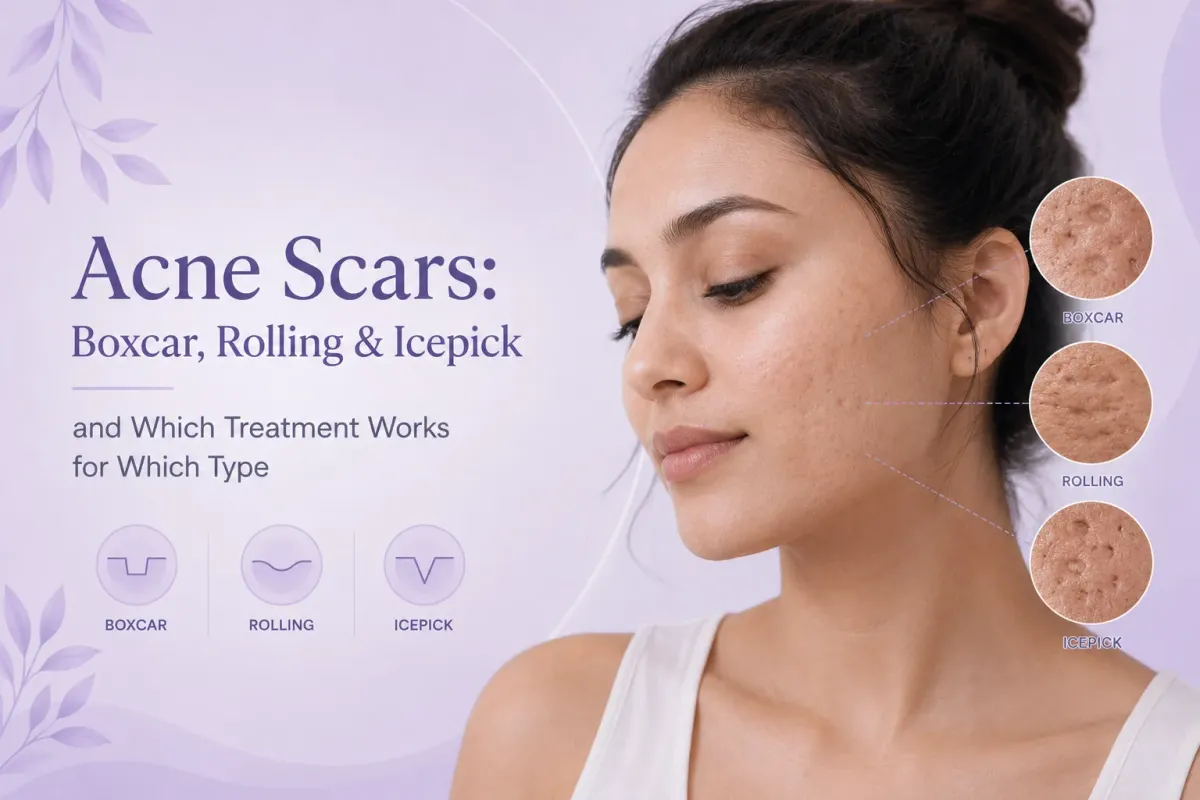
Different acne scars require highly specific clinical treatments to see real improvement. Icepick scars respond best to TCA Cross. Boxcar scars improve most with fractional lasers and Dermapen microneedling. Rolling scars require subcision to release tethered skin. Because most people have a complex combination of these scar types, a customized treatment plan from a dermatologist yields the safest and most effective results.
Dr. Nitin Barde
M.B.B.S, M.D, FRGUHS
While Follicular Stem Cell Therapy (FSCT) uses the same regenerative science for both genders, the treatment approach for women is uniquely tailored to address diffuse thinning rather than targeted bald spots. Women undergoing FSCT benefit from a customized procedure that focuses on overall scalp health, hormonal balance, and preserving existing hair follicles without shaving the head.
Dr. Nitin Barde
M.B.B.S, M.D, FRGUHS
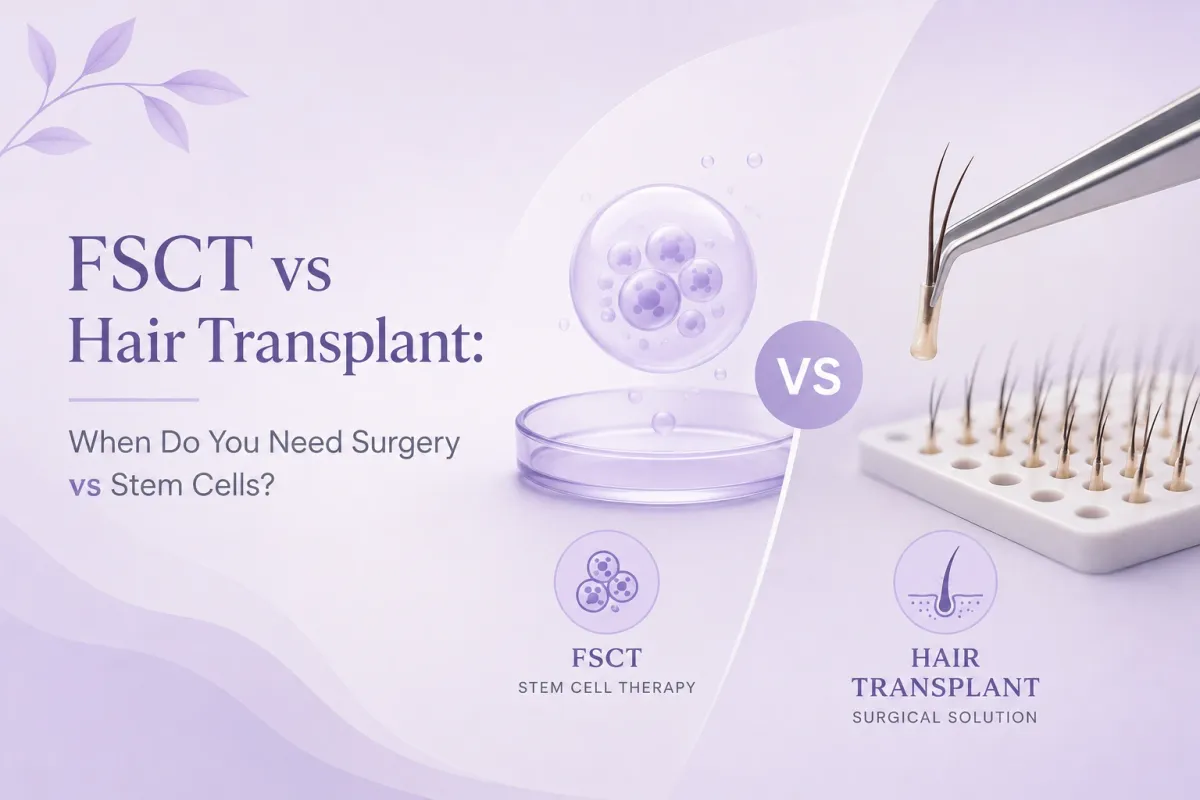
Choosing between Follicular Stem Cell Therapy (FSCT) and a hair transplant depends on your stage of hair loss. FSCT is a non-surgical, one-time treatment that uses your body's stem cells to stimulate existing follicles. A hair transplant is a surgical procedure that relocates healthy follicles to bald areas where regeneration is no longer possible.
Dr. Nitin Barde
M.B.B.S, M.D, FRGUHS

After a hair transplant, transplanted hairs shed within the first 2 to 4 weeks. This is completely normal and expected. Visible new growth begins around month 3 or 4. Most patients see significant density by month 6 to 8, and final results settle between month 12 and 18. The transplanted follicles, once established, are permanent.
Dr. Nitin Barde
M.B.B.S, M.D, FRGUHS
Gifting a HydraFacial for Raksha Bandhan provides your sibling with a medical-grade, multi-step skin rejuvenation treatment rather than just another traditional gift. By combining deep cleansing, painless extraction, and intense hydration, it guarantees an instant, radiant glow that lasts well beyond the festive season.
Dr. Radhika Barde
M.B.B.S, DCH, DDV, FAD