

Laser Birthmark Removal in Nagpur
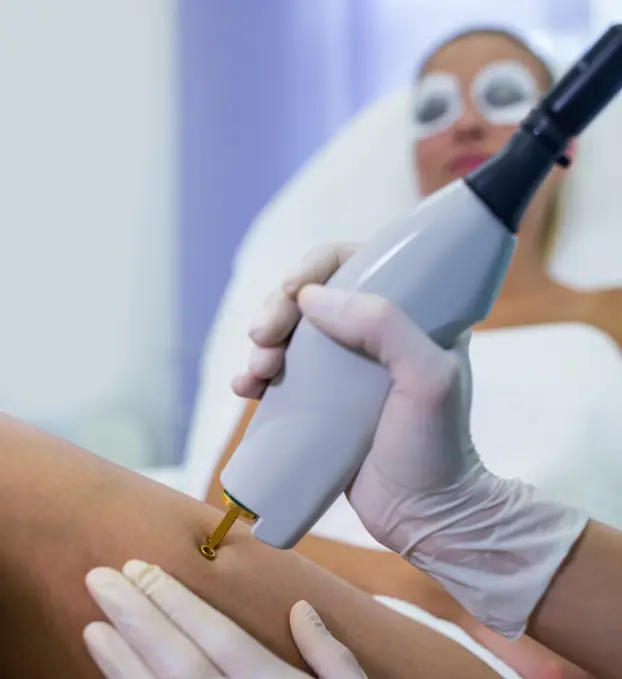
Home / Services / Laser / Birthmark RemovalLaser birthmark removal in Nagpur at Radiance Clinic is a doctor-led procedural treatment that uses calibrated light wavelengths to fade pigmented and vascular birthmarks safely. Operating through selective photothermolysis, medical lasers target deep melanin or coagulate blood vessels without cutting the skin. It delivers progressive, long-term fading with minimal discomfort and a very low risk of scarring.
Treatment Quick Facts
- First Step
Comprehensive dermatological evaluation, dermoscopic mapping, and lesion classification (pigmented vs vascular).
- Best For
Nevus of Ota, café-au-lait macules, port-wine stains, Becker's nevi, and selected congenital nevi or residual vascular marks.
- Treatment Options
Certified medical-grade pigment lasers and vascular laser modalities with integrated cooling.
- Recovery
Superficial micro-crusting or transient purpura resolves within 5 to 7 days, with minimal procedural downtime.
- Results Timeline
Progressive fading across 4 to 10 or more visits, spaced 8 to 12 weeks apart for deep dermal pigment (Nevus of Ota) and 6 to 8 weeks apart for superficial or vascular marks.
- Starting Investment
Starting from ₹2,000, with total treatment investment customized during clinical consultation based on birthmark type, depth, surface area, and recommended visits.
What Is a Birthmark and How Does Laser Technology Work?
Birthmarks are congenital or early-onset cutaneous discolorations that arise from localized anomalies in cellular migration, pigment synthesis, or vascular architecture. Rather than a single disease entity, birthmarks fall into two biological categories:
Pigmented Birthmarks
Arise from clusters of melanin-producing melanocytes or anomalous pigment accumulation within cutaneous layers. These include Nevus of Ota (slate-gray or blue dermal melanocytosis along the trigeminal nerve distribution), café-au-lait macules (uniform light brown flat patches), congenital melanocytic nevi, and Becker's nevi (hypermelanosis with hypertrichosis usually appearing during adolescence).
Vascular Birthmarks
Result from malformed or proliferating blood vessels. These include port-wine stains (capillary malformations that present as persistent pink, red, or deep purple patches that do not fade spontaneously) and infantile hemangiomas. For infantile hemangiomas, first-line management is medical pharmacotherapy (such as oral propranolol or topical timolol prescribed and monitored by the dermatologist). Targeted vascular lasers are reserved as secondary or adjunct therapy specifically for ulcerated hemangiomas, refractory lesions, or residual erythema and telangiectasias after medical involution.
Selective Photothermolysis: Photoacoustic vs Photocoagulation
Advanced laser birthmark removal operates through selective photothermolysis, targeting specific microscopic chromophores without injuring adjacent dermal and epidermal structures:
Photoacoustic Fragmentation for Melanin
For pigmented birthmarks, nanosecond and short-pulse medical pigment lasers deliver high-peak-power energy into the skin. These lasers act predominantly through photomechanical (photoacoustic) fragmentation accompanied by a minor photothermal effect. Melanosomes absorb the calibrated wavelength, generating acoustic pressure waves that shatter dense intracellular melanin granules into microscopic dust with minimal collateral thermal spread into the surrounding dermis. Over the subsequent 8 to 12 weeks, specialized macrophage scavenger cells phagocytose and eliminate the fragmented particles through the lymphatic system.
Photocoagulation for Vascular Malformations
For vascular birthmarks such as port-wine stains, targeted laser energy is absorbed selectively by intravascular oxyhemoglobin. The light converts into thermal energy, safely coagulating ectatic vessel walls and causing gradual vessel thrombosis and clearance without damaging the overlying epidermis.
Birthmark Classification and Laser Modality Matrix
Target depth, primary chromophore, recommended wavelength, and safety profiles on Indian skin (Fitzpatrick IV-V):
| Birthmark Classification | Cutaneous Depth & Target | Primary Chromophore | Recommended Laser Modality | Typical Course & Intervals | Safety & Response on Indian Skin |
|---|---|---|---|---|---|
| Nevus of Ota / Ito | Deep reticular dermis | Dermal melanin | Medical pigment laser (1064 nm wavelength) | 5 to 10+ visits; 8 to 12 weeks apart | Favourable safety profile with PIH still possible; 1064 nm bypasses epidermal melanin; mild late recurrence can occur. |
| Café-au-lait Macule | Epidermal and basal layer | Epidermal melanin | Targeted pigment laser (conservative 1064 nm or cautious 532 nm test patch) | 4 to 8 visits; 6 to 8 weeks apart | Variable and unpredictable response; recurrence rates around 50% or more; test patching advised; six or more spots prompt NF-1 screening. |
| Port-Wine Stain | Superficial to mid-dermis | Oxyhemoglobin | Target-specific vascular laser with dynamic cooling | 10+ visits; 6 to 8 weeks apart | Complete clearance is uncommon; infants and young children respond best; dynamic cooling protects epidermis from blister risk. |
| Congenital Melanocytic Nevi | Dermal-epidermal junction to dermis | Melanin & nevus cells | Dermatologist-directed monitoring, surgical excision, or superficial laser lightening | Assessed individually; staged | Laser only lightens superficial pigment and leaves deeper nevus cells; can hinder surveillance; large head/spine nevi need MRI for neurocutaneous melanosis; biopsy reserved for atypical features. |
| Becker's Nevus | Epidermis & hair follicles (manifests in adolescence) | Melanin & hair shafts | Pigment laser paired with long-pulse hair reduction laser | 6 to 8+ visits; 6 to 8 weeks apart | Pigment response is variable and recurrence is common; combination laser manages hypertrichosis and provides partial pigment lightening. |
How to Remove Birthmark: Clinical Assessment and Laser Modalities
Understanding how to remove birthmark discolorations successfully begins with specialized dermatological staging. Because birthmark depths vary widely from superficial epidermis down into the reticular dermis, standardized salon facials or over-the-counter creams cannot clear these lesions and often trigger irritant rebound darkening on Indian skin phototypes. At Radiance Clinic, our doctors follow a structured diagnostic and therapeutic roadmap:
Dermoscopic Evaluation & Diagnostic Mapping
Prior to any laser procedure, the dermatologist examines the lesion using polarized dermoscopy and Wood's lamp analysis. This step confirms whether the lesion is purely melanocytic or vascular, verifies cellular symmetry, rules out atypical dysplasia, and establishes pigment depth.
Specialist Screening: Six or more café-au-lait macules prompt NF-1 screening. Large or giant congenital nevi on the head or posterior spine receive pediatric MRI referral to screen for neurocutaneous melanosis. Biopsy is reserved for lesions displaying irregular, atypical dysplasia.
While diffuse post-inflammatory patches respond well to general pigmentation reduction protocols and superficial vascular redness can be improved with a photo facial, discrete birthmarks demand lesion-specific medical laser targeting.
Laser Test Patching
Because Indian skin (Fitzpatrick phototypes IV to V) contains reactive epidermal melanosomes, the doctor conducts a conservative test spot. This determines the exact fluence and pulse duration required to induce optimal target chromophore reaction while preserving epidermal barrier integrity.
PIH Prevention: Test patching prevents post-inflammatory hyperpigmentation (PIH) and verifies biological reactivity before treating larger cosmetic units.
High-Risk Lesions: Test patching is especially critical for café-au-lait spots and Becker's nevi, where biological response can be unpredictable.
Target-Specific Laser Delivery
Calibrated wavelengths are delivered across the lesion to fragment melanin or coagulate malformed blood vessels with sub-microscopic precision.
Precision Pulse Control: High-peak power delivered in nanoseconds or picoseconds shatters pigment into dust without thermal damage to surrounding healthy tissue.
Integrated Surface Cooling: Dynamic epidermal cooling shields melanin-rich upper layers throughout the procedure.
Advanced Laser Modalities & Clinical Safety Wavelengths
Deep Dermal Pigment Wavelength (1064 nm)
Widely considered the treatment of choice for deep dermal melanocytosis such as Nevus of Ota. The 1064 nm wavelength penetrates deeply into the reticular dermis while experiencing low melanin absorption in the upper epidermis, delivering safe clearance on darker skin tones.
Epidermal Pigment Targeting & 532 nm Precaution
For thin, superficial epidermal lesions, conservative fluences are applied. Frequency-doubled 532 nm carries a significantly higher risk of epidermal blistering, post-inflammatory hyperpigmentation, and hypopigmentation in Fitzpatrick phototypes IV to V due to intense competing melanin absorption. Therefore, 532 nm is used only very selectively and cautiously under strict test-patch guidance, with longer wavelengths like 1064 nm generally preferred for darker phototypes.
Short-Pulse Photomechanical Technology
Pulverizes melanosomes predominantly through photoacoustic shockwaves with minimal collateral thermal spread, minimizing unwanted inflammatory responses and safeguarding surrounding tissue architecture.
Vascular Laser Protocols with Dynamic Cooling
Target-specific wavelengths selectively coagulate abnormal capillary networks in port-wine stains using dynamic cryogen cooling to protect the epidermis, or address ulcerated and residual hemangioma vessels after medical therapy.
Does Laser Birthmark Removal Leave a Scar?
The most common concern for patients seeking birthmark removal is whether the treatment will leave a visible mark. When performed under medical supervision using modern birthmark removal laser technology, the procedure significantly minimizes the risk of a visible birthmark removal scar.
Sub-Microscopic Selectivity
Laser energy interacts selectively with targeted chromophores (melanin packets or intravascular hemoglobin). The surrounding extracellular matrix, fibroblasts, and healthy collagen fibers absorb minimal energy, avoiding collateral thermal necrosis.
Intact Dermal Architecture
Because the dermal scaffold remains intact without incisions or suturing, the body heals through natural cellular regeneration rather than the disorganized fibrous wound contraction that causes hypertrophic or atrophic linear scars.
Medically Defined Role for Surgery
Dermatosurgical excision is not obsolete; it remains the medically appropriate and definitive standard for suspicious, atypical, deep, or elevated melanocytic nevi requiring complete histopathological margin analysis. If your lesion is an elevated nevus or suspicious growth rather than a flat vascular or pigment mark, learn more about our clinical mole removal treatment options. For suitable flat birthmarks, non-ablative laser avoids incisions.
Expected Procedural Risks and Clinical Mitigation on Indian Skin
Every medical laser procedure carries biological risks, particularly on melanin-rich Indian skin. Fair and transparent clinical communication is essential:
Temporary Post-Inflammatory Hyperpigmentation (PIH)
Fairly common on Indian skinReported in roughly 1 in 10 or more patients in Asian clinical series. Typically resolves gradually over 3 to 6 months with broad-spectrum sun defense and dermatologist-directed topical regimens.
Transient or Persistent Hypopigmentation
UncommonPresents as localized lightening of the treated spot if melanocytes receive excessive thermal stimulation. Significantly minimized by conservative fluence and active cooling.
Textural Changes or Scarring
RareExtremely uncommon when non-ablative medical protocols and calibrated fluences are followed by certified dermatologists without overtreatment.
Pigment Rebound or Incomplete Clearance
Variable by lesion typeCertain birthmarks, notably café-au-lait macules and Becker's nevi, can darken, rebound, or respond unpredictably to optical treatment, requiring transparent upfront counseling.
How Radiance Clinic Minimizes Adverse Reactions:
These biological risks are significantly lowered at Radiance Clinic through mandatory pre-procedure test patching, conservative fluence settings specifically calibrated for Fitzpatrick phototypes IV to V, active surface cooling during pulse discharge, and rigorous post-treatment sun protection regimens.
Consented Patient Case Studies: Clinical Evidence
Radiance Clinic documents treatment progress using standardized clinical photography under strict patient consent. Clinical outcomes reflect gradual macrophage phagocytosis and vascular clearance across staged visits:
Facial Nevus of Ota Clearance
Baseline Presentation: Presented with unilateral slate-gray and bluish dermal melanocytosis across the zygomatic and periorbital regions.
Clinical Outcome: Treated with a staged series of 1064 nm medical pigment laser sessions spaced 10 weeks apart. Follow-up after 8 visits demonstrated substantial fading with preserved epidermal texture and zero textural scarring.
Solitary Café-au-lait Macule
Baseline Presentation: Presented with a discrete, uniform light-brown oval macule on the lateral cheek, seeking non-surgical lightening.
Clinical Outcome: Following a test patch verifying safe epidermal response, 5 conservative sessions spaced 7 weeks apart delivered significant cosmetic lightening without post-inflammatory hyperpigmentation.
Port-Wine Stain Capillary Clearance
Baseline Presentation: Presented with a congenital flat pinkish-purple vascular malformation along the mandibular border.
Clinical Outcome: Targeted vascular laser therapy with integrated dynamic epidermal cooling over 9 visits produced significant vessel photocoagulation and noticeable blanching of the vascular patch.
When reviewing laser birthmark removal before and after comparisons, patients appreciate that clearance is progressive, requiring biologic intervals for macrophage elimination of shattered pigment. Pre- and post-procedure clinical photographs are reviewed privately during your clinical consultation.
Birthmark Removal Before and After
Explore progressive fading in cutaneous birthmarks and vascular lesions achieved through doctor-led laser procedures at Radiance Clinic.
Safety Profile, Contraindications, and Clinical Protocols for Indian Skin
At Radiance Clinic, patient safety is our paramount priority. Because Indian skin has abundant epidermal melanin and reactive melanocytes, uncalibrated lasers can cause thermal burns or unwanted pigmentary shifts. Our dermatologists apply strict clinical safety protocols, active cooling, and phototype-specific fluences to optimize pigment clearance while safeguarding epidermal health.
Phototype-Calibrated Fluence
Parameters are adjusted specifically for Fitzpatrick phototypes IV to V to deliver maximum fragmentation to dermal targets while avoiding excessive thermal buildup in superficial melanosomes.
Continuous Epidermal Cooling
Integrated contact or cryogen surface cooling protects upper epidermal layers from heat diffusion, significantly minimizing redness, post-treatment swelling, and blister formation.
Dermatologist Administration
Every pulse is delivered or directly supervised by an experienced medical doctor, ensuring immediate adjustments based on clinical endpoints like transient frost or mild erythema.
When Is Laser Birthmark Treatment Contraindicated or Deferred?
During your initial consultation, our dermatologists review your complete medical history. Laser therapy is deferred or contraindicated under the following conditions:
Suspicious or Changing Pigmented Lesions
Asymmetrical, rapidly enlarging, or irregularly pigmented moles that require dermatosurgical excision and histopathological biopsy to exclude malignancy.
Recent Sun Tanning or Sunburn
Active sun exposure, vacations, or tanning within the preceding 2 to 4 weeks (excess epidermal melanin heightens blister and PIH risk).
Active Cutaneous Infections
Active herpes simplex flares, bacterial impetigo, or open abrasions in the target zone.
History of Keloids
Strong personal history of keloids or hypertrophic scarring in the proposed treatment area.
Photosensitizing Medications
Systemic isotretinoin therapy within the past 6 months, or concurrent photosensitizing antibiotics.
Pregnancy and Lactation
Elective aesthetic laser procedures are deferred during pregnancy and nursing.
Vitiligo and Psoriasis
Active autoimmune skin disorders where optical trauma could stimulate isomorphic disease progression (Koebner phenomenon).
Impaired Healing Conditions
Uncontrolled diabetes mellitus or systemic immunosuppressive disorders that delay tissue recovery.
Anticoagulant Therapy (Relative)
Blood-thinning medications or bleeding disorders (evaluated individually for purpura and bruising risk).
Recovery Timeline and Post-Procedure Aftercare
Recovery from medical birthmark laser treatment is comfortable and requires zero interruption to work or academic schedules:
| Recovery Stage | Typical Duration | Expected Skin Response | What Your Dermatologist Advises |
|---|---|---|---|
| Immediate Response | 1 to 24 hours | Mild redness, slight swelling, and localized warmth | Your dermatologist prescribes a protective barrier balm and advises gentle cooling to soothe initial warmth. |
| Superficial Crusting | 2 to 7 days | Formation of tiny, thin micro-crusts over pigmented areas | Your dermatologist advises keeping the skin hydrated and avoiding any picking, peeling, or friction over emerging micro-crusts. |
| Macrophage Phagocytosis | 2 to 12 weeks | Lymphatic cells metabolize and clear shattered pigment | Your dermatologist emphasizes diligent broad-spectrum sun protection to shield vulnerable tissue from ultraviolet exposure. |
| Next Treatment Interval | 8 to 12 weeks (dermal) or 6 to 8 weeks (vascular) | Epidermal barrier fully recovered; ready for next treatment | Your dermatologist assesses pigment clearance during follow-up and plans the subsequent step of your treatment course. |

What Your Dermatologist Prescribes and Advises
- Sun Protection
The dermatologist emphasizes rigorous sun avoidance and advises protecting treated skin with broad-spectrum mineral sunscreen and physical shade to prevent post-inflammatory pigmentary changes.
- Gentle Cleansing
The doctor recommends washing the treated area gently with cool water and a mild cleanser, followed by delicate patting with a soft towel rather than rubbing.
- Barrier Support
The dermatologist prescribes a restorative barrier balm to maintain skin hydration and support natural tissue recovery while micro-crusts detach on their own.
- Active Skincare Adjustments
The doctor advises temporarily holding chemical exfoliants, resurfacing acids, and retinoid formulas until the epidermal barrier has fully recovered.
- Minimizing Heat and Friction
The dermatologist advises avoiding intense heat sources, steam rooms, saunas, and strenuous workouts during the early recovery period to minimize vasodilation and localized swelling.
What Influences the Laser Birthmark Removal Cost in Nagpur?
At Radiance Clinic, laser birthmark removal starts from ₹2,000. Because every birthmark differs in cellular depth, physical dimensions, and vascular complexity, there is no standardized single rate. The overall laser birthmark removal cost in Nagpur is determined during your medical consultation based on essential clinical parameters:
Classification and Cellular Depth
Deep dermal pigmentations such as Nevus of Ota require different fluence series and laser passes than shallow café-au-lait macules or epidermal nevi.
Surface Area and Dimensions
Localized facial birthmarks measuring a few centimeters involve different pulse counts and treatment planning than broad, extensive lesions across the cheek, neck, or torso.
Number of Scheduled Visits
Staged treatments are biologically necessary for the lymphatic system to clear fragmented pigment or coagulated capillaries safely. While lighter superficial marks may respond in 4 to 6 visits, overall clearance across diverse birthmark types typically spans 4 to 10 or more visits. Deep dermal melanocytosis like Nevus of Ota requires treatments spaced 8 to 12 weeks apart, while vascular lesions such as port-wine stains frequently require 10 or more visits spaced 6 to 8 weeks apart.
Advanced Medical Laser Modalities
Utilizing certified medical-grade pigment and vascular laser platforms with integrated dynamic cooling supports patient safety and controlled pigment clearance.
Why Doctor-Led Clinic Care Protects Your Investment
Choosing a specialized medical birthmark removal clinic led by qualified, NMC-registered dermatologists ensures clinical safety and long-term financial value. Inexperienced practitioners or commercial beauty parlours frequently use uncalibrated devices or inappropriate fluences that can burn melanin-rich Indian skin, resulting in permanent hypopigmentation (white spots), severe rebound hyperpigmentation, or textural scarring. A medical consultation provides thorough diagnostic staging, calibrated medical lasers, and structured follow-up care, helping ensure your birthmark removal cost delivers safe, clinically guided, and natural-looking results.
Who Performs Laser Birthmark Removal at Radiance Clinic?
Dermatologists at Radiance Clinic, Dr. Nitin Barde and Dr. Radhika Barde, evaluate and treat congenital and acquired birthmarks, vascular lesions, and deep dermal pigmentation.
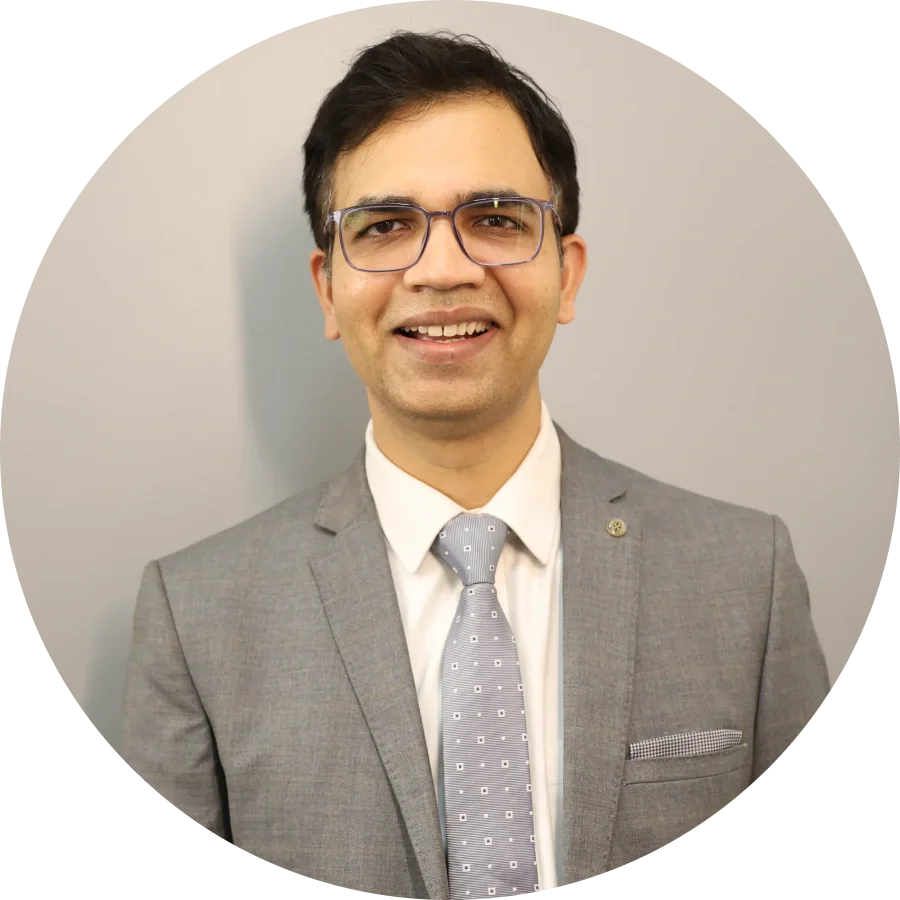
Dr. Nitin Barde
Dr. Nitin Barde is the Founder of Radiance Clinic and a dermatologist with over a decade of clinical experience. He completed his MD in Dermatology in Pune, followed by a Fellowship in Dermatosurgery (FRGUHS) in Bangalore. In 2014, he was awarded the International Society of Dermatologic Surgery (ISDS) Statesmen Award in Jerusalem.
Skin & Aesthetic Dermatology Expertise:
- M.D. Dermatology, Pune: Comprehensive academic and clinical training in dermatology, scar biology, and cutaneous physiology.
- Fellowship in Dermatosurgery (FRGUHS), Bangalore: Advanced surgical and procedural sub-specialization for complex pigmentary conditions and energy-based devices.
- ISDS Statesmen Award Recipient (Jerusalem, 2014): International recognition for clinical contributions to dermatologic surgery.
- Over a decade of procedural expertise: Specializing in pigmentary laser protocols, vascular malformations, and procedural dermatosurgery.
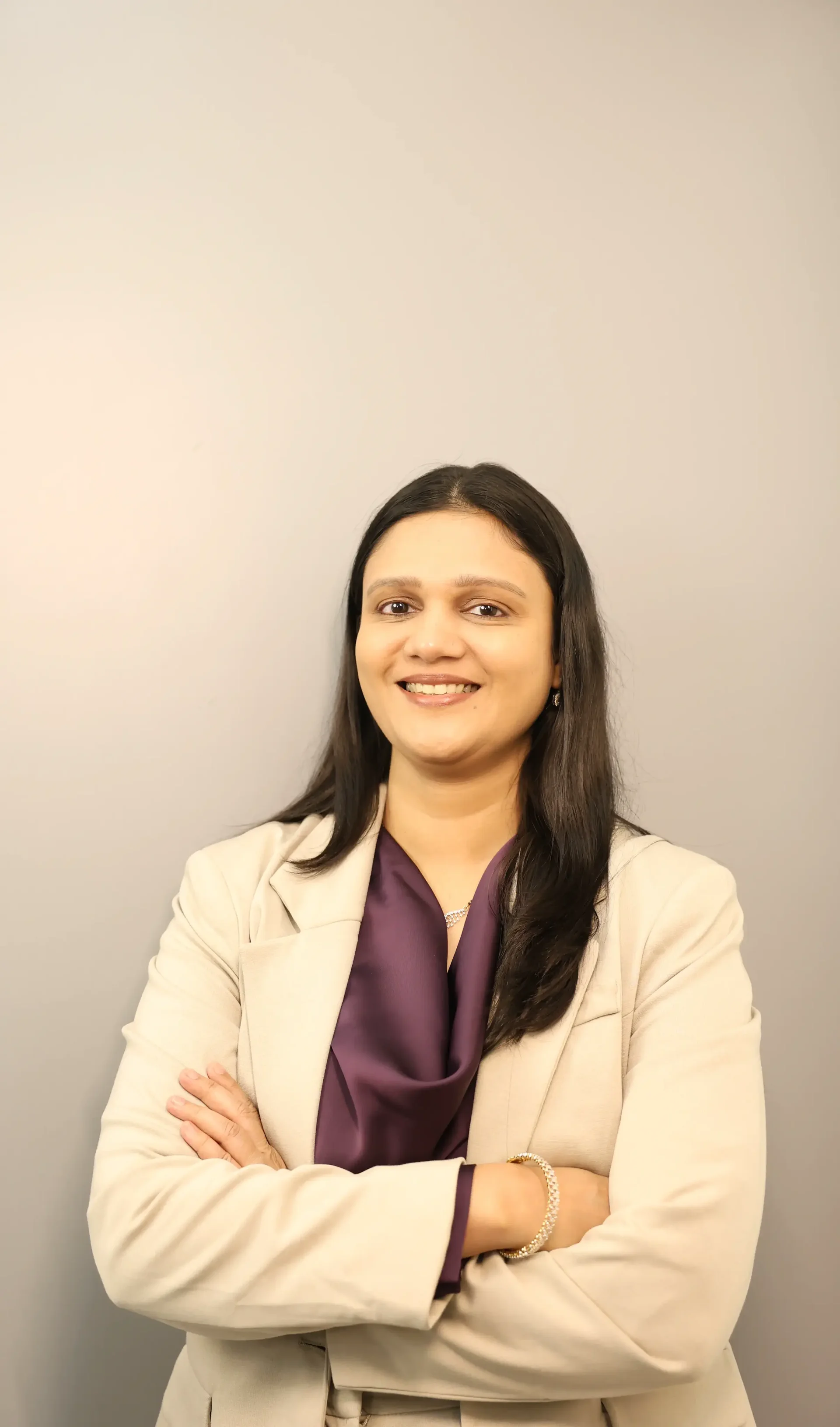
Dr. Radhika Barde
Dr. Radhika Barde is the Director and a Dermatologist at Radiance Clinic. She holds an MBBS, a DCH (Diploma in Child Health), and a DDV (Diploma in Dermatology, Venereology and Leprosy), and has completed a Fellowship in Aesthetic Dermatology (FAD). Her clinical practice includes aesthetic dermatology, laser pigment correction, and hair restoration.
Skin & Aesthetic Dermatology Expertise:
- M.B.B.S, DCH, DDV: Dual clinical perspective addressing both pediatric vascular/pigmentary lesions and adult cosmetic concerns.
- Fellowship in Aesthetic Dermatology (FAD): Specialized training in advanced energy devices, laser safety, and customized pigment correction.
- Clinical background in medical and aesthetic dermatology: Expert evaluation of cutaneous safety margins and tailored post-laser aftercare.
About Radiance Clinic
Radiance Clinic in Nagpur provides comprehensive, evidence-informed medical dermatology and aesthetic care, holding an exceptional 4.9-star rating from over 1,800 verified patient reviews. Founded by Dr. Nitin Barde and directed by Dr. Radhika Barde, the clinic combines advanced diagnostic precision with compassionate, individualized treatment plans designed for sustainable skin health.
The facility features modern procedural suites, dedicated consultation spaces, and strict medical sterilization standards, ensuring patient safety, comfort, and confidentiality at every visit. Conveniently located on the 2nd Floor of Panchavati Tower, Wardha Rd, beside Hitvada Press & Shatau Hospital, near Dhantoli, the clinic serves patients across Dhantoli, Ramdaspeth, and greater Nagpur with consultations available Monday to Saturday.
Explore Expert Skin & Laser Insights
Explore laser therapy, pigment clearance, and skin health guides written and reviewed by our clinical dermatologists.

Dry Skin in Winter: A Dermatologist Guide to Winter Skin Care Routine in Nagpur
Winter brings pleasant weather to Nagpur and Central India, but it also brings dry northerly winds and sharp drops in atmospheric humidity. When indoor and outdoor humidity levels drop below 40%, the moisture gradient pulls water out of the stratum corneum through accelerated transepidermal water loss (TEWL). Without proactive routine adjustments, simple dryness quickly progresses into cracked skin, chapped lips, painful heels, or persistent winter itching. This guide explains the physiological mechanisms behind winter skin dehydration, outlines an evidence-based morning and evening winter skin care routine, provides comparison guidance between dry skin and eczema, and presents clinical solutions available at Radiance Clinic in Nagpur.

Dr. Radhika Barde
M.B.B.S, DCH, DDV, FAD
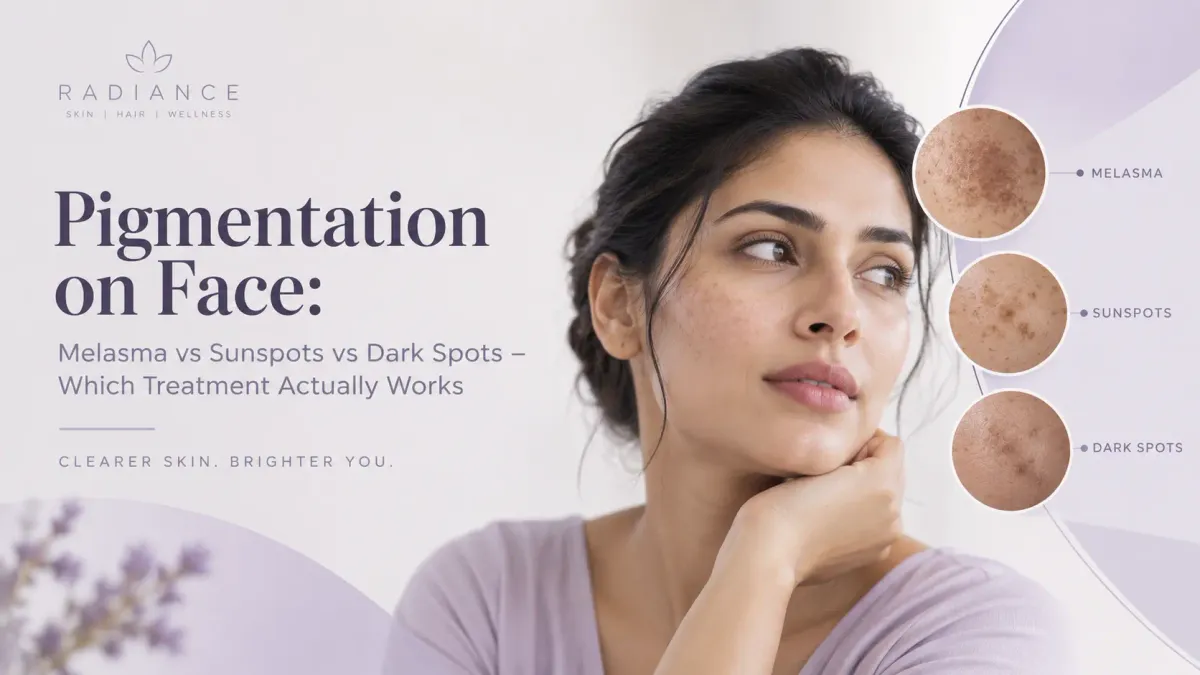
Pigmentation on Face: Melasma vs Sunspots vs Dark Spots - Which Treatment Actually Works
Pigmentation on the face requires targeted treatments rather than a one-size-fits-all approach. Chemical peels and laser pigmentation reduction work well for deep-rooted melasma and post-inflammatory marks, but proper diagnosis is the essential first step. Treating pigmentation early with a dermatologist ensures safe and lasting results for Indian skin tones. Pigmentation on the face requires targeted treatments rather than a one-size-fits-all approach. Chemical peels and laser pigmentation reduction work well for deep-rooted melasma and post-inflammatory marks, but proper diagnosis is the essential first step. Treating pigmentation early with a dermatologist ensures safe and lasting results for Indian skin tones.
Dr. Radhika Barde
M.B.B.S, DCH, DDV, FAD
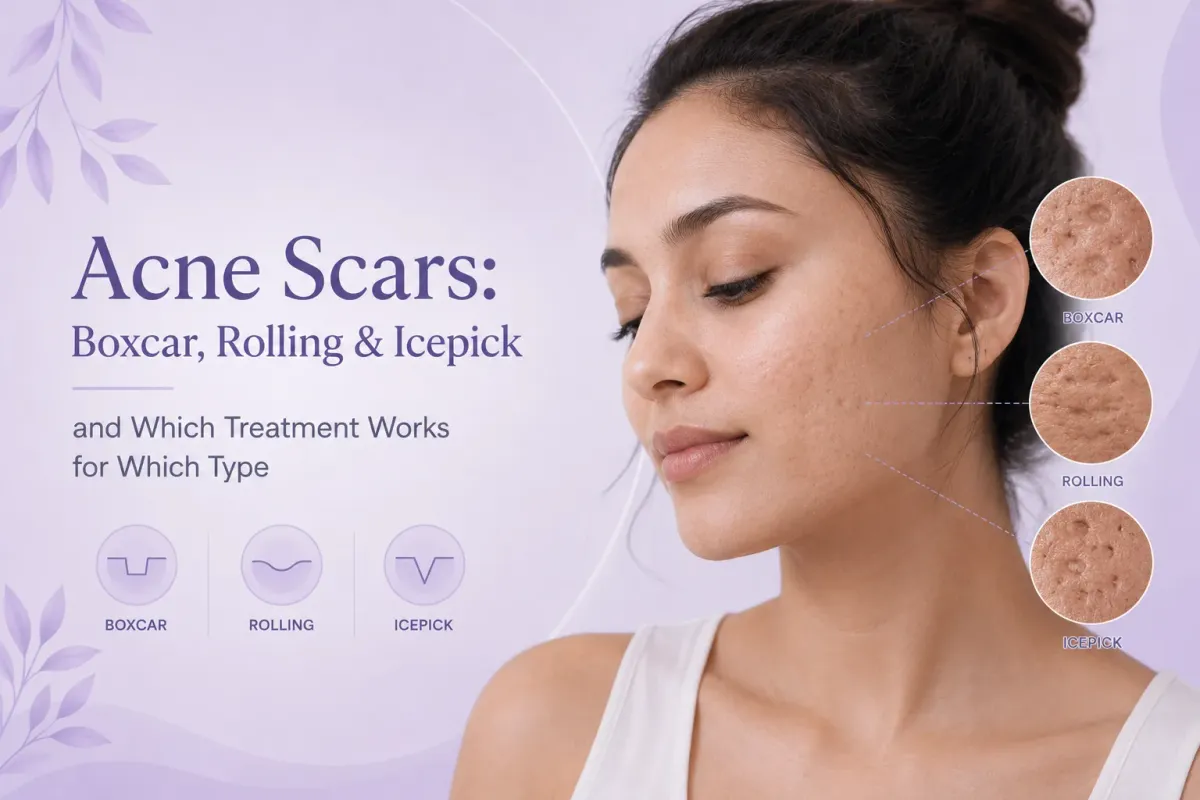
Acne Scars: Boxcar, Rolling & Icepick and Which Treatment Works for Which Type
Different acne scars require highly specific clinical treatments to see real improvement. Icepick scars respond best to TCA Cross. Boxcar scars improve most with fractional lasers and Dermapen microneedling. Rolling scars require subcision to release tethered skin. Because most people have a complex combination of these scar types, a customized treatment plan from a dermatologist yields the safest and most effective results.
Dr. Nitin Barde
M.B.B.S, M.D, FRGUHS
Trusted by Thousands in Nagpur
Discover why people choose Radiance Clinic for premium treatments.

- ★★★★★
Dr. Nitin is exceptional! PRP sessions significantly helped my hair growth. Best place for hair and skin treatment in Nagpur!
- ★★★★★
Professional care tailored to my health. Dr. Nitin is knowledgeable and patient. Trustworthy clinic with very supportive staff!
- ★★★★★
Smooth, painless hair transplant with excellent post-op care. Feeling more confident already. Best dermatologist in Nagpur! 🤗🙏
- ★★★★★
Saw great improvement in my scalp and hair condition! Dr. Nitin is highly professional and knowledgeable. Highly recommended.
- ★★★★★
Best dermatology clinic in Nagpur! The team is highly experienced and they truly care about their patients' well-being.
- ★★★★★
Highly experienced dermatologist and skilled team. They truly care and provide great results for skin and hair. Great experience!
- ★★★★★
Radiance Clinic offers excellent skin treatment with professional and caring staff. I’ve seen great results and highly recommend it to anyone in Nagpur.
- ★★★★★
I came here for hair laser removal. Very nice service and treatment for fast. The clinic is hygienic and has positive environment. Amazing experience.
- ★★★★★
Friendly and supportive behavior. Perfect treatment and suggestions. Best doctor for skin and hair treatment in Nagpur!

Frequently Asked Questions
Get clarity on our advanced treatments from the leading skin doctor and hair clinic in Nagpur.