

MNRF Treatment in Nagpur
Home / Services / Laser / MNRF TreatmentMNRF Treatment in Nagpur
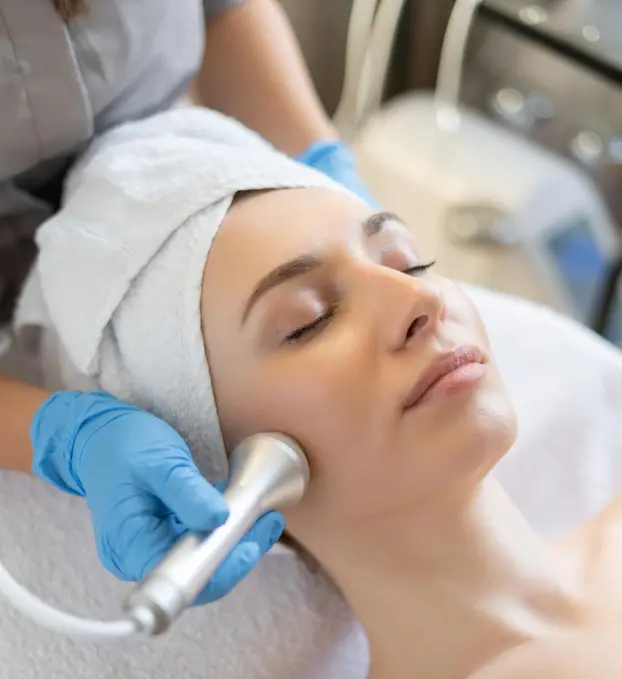
MNRF treatment, or microneedling radiofrequency, at Radiance Clinic in Nagpur is a dermatologist-led procedural therapy that combines insulated microneedling with targeted radiofrequency thermal energy to remodel deep acne scars, reduce enlarged pores, and tighten skin. By concentrating calibrated heat in the reticular dermis with minimal epidermal heating, it provides marked textural remodeling with minimal recovery on Indian skin.
Treatment Quick Facts
- First Step
Comprehensive dermatological evaluation, scar depth mapping using the Goodman and Baron qualitative grading system, and skin phototyping.
- Best For
Indented acne scars (rolling and boxcar scars), enlarged facial pores, skin laxity, uneven texture, and stretch marks.
- Treatment Options
Calibrated medical MNRF skin treatment, insulated microneedle penetration (0.5 to 3.5 mm depth), subcision for fibrotic tethering, and complementary acne scar or Dermapen protocols.
- Clinical Response
Progressive dermal thickening, textural smoothing, and scar softening developing over 3 to 4 visits spaced 4 to 6 weeks apart, with continuing collagen remodeling for 3 to 6 months.
- Recommended Schedule
A clinical series of 3 to 4 sessions spaced 4 to 6 weeks apart for progressive and cumulative collagen induction.
- Starting Price
Starting from ₹3,500, with overall costs determined during clinical consultation depending on treated area, scar depth, and recommended visits.
What Is MNRF Treatment and How Does the Procedure Work?
Microneedling radiofrequency (MNRF) is an advanced medical skin resurfacing technology that pairs physical collagen induction therapy with electrothermal energy. During the MNRF procedure, an automated handpiece deploys a sterile matrix of ultra-fine microneedles that penetrate the skin to a precisely adjusted depth between 0.5 mm and 3.5 mm.
Once the needles reach their programmed dermal target, they emit controlled pulses of fractional bipolar radiofrequency energy. This energy creates localized thermal coagulation zones reaching 60 to 70 °C within the collagen-rich reticular dermis:
Biological Cascade of Dermal Regeneration
Mechanical Micro-Injury
The physical insertion of microneedles breaks up fibrotic, tethered scar bands and triggers the body's natural wound-healing cascade without tearing or shearing the skin.
Thermal Collagen Denaturation
The emitted radiofrequency current meets natural tissue resistance (impedance), converting into gentle, controlled heat. This instant thermal effect causes immediate contraction of aged collagen fibers.
Long-Term Neocollagenesis
Over the subsequent 6 to 12 weeks, dermal fibroblasts synthesize abundant new type I and type III collagen fibers and elastin, lifting indented scar floors and strengthening the extracellular matrix.
Minimal Epidermal Heating
Because the shafts of our medical microneedles are electrically insulated, thermal energy is concentrated in the dermis, with minimal epidermal heating. The upper epidermal layer remains protected from excessive thermal diffusion.
Clinical Resurfacing Modality Comparison
Evaluating medical resurfacing technologies for acne scar remodeling, pore refinement, and tissue safety on Indian skin:
| Clinical Resurfacing Modality | Energy Mechanism | Primary Target Skin Layer | Best Clinical Indications | Safety Profile on Indian Skin (Fitzpatrick IV-V) |
|---|---|---|---|---|
| MNRF Treatment | Insulated physical microneedles + bipolar RF thermal energy | Deep reticular dermis (0.5 to 3.5 mm) | Rolling and boxcar acne scars, enlarged pores, and dermal laxity | High clinical safety profile; insulated tips deliver heat into the dermis with minimal epidermal heating, offering a lower risk of PIH than ablative lasers when dermatologist-calibrated |
| Dermapen Treatment | Automated vertical mechanical micro-punctures | Epidermis to upper reticular dermis (0.5 to 2.5 mm) | Superficial acne marks, fine lines, and light textural roughness | Excellent safety profile; non-thermal mechanical action carries negligible risk of pigment alterations |
| Fractional CO2 Laser | Ablative micro-thermal vaporization columns (10,600 nm) | Epidermis down to mid-dermis | Deep rigid boxcar scars, rhinophyma, and severe photoaging | Requires strict pre-priming, conservative fluences, and longer recovery due to significant epidermal heating and elevated PIH risk |
| Deep Subcision | Nokor needle or blunt cannula mechanical release | Subcutaneous tissue and deep fibrotic bands | Heavily tethered rolling acne scars; see acne scar treatment | High safety; surgical sub-surface release without thermal or epidermal injury |
Why MNRF Suits Indian Skin Types
Indian skin belongs predominantly to Fitzpatrick phototypes III to V. While melanocyte density is relatively uniform across skin types, darker phototypes feature larger, more heavily melanized melanosomes and heightened reactivity to heat and inflammation. Traditional ablative laser systems (such as fractional CO2 or Erbium:YAG lasers) release high-intensity optical heat at the skin surface to reach deeper layers. When surface melanin absorbs this laser heat, patients face an elevated risk of post-inflammatory hyperpigmentation (PIH), prolonged redness, and potential scarring. MNRF skin treatment suits Indian skin types through insulated needle technology:
Targeted Dermal Delivery
The insulated needle shafts do not emit electrical energy as they pass through the epidermis. Heat is concentrated in the dermis, with minimal epidermal heating.
Reduced Melanin Interaction
Radiofrequency energy relies on tissue electrical impedance rather than optical melanin absorption. Unlike lasers where surface pigment absorbs substantial light energy, insulated radiofrequency directs thermal coagulation beneath the epidermis, providing a lower risk of PIH than ablative lasers when dermatologist-calibrated.
Sub-Epidermal Coagulation
By confining thermal coagulation to the reticular dermis (0.5 to 3.5 mm), the surface barrier remains largely uncompromised, allowing rapid re-epithelialization within 24 to 48 hours. While PIH can still occur on Fitzpatrick IV-V skin from excessive heat or inflammation, calibrated parameters significantly limit thermal spread to surface melanocytes.
Dermatologist-Calibrated Energy
At Radiance Clinic, our doctors customize needle penetration depth, pulse duration, and RF power levels specifically for your anatomical location and skin thickness, preventing heat stacking.
Clinical Takeaway: Insulated microneedling radiofrequency bypasses epidermal melanin optical barriers, delivering concentrated thermal energy into the deep dermis to remodel acne scars and laxity with a reduced risk of hyperpigmentation compared to surface ablative lasers.
Clinical Indications for MNRF Treatment
Clinical MNRF treatment provides structural rejuvenation across multiple aesthetic and dermatological concerns:
MNRF for Acne Scars
Atrophic rolling and boxcar depressions soften as freshly stimulated collagen fills tissue voids from beneath, smoothing uneven contours.
Enlarged Facial Pores
Thermal coagulation around follicular infundibula and adjacent sebaceous units may improve pore appearance, creating a refined, smoother skin surface.
Skin Tightening & Firming
Deep RF heating contracts lax collagen fibers, addressing mild to moderate laxity along the jawline, cheeks, and neck for a firmer appearance.
Textural Irregularities
Bumpy post-inflammatory texture, surgical scars, and rough skin soften into an even, resilient, and radiant complexion.
Stretch Marks (Striae)
Dermal collagen and elastin synthesis help restore dermal thickness and skin elasticity in stretched, atrophic skin bands.
Targeted Multi-Modality Scar Protocols
Because acne scarring is rarely uniform, single-modality therapies often fall short. Rolling scars frequently possess deep subcutaneous tethering cords that pull the skin downward. At Radiance Clinic, our dermatologists combine deep subcision to mechanically divide fibrous tethering cords, followed by insulated MNRF treatment to build new dermal support. For deep, narrow icepick scars, focal TCA CROSS is sequenced alongside MNRF to ensure comprehensive structural reconstruction.
Deep Subcision + Insulated MNRF
Ideal for rolling and anchored scars. Subcision surgically divides deep subcutaneous fibrotic bands pulling down the skin surface. Subsequent MNRF stimulates collagen beneath the liberated scar floor, restoring lost volume and preventing scar re-tethering.
TCA CROSS + MNRF Dermal Tightening
Ideal for mixed icepick and boxcar scars. Focal chemical reconstruction (TCA CROSS) targets deep, steep-walled pits, while insulated MNRF treats broad textural roughness and pore laxity across the entire facial region.
Key MNRF Treatment Benefits
Why patients and dermatologists select microneedling radiofrequency for advanced textural remodeling:
Dual-Action Remodeling
Combines physical mechanical scar release with thermal collagen tightening in a single clinical visit for enhanced dermal lifting.
Minimal Downtime
Patients experience only 1 to 3 days of mild redness and edema, returning quickly to regular routines without extended isolation.
Progressive, Natural Outcomes
Collagen remodeling continues for months after the procedure, yielding gradual, subtle, and enduring texture improvements.
Customized Depth Control
Needle penetration is adjustable in fine depth increments (0.5 to 3.5 mm), enabling tailored treatments for delicate eye zones as well as thick cheek tissue.
MNRF Treatment Before and After Expectations
When considering MNRF treatment before and after comparisons, patients should anticipate progressive structural improvements rather than overnight changes. Neocollagenesis and tissue remodeling are biological processes that require time:
Mild Flushing & Pinpoint Grid Marks
The treated area appears mildly flushed and slightly swollen, resembling a moderate sunburn. Tiny pinpoint grid marks may form on the surface as microscopic puncture channels begin rapid healing.
Micro-Exfoliation & Firmness
Swelling fully subsides and microscopic crusts naturally detach during routine gentle cleansing. The skin begins feeling subtly firmer as superficial epidermal integrity is completely restored.
Active Collagen Induction Phase
Newly formed collagen fibers begin lifting depressed scar floors and refining enlarged pores. Initial textural smoothing and tightening become visibly noticeable.
Full Remodeling & Scar Elevation
Following a recommended series of 3 to 4 visits spaced 4 to 6 weeks apart, patients observe marked, cumulative improvements, typically with 1 to 2 grades of improvement on the Goodman and Baron scale. Results vary with scar type; icepick scars respond less than rolling and boxcar scars.
Goodman and Baron Clinical Evaluation: Most patients achieve 1 to 2 grades of quantitative scar reduction across a full 3 to 4 session protocol. Rolling and boxcar scars show the highest degree of dermal lifting, while deep icepick scars are combined with TCA CROSS for optimal results.
Is the MNRF Procedure Safe? Clinical Protocols
When conducted by experienced dermatologists, the MNRF procedure maintains a high standard of clinical safety. At Radiance Clinic, all procedures are performed under direct doctor supervision using medical-grade devices, single-use sterile needle cartridges, and strict aseptic protocols.
Single-Use Sterile Needle Tips
Every patient receives a factory-sealed, single-use sterile microneedle cartridge unwrapped immediately prior to the procedure, eliminating any cross-contamination risk.
Doctor Supervision & Calibration
Dermatologists evaluate your skin phototype and scar depth directly, configuring penetration depths (0.5 to 3.5 mm) and RF power levels without generic salon defaults.
Insulated Needle Epidermal Shield
Insulated needle shafts ensure radiofrequency current is delivered solely at the tip within the target dermis, protecting surface melanocytes against burns and hyperpigmentation.
Clinical Contraindications
Your dermatologist conducts a thorough medical evaluation prior to treatment. MNRF is contraindicated or deferred under the following clinical conditions:
Cardiac Pacemakers & Metallic Implants
Implanted cardiac pacemakers, ICDs, or metallic implants and plates in the direct anatomical treatment field (due to radiofrequency electromagnetic interference and localized heating).
Hyaluronic Acid Dermal Fillers
Recent hyaluronic acid filler placement in the treatment zone (RF thermal energy can accelerate filler degradation; treatments must be spaced appropriately).
Impaired Healing & Systemic Conditions
Poor wound healing, uncontrolled diabetes mellitus, or systemic immunosuppression.
Koebner-Prone Skin Conditions
Active vitiligo, psoriasis, or Koebner-prone skin (where physical micro-needling can trigger disease activity or induce new lesions).
Active Infections & Open Lesions
Active bacterial, viral (such as active herpes simplex), or fungal skin infections, open cuts, active abrasions, or localized eczema flares in the treatment zone.
Active Inflammatory Acne
Active, inflammatory cystic acne breakouts (active inflammation must be medically controlled before procedural scar revision).
Pregnancy & Breastfeeding
Pregnancy and lactation (during which elective procedural therapies are postponed).
Keloid Scarring History
Documented history of keloid formation or hypertrophic scarring.
Recent Oral Isotretinoin
Oral isotretinoin therapy within the preceding 6 months.
Anticoagulant Therapy (Relative)
Concurrent anticoagulant (blood-thinner) therapy or bleeding diathesis (relative contraindication, assessed individually for bruising risk).
Potential Procedural Risks Stated Plainly
Side effects are generally mild and transient when protocols are followed correctly. Expected physiological responses include mild erythema (redness lasting 24 to 72 hours), temporary pinpoint edema, and light micro-crusting. On melanin-rich skin, improper technique or uncalibrated devices can cause prolonged redness, superficial pinpoint grid tracking, or post-inflammatory hyperpigmentation (PIH) if energy is stacked aggressively. Our dermatologists prevent these complications by selecting insulated needle tips, utilizing customized conservative energy settings, and enforcing strict sun-safety protocols.
Recovery Timeline and Post-Procedure Aftercare
Healing from an MNRF procedure follows a rapid, well-tolerated physiological timeline:
| Recovery Stage | Typical Duration | Expected Skin Response | Recommended Patient Care |
|---|---|---|---|
| Immediate Recovery | 1 to 6 hours | Mild to moderate redness, skin warmth, and slight tightness | Cool compresses and gentle barrier-repair balm application |
| Early Healing | 24 to 72 hours | Erythema fades to mild pinkness; subtle pinpoint grid marks appear | Mild non-foaming cleanser; ceramide moisturizer; strict mineral SPF 50+ |
| Micro-Exfoliation | 3 to 5 days | Minute micro-crusts naturally slough off during washing | Avoid scrubbing, picking, or using washcloths; keep skin well-hydrated |
| Dermal Remodeling | 2 to 6 weeks | Surface fully normalized; dermal neocollagenesis actively underway | Resume regular skincare gradually; avoid direct sun exposure |
Dermatologist-Guided Post-Care Roadmap
Adhering to these critical post-procedure guidelines ensures seamless recovery, prevents pigmentary issues, and optimizes long-term neocollagenesis:
Prescribed Ceramide Moisturization
Apply dermatologist-prescribed ceramide and peptide barrier creams frequently to lock in moisture and accelerate epidermal barrier restoration.
Avoid Heat & Heavy Workouts for 48 Hours
Avoid strenuous workouts, heavy sweating, hot showers, saunas, and steam rooms for 48 hours to minimize vasodilation and reactive swelling.
Strict Broad-Spectrum Sun Protection
Apply broad-spectrum tinted mineral sunscreen (SPF 50+, PA++++) every morning and reapply every 2 to 3 hours if outdoors to prevent post-inflammatory hyperpigmentation.
Pause Potent Exfoliants & Actives
Pause harsh skincare actives (retinoids, glycolic acid, salicylic acid, vitamin C, chemical exfoliants, and scrubs) for 5 to 7 days following each session.
Have questions regarding pre-care or post-treatment care? Our dermatology team is always accessible.
What Influences the MNRF Treatment Cost in Nagpur?
At Radiance Clinic, MNRF treatment starts from ₹3,500, but there is no one-size-fits-all fixed price because facial scarring and textural laxity vary widely between patients. The overall MNRF treatment cost in Nagpur is calculated during your clinical consultation based on key dermatological variables:
Overall costs are determined transparently during clinical consultation based on treated area, scar depth, and recommended visits.
Anatomical Treatment Area
Localized scar treatment across the cheeks involves different procedural time and consumables than full face, neck, or body areas.
Scar Severity & Depth
Severe, deep boxcar or rolling scars may require a greater number of passes at varying needle depths compared to mild textural refinement.
Total Recommended Visits
Most patients achieve substantial remodeling through a series of 3 to 4 visits scheduled 4 to 6 weeks apart for cumulative neocollagenesis.
Combination Therapies
Total procedural investment depends on whether MNRF is performed alone or combined with subcision, TCA CROSS, or restorative platelet protocols.
Why Early Dermatologist Care Costs Less
Seeking early, doctor-led care is an effective and economical approach to scar management. When atrophic scars are left unaddressed, natural age-related volume and collagen loss cause indentations to become more visible over time. Furthermore, attempting unverified salon treatments or aggressive home-rolling devices often leads to epidermal tearing, infection, and severe PIH that require lengthy, costly corrective therapy. Consulting a qualified dermatologist ensures accurate scar classification, safe insulated settings, and predictable outcomes, which helps manage overall treatment investment over time.
During your comprehensive consultation, our dermatologists assess your skin and provide a transparent, itemized treatment plan before any procedure begins.
Who Performs MNRF Treatments at Radiance Clinic?
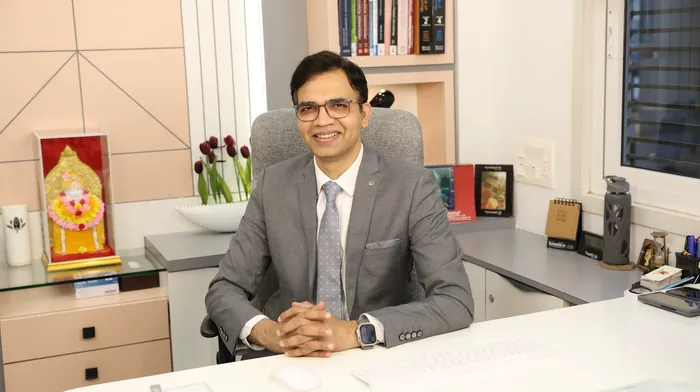
Dermatologists at Radiance Clinic, Dr. Nitin Barde and Dr. Radhika Barde, evaluate and treat complex acne scarring, textural irregularities, and skin laxity.

Dr. Nitin Barde
Dr. Nitin Barde is the Founder of Radiance Clinic and a dermatologist with over a decade of clinical experience. He completed his MD in Dermatology in Pune, followed by a Fellowship in Dermatosurgery (FRGUHS) in Bangalore. In 2014, he was awarded the International Society of Dermatologic Surgery (ISDS) Statesmen Award in Jerusalem.
Skin & Aesthetic Dermatology Expertise
- M.D. Dermatology, Pune
- Fellowship in Dermatosurgery (FRGUHS), Bangalore
- Over a decade of clinical experience in dermatology and laser aesthetic procedures

Dr. Radhika Barde
Dr. Radhika Barde is the Director and a Dermatologist at Radiance Clinic. She holds an MBBS, a DCH (Diploma in Child Health), and a DDV (Diploma in Dermatology, Venereology and Leprosy), and has completed a Fellowship in Aesthetic Dermatology (FAD). Her clinical practice includes aesthetic dermatology, laser pigment correction, and hair restoration.
Skin & Aesthetic Dermatology Expertise
- M.B.B.S, DCH, DDV
- Fellowship in Aesthetic Dermatology (FAD)
- Clinical background in medical and aesthetic dermatology


About Radiance Clinic
Radiance Clinic in Nagpur provides comprehensive, evidence-informed medical dermatology and aesthetic care, holding a 4.9-star rating from over 1,800 verified patient reviews. Founded by Dr. Nitin Barde and directed by Dr. Radhika Barde, the clinic combines advanced diagnostic precision with compassionate, individualized treatment plans designed for sustainable skin health.
The facility features modern procedural suites, dedicated consultation spaces, and strict medical sterilization standards, ensuring patient safety, comfort, and confidentiality at every visit. Conveniently located on the 2nd Floor of Panchavati Tower, Wardha Rd, beside Hitvada Press & Shatau Hospital, near Dhantoli, the clinic serves patients across Dhantoli, Ramdaspeth, and greater Nagpur with consultations available Monday to Saturday.
Explore Expert Skin & Scar Revision Guides
Explore dermatology, scar remodeling, and microneedling radiofrequency guides written and reviewed by our clinical dermatologists.

Dry Skin in Winter: A Dermatologist Guide to Winter Skin Care Routine in Nagpur
Winter brings pleasant weather to Nagpur and Central India, but it also brings dry northerly winds and sharp drops in atmospheric humidity. When indoor and outdoor humidity levels drop below 40%, the moisture gradient pulls water out of the stratum corneum through accelerated transepidermal water loss (TEWL). Without proactive routine adjustments, simple dryness quickly progresses into cracked skin, chapped lips, painful heels, or persistent winter itching. This guide explains the physiological mechanisms behind winter skin dehydration, outlines an evidence-based morning and evening winter skin care routine, provides comparison guidance between dry skin and eczema, and presents clinical solutions available at Radiance Clinic in Nagpur.

Dr. Radhika Barde
M.B.B.S, DCH, DDV, FAD

Pigmentation on Face: Melasma vs Sunspots vs Dark Spots - Which Treatment Actually Works
Pigmentation on the face requires targeted treatments rather than a one-size-fits-all approach. Chemical peels and laser pigmentation reduction work well for deep-rooted melasma and post-inflammatory marks, but proper diagnosis is the essential first step. Treating pigmentation early with a dermatologist ensures safe and lasting results for Indian skin tones. Pigmentation on the face requires targeted treatments rather than a one-size-fits-all approach. Chemical peels and laser pigmentation reduction work well for deep-rooted melasma and post-inflammatory marks, but proper diagnosis is the essential first step. Treating pigmentation early with a dermatologist ensures safe and lasting results for Indian skin tones.
Dr. Radhika Barde
M.B.B.S, DCH, DDV, FAD

Acne Scars: Boxcar, Rolling & Icepick and Which Treatment Works for Which Type
Different acne scars require highly specific clinical treatments to see real improvement. Icepick scars respond best to TCA Cross. Boxcar scars improve most with fractional lasers and Dermapen microneedling. Rolling scars require subcision to release tethered skin. Because most people have a complex combination of these scar types, a customized treatment plan from a dermatologist yields the safest and most effective results.
Dr. Nitin Barde
M.B.B.S, M.D, FRGUHS
Trusted by Thousands in Nagpur
Discover why people choose Radiance Clinic for premium treatments.

- ★★★★★
Dr. Nitin is exceptional! PRP sessions significantly helped my hair growth. Best place for hair and skin treatment in Nagpur!
- ★★★★★
Professional care tailored to my health. Dr. Nitin is knowledgeable and patient. Trustworthy clinic with very supportive staff!
- ★★★★★
Smooth, painless hair transplant with excellent post-op care. Feeling more confident already. Best dermatologist in Nagpur! 🤗🙏
- ★★★★★
Saw great improvement in my scalp and hair condition! Dr. Nitin is highly professional and knowledgeable. Highly recommended.
- ★★★★★
Best dermatology clinic in Nagpur! The team is highly experienced and they truly care about their patients' well-being.
- ★★★★★
Highly experienced dermatologist and skilled team. They truly care and provide great results for skin and hair. Great experience!
- ★★★★★
Radiance Clinic offers excellent skin treatment with professional and caring staff. I’ve seen great results and highly recommend it to anyone in Nagpur.
- ★★★★★
I came here for hair laser removal. Very nice service and treatment for fast. The clinic is hygienic and has positive environment. Amazing experience.
- ★★★★★
Friendly and supportive behavior. Perfect treatment and suggestions. Best doctor for skin and hair treatment in Nagpur!

Frequently Asked Questions
Get clarity on our advanced treatments from the leading skin doctor and hair clinic in Nagpur.