

Sclerotherapy in Nagpur
Home / Services / Skin / SclerotherapySclerotherapy in Nagpur provides targeted clinical care for spider veins and reticular vessels across the legs. Following medical assessment, a practitioner administers precision micro-injections to close visible veins, supporting an even skin appearance.
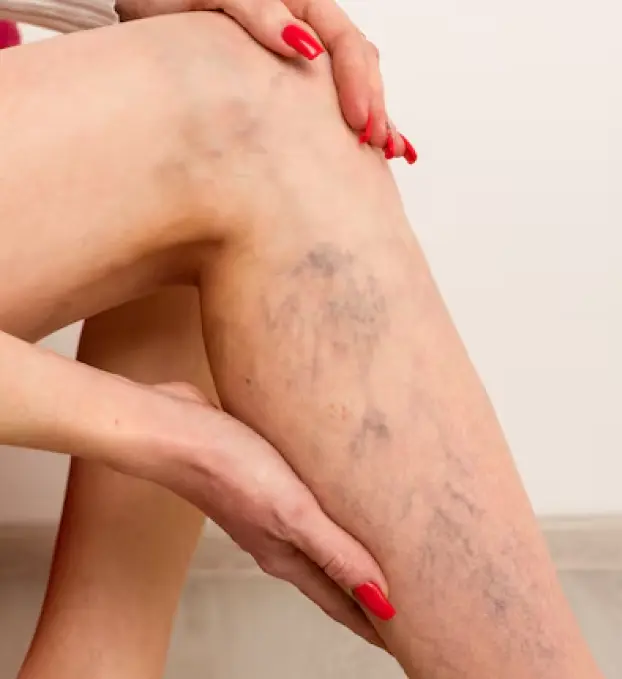
Quick Facts: Sclerotherapy Protocol
- Initial ConsultationFirst Step
Medical assessment and vascular pattern evaluation by a doctor.
- Clinical ScopeBest For
Spider veins and small reticular vessels across the legs.
- Delivery MethodApproach
Precision liquid or foam micro-injections.
- Clinical SettingDuration
Quick outpatient visit with minimal downtime.
- Aftercare PlanRecovery
Immediate walking; compression stockings worn for 1 to 2 weeks.
- Cost GuidancePrice
Consultation-based depending on vein volume and required sessions.
What Is Sclerotherapy Treatment?
Sclerotherapy treatment is a minimally invasive procedure designed for visible spider veins and small reticular vessels. A doctor administers precision sclerotherapy injections of liquid or foam sclerosant into targeted vessel walls, causing the lumen to collapse, seal shut, and gradually reabsorb over several weeks.
Spider veins frequently connect to deeper feeder vessels. Importantly, larger varicose veins exceeding roughly 3 to 4 mm, visible bulging veins, and symptomatic reflux require duplex assessment and may need referral to a vascular specialist.
Understanding Target Vein Calibers
Accurate vascular assessment ensures whether liquid micro-injections, foam sclerotherapy, or duplex referral is indicated:
Spider Veins (Telangiectasias)
Fine, superficial dilated venules that appear as red, blue, or purple web-like clusters on the surface of the legs, often driven by venous pressure or genetics.
Reticular Vessels (Feeder Veins)
Deeper, bluish-green subdermal vessels that frequently act as feeder sources for superficial spider veins, requiring precise targeted closure.
Endothelial Lumen Closure
The micro-injected sclerosant irritates the inner vessel lining, prompting controlled endothelial adhesion so the lumen seals shut and naturally reabsorbs over weeks.
Varicose Vein Duplex Triage
Prominent bulging varicose veins and symptomatic venous reflux exceed standard aesthetic micro-injection scope and require duplex ultrasound mapping and vascular specialist referral.
Key Benefits of Clinical Sclerotherapy
Undergoing evaluation at a dedicated aesthetic dermatology clinic provides structured medical supervision throughout the vein closure process. Treatment is precisely delivered by qualified doctors to ensure vessel lumina collapse safely while protecting cutaneous health.
What Medical Vein Management Delivers
| Clinical Focus | What It Aims to Deliver |
|---|---|
Vessel ClosureVascular Collapse | Aims to collapse dilated micro-vessels, fading visible spider webs across the legs. |
Symptom ReliefPhysical Comfort | Helps alleviate localized aching, heaviness, and mild throbbing associated with superficial venous engorgement. |
Targeted PrecisionRefined Micro-Dosing | Doctor-controlled dosing to minimize irritation and protect delicate surrounding tissue. |
Vascular AssessmentComprehensive Triage | Evaluates venous patterns, noting when duplex ultrasound is indicated to check for underlying venous reflux. |
Vessel Closure
Aims to collapse dilated micro-vessels, fading visible spider webs across the legs.
Symptom Relief
Helps alleviate localized aching, heaviness, and mild throbbing associated with superficial venous engorgement.
Targeted Precision
Doctor-controlled dosing to minimize irritation and protect delicate surrounding tissue.
Vascular Assessment
Evaluates venous patterns, noting when duplex ultrasound is indicated to check for underlying venous reflux.
How Does Liquid Sclerotherapy Compare to Foam Sclerotherapy and Laser?
A doctor selects a modality based on vessel diameter and venous depth:
| Feature | Liquid SclerotherapyFine Spider Vein Standard | Foam SclerotherapyAgitated Micro-Foam | Surface Vascular LaserNon-Invasive Laser Energy |
|---|---|---|---|
| Mechanism | Liquid sclerosant injection | Agitated gas-sclerosant foam | Transdermal laser energy |
| Best Suited For | Fine spider veins (<1 mm) | Often preferred for larger veins | Superficial facial capillaries |
| Action | Displaces blood minimally | Displaces blood more effectively than liquid | Coagulates hemoglobin |
| Sessions | 2 to 4 sessions | 1 to 3 sessions | Varies by vessel diameter |
| Compression | Required for 1 to 2 weeks | Required for 1 to 2 weeks | Usually not required |
How Is the Sclerotherapy Procedure Performed?
The sclerotherapy procedure is performed in an outpatient clinical setting by a qualified doctor through four methodical steps:
Mapping
The doctor inspects vessel patterns under transillumination to identify target veins, feeder connections, and superficial caliber.
Preparation
The skin is prepped with antiseptic, following clinical instructions to avoid leg lotions or oils prior to the appointment.
Targeted Delivery
Ultra-fine needles administer liquid or foam sclerotherapy injections directly into each dysfunctional lumen with controlled micro-doses.
Compression
Gauze pads and graduated compression stockings are immediately applied to maintain vessel wall apposition and support closure.
Is Sclerotherapy Safe? Consultation and Candidacy
During consultation, the doctor checks medical history, including sclerosant allergies, prior clots, clotting disorders, pregnancy, breastfeeding, severe immobility, and a review of blood-thinning medication. Sclerotherapy is safe for suitable candidates when administered by a trained doctor. While localized bruising and itching are common, potential sclerotherapy side effects include hemosiderin staining, neovascular matting, superficial thrombophlebitis, and rare ulceration from extravasation. Rare serious risks include allergic reaction, deep vein thrombosis, and with foam injections, transient visual disturbance, migraine, or rarely stroke, which the doctor reviews beforehand.
Thrombosis & Clotting Assessment
The doctor reviews prior deep vein thrombosis (DVT), superficial thrombophlebitis, inherited clotting disorders (thrombophilia), and current anticoagulant medication.
Pregnancy & Lactation Contraindications
Sclerotherapy is deferred during pregnancy and breastfeeding until physiological hormone levels stabilize and natural postpartum vein remodeling concludes.
Sclerosant Sensitivity Checks
Detailed screening identifies previous drug allergies, sensitivities to sclerosants such as polidocanol or sodium tetradecyl sulfate, and concurrent antiplatelet use.
Ambulatory Health Verification
Immediate and sustained walking is a cornerstone of safe recovery; patients with severe immobility or high risk of stasis are screened carefully.
Understanding Potential Side Effects
Localized Bruising & Itching
Mild erythema, minor swelling, and localized tenderness around injection sites, which naturally resolve over several days.
Hemosiderin Staining & Matting
Micro-iron deposits from trapped red blood cells can leave faint brownish marks that fade over months, or tiny telangiectatic matting clusters.
Superficial Phlebitis & Extravasation
Localized vein firmness (superficial thrombophlebitis) or rare skin irritation from micro-extravasation, managed with targeted clinical follow-up.
When to Seek Urgent Medical Evaluation
While serious complications following sclerotherapy are uncommon when performed under strict medical guidance, sudden symptoms warrant immediate clinical intervention rather than routine scheduling:
Sudden Calf Swelling or Severe Pain
Acute swelling, warmth, or deep calf tenderness in one leg requires immediate medical evaluation and urgent duplex ultrasound.
Shortness of Breath or Chest Pain
Sudden onset of respiratory difficulty, pleuritic chest discomfort, or rapid heart rate requires emergency medical care.
Transient Visual Aura or Severe Migraine
Rare transient visual disturbances, scintillating scotomas, or atypical headaches following foam administration necessitate prompt doctor review.
Sclerotherapy Aftercare and Recovery
Adherence to sclerotherapy aftercare instructions supports optimal vessel closure and minimizes unwanted pigmentation. Following injections, patients must wear graduated compression stockings for 1 to 2 weeks as directed. Regular daily walking is strongly encouraged immediately after treatment to promote healthy deep venous blood flow. Patients should avoid hot baths, saunas, strenuous heavy lifting, and direct sun exposure for two weeks. When reviewing sclerotherapy before and after progress, treated veins fade over several weeks to a few months. If temporary hemosiderin staining persists along treated tracks, targeted pigmentation reduction therapies can assist skin clarity.
Graduated Compression Stockings (1 to 2 Weeks)
Immediate Daily Walking
Avoid Hot Baths, Saunas & Heavy Lifting
Sun Avoidance & Skin Clarity
What Influences the Sclerotherapy Cost in Nagpur?
Sclerotherapy cost in Nagpur varies based on individual vascular presentation rather than a flat fee. Overall pricing depends on whether treatment requires liquid injections or advanced foam sclerotherapy, the total number of vessels treated, anatomical spread, and required sessions. Extensive bilateral spider vein networks necessitate more clinical time and sclerosant volume than small localized clusters. During consultation, the doctor performs a physical examination and provides a clear, personalized cost estimate to help ensure transparent expectations before proceeding.
Liquid vs Foam Modality
Fine superficial capillaries typically involve liquid micro-sclerosant, whereas deeper or larger reticular vessels require physician-prepared agitated micro-foam.
Number of Vessels & Surface Area
Extensive bilateral spider vein networks across calves and thighs require greater clinical time and sclerosant volume than localized singular clusters.
Required Session Count
Liquid sclerotherapy for fine vessels often involves 2 to 4 sessions, while foam sclerotherapy for reticular vessels typically ranges from 1 to 3 sessions.
Clinical Mapping & Duplex Indication
Care includes doctor evaluation and vessel transillumination, identifying cases that need duplex ultrasound assessment for underlying venous reflux.
Who Administers Treatments at Radiance Clinic?
At Radiance Clinic, an experienced dermatologist manages each treatment, helping ensure that the procedure is tailored to individual skin characteristics and lesion profiles.

Dr. Nitin Barde
Dr. Nitin Barde is the Founder of Radiance Clinic and a dermatologist with over a decade of clinical experience. He completed his MD in Dermatology in Pune, followed by a Fellowship in Dermatosurgery (FRGUHS) in Bangalore. In 2014, he was awarded the International Society of Dermatologic Surgery (ISDS) Statesmen Award in Jerusalem.
Skin & Aesthetic Dermatology Expertise
- M.D. Dermatology, Pune
- Fellowship in Dermatosurgery (FRGUHS), Bangalore
- Over a decade of clinical experience in dermatology and aesthetic procedures

Dr. Radhika Barde
Dr. Radhika Barde is a Dermatologist at Radiance Clinic. She holds an MBBS, a DCH (Diploma in Child Health), and a DDV (Diploma in Dermatology, Venereology and Leprosy), and has completed a Fellowship in Aesthetic Dermatology (FAD). Her clinical practice includes aesthetic and cosmetic dermatology, alongside her focus on female pattern hair loss and diffuse thinning.
Skin & Aesthetic Dermatology Expertise
- M.B.B.S, DCH, DDV
- Fellowship in Aesthetic Dermatology (FAD)
- Clinical background in aesthetic dermatology and skin health
About Radiance Clinic
Radiance Clinic is a leading centre for dermatology and aesthetic treatments in Nagpur. Known for a patient-first approach and a 4.9-star review rating from over 1,800 verified patient reviews, the clinic provides advanced, evidence-based care in a safe and comfortable environment.
The clinic is conveniently located at 2nd Floor, Panchavati Tower, Wardha Rd, beside Hitvada Press & Shatau Hospital, near Dhantoli. Serving patients across Dhantoli, Ramdaspeth, and central Nagpur, the facility ensures privacy and excellence in every visit.
Google Reviews
Discover why people choose Radiance Clinic for premium treatments.

- ★★★★★
Dr. Nitin is exceptional! PRP sessions significantly helped my hair growth. Best place for hair and skin treatment in Nagpur!
- ★★★★★
Professional care tailored to my health. Dr. Nitin is knowledgeable and patient. Trustworthy clinic with very supportive staff!
- ★★★★★
Smooth, painless hair transplant with excellent post-op care. Feeling more confident already. Best dermatologist in Nagpur! 🤗🙏
- ★★★★★
Saw great improvement in my scalp and hair condition! Dr. Nitin is highly professional and knowledgeable. Highly recommended.
- ★★★★★
Best dermatology clinic in Nagpur! The team is highly experienced and they truly care about their patients' well-being.
- ★★★★★
Highly experienced dermatologist and skilled team. They truly care and provide great results for skin and hair. Great experience!
- ★★★★★
Radiance Clinic offers excellent skin treatment with professional and caring staff. I’ve seen great results and highly recommend it to anyone in Nagpur.
- ★★★★★
I came here for hair laser removal. Very nice service and treatment for fast. The clinic is hygienic and has positive environment. Amazing experience.
- ★★★★★
Friendly and supportive behavior. Perfect treatment and suggestions. Best doctor for skin and hair treatment in Nagpur!

Frequently Asked Questions
Get clarity on our advanced treatments from the leading skin doctor and hair clinic in Nagpur.
Explore Expert Skin Care Insights
Explore clinical dermatology guides and aesthetic vein management advice written and reviewed by our dermatologists.

Dry Skin in Winter: A Dermatologist Guide to Winter Skin Care Routine in Nagpur
Winter brings pleasant weather to Nagpur and Central India, but it also brings dry northerly winds and sharp drops in atmospheric humidity. When indoor and outdoor humidity levels drop below 40%, the moisture gradient pulls water out of the stratum corneum through accelerated transepidermal water loss (TEWL). Without proactive routine adjustments, simple dryness quickly progresses into cracked skin, chapped lips, painful heels, or persistent winter itching. This guide explains the physiological mechanisms behind winter skin dehydration, outlines an evidence-based morning and evening winter skin care routine, provides comparison guidance between dry skin and eczema, and presents clinical solutions available at Radiance Clinic in Nagpur.

Dr. Radhika Barde
M.B.B.S, DCH, DDV, FAD

Pigmentation on Face: Melasma vs Sunspots vs Dark Spots - Which Treatment Actually Works
Pigmentation on the face requires targeted treatments rather than a one-size-fits-all approach. Chemical peels and laser pigmentation reduction work well for deep-rooted melasma and post-inflammatory marks, but proper diagnosis is the essential first step. Treating pigmentation early with a dermatologist ensures safe and lasting results for Indian skin tones. Pigmentation on the face requires targeted treatments rather than a one-size-fits-all approach. Chemical peels and laser pigmentation reduction work well for deep-rooted melasma and post-inflammatory marks, but proper diagnosis is the essential first step. Treating pigmentation early with a dermatologist ensures safe and lasting results for Indian skin tones.
Dr. Radhika Barde
M.B.B.S, DCH, DDV, FAD

Acne Scars: Boxcar, Rolling & Icepick and Which Treatment Works for Which Type
Different acne scars require highly specific clinical treatments to see real improvement. Icepick scars respond best to TCA Cross. Boxcar scars improve most with fractional lasers and Dermapen microneedling. Rolling scars require subcision to release tethered skin. Because most people have a complex combination of these scar types, a customized treatment plan from a dermatologist yields the safest and most effective results.

Dr. Nitin Barde
M.B.B.S, M.D, FRGUHS