

Herpes Treatment in Nagpur
Home / Services / Skin / Herpes TreatmentHerpes Treatment in Nagpur
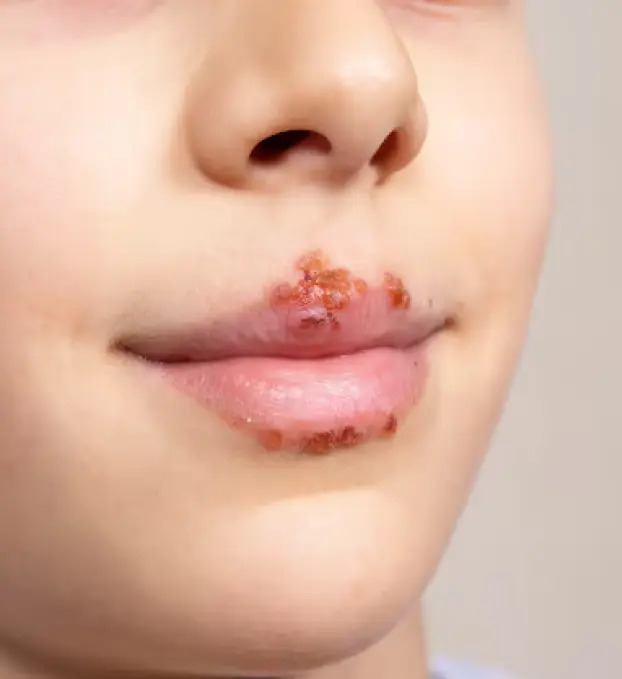
Herpes simplex is a recurrent viral skin infection caused by herpes simplex virus type 1 or type 2, characterized by painful, fluid-filled vesicular eruptions on an erythematous base. For herpes treatment in Nagpur, Radiance Clinic provides dermatologist-led antiviral protocols, clinical diagnostic staging, and suppressive therapies to manage active lesions and reduce recurrence risk.
Treatment Quick Facts
- First Step
Clinical dermatological examination and lesion evaluation, with viral PCR or Tzanck diagnostic testing when indicated.
- Best For
Active or recurrent cold sores (herpes labialis), genital herpes, localized herpes rashes, and frequent recurring outbreaks.
- Treatment Options Include
Prescription oral antiviral pharmacotherapy started ideally within 72 hours of onset, daily suppressive therapy, and barrier wound care.
- Clinical Response
Inhibits viral replication within 24 to 48 hours; helps shorten recurrent episodes by roughly 1 to 2 days, and primary episodes more, when started early.
- Care Quality & Discretion
Confidential, non-judgmental medical consultation with kidney-calibrated dosing and personalized partner protection guidance.
- Price
There is no fixed price; costs are determined during clinical consultation, depending on whether care requires diagnostic testing, acute episodic therapy, or long-term suppressive protocols.
What Is Herpes Simplex?
Herpes simplex virus (HSV) is a contagious viral infection categorized into two types: HSV-1, which predominantly causes oral cold sores (herpes labialis), and HSV-2, which primarily causes genital herpes, though oral-genital contact creates overlap. Following initial infection, the virus enters local sensory nerves and establishes lifelong dormancy within sensory nerve ganglia.
When reactivated by stress, fever, sun exposure, hormonal shifts, or skin friction, the virus travels back to epithelial surfaces. Recurrences typically start with a 6 to 48 hour prodrome of localized tingling, burning, or itching, followed by clustered, painful blisters on an erythematous base that crust over 7 to 14 days. Accurate diagnosis differentiates herpes from other conditions like fungal infections, which present with expanding scaly plaques rather than neural prodromes or fluid-filled vesicles, requiring targeted care described under fungal infection treatment.
HSV-1: Oral Herpes (Cold Sores / Herpes Labialis)
Primarily affects the vermilion border of the lips, perioral skin, and oral mucosa. Outbreaks begin with localized tingling or numbness, rapidly evolving into tight clusters of clear fluid-filled vesicles that rupture into painful erosions before forming protective crusts.
HSV-2: Genital Herpes & Intimate Cutaneous Infections
Anogenital Vesicles & Ulcers
Causes painful ulcerations in the vulva, penis, perineum, or buttocks, often accompanied by localized lymphadenopathy and painful micturition during primary episodes.
Sacral Ganglia Dormancy
HSV-2 resides quietly in sacral nerve roots between outbreaks, capable of subclinical viral shedding that benefits from daily suppressive antiviral therapy.
Our dermatologists provide confidential clinical evaluation and empathetic, evidence-based antiviral therapy that significantly diminishes recurrence frequency and reduces partner transmission risk.
Distinguishing Herpes Simplex, Herpes Zoster, and Fungal Skin Rashes
Dermatological evaluation accurately differentiates viral vesicles from nerve band zoster and inflammatory fungal plaques:
| Clinical Parameter | Herpes Simplex (HSV-1 / HSV-2) | Herpes Zoster (Shingles / VZV) | Fungal Skin Infections (Tinea / Candida) |
|---|---|---|---|
| Pathogen | Herpes simplex virus type 1 or 2 | Varicella zoster virus (reactivated) | Dermatophytes or Candida yeast species |
| Lesion Pattern | Clustered vesicles on erythematous base | Unilateral dermatomal band of vesicles | Expanding scaly plaque with active borders |
| Prodromal Sensation | Localized burning, tingling, or itching | Intense radicular pain along single nerve | Mild to moderate persistent itching |
| Recurrence Rate | Frequent recurrent outbreaks at same site | Typically single lifetime occurrence | Recurrent only upon continuous reinfection |
| Standard Therapy | Systemic oral antiviral medicines | High-dose oral antiviral medicines | Topical or oral antifungal medications (detailed under fungal infection treatment) |
Clinical Herpes Treatment Overview
Medical herpes treatment aims to inhibit viral replication, relieve acute neuralgia, and suppress recurrent outbreaks. For evidence-based herpes treatment in India, the clinical standard relies on prescription oral antiviral medicines. These are available in formulations with varying bioavailability and dosing convenience, and the doctor selects the most appropriate option based on the individual patient's profile. Over-the-counter topical creams offer only modest benefit, shortening cold sores by about half a day, making systemic oral antivirals the clinical foundation of care.
Dermatologists tailor treatment based on whether a patient requires herpes labialis treatment for oral cold sores or genital herpes treatment for intimate discomfort:
Acute Episodic Therapy
Antivirals work best when started early, so visit Radiance Clinic at the first tingling or burning, ideally within 72 hours. Early treatment inhibits viral replication, helps limit lesion expansion, and shortens recurrent episodes by roughly 1 to 2 days (and primary episodes more).
Daily Suppressive Therapy
For patients with frequent outbreaks (six or more annually) or high transmission concern, continuous low-dose oral antiviral medicines reduce annual recurrences by 70 to 80 percent. Your dermatologist will design a tailored suppressive protocol to help protect intimate partners, with daily antiviral therapy shown to reduce partner transmission risk by roughly 48 percent.
Key Benefits of Clinical Herpes Management
Consulting a dermatologist for structured herpes management provides clinical diagnostic evaluation, effective symptom management, and long-term recurrence suppression:
| Clinical Objective | What Dermatologist-Led Care Aims to Deliver |
|---|---|
Viral Replication Control | Inhibits viral DNA synthesis within 24 to 48 hours when started during early prodrome. |
Accelerated Healing | Helps shorten recurrent episodes by roughly 1 to 2 days, and primary episodes more, when started early. |
Nerve Pain Relief | Alleviates distressing localized burning, shooting neuralgic discomfort, and tissue tenderness. |
Recurrence Suppression | Lowers recurring outbreaks by 70% to 80% with ongoing daily suppressive therapy. |
Transmission Risk Reduction | Dermatologist-prescribed daily suppressive therapy reduces partner transmission risk by roughly 48%. |
How Do Clinical Treatment Regimens Compare?
Herpes simplex management is structured across acute episodic therapy, long-term suppressive protocols, and supportive skin care based on outbreak frequency and clinical severity:
| Feature | Acute Episodic Antiviral Therapy | Chronic Suppressive Antiviral Therapy | Supportive Dermatological Care |
|---|---|---|---|
| Primary Goal | Inhibits active viral replication and promotes faster episode healing | Minimizes outbreak frequency and reduces asymptomatic shedding | Protects open erosions, soothes discomfort, and helps guard against secondary bacterial infection |
| Best Suited For | Infrequent outbreaks (fewer than 6 episodes per year) | Frequent recurrences (6 or more annually) or high transmission risk | Adjunct therapy for all active open vesicular or ulcerated lesions |
| Key Medications | Prescription oral antiviral medicines at therapeutic doses | Daily low-dose prescription oral antiviral medicine over 6 to 12 months | Physiological saline, barrier creams, and mild analgesics |
| Administration | Short 1 to 5 day course started ideally at prodrome, within 72 hours of onset | Daily ongoing oral tablet with annual clinical reassessment | Topical application 2 to 3 times daily to clean dry skin |
| Safety Monitoring | Well-tolerated; requires renal function checks if kidney disease | Periodic monitoring of renal parameters and clinical tolerance | Non-irritating formulations without topical sensitizing agents |
| Typical Response | Helps shorten recurrent episodes by roughly 1 to 2 days; accelerates lesion crusting | 70% to 80% reduction in outbreaks with daily suppressive therapy; lowers partner transmission risk by roughly 48% | Immediate local soothing and barrier protection |
How Is Herpes Assessed and Managed Clinically?
Clinical herpes management follows a structured, four-step dermatological protocol:
Clinical Examination & Staging
The doctor evaluates lesion morphology, anatomical location (oral or genital), recurrence frequency, and prodromal symptoms to determine whether the infection is primary or recurrent.
Confirmatory Diagnostics (When Needed)
In typical presentations, herpes is diagnosed clinically without mandatory swabs. When confirmation is required, viral PCR swabs are preferred over Tzanck smears. For genital lesions, comprehensive STI screening for syphilis, HIV, and hepatitis B is strongly advised.
Targeted Antiviral Initiation
The physician prescribes prescription oral antiviral medicine calibrated to kidney function, timing of onset, and episode severity to halt viral DNA replication promptly.
Suppression & Prevention Planning
Your dermatologist designs long-term suppressive regimens, identifies individual triggers (UV, stress, friction), and provides partner protection guidance for frequent recurrences.
Is Herpes Treatment Safe? Precautions, Candidacy, and Urgent Care
Prescription antivirals are safe and well-tolerated. During consultation, dermatologists screen for specific medical factors:
Kidney Function & Medical History
Our dermatologist adjusts treatment to your kidney function and medical history, calibrating antiviral dosages when creatinine clearance is below 50 mL/min to minimize risks of crystalluria or neurotoxicity. Patients maintain good hydration during active antiviral regimens.
Pregnancy & Breastfeeding Protocols
Prescription oral antiviral medicines have an extensive safety record and are preferred for use during pregnancy under medical supervision. Daily suppressive therapy from 36 weeks gestation significantly reduces viral shedding; cesarean delivery is indicated if active lesions or prodromes persist at labor.
Immunocompromised Care
Your dermatologist will customize antiviral dosing and monitor for resistant strains if immune function is compromised. Extended courses, higher dosages, or alternative antiviral formulations are calibrated to maintain viral suppression and protect delicate tissues.
When to Seek Urgent Medical Care
Seek emergency medical care immediately if blisters develop near the eyes (herpes keratitis), spread rapidly across eczema (eczema herpeticum), or accompany high fever, stiff neck, confusion, or acute urinary retention.
Flare Prevention, Trigger Management, and Transmission Control
Antivirals work best when started early, so visit Radiance Clinic at the first tingling or burning, ideally within 72 hours. Our dermatologists guide you on trigger control, healthy lifestyle balance, and confidential partner protection protocols.
What Influences Herpes Treatment Cost in Nagpur?
Because herpes care requires customized prescription pharmacotherapy, there is no fixed price for treatment. Total expenses are determined during clinical consultation based on key clinical factors:
Diagnostic Testing
Typical cases need only clinical examination, while atypical cases may require viral PCR swabs or comprehensive STI blood screening.
Medication Selection
Prescriptions vary between standard oral antiviral formulations with differing bioavailability and dosing convenience, selected based on the individual patient's clinical profile.
Regimen Duration
Short 1 to 5 day acute episodic courses carry different medication costs than ongoing 6 to 12 month daily suppressive therapy protocols.
Supportive Care
Inclusion of physiological barrier topicals, wound soothing cleansers, pain management, and structured follow-up evaluations.
At Radiance Clinic, all treatment options and prescription costs are transparently discussed during consultation with our dermatologists.
Who Administers Treatments at Radiance Clinic?
At Radiance Clinic, an experienced dermatologist manages each treatment, helping ensure that the procedure is tailored to individual skin characteristics and lesion profiles.

Dr. Nitin Barde
Dr. Nitin Barde is the Founder of Radiance Clinic and a dermatologist with over a decade of clinical experience. He completed his MD in Dermatology in Pune, followed by a Fellowship in Dermatosurgery (FRGUHS) in Bangalore. In 2014, he was awarded the International Society of Dermatologic Surgery (ISDS) Statesmen Award in Jerusalem.
Skin & Aesthetic Dermatology Expertise:
- M.D. Dermatology, Pune: Comprehensive academic and clinical training in dermatology, venereology, and viral infections.
- Fellowship in Dermatosurgery (FRGUHS), Bangalore: Advanced sub-specialization in procedural dermatology and skin barrier restoration.
- Over a Decade of Clinical Practice: Dedicated to evidence-based management of complex dermatological conditions and recurrent viral dermatoses.

Dr. Radhika Barde
Dr. Radhika Barde is the Director and a Dermatologist at Radiance Clinic. She holds an MBBS, a DCH (Diploma in Child Health), and a DDV (Diploma in Dermatology, Venereology and Leprosy), and has completed a Fellowship in Aesthetic Dermatology (FAD). Her clinical practice includes aesthetic and cosmetic dermatology, alongside her focus on female pattern hair loss and diffuse thinning.
Skin & Aesthetic Dermatology Expertise:
- M.B.B.S, DCH, DDV: Comprehensive clinical qualification spanning pediatric medicine, dermatology, and venereology.
- Fellowship in Aesthetic Dermatology (FAD): Clinical expertise in cutaneous biology, gentle topical wound care, and sensitive skin restoration.
- Clinical Background in Aesthetic Dermatology & Skin Health: Focused on holistic patient counseling, non-judgmental care, and long-term recurrence management.
About Radiance Clinic
Radiance Clinic is a leading centre for dermatology and aesthetic treatments in Nagpur. Known for a patient-first approach and a 4.9-star review rating from over 1,800 patients, the clinic provides advanced, evidence-based care in a safe, comfortable, and discreet environment.
The clinic is conveniently located at 2nd Floor, Panchavati Tower, Wardha Rd, beside Hitvada Press & Shatau Hospital. Serving patients across Dhantoli, Ramdaspeth, and central Nagpur, our facility ensures complete confidentiality, compassionate counseling, and medical excellence in every consultation.
Explore Expert Skin Care Insights
Explore clinical dermatology guides and viral skin infection advice written and reviewed by our dermatologists.

Dry Skin in Winter: A Dermatologist Guide to Winter Skin Care Routine in Nagpur
Winter brings pleasant weather to Nagpur and Central India, but it also brings dry northerly winds and sharp drops in atmospheric humidity. When indoor and outdoor humidity levels drop below 40%, the moisture gradient pulls water out of the stratum corneum through accelerated transepidermal water loss (TEWL). Without proactive routine adjustments, simple dryness quickly progresses into cracked skin, chapped lips, painful heels, or persistent winter itching. This guide explains the physiological mechanisms behind winter skin dehydration, outlines an evidence-based morning and evening winter skin care routine, provides comparison guidance between dry skin and eczema, and presents clinical solutions available at Radiance Clinic in Nagpur.

Dr. Radhika Barde
M.B.B.S, DCH, DDV, FAD
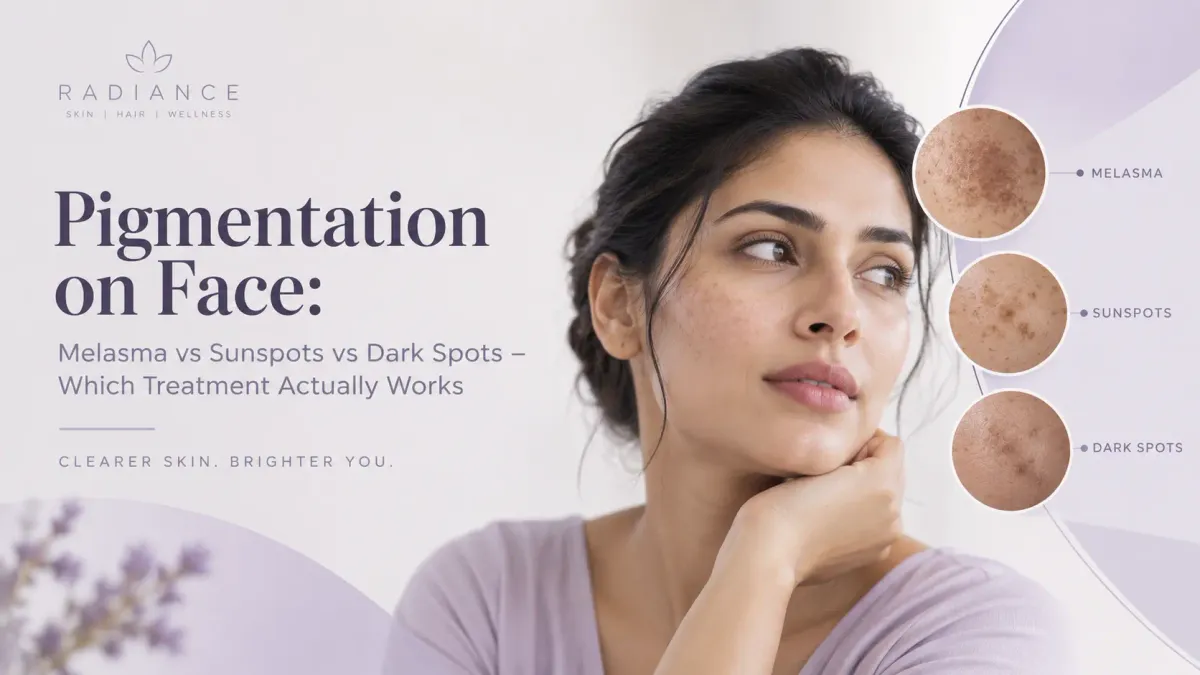
Pigmentation on Face: Melasma vs Sunspots vs Dark Spots - Which Treatment Actually Works
Pigmentation on the face requires targeted treatments rather than a one-size-fits-all approach. Chemical peels and laser pigmentation reduction work well for deep-rooted melasma and post-inflammatory marks, but proper diagnosis is the essential first step. Treating pigmentation early with a dermatologist ensures safe and lasting results for Indian skin tones. Pigmentation on the face requires targeted treatments rather than a one-size-fits-all approach. Chemical peels and laser pigmentation reduction work well for deep-rooted melasma and post-inflammatory marks, but proper diagnosis is the essential first step. Treating pigmentation early with a dermatologist ensures safe and lasting results for Indian skin tones.
Dr. Radhika Barde
M.B.B.S, DCH, DDV, FAD
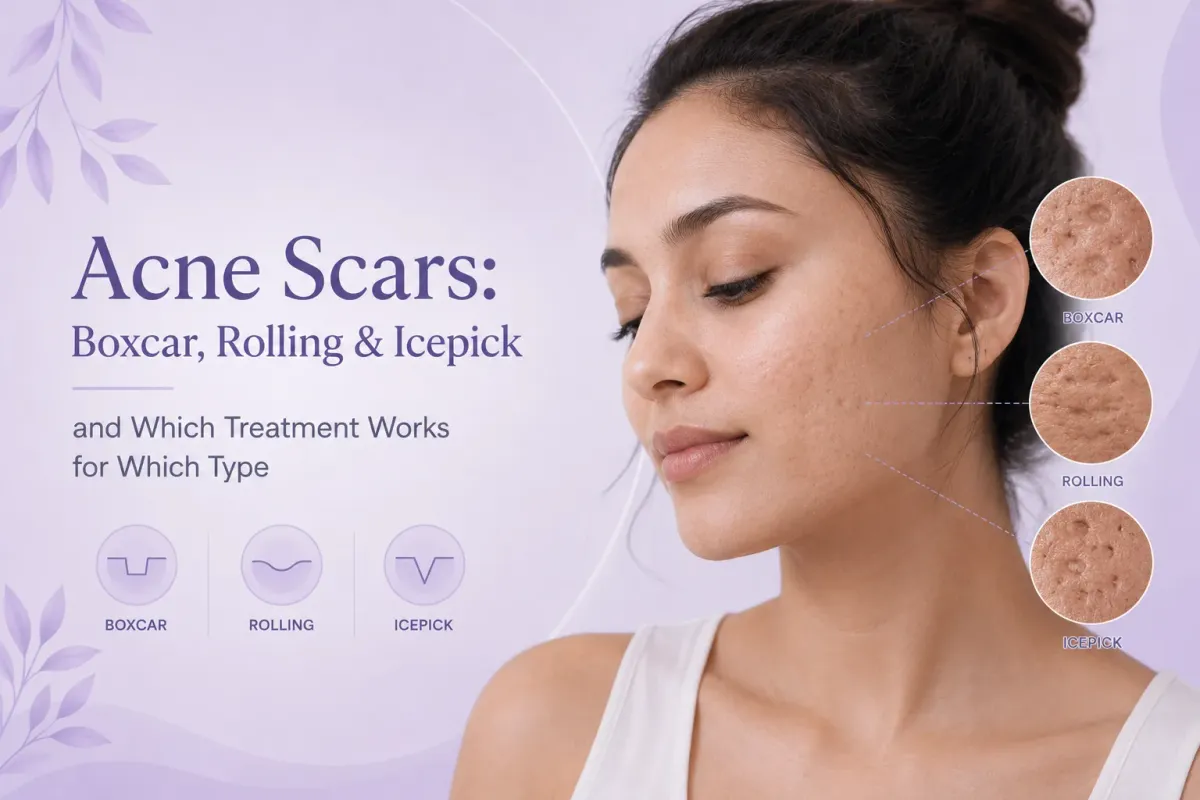
Acne Scars: Boxcar, Rolling & Icepick and Which Treatment Works for Which Type
Different acne scars require highly specific clinical treatments to see real improvement. Icepick scars respond best to TCA Cross. Boxcar scars improve most with fractional lasers and Dermapen microneedling. Rolling scars require subcision to release tethered skin. Because most people have a complex combination of these scar types, a customized treatment plan from a dermatologist yields the safest and most effective results.

Dr. Nitin Barde
M.B.B.S, M.D, FRGUHS
Trusted by Thousands in Nagpur
Discover why people choose Radiance Clinic for premium treatments.

- ★★★★★
Dr. Nitin is exceptional! PRP sessions significantly helped my hair growth. Best place for hair and skin treatment in Nagpur!
- ★★★★★
Professional care tailored to my health. Dr. Nitin is knowledgeable and patient. Trustworthy clinic with very supportive staff!
- ★★★★★
Smooth, painless hair transplant with excellent post-op care. Feeling more confident already. Best dermatologist in Nagpur! 🤗🙏
- ★★★★★
Saw great improvement in my scalp and hair condition! Dr. Nitin is highly professional and knowledgeable. Highly recommended.
- ★★★★★
Best dermatology clinic in Nagpur! The team is highly experienced and they truly care about their patients' well-being.
- ★★★★★
Highly experienced dermatologist and skilled team. They truly care and provide great results for skin and hair. Great experience!
- ★★★★★
Radiance Clinic offers excellent skin treatment with professional and caring staff. I’ve seen great results and highly recommend it to anyone in Nagpur.
- ★★★★★
I came here for hair laser removal. Very nice service and treatment for fast. The clinic is hygienic and has positive environment. Amazing experience.
- ★★★★★
Friendly and supportive behavior. Perfect treatment and suggestions. Best doctor for skin and hair treatment in Nagpur!

Frequently Asked Questions
Get clarity on our advanced treatments from the leading skin doctor and hair clinic in Nagpur.