
Ingrown Toenail Treatment in Nagpur
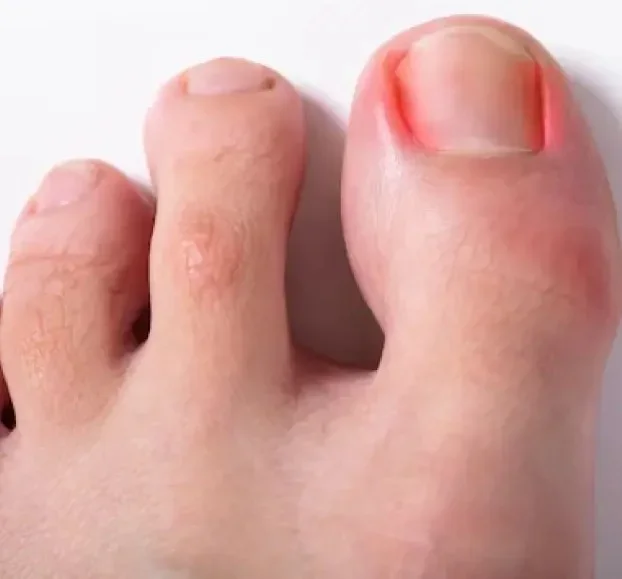
Home / Services / Nail / Ingrown Toenail TreatmentAn ingrown toenail, or onychocryptosis, occurs when the edge or corner of the nail grows into or presses against the soft skin beside it. This condition most often affects the big toe, leading to pain, redness, and swelling. Treatment options range from conservative correction for mild cases to minor surgical removal for infected or recurrent issues. The appropriate approach is decided by our dermatologists during an assessment. Surgical options are performed comfortably under local anaesthetic.
Treatment Quick Facts
- Best For
Painful, infected, or recurrent toenails
- Approach
Conservative correction or minor surgical edge removal
- Anaesthesia
Painless local anaesthetic (digital block)
- Recovery
Walking possible soon after; heals in a few weeks
- Duration
Confirmed at consultation
- Pricing
Surgery starting from ₹8,000
What Is an Ingrown Toenail and What Causes It?
An ingrown toenail (onychocryptosis) occurs when the edge or corner of the nail grows into or presses into the soft skin beside it. It most often affects the big toe. Several common factors contribute to this condition. Wearing footwear that is too tight or narrow can force the nail into the skin. Cutting nails too short or rounding the corners, rather than trimming straight across, is another frequent cause. An injury to the toe can also lead to an ingrown nail. Additionally, people with naturally curved or "pincer" nails, and those with thickened nails, including nails thickened by a fungal infection are more susceptible to developing the condition over time.
Wearing footwear that is too tight or narrow forcing the nail into skin
Cutting nails too short or rounding corners instead of straight across
Trauma or direct mechanical injury to the toe and surrounding nail fold
Naturally curved "pincer" nails or fungal nail thickening over time
What Are the Symptoms and When Should You See a Doctor?
Symptoms of an ingrown toenail include pain along the nail edge, redness, swelling, and tenderness to pressure. If the area becomes infected, you may notice increasing redness or swelling, warmth, and pus or drainage. In longstanding cases, overgrown tissue known as "proud flesh" can develop along the nail fold.
You should see a doctor promptly if you experience spreading redness, pus, fever, severe pain, or repeated episodes. People with diabetes, poor circulation, or reduced feeling in the feet are at higher risk of complications. They should not self-treat and must seek medical care early. Do not cut into the skin or dig out the nail edge yourself, as this can worsen infection.
What Are the Treatment Options for an Ingrown Toenail?
For mild, uninfected cases, conservative measures can provide relief. These include warm-water soaks, straight-across nail trimming, and wearing roomy footwear. A doctor may perform ingrown toenail correction by placing a small piece of cotton, gauze, or a splint under the nail edge to lift it away from the skin. If the toe is infected, a doctor may prescribe antibiotics; however, antibiotics do not remove the embedded nail edge and cannot fix the underlying cause on their own. For persistent, painful, infected, or recurrent cases, minor surgery such as ingrowing toenail removal may be recommended. The standard surgical approach addresses the embedded section to resolve the tissue pressure.
- Warm-water soaks and hygienic foot soaks
- Straight-across trimming and roomy footwear
- Nail splinting or gauze placement by a doctor to lift the nail edge
- Removal of the embedded edge under painless local digital block
- Matrix cauterization or chemical treatment to prevent regrowth
- Protective sterile dressing and permanent relief from tissue pressure
How Is Ingrown Toenail Surgery Done?
During ingrown toe nail surgery, the doctor begins with an assessment of the toe. The standard approach is minor corrective edge removal. The doctor administers a local anaesthetic at the base of the toe, called a digital block, which numbs the area completely. Once numb, the doctor gently removes only the ingrown edge of the nail, which is usually a narrow strip. Depending on the case, this may be followed by root treatment to prevent regrowth. After the procedure, a sterile protective dressing is applied. For more details on our clinical procedures, see our Nail Surgery page.
Pre-Op Assessment
Thorough evaluation of the toe tissue, lateral nail folds, and any active inflammation.
Digital Block Anesthesia
Local anesthetic administered at the base of the toe for a painless procedure.
Corrective Edge Removal
Meticulous removal of only the problematic, ingrown narrow strip of nail.
Root Treatment & Dressing
Targeted recurrence prevention followed by application of a protective sterile dressing.
Watch: Clinical Ingrown Toenail Corrective Procedure
Observe how our nail specialist performs a gentle digital block, precision corrective removal, and protective wound dressing.
Why Is Nail Root Management Needed?
Root treatment addresses the specific corner of the nail matrix responsible for producing the ingrown edge. When performing partial edge removal, treating the root tissue stops that specific strip from recurring, leaving the nail cosmetically neat and slightly narrower. Clinical evidence confirms that combining root treatment with edge correction drastically reduces recurrence compared to simple nail clipping alone.
Clinical Approaches for Long-Term Prevention
Dermatologists select from proven clinical modalities to manage the nail root and prevent recurring edge growth. The doctor discusses the most suitable method during your initial consultation based on whether this is a first-time flare or a chronic, recurrent condition.
Is Ingrown Toenail Surgery Painful, and What Is Recovery Like?
The procedure is performed under local anaesthetic, which numbs the toe to minimize pain. After the anaesthetic wears off, patients commonly feel mild tenderness or throbbing, which is managed as advised by the doctor. Healing usually takes a few weeks. Walking is generally possible soon after with open, roomy footwear. Mild, temporary drainage is normal as the treated root edge heals. Nails grow slowly, and if a nail is fully removed, it can take several months to regrow completely.
What Are the Risks and Side Effects?
As with any minor surgical procedure, there are risks involved. Potential side effects include mild soreness, temporary bleeding, and infection if wound care is neglected. The procedure can also result in a slight narrowing of the nail border, as the treated edge is designed not to grow back. Rarely, a patient may experience temporary sensitivity to the local anaesthetic used.
Is It an Ingrown Toenail or a Fungal Nail Infection?
An ingrown toenail involves the nail edge embedding into the skin, causing pain at the nail fold. A fungal nail infection typically causes the nail to become thickened, discoloured, and crumbly. However, the two conditions can occur together, as thickened fungal nails are more prone to becoming ingrown. Proper assessment is required to distinguish them or address both. You can read more about fungal conditions on our Fungal Infection Treatment page.
Ingrown Toenail (Onychocryptosis)
- Edge embeds directly into adjacent soft skin fold
- Sharp pain, localized redness, and pressure tenderness
- Possible infection, drainage, or proud flesh granulation
Fungal Nail Infection (Onychomycosis)
- Thickened, discolored (yellowish/white), and crumbly nail plate
- Subungual hyperkeratosis and dystrophic nail texture
- Increases likelihood of developing secondary ingrown nails
Is Ingrown Toenail Surgery Right for You?
Surgery may be appropriate if you have a persistent, severely painful, infected, or recurrent ingrown toenail that does not respond to conservative measures. Before recommending surgery, the doctor checks several points, including diabetes, circulation in the foot, active infection, allergy to anaesthetic, blood-thinning medication, pregnancy (which is relevant to some chemical agents), and any previous surgery on the same toe. A full consultation determines if this approach is suitable for your situation. To schedule an assessment, you can Book Appointment.
Ingrown Toenail Removal Cost in Nagpur
The ingrown toenail removal cost depends on the treatment approach required for your specific condition. The cost varies based on whether a partial or total removal is needed, if one or both sides of the nail are affected, and the number of toes involved. The price also depends on the root recurrence treatment method chosen and whether an active infection needs treating beforehand. Follow-up visits and dressings may also be part of the care plan. The procedure price starts at ₹8,000. A consultation will provide a clear estimate based on your assessment.
Includes pre-op evaluation, digital nerve block, and initial sterile dressing
Who Treats Ingrown Toenails at Radiance Clinic?
At Radiance Clinic, assessment and treatment planning are guided by our dermatologists. If you require a specialist for ingrown toenail conditions, our doctors evaluate your toe to recommend conservative or surgical care. Consulting an ingrown toenail specialist ensures your treatment matches your medical history.

Dr. Nitin Barde
Dr. Nitin Barde is the Founder of Radiance Clinic and a dermatologist with over a decade of clinical experience. He completed his MD in Dermatology in Pune, followed by a Fellowship in Dermatosurgery (FRGUHS) in Bangalore. In 2014, he was awarded the International Society of Dermatologic Surgery (ISDS) Statesmen Award in Jerusalem.
- M.D. Dermatology, Pune
- Fellowship in Dermatosurgery (FRGUHS), Bangalore
- Over a decade of clinical experience in dermatology and aesthetic procedures

Dr. Radhika Barde
Dr. Radhika Barde is the Director and a Dermatologist at Radiance Clinic. She holds an MBBS, a DCH (Diploma in Child Health), and a DDV (Diploma in Dermatology, Venereology and Leprosy), and has completed a Fellowship in Aesthetic Dermatology (FAD). Her clinical practice includes aesthetic and cosmetic dermatology, alongside her focus on female pattern hair loss and diffuse thinning.
- M.B.B.S, DCH, DDV
- Fellowship in Aesthetic Dermatology (FAD)
- Clinical background in aesthetic dermatology and skin health
Aftercare and Prevention
Proper aftercare and preventive steps are important for healing and preventing future issues.

- • Keep the dressing clean and dry as advised: This protects the surgical site and supports normal healing timelines.
- • Wear roomy footwear: Tight shoes can press on the toe, causing pain and increasing the risk of recurrence.
- • Do not pick at the toe: Self-picking can introduce bacteria, worsen infection, or delay the healing process.
- • Trim nails straight across: Do not round the corners or cut them too short, to help prevent the nail from growing into the skin.
- • Report signs of infection: Contact the clinic if you notice increasing redness, swelling, warmth, or pus.
- • Attend follow-up visits: The doctor needs to monitor healing and address any concerns early in recovery.
About Radiance Clinic
Radiance Clinic in Nagpur provides evidence-informed dermatological care and holds a 4.9-star rating from over 1,816 Google reviews. Our approach to ingrown toenail treatment is rooted in accurate assessment and a personalized consultation, so the treatment plan matches your nail's specific needs. The clinic is on the 2nd Floor of Panchavati Tower, Wardha Rd, near Dhantoli, Nagpur, open Monday to Saturday.
Explore Blogs
Explore clinical insights and foot health guides written and reviewed by our dermatologists.

Dry Skin in Winter: A Dermatologist Guide to Winter Skin Care Routine in Nagpur
Winter brings pleasant weather to Nagpur and Central India, but it also brings dry northerly winds and sharp drops in atmospheric humidity. When indoor and outdoor humidity levels drop below 40%, the moisture gradient pulls water out of the stratum corneum through accelerated transepidermal water loss (TEWL). Without proactive routine adjustments, simple dryness quickly progresses into cracked skin, chapped lips, painful heels, or persistent winter itching. This guide explains the physiological mechanisms behind winter skin dehydration, outlines an evidence-based morning and evening winter skin care routine, provides comparison guidance between dry skin and eczema, and presents clinical solutions available at Radiance Clinic in Nagpur.

Dr. Radhika Barde
M.B.B.S, DCH, DDV, FAD
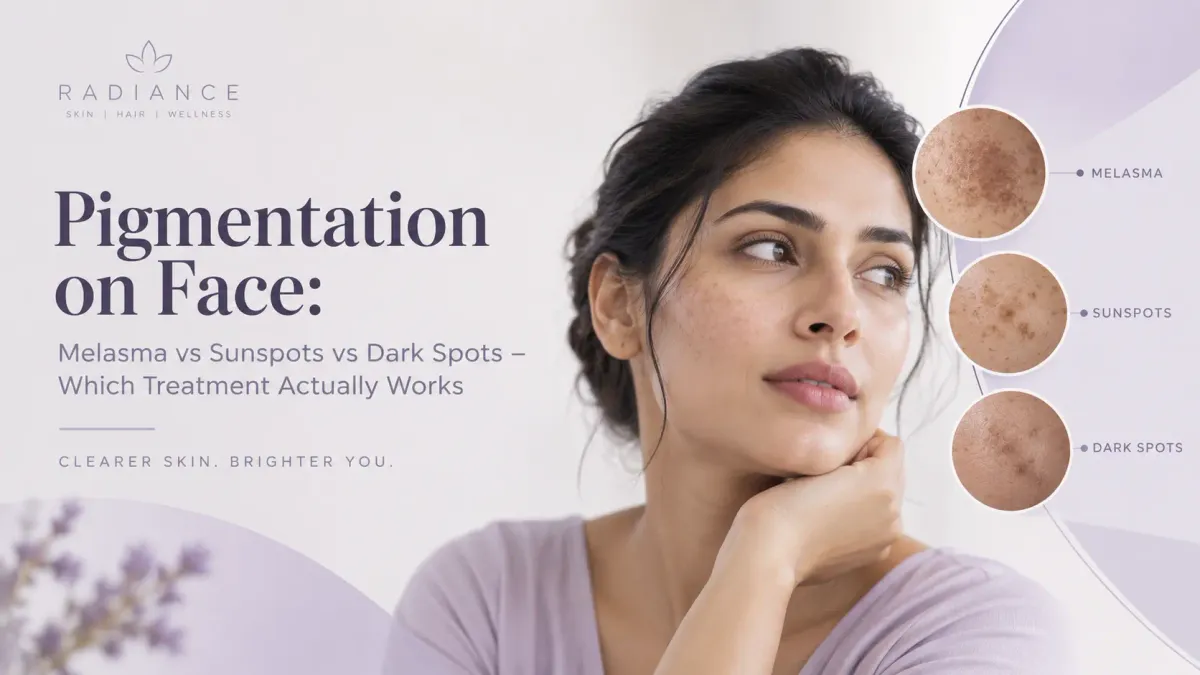
Pigmentation on Face: Melasma vs Sunspots vs Dark Spots - Which Treatment Actually Works
Pigmentation on the face requires targeted treatments rather than a one-size-fits-all approach. Chemical peels and laser pigmentation reduction work well for deep-rooted melasma and post-inflammatory marks, but proper diagnosis is the essential first step. Treating pigmentation early with a dermatologist ensures safe and lasting results for Indian skin tones. Pigmentation on the face requires targeted treatments rather than a one-size-fits-all approach. Chemical peels and laser pigmentation reduction work well for deep-rooted melasma and post-inflammatory marks, but proper diagnosis is the essential first step. Treating pigmentation early with a dermatologist ensures safe and lasting results for Indian skin tones.
Dr. Radhika Barde
M.B.B.S, DCH, DDV, FAD

Acne Scars: Boxcar, Rolling & Icepick and Which Treatment Works for Which Type
Different acne scars require highly specific clinical treatments to see real improvement. Icepick scars respond best to TCA Cross. Boxcar scars improve most with fractional lasers and Dermapen microneedling. Rolling scars require subcision to release tethered skin. Because most people have a complex combination of these scar types, a customized treatment plan from a dermatologist yields the safest and most effective results.

Dr. Nitin Barde
M.B.B.S, M.D, FRGUHS
Trusted by Thousands in Nagpur
Discover why people choose Radiance Clinic for premium treatments.

- ★★★★★
Dr. Nitin is exceptional! PRP sessions significantly helped my hair growth. Best place for hair and skin treatment in Nagpur!
- ★★★★★
Professional care tailored to my health. Dr. Nitin is knowledgeable and patient. Trustworthy clinic with very supportive staff!
- ★★★★★
Smooth, painless hair transplant with excellent post-op care. Feeling more confident already. Best dermatologist in Nagpur! 🤗🙏
- ★★★★★
Saw great improvement in my scalp and hair condition! Dr. Nitin is highly professional and knowledgeable. Highly recommended.
- ★★★★★
Best dermatology clinic in Nagpur! The team is highly experienced and they truly care about their patients' well-being.
- ★★★★★
Highly experienced dermatologist and skilled team. They truly care and provide great results for skin and hair. Great experience!
- ★★★★★
Radiance Clinic offers excellent skin treatment with professional and caring staff. I’ve seen great results and highly recommend it to anyone in Nagpur.
- ★★★★★
I came here for hair laser removal. Very nice service and treatment for fast. The clinic is hygienic and has positive environment. Amazing experience.
- ★★★★★
Friendly and supportive behavior. Perfect treatment and suggestions. Best doctor for skin and hair treatment in Nagpur!
Frequently Asked Questions
Get clarity on our advanced treatments from the leading skin doctor and hair clinic in Nagpur.