

Photo Facial in Nagpur
Home / Services / Laser / Photo FacialPhoto Facial in Nagpur
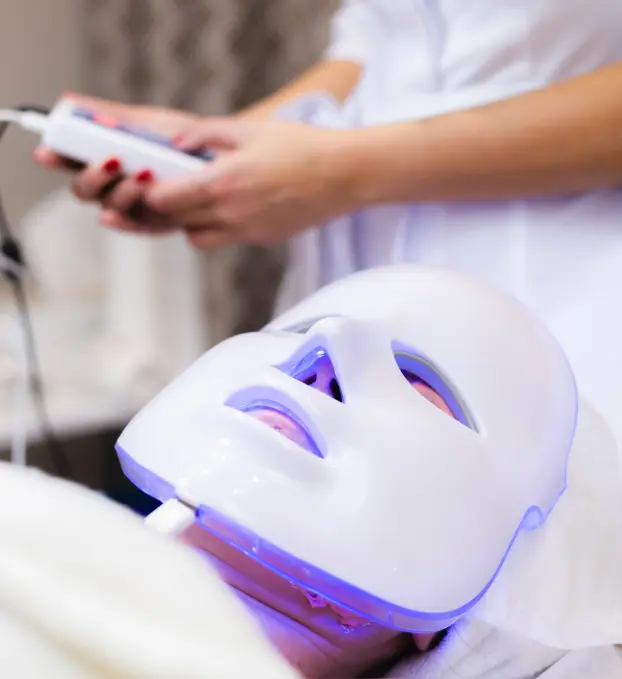
A photo facial at Radiance Clinic is a dermatologist-led skin rejuvenation treatment using calibrated intense pulsed light (IPL) for sun damage, redness, and uneven tone. Following Wood's lamp and dermoscopic evaluation, dermatologists selectively employ longer cutoff filters (590 nm and above), contact cooling, and a pre-procedure test spot. This achieves marked, progressive clarity with a lower risk of PIH under dermatologist-calibrated settings.
Treatment Quick Facts
- First Step
Clinical dermatological consultation, Wood's lamp pigment depth mapping, dermoscopic vascular examination, Fitzpatrick phototyping, and a mandatory pre-procedure test spot.
- Best For
Superficial sun spots, freckles, post-acne redness (erythema), mild rosacea, dull complexion, and uneven facial tone.
- Treatment Options
Selective medical photo facial therapy, longer cutoff filters (590 to 695 nm), mandatory test spot evaluation, active sapphire contact cooling (approximately 4 to 10 °C), and supportive pigmentation reduction protocols.
- Clinical Response
Gradual lightening of pigmented blemishes, vascular calming, and modest improvement in texture over 3 to 6 visits scheduled 3 to 4 weeks apart.
- Session Schedule
A customized series of 3 to 6 sessions spaced 3 to 4 weeks apart for progressive clearance and vascular stabilization.
- Pricing
There is no fixed price; costs are determined during clinical consultation, depending on treated area, lesion depth, and recommended visits.
Understanding Photo Facial Technology and Light-Tissue Interaction
A photo facial, also referred to as a photofacial or intense pulsed light (IPL) photorejuvenation, uses high-intensity pulses of polychromatic, non-coherent light spanning wavelengths between 500 nm and 1200 nm. Unlike monochromatic lasers that emit a single focused beam, this broad-spectrum light system delivers energy through specialized optical cutoff filters. These filters isolate precise wavebands tailored to target specific structures within the skin:
Melanin Absorption
Pigmented lesions such as superficial freckles, solar lentigines, and sun spots absorb targeted light energy. The absorbed energy converts rapidly into thermal energy, causing controlled coagulation of intracellular melanosomes without damaging adjacent cutaneous structures.
Hemoglobin Absorption
Dilated superficial capillaries, spider veins, and persistent redness from post-acne inflammation absorb light energy within the vascular absorption bands. The resulting heat coagulates vessel walls, which are subsequently reabsorbed naturally through the body's lymphatic circulation.
Micro-Crusting & Cellular Renewal
Coagulated pigment particles rise to the surface of the stratum corneum, appearing temporarily as subtle micro-crusts (often described as fine coffee-ground specks) that shed naturally over 4 to 7 days during gentle face washing.
When Are Alternative Medical Modalities Required?
While broad-spectrum photo facial therapy excels at clearing superficial epidermal dyschromia and vascular redness, deeper or structurally distinct conditions require alternative medical modalities:
- Deep Dermal Pigmentation: Deep dermal pigmentary disorders such as Hori's nevus or hormonal melasma respond poorly to broad-spectrum light and carry higher rebound risks. These require low-fluence monochromatic 1064 nm laser toning, detailed under our dedicated pigmentation reduction services.
- Birthmarks & Vascular Markings: Deep melanocytic birthmarks such as nevus of Ota (often present from birth or early childhood) respond to Q-switched or picosecond lasers, whereas vascular markings such as port-wine stains require pulsed dye or long-pulsed Nd:YAG lasers, managed separately under our birth mark removal protocols.
- Indented Structural Acne Scars: Post-breakout discoloration often presents alongside textural depressions. While pulsed light effectively calms post-acne redness, indented boxcar, rolling, or icepick scars do not respond to light therapy and require subcision, TCA CROSS, or microneedling under our acne scar treatment programs.
Light & Laser Resurfacing Modalities Compared
Understanding the biophysical differences between broad-spectrum intense pulsed light and targeted monochromatic lasers ensures precise modality selection for safe outcomes.
| Clinical Modality | Technology Type | Primary Chromophore | Best Clinical Indications | Safety Profile on Indian Skin (Fitzpatrick IV-V) |
|---|---|---|---|---|
| Photo Facial (IPL) | Polychromatic pulsed light (500 to 1200 nm) | Superficial melanin and oxyhemoglobin | Sun spots, freckles, post-acne erythema, and mild facial flushing | Selective candidacy; highest procedural risk among light therapies on phototypes IV-V. Requires mandatory test spot, longer cutoff filters (590 to 695 nm), conservative energy, and active sapphire cooling |
| Q-Switched Laser Toning | Monochromatic collimated laser (1064 nm) | Deep epidermal and dermal melanin | Melasma and acquired dermal melanocytosis; see pigmentation reduction | Widely used for darker phototypes due to 1064 nm melanin-sparing depth and minimal epidermal heat absorption |
| Birthmark & Vascular Lasers | Q-switched/picosecond or long-pulsed Nd:YAG / PDL | Dermal melanocytes (nevus of Ota) or oxyhemoglobin (port-wine stains) | Birthmarks and vascular lesions; see birth mark removal | Favorable safety under doctor-led modality selection and calibrated parameters |
| Fractional Scar Resurfacing | Micro-thermal columns (ablative/non-ablative) | Dermal water and fibrotic scar bands | Depressed acne scars and textural pits; see acne scar treatment | Requires conservative energy density and sub-stacking on darker skin to prevent post-procedure hyperpigmentation |
Why Photo Facial Treatment in Indian Skin Requires Dermatologist Expertise
Indian skin belongs predominantly to Fitzpatrick phototypes III to V, characterized by more reactive melanocytes and larger melanosomes, alongside rich baseline epidermal melanin. Because broad-spectrum light is readily absorbed by melanin, this modality carries the highest procedural risk among light-based options on darker skin tones. When commercial salons or untrained operators utilize short cutoff filters (such as 515 nm or 530 nm) with aggressive energy, surface melanin absorbs excessive heat, resulting in superficial burns, blistering, and severe post-inflammatory hyperpigmentation (PIH). For this reason, qualified dermatologists treat Indian skin selectively rather than using light therapy as a default first-line option.
Mandatory Pre-Treatment Test Spot
Before proceeding with full-face light delivery, a test spot is performed on an inconspicuous area (such as the jawline) and monitored over 48 to 72 hours to evaluate tissue tolerance and rule out adverse reactivity.
Selective Clinical Candidacy
Only epidermal lesions (superficial freckles, lentigines, and post-acne erythema) are considered; deeper dermal pigment and melasma are routed away from broad-spectrum light to lower-risk monochromatic laser toning.
Longer Cutoff Filters (590 nm & above)
We routinely utilize longer cutoff filters (590 to 695 nm, such as 590 nm, 640 nm, or 695 nm). These filters block shorter wavelengths that react aggressively with surface melanin, allowing calibrated light penetration while lowering heat absorption in the epidermis.
Conservative Energy & Sub-Pulses
Splitting the light discharge into sub-pulses with calibrated thermal relaxation delays allows the epidermis to cool between pulses, preventing heat accumulation and thermal stacking.
Active Sapphire Contact Cooling
Integrated chilled sapphire crystals cool the epidermis to approximately 4 to 10 °C before, during, and immediately after each pulse, protecting the delicate epidermal barrier.
Pre-Procedure Priming
Patients with reactive skin receive mild topical tyrosinase inhibitors for 2 to 4 weeks prior to treatment, stabilizing melanocyte activity and preventing post-procedure pigment flares.
Clinical Takeaway: When looking for the best photo facial in Nagpur, patients seek dermatologist-led medical clinics where treatments are tailored to individual skin biology rather than administered through standard salon presets.
Clinical Indications, Treatment Protocol, and What to Expect
A comprehensive photo facial treatment addresses multiple aesthetic concerns across the face, neck, chest, and hands under strict dermatological guidance:
Solar Lentigines & Sun Damage
Lightens stubborn brown sun spots and diffuse freckles caused by chronic UV exposure, restoring uniform facial tone.
Post-Acne Redness (Erythema)
Selectively targets microscopic dilated capillaries that persist after active acne clears, accelerating skin tone normalization.
Facial Flushing & Rosacea
Gently calms diffuse redness, vascular sensitivity, and telangiectasia across the central cheeks and nose.
Overall Skin Rejuvenation
Gently warms the papillary dermis, restoring natural luminosity and delivering modest improvement in texture across sun-damaged areas.
Targeted Photo Facial Protocols for Pigmentation
When utilizing a photo facial for pigmentation, your dermatologist evaluates pigment depth under a Wood's lamp. Because broad-spectrum light carries elevated risk on Fitzpatrick phototypes IV-V, it is used selectively. Dermatologists perform a mandatory test spot to determine safe therapeutic thresholds before any full-face treatment. Superficial epidermal melanin responds to calibrated light absorption under longer cutoff filters (590 to 695 nm), whereas deeper dermal pigment or melasma is directed toward low-fluence Q-switched laser toning to avoid surface overheating.
Photo Facial Before and After Expectations
When evaluating photo facial before and after results, patients should expect progressive, cumulative improvements rather than overnight changes. Immediately following a session, superficial brown spots may darken slightly, creating fine micro-crusts that naturally detach over 4 to 7 days. Substantial improvements in skin clarity, vascular calming, and overall brightness become evident after 2 to 3 visits, with marked pigment clearance and modest improvement in texture achieved at the completion of your customized treatment course.
Immediate post-treatment warmth, subtle micro-crusting of surface spots, and initial vascular soothing.
Noticeable fading of superficial freckles, calms residual acne redness, and improves overall skin luminosity.
Marked pigment clearance, normalized facial vascularity, and modest textural refinement across treated zones.
Is a Photo Facial Safe? Procedural Safety & Protocol
Because epidermal melanin competes directly for light absorption, intense pulsed light (IPL) on Indian skin (Fitzpatrick IV-V) is the riskiest light-based option. At Radiance Clinic, photo facial procedures are selected conservatively and administered only after strict medical qualification, mandatory pre-treatment test spots, longer cutoff filters (590 to 695 nm), and chilled contact cooling (approximately 4 to 10 °C) to lower the risk of thermal injury and PIH.
Pre-Treatment Test Spot
Mandatory test patch performed 48 to 72 hours prior to full-face light delivery to verify individual biological tissue response.
Mandatory Eye Shields
High-grade corneal or external opaque metal shields protect patient and practitioner ocular structures from scattered broad-spectrum light.
Sapphire Contact Cooling
Active chilled sapphire tip (4 to 10 °C) cools the epidermis pre, during, and post pulse, keeping surface layers thermally protected.
Doctor Parameter Control
Sub-pulse durations, longer cutoff filters, and sub-threshold fluences calibrated strictly by qualified dermatologists (MD/DDV).
Clinical Contraindications
Before initiating light-based therapy, your dermatologist thoroughly reviews medical contraindications to safeguard patient wellness:
Active Infections
Active bacterial, viral (such as herpes simplex), or fungal skin infections.
Pregnancy & Lactation
Pregnancy and breastfeeding (during which elective light-based procedures are deferred).
Koebner-Prone Disorders
Vitiligo, active psoriasis, or other Koebner-prone inflammatory dermatoses.
Recent Sun Tanning
Recent active sun tanning or significant UV exposure within the preceding 2 to 4 weeks.
Photosensitizing Medications
Current use of photosensitizing medications (such as certain antibiotics or prescription retinoids).
Recent Oral Isotretinoin
Recent oral isotretinoin therapy within the past 6 months.
Tattoos or Permanent Makeup
Tattoos or permanent makeup in the treated area (unintended light absorption triggers burns or pigment shift).
Active or Unstable Melasma
Active or unstable melasma (broad-spectrum light can trigger rebound worsening or hyperpigmentation).
Open Wounds & Eczema
Open wounds, active abrasions, or localized eczema flares in the treatment field.
Systemic Gold Therapy
Previous or current systemic gold therapy (contraindicated due to risk of irreversible laser-induced chrysiasis).
Keloidal Tendency
History of hypertrophic scarring or keloids.
Uncontrolled Autoimmune Conditions
Uncontrolled autoimmune disorders (such as active systemic lupus erythematosus).
Suspicious Pigmented Lesions
Suspicious or rapidly changing pigmented lesions (requiring dermoscopy and biopsy to rule out malignancy).
Potential Procedural Risks Stated Plainly
Clinical risks are explained transparently during consultation. While transient erythema (mild redness lasting 1 to 4 hours), temporary sunburn-like warmth, and subtle micro-crusting are expected responses, vascular settings can occasionally produce transient purpura (mild pinpoint bruising) as targeted capillaries coagulate. On melanin-dense skin, light therapies carry an inherent risk of thermal injury, including superficial blistering, prolonged post-inflammatory hyperpigmentation (PIH), or patchy hypopigmentation if fluences exceed epidermal tolerance.
To safeguard patient safety, our dermatologists enforce mandatory protective eye shields to protect ocular structures from scattered broad-spectrum light, perform a pre-treatment test spot 48 to 72 hours before full-face therapy, and utilize conservative energy settings.
Recovery Progression and Post-Procedure Aftercare
Healing from a clinical photo facial treatment follows a predictable physiological recovery timeline:
| Recovery Stage | Typical Duration | What Patients Experience | Recommended Aftercare |
|---|---|---|---|
| Immediate Post-Treatment | 1 to 4 hours | Mild erythema and sensation of warmth resembling mild sunburn, easily soothed with cool compresses. | Cold compresses and soothing physiological hydration balms. |
| Micro-Crusting / Darkening | 24 to 72 hours | Superficial lentigines and freckles darken slightly, resembling fine coffee grounds on the surface. | Mild non-foaming cleanser and frequent ceramide moisturization. |
| Natural Exfoliation | 4 to 7 days | Minute micro-crusts detach naturally during regular washing; no picking or manual scrubbing permitted. | Strict mineral sunscreen (SPF 50+, PA++++); avoid scrubbing, rubbing, or peeling. |
| Tone & Texture Refinement | 2 to 4 weeks | Calmed vascular redness, visibly lightened sun spots, and a smoother, more radiant complexion. | Gradual reintroduction of maintenance skincare under dermatologist instruction. |
Doctor-Directed Aftercare Protocol
Following your customized photo facial session, adhere strictly to these clinical guidelines:
Barrier-Restoring Ceramide Moisturizers
Apply dermatologist-prescribed ceramide and peptide barrier moisturizers frequently to keep the stratum corneum hydrated and speed healing.
Gentle Non-Foaming Cleansers
Wash the face using lukewarm water and gentle, fragrance-free non-foaming cleansers. Pat dry gently with a clean towel without rubbing.
Daily Broad-Spectrum Tinted Mineral Sunscreen
Apply tinted mineral sunscreen (SPF 50+, PA++++) every morning and reapply every 2 to 3 hours if exposed to sunlight to prevent rebound hyperpigmentation.
5 to 7 Day Pause on Harsh Actives
Pause all retinoids, glycolic acid, salicylic acid, AHAs/BHAs, vitamin C, chemical exfoliants, and mechanical scrubs for 5 to 7 days post-treatment.
Have questions regarding recovery or suitability?
Schedule a personalized Wood's lamp evaluation with Dr. Nitin Barde or Dr. Radhika Barde.
What Influences the Photo Facial Cost in Nagpur?
There is no fixed price for photo facial treatment at Radiance Clinic because facial dyschromia ranges from mild superficial freckles to extensive vascular redness across multiple zones. The overall photo facial cost in Nagpur is determined during your clinical consultation based on key medical factors:
Anatomical Treatment Area
Full face rejuvenation requires different procedural time and light pulse delivery than localized cheek treatments, neck, or full décolletage and hands.
Target Condition Complexity
Treating simple epidermal sun spots involves fewer visits than managing diffuse telangiectasia or combined vascular and pigmentary dyschromia.
Number of Scheduled Visits
Most patients achieve desired clearance with 3 to 6 visits scheduled 3 to 4 weeks apart, with package pricing discussed during assessment.
Combination Modalities
Total treatment investment is influenced by whether light therapy is paired with medical chemical peels or restorative skin barrier serums.
Why Early Dermatologist Care Costs Less
Patients seeking safe and predictable outcomes achieve the most cost-effective care through doctor-led guidance. Unsupervised salon procedures using uncalibrated devices frequently cause epidermal burns and rebound PIH that require expensive, multi-month corrective dermatological treatments. Receiving an accurate initial diagnosis, a pre-treatment test spot, proper filter selection, and conservative fluences improves the likelihood of smooth clearance and lowers the risk of repeat visits and scar-correction costs.
During your initial consultation, our dermatologists perform Wood's lamp and dermoscopic evaluations and outline a clear, transparent pricing roadmap before therapy begins.
Who Performs Photo Facial Treatments at Radiance Clinic?
Dermatologists at Radiance Clinic, Dr. Nitin Barde and Dr. Radhika Barde, evaluate and treat complex vascular flushing, sun spots, and post-acne erythema.

Dr. Nitin Barde
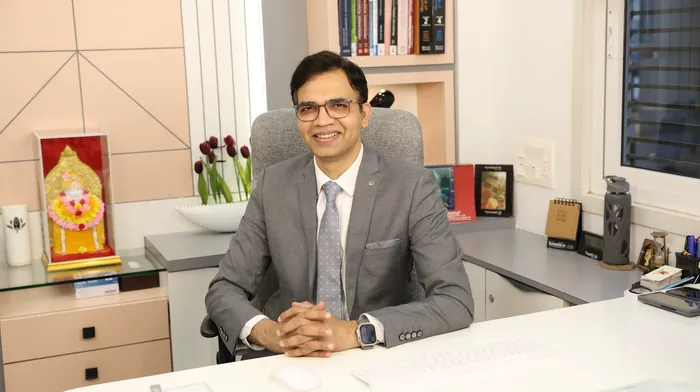
Dr. Nitin Barde is the Founder of Radiance Clinic and a dermatologist with over a decade of clinical experience. He completed his MD in Dermatology in Pune, followed by a Fellowship in Dermatosurgery (FRGUHS) in Bangalore. In 2014, he was awarded the International Society of Dermatologic Surgery (ISDS) Statesmen Award in Jerusalem.
Skin & Aesthetic Dermatology Expertise
- M.D. Dermatology, Pune
- Fellowship in Dermatosurgery (FRGUHS), Bangalore
- Over a decade of clinical experience in dermatology and laser aesthetic procedures

Dr. Radhika Barde
Dr. Radhika Barde is the Director and a Dermatologist at Radiance Clinic. She holds an MBBS, a DCH (Diploma in Child Health), and a DDV (Diploma in Dermatology, Venereology and Leprosy), and has completed a Fellowship in Aesthetic Dermatology (FAD). Her clinical practice includes aesthetic dermatology, laser pigment correction, and hair restoration.
Skin & Aesthetic Dermatology Expertise
- M.B.B.S, DCH, DDV
- Fellowship in Aesthetic Dermatology (FAD)
- Clinical background in medical and aesthetic dermatology

About Radiance Clinic
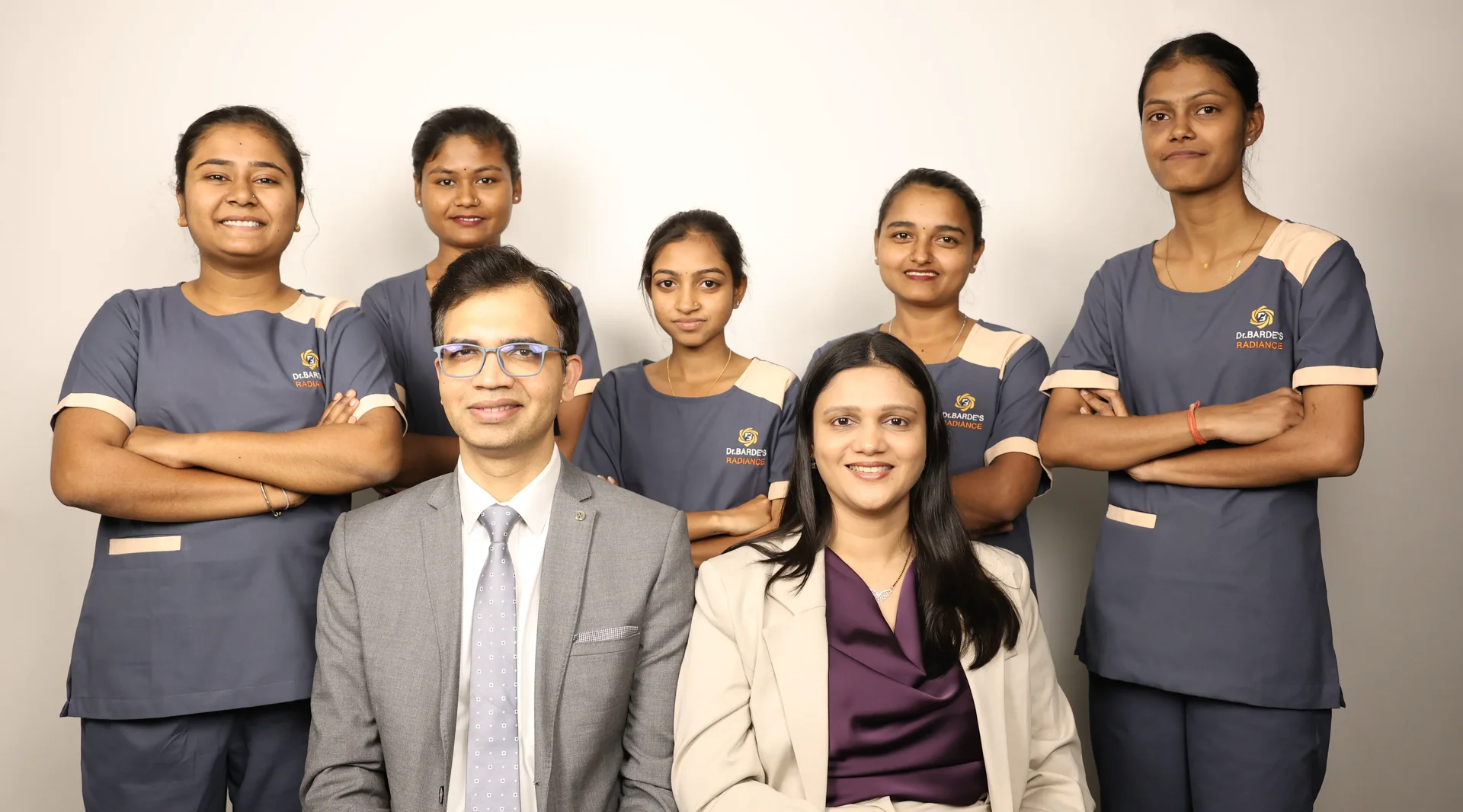
Radiance Clinic in Nagpur provides comprehensive, evidence-informed medical dermatology and aesthetic care, holding a 4.9-star rating from over 1,800 verified patient reviews. Founded by Dr. Nitin Barde and directed by Dr. Radhika Barde, the clinic combines advanced diagnostic precision with compassionate, individualized treatment plans designed for sustainable skin health.
The facility features modern procedural suites, dedicated consultation spaces, and strict medical sterilization standards, ensuring patient safety, comfort, and confidentiality at every visit. Conveniently located on the 2nd Floor of Panchavati Tower, Wardha Rd, beside Hitvada Press & Shatau Hospital, near Dhantoli, the clinic serves patients across Dhantoli, Ramdaspeth, and greater Nagpur with consultations available Monday to Saturday.
Explore Expert Skin & Laser Guides
Explore dermatology, IPL photofacial technology, and pigment clearance guides written and reviewed by our clinical dermatologists.

Dry Skin in Winter: A Dermatologist Guide to Winter Skin Care Routine in Nagpur
Winter brings pleasant weather to Nagpur and Central India, but it also brings dry northerly winds and sharp drops in atmospheric humidity. When indoor and outdoor humidity levels drop below 40%, the moisture gradient pulls water out of the stratum corneum through accelerated transepidermal water loss (TEWL). Without proactive routine adjustments, simple dryness quickly progresses into cracked skin, chapped lips, painful heels, or persistent winter itching. This guide explains the physiological mechanisms behind winter skin dehydration, outlines an evidence-based morning and evening winter skin care routine, provides comparison guidance between dry skin and eczema, and presents clinical solutions available at Radiance Clinic in Nagpur.

Dr. Radhika Barde
M.B.B.S, DCH, DDV, FAD
Pigmentation on Face: Melasma vs Sunspots vs Dark Spots - Which Treatment Actually Works
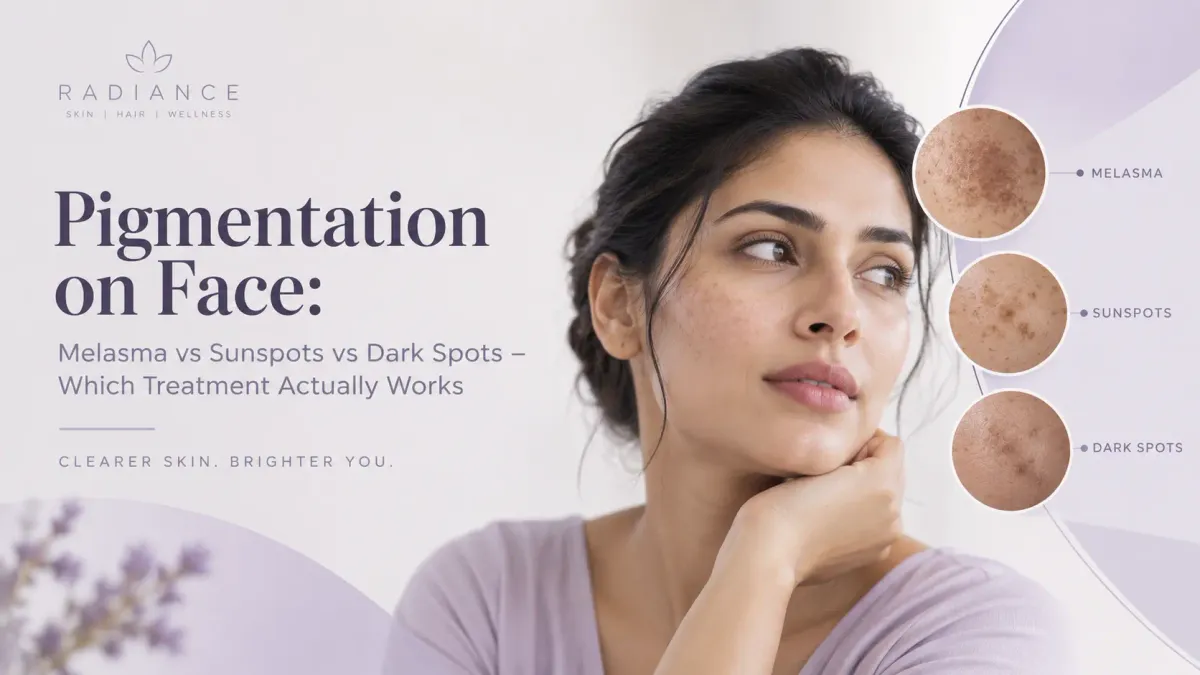
Pigmentation on the face requires targeted treatments rather than a one-size-fits-all approach. Chemical peels and laser pigmentation reduction work well for deep-rooted melasma and post-inflammatory marks, but proper diagnosis is the essential first step. Treating pigmentation early with a dermatologist ensures safe and lasting results for Indian skin tones. Pigmentation on the face requires targeted treatments rather than a one-size-fits-all approach. Chemical peels and laser pigmentation reduction work well for deep-rooted melasma and post-inflammatory marks, but proper diagnosis is the essential first step. Treating pigmentation early with a dermatologist ensures safe and lasting results for Indian skin tones.
Dr. Radhika Barde
M.B.B.S, DCH, DDV, FAD

Acne Scars: Boxcar, Rolling & Icepick and Which Treatment Works for Which Type
Different acne scars require highly specific clinical treatments to see real improvement. Icepick scars respond best to TCA Cross. Boxcar scars improve most with fractional lasers and Dermapen microneedling. Rolling scars require subcision to release tethered skin. Because most people have a complex combination of these scar types, a customized treatment plan from a dermatologist yields the safest and most effective results.
Dr. Nitin Barde
M.B.B.S, M.D, FRGUHS
Trusted by Thousands in Nagpur
Discover why people choose Radiance Clinic for premium treatments.

- ★★★★★
Dr. Nitin is exceptional! PRP sessions significantly helped my hair growth. Best place for hair and skin treatment in Nagpur!
- ★★★★★
Professional care tailored to my health. Dr. Nitin is knowledgeable and patient. Trustworthy clinic with very supportive staff!
- ★★★★★
Smooth, painless hair transplant with excellent post-op care. Feeling more confident already. Best dermatologist in Nagpur! 🤗🙏
- ★★★★★
Saw great improvement in my scalp and hair condition! Dr. Nitin is highly professional and knowledgeable. Highly recommended.
- ★★★★★
Best dermatology clinic in Nagpur! The team is highly experienced and they truly care about their patients' well-being.
- ★★★★★
Highly experienced dermatologist and skilled team. They truly care and provide great results for skin and hair. Great experience!
- ★★★★★
Radiance Clinic offers excellent skin treatment with professional and caring staff. I’ve seen great results and highly recommend it to anyone in Nagpur.
- ★★★★★
I came here for hair laser removal. Very nice service and treatment for fast. The clinic is hygienic and has positive environment. Amazing experience.
- ★★★★★
Friendly and supportive behavior. Perfect treatment and suggestions. Best doctor for skin and hair treatment in Nagpur!

Frequently Asked Questions
Get clarity on our advanced treatments from the leading skin doctor and hair clinic in Nagpur.