

Pigmentation Treatment in Nagpur
Home / Services / Laser / Pigmentation TreatmentPigmentation Treatment in Nagpur
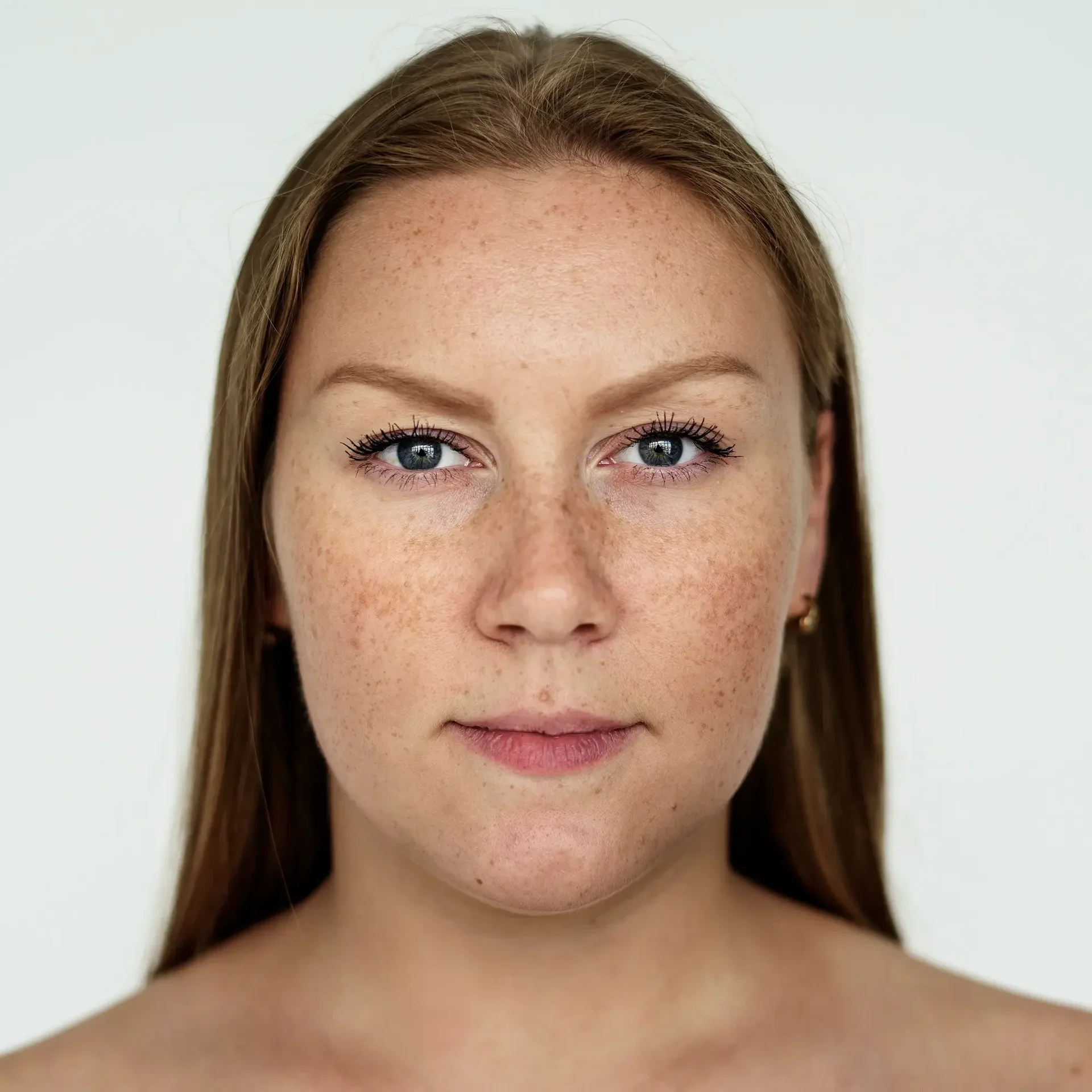
Pigmentation treatment is the dermatologist-led correction of uneven melanin accumulation across epidermal and dermal layers. Following diagnostic differentiation with Wood's lamp and dermoscopy, qualified dermatologists combine medical chemical peels and low-fluence laser pigmentation treatment. Calibrated specifically for reactive Indian skin (Fitzpatrick III-V), these evidence-based protocols achieve marked, progressive lightening while protecting against rebound hyperpigmentation.
Treatment Quick Facts
- First Step
Clinical skin evaluation, Wood's lamp examination to separate epidermal from dermal pigment, dermoscopy to assess pigment patterns and rule out melanoma, and Fitzpatrick phototyping.
- Best For
Melasma, post-inflammatory hyperpigmentation (PIH), sun spots, freckles, lip pigmentation, and uneven facial tone.
- Treatment Options
Low-fluence Q-switched Nd:YAG laser toning, DEKA RedTouch Pro (675 nm), medical chemical peels, and rejuvenating photo facial therapies used selectively.
- Response
Progressive lightening with laser toning commonly performed every 1 to 2 weeks for about 6 to 10 sessions, and chemical peels spaced every 3 to 4 weeks, with macrophage clearance continuing between visits.
- Price
Starts from ₹3,000, with total investment determined during your clinical consultation based on pigment depth, surface area, and selected modalities.
Understanding Skin Pigmentation and Diagnostic Mapping
Cutaneous hyperpigmentation occurs when melanocytes overproduce melanin or deposit pigment unevenly across skin layers. Because different pigmentary disorders reside at distinct histological depths, effective skin pigmentation treatment begins with precise diagnostic differentiation:
Epidermal Pigmentation
Melanin is confined to superficial epidermal layers, including freckles (ephelides) and sun spots. It responds rapidly to surface exfoliation; learn more on our dedicated freckles treatment page.
Dermal Pigmentation
Melanin drops into the deeper dermis, ingested by melanophages. Acquired conditions like Hori's nevus require low-fluence 1064 nm Q-switched laser toning to fragment pigment without overheating surface skin. In contrast, congenital conditions like nevus of Ota are managed under birth mark removal.
Mixed Pigmentation
Melanin spans epidermal and dermal layers. Melasma is the classic mixed condition, causing symmetrical facial patches influenced by UV and hormones. Because melasma requires comprehensive vascular and maintenance protocols, explore our dedicated melasma treatment page.
Post-Acne Discoloration
Red or brown macules left behind after inflammatory breakouts. These flat pigmentary marks are commonly addressed in tandem with textural indentations managed under acne scar treatment.
Diagnostic Mapping by Pigmentary Condition
Understanding anatomical depth and clinical appearance guides targeted dermatological approaches for each condition.
| Pigmentary Condition | Primary Anatomical Depth | Typical Clinical Appearance | Common Dermatological Approaches |
|---|---|---|---|
| Melasma | Mixed (epidermal and dermal) | Symmetrical brown patches on cheeks, forehead, or upper lip | Photoprotection, depigmenting topicals, oral medicines prescribed after consultation, and adjunct peels or laser toning. |
| Post-Inflammatory Hyperpigmentation (PIH) | Epidermal or dermal | Flat dark spots following acne, injury, eczema, or aggressive cosmetic procedures | Tyrosinase inhibitors, superficial chemical peels, low-fluence Q-switched laser |
| Solar Lentigines & Freckles | Superficial epidermis | Distinct small tan-to-dark brown macules from chronic UV exposure | Target-specific laser pulses, medical peels, or photo facial. |
| Lip Pigmentation | Mucosal and submucosal | Diffuse dark brown or greyish discoloration across vermilion border | Specialized low-fluence Q-switched laser, gentle lip peels, hydrating barrier balms |
Why Pigmentation Treatment in Indian Skin Needs Dermatologist-Led Care
Melanocyte numbers are broadly similar across all skin types, but Indian skin (Fitzpatrick III-V) features larger, more dispersed melanosomes and higher melanocyte reactivity. When darker skin experiences excessive heat, harsh abrasion, or uncalibrated laser energy, melanocytes react defensively by producing excess melanin. This leads to stubborn post-inflammatory hyperpigmentation (PIH) or, if over-treated, patchy hypopigmentation (loss of natural pigment).
Dangers of OTC "Fairness" Creams
A major health hazard common in India is the unsupervised use of over-the-counter "fairness" creams containing potent topical corticosteroids (such as clobetasol), hydroquinone, and tretinoin. While these creams initially lighten the skin artificially, prolonged use causes severe steroid-induced rosacea, epidermal thinning, telangiectasia (visible blood vessels), and exogenous ochronosis (a disfiguring blue-black dermal discoloration that is difficult to treat and often persistent).
Calibrated Darker Skin Protocols
When searching for the best clinic for pigmentation treatment in Nagpur or a qualified dermatologist for pigmentation, patients look for medical specialists who understand darker skin biology. At Radiance Clinic, our dermatologists calibrate every procedure to shatter pigment while protecting the epidermis, ensuring safe, progressive clearance.
Advanced Treatment Modalities: Laser and Medical Solutions
At Radiance Clinic, we avoid standard cosmetic packages. Our dermatologists develop evidence-based, multimodal plans tailored to your specific pigment depth and skin barrier health.
Laser Pigmentation Treatment
Medical laser technology provides targeted solutions for deeper and recalcitrant pigments that creams cannot reach:
Low-Fluence Q-Switched Nd:YAG Laser (1064 nm)
Often termed "laser toning", this modality delivers sub-cellular selective photothermolysis. Nanosecond pulses shatter intracellular melanosomes into fine fragments with minimal heating of surrounding tissue, preserving melanocyte viability and preventing rebound PIH. Similar selective photothermolysis principles that fragment dense ink in tattoo removal are adapted with ultra-low fluences to clear melanin safely.
DEKA RedTouch Pro (675 nm Laser)
The 675 nm wavelength is well absorbed by melanin, effectively targeting benign pigmented lesions, solar lentigines, and facial dyschromia. The laser also stimulates collagen remodelling to support overall skin texture.
Fractional Non-Ablative Lasers
Create microscopic columns of thermal coagulation to eliminate dermal pigment particles through microscopic epidermal necrotic debris. Dermatologists use them cautiously on Fitzpatrick IV-V skin to prevent post-inflammatory hyperpigmentation.
Intense Pulsed Light (IPL) / Photo Facial
While broad-spectrum photo facial light therapy can address superficial tone, IPL carries a higher risk of post-inflammatory hyperpigmentation on Indian Fitzpatrick IV-V skin and is therefore used selectively and cautiously.
Chemical Peel for Pigmentation
A medical chemical peel for pigmentation accelerates epidermal cellular renewal and gently lifts surface melanin without thermal stress:
Mandelic Acid Peels
An alpha-hydroxy acid with a large molecular structure that penetrates slowly and evenly, making it safe and gentle for sensitive, pigmentation-prone Indian skin.
Lactic & Glycolic Acid Peels
Mild AHA formulations that dissolve intercellular bonds, exfoliating pigmented keratinocytes and restoring skin radiance.
Combination Pigment Peels
Specialized formulations containing azelaic acid, kojic acid, arbutin, and phytic acid that inhibit tyrosinase activity while lifting surface discoloration.
Specialized Lip Pigmentation Treatment
Darkening of the vermilion border of the lips is common due to sun exposure, lip-licking habits, smoking, genetics, or allergic contact cheilitis from cosmetics. Our dermatologists provide dedicated lip pigmentation treatment utilizing ultra-gentle, low-fluence Q-switched laser passes and customized lip peels. This fragments stubborn melanin deposits, gradually restoring a healthy, natural lip tone.
Pigmentation Laser Treatment Before and After Expectations
When evaluating pigmentation laser treatment before and after results, patients should expect progressive, subtle improvements rather than overnight changes. After each session, treated spots may temporarily darken slightly or form micro-crusts before shedding naturally over 4 to 7 days. Substantial clearing typically becomes evident after 3 to 4 visits, with maximum results visible at the completion of your customized treatment course.
Is Laser Treatment for Pigmentation Safe? Indian Skin Protocols
Laser treatment for pigmentation is safe on Indian Fitzpatrick III-V (mostly IV-V) skin when performed by a qualified dermatologist (MD/DDV) using dedicated darker-skin protocols:
Sub-Threshold Fluences
We employ conservative energy densities to avoid thermal trauma that could provoke rebound melanocyte activation.
Epidermal Cooling
Contact or chilled-air cooling protects the epidermal surface before, during, and after laser delivery.
Broad-Spectrum Photoprotection
Strict daily use of broad-spectrum mineral sunscreen (SPF 50+, PA++++ with iron oxides) is mandatory to shield vulnerable post-procedure skin from UV and visible high-energy light.
Calibrated Treatment Intervals
Intervals are tailored to the procedure: laser toning is commonly performed every 1 to 2 weeks, while chemical peels require 3 to 4 weeks between sessions to support barrier recovery.
Clinical Contraindications
Before initiating laser or chemical treatments, your dermatologist reviews important medical contraindications:
Active Infections
Active bacterial, viral (such as herpes simplex), or fungal skin infections.
Pregnancy & Lactation
Pregnancy and breastfeeding (restricting certain oral and topical agents).
Koebner-Prone Conditions
Vitiligo, active psoriasis, or other Koebner-prone skin conditions.
Recent Sun Tanning
Recent sun tanning or active sun exposure within the preceding 2 to 4 weeks.
Photosensitizing Medications
Current use of photosensitising medications (such as certain tetracyclines or retinoids).
Systemic Gold Therapy
Previous or current systemic gold therapy (contraindicated due to risk of laser-induced chrysiasis).
Recent Oral Isotretinoin
Recent oral isotretinoin therapy within the past 6 months.
Keloidal Tendency
History of keloidal scarring or hypertrophic scars.
Uncontrolled Autoimmunity
Uncontrolled autoimmune disorders (such as active lupus erythematosus).
Suspicious Lesions
Suspicious or rapidly changing pigmented lesions (which must undergo dermoscopy and biopsy to rule out dysplastic nevi or melanoma).
Potential Procedural Risks Stated Plainly
Clinical risks are explained transparently during consultation: transient erythema (mild redness lasting 1 to 4 hours), temporary post-inflammatory hyperpigmentation (PIH), mild localized swelling, superficial pinpoint crusting, and temporary skin dryness. With aggressive or overly frequent laser toning, known complications include mottled or confetti-like hypopigmentation (patchy pigment loss) and paradoxical melasma rebound or worsening. Dermatologist-led monitoring and conservative energy settings help minimize these risks.
Recovery Progression and Post-Procedure Aftercare
Healing from clinical pigmentation treatment follows a predictable physiological timeline:
| Recovery Stage | Typical Duration | What Patients Experience |
|---|---|---|
| Immediate Post-Treatment | 1 to 4 hours | Mild erythema, sensation of warmth resembling mild sunburn, easily soothed with cool compresses |
| Micro-Crusting / Darkening | 24 to 72 hours | Superficial lentigines or freckles may appear slightly darker as pigment coagulates |
| Natural Exfoliation | 4 to 7 days | Minute micro-crusts detach naturally during gentle face washing; no manual peeling permitted |
| Lymphatic Clearance | 2 to 6 weeks | Immune macrophages clear shattered pigment granules, leading to visibly lighter, even-toned skin |
Written Post-Procedure Aftercare Plan
After each session, our dermatologists provide a written aftercare plan: barrier-restoring ceramide creams, gentle non-foaming cleansers, daily broad-spectrum tinted mineral sunscreen (SPF 50+, PA++++), and a 5 to 7 day pause on harsh actives such as retinoids, glycolic acid, salicylic acid, and facial scrubs.
Barrier-Restoring Ceramide Creams
Nourish and protect the stratum corneum with soothing, fragrance-free ceramide formulations.
Gentle Non-Foaming Cleansers
Cleanse twice daily with lukewarm water and a mild non-foaming wash without abrasive washcloths.
Daily Tinted Mineral Sunscreen (SPF 50+, PA++++)
Broad-spectrum physical photoprotection with iron oxides is vital to shield skin against UV and HEV visible light.
5 to 7 Day Active Pause
Pause all retinoids, glycolic acid, salicylic acid, and facial scrubs for 5 to 7 days post-treatment.
What Influences the Pigmentation Treatment Cost in Nagpur?
At Radiance Clinic, pigmentation treatment starts from ₹3,000. Because hyperpigmentation ranges from simple superficial freckles to deeply rooted hormonal melasma, the overall pigmentation treatment cost in Nagpur is determined during your clinical consultation based on key medical factors:
Pigment Type and Depth
Superficial epidermal sun spots require fewer visits than deep dermal or mixed melasma.
Anatomical Area
Treating localized lip pigmentation or focal cheek spots requires smaller treatment fields than full-face, neck, or décolletage therapy.
Treatment Modality Selected
Costs vary depending on whether care utilizes advanced Q-switched laser toning, DEKA RedTouch Pro, medical chemical peels, or supportive photo facial sessions.
Number of Clinical Visits
Laser toning regimens typically involve 6 to 10 sessions spaced 1 to 2 weeks apart, whereas chemical peels are usually administered in 4 to 6 sessions spaced 3 to 4 weeks apart.
Why Early Dermatologist Care Costs Less
Patients seeking affordable pigmentation removal achieve the best outcomes through doctor-led medical care. Attempting unverified parlour facials or purchasing unregulated bleaching creams frequently triggers severe PIH and barrier damage that cost significantly more to medically repair later. Receiving accurate diagnosis and calibrated treatment from the start reduces the chance of repeat visits and corrective scar therapies, providing a medically sound and reliable path.
During your initial consultation, our dermatologists perform Wood's lamp and dermoscopy evaluations and provide a transparent, personalized pricing roadmap before treatment begins.
Who Treats Pigmentation at Radiance Clinic?
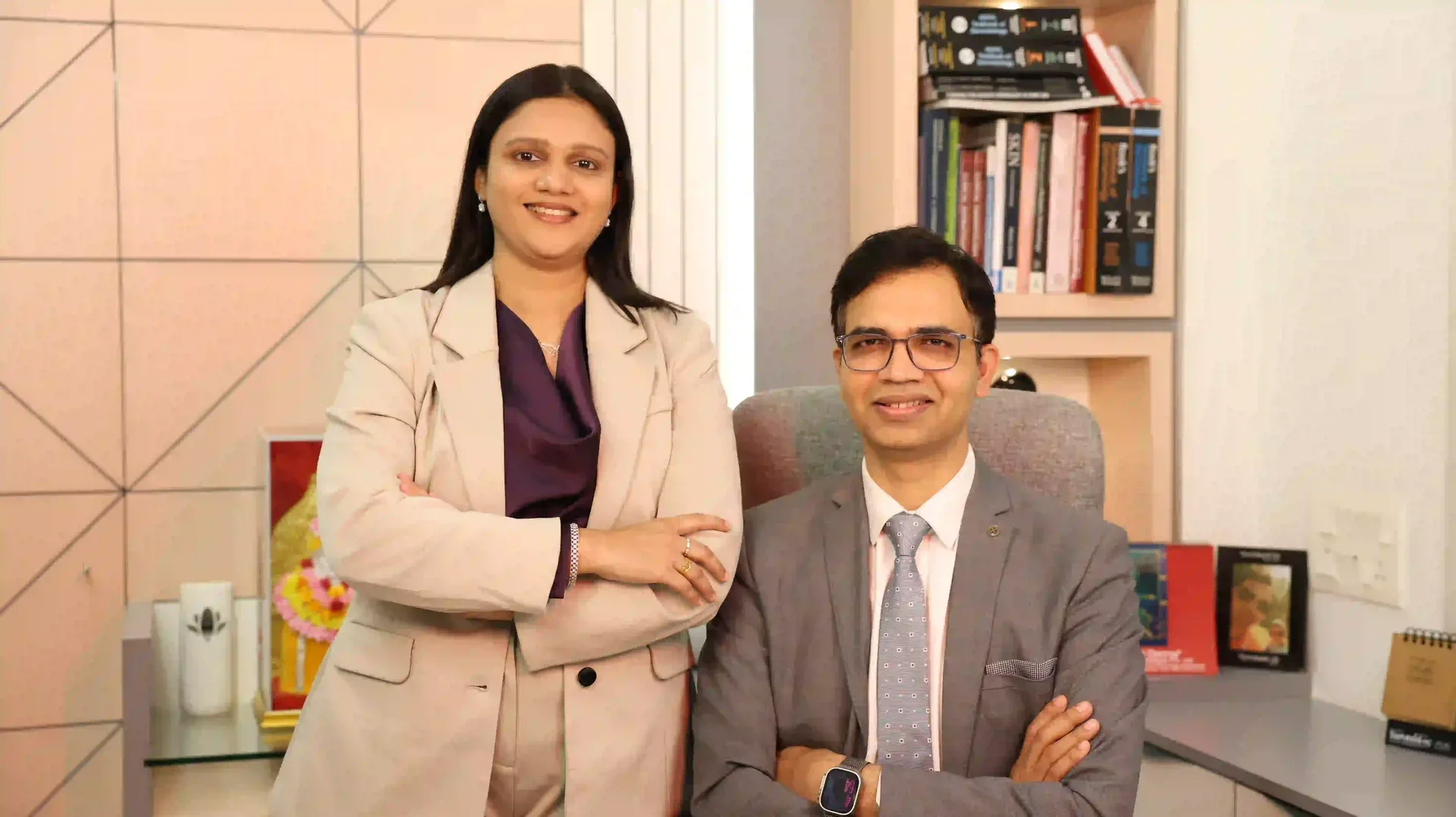
Dermatologists at Radiance Clinic, Dr. Nitin Barde and Dr. Radhika Barde, evaluate and treat complex facial and body pigmentation, melasma, and lip discoloration.
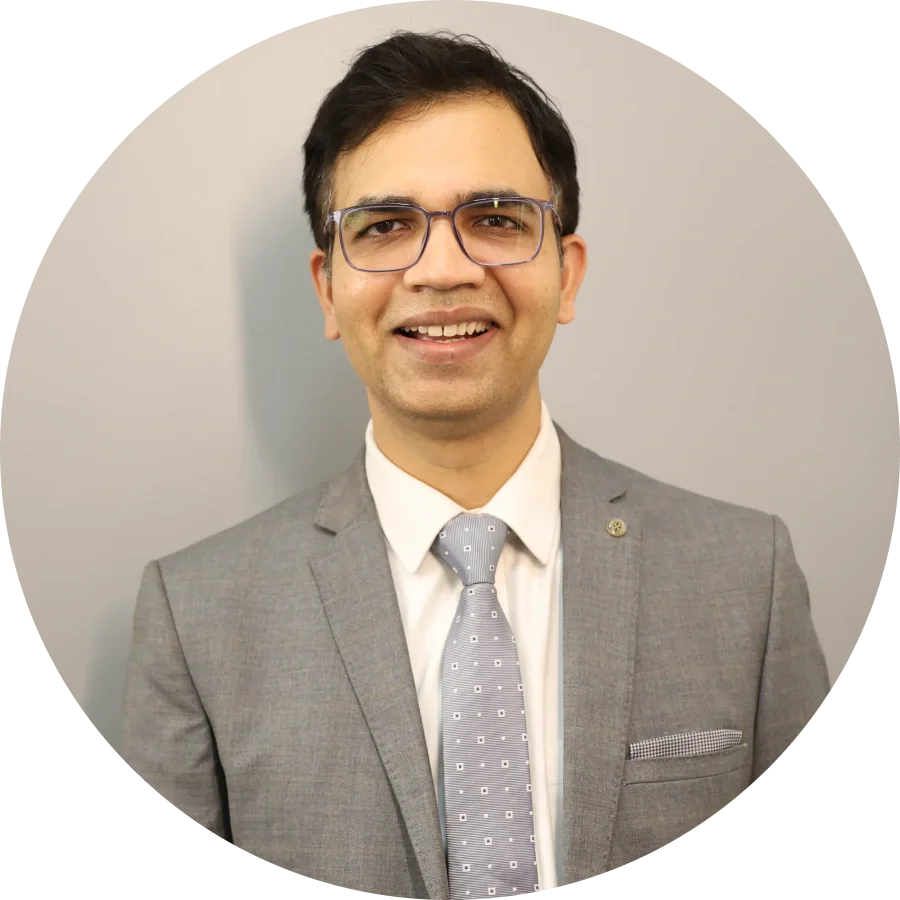
Dr. Nitin Barde
Dr. Nitin Barde is the Founder of Radiance Clinic and a dermatologist with over a decade of clinical experience. He completed his MD in Dermatology in Pune, followed by a Fellowship in Dermatosurgery (FRGUHS) in Bangalore. In 2014, he was awarded the International Society of Dermatologic Surgery (ISDS) Statesmen Award in Jerusalem.
Skin & Aesthetic Dermatology Expertise
- M.D. Dermatology, Pune
- Fellowship in Dermatosurgery (FRGUHS), Bangalore
- Over a decade of clinical experience in dermatology and laser aesthetic procedures
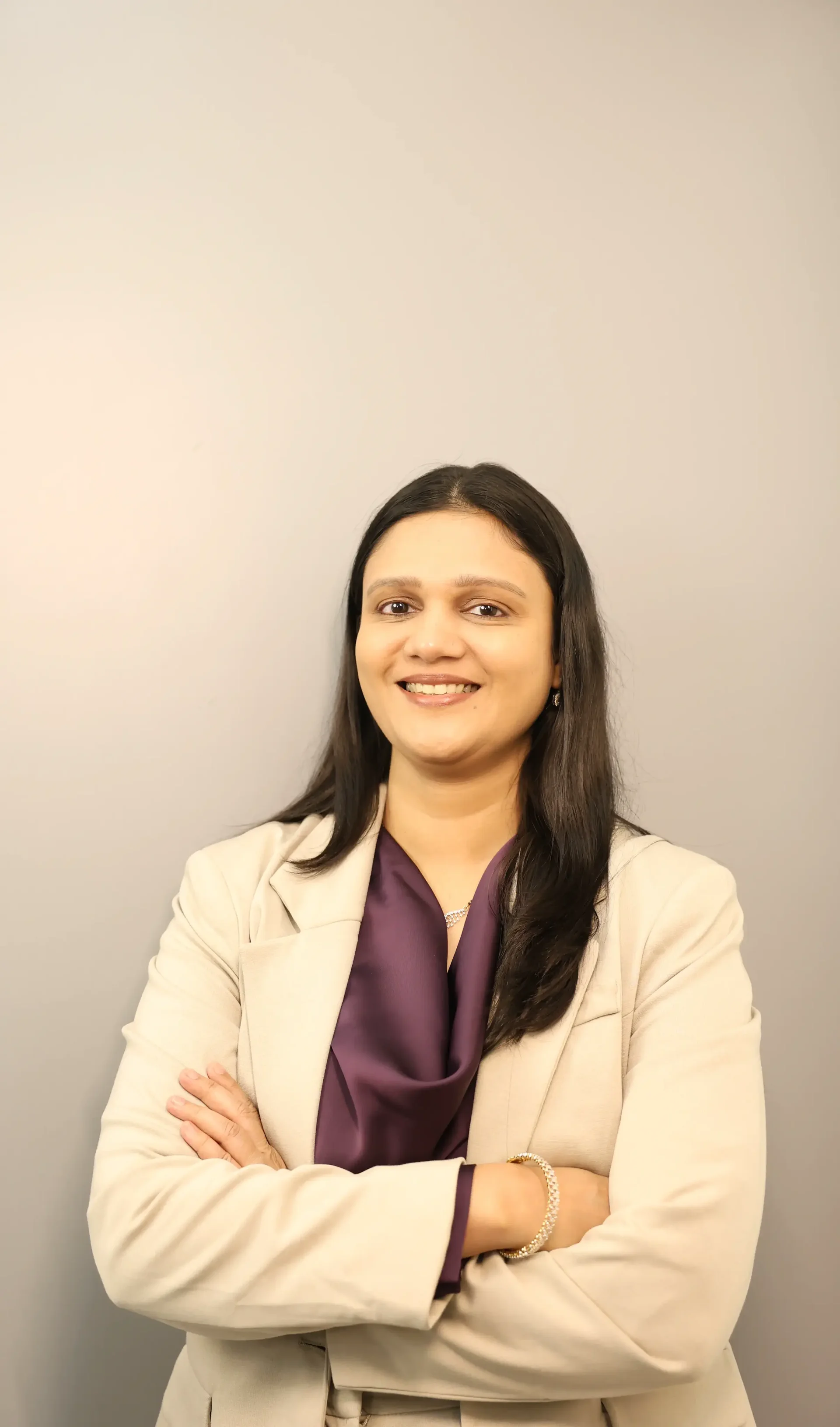
Dr. Radhika Barde
Dr. Radhika Barde is the Director and a Dermatologist at Radiance Clinic. She holds an MBBS, a DCH (Diploma in Child Health), and a DDV (Diploma in Dermatology, Venereology and Leprosy), and has completed a Fellowship in Aesthetic Dermatology (FAD). Her clinical practice includes aesthetic dermatology, laser pigment correction, and hair restoration.
Skin & Aesthetic Dermatology Expertise
- M.B.B.S, DCH, DDV
- Fellowship in Aesthetic Dermatology (FAD)
- Clinical background in medical and aesthetic dermatology
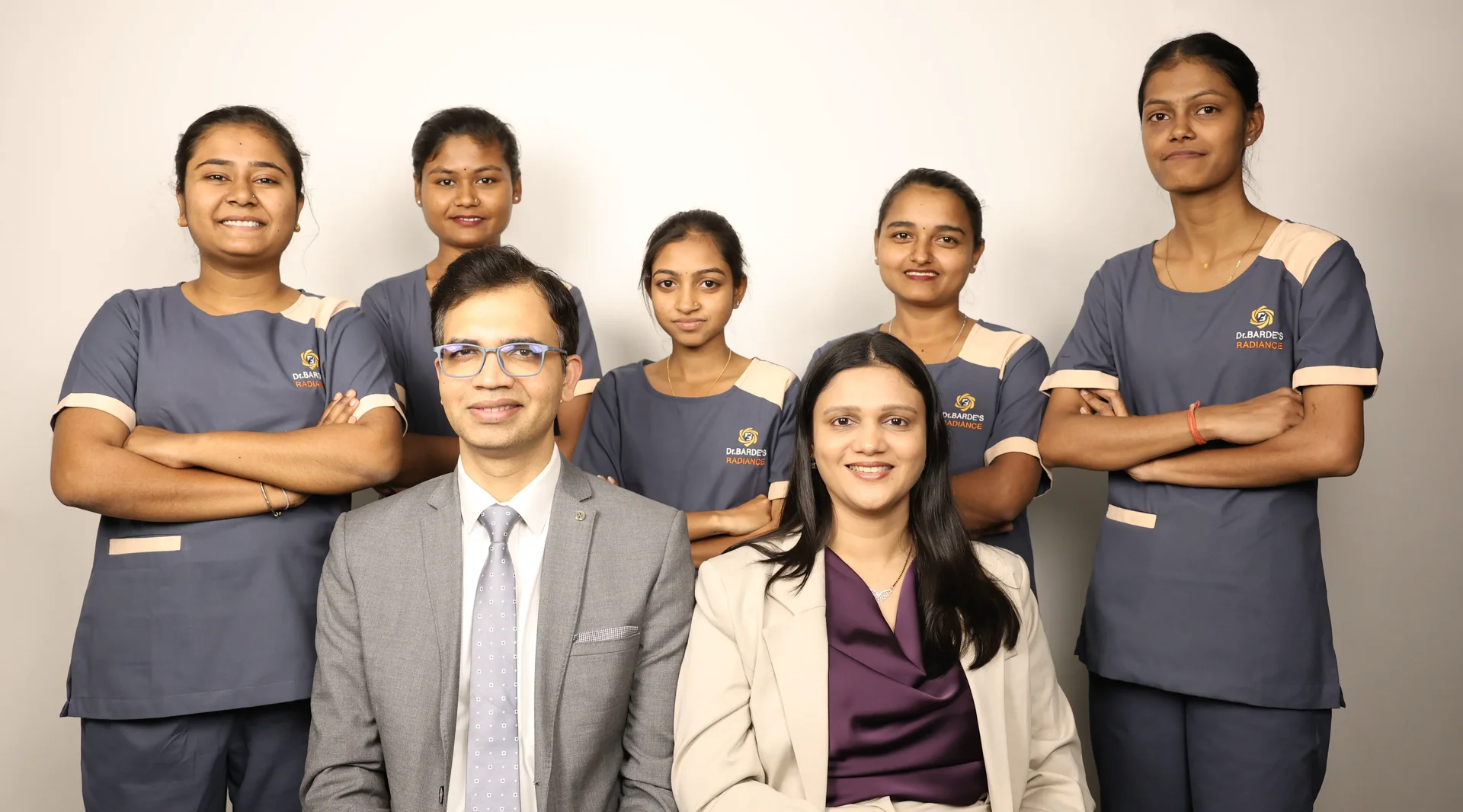
About Radiance Clinic
Radiance Clinic in Nagpur provides comprehensive, evidence-informed medical dermatology and aesthetic care, holding a 4.9-star rating from over 1,800 verified patient reviews. Founded by Dr. Nitin Barde and directed by Dr. Radhika Barde, the clinic combines advanced diagnostic precision with compassionate, individualized treatment plans designed for sustainable skin health.
The facility features modern procedural suites, dedicated consultation spaces, and strict medical sterilization standards, ensuring patient safety, comfort, and confidentiality at every visit. Conveniently located on the 2nd Floor of Panchavati Tower, Wardha Rd, beside Hitvada Press & Shatau Hospital, near Dhantoli, the clinic serves patients across Dhantoli, Ramdaspeth, and greater Nagpur with consultations available Monday to Saturday.
Explore Expert Skin & Laser Guides
Explore dermatology, laser toning, chemical peels, and melasma management guides written and reviewed by our clinical dermatologists.

Dry Skin in Winter: A Dermatologist Guide to Winter Skin Care Routine in Nagpur
Winter brings pleasant weather to Nagpur and Central India, but it also brings dry northerly winds and sharp drops in atmospheric humidity. When indoor and outdoor humidity levels drop below 40%, the moisture gradient pulls water out of the stratum corneum through accelerated transepidermal water loss (TEWL). Without proactive routine adjustments, simple dryness quickly progresses into cracked skin, chapped lips, painful heels, or persistent winter itching. This guide explains the physiological mechanisms behind winter skin dehydration, outlines an evidence-based morning and evening winter skin care routine, provides comparison guidance between dry skin and eczema, and presents clinical solutions available at Radiance Clinic in Nagpur.
Dr. Radhika Barde
M.B.B.S, DCH, DDV, FAD
Pigmentation on Face: Melasma vs Sunspots vs Dark Spots - Which Treatment Actually Works
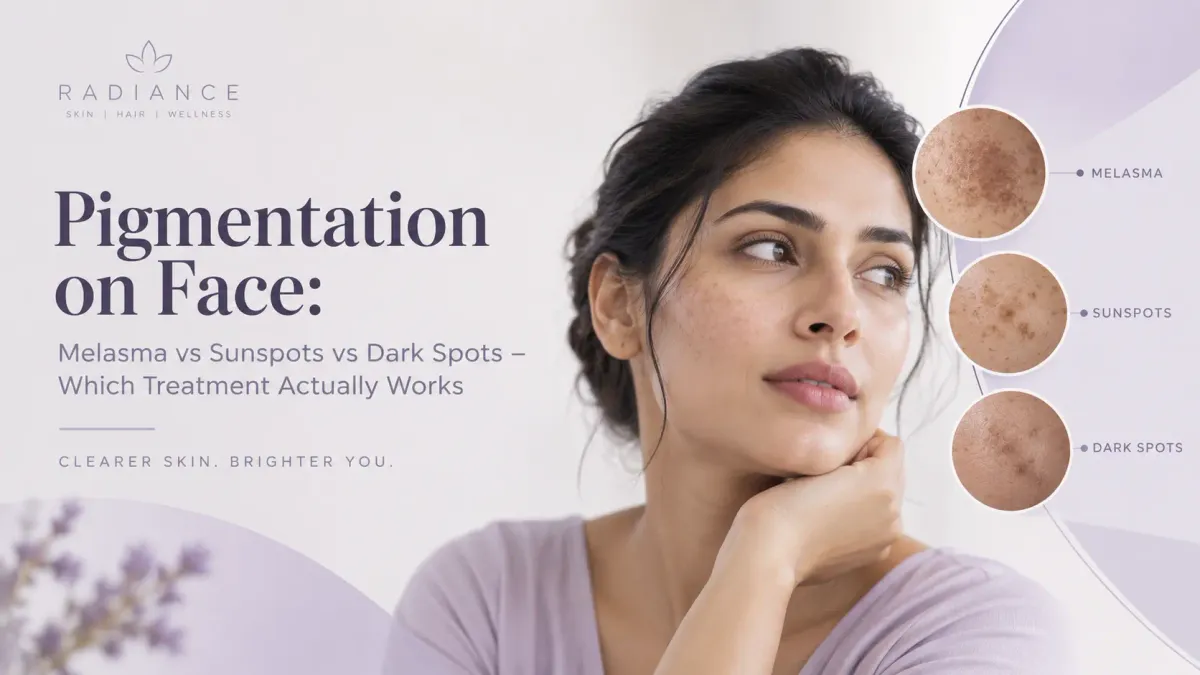
Pigmentation on the face requires targeted treatments rather than a one-size-fits-all approach. Chemical peels and laser pigmentation reduction work well for deep-rooted melasma and post-inflammatory marks, but proper diagnosis is the essential first step. Treating pigmentation early with a dermatologist ensures safe and lasting results for Indian skin tones. Pigmentation on the face requires targeted treatments rather than a one-size-fits-all approach. Chemical peels and laser pigmentation reduction work well for deep-rooted melasma and post-inflammatory marks, but proper diagnosis is the essential first step. Treating pigmentation early with a dermatologist ensures safe and lasting results for Indian skin tones.
Dr. Radhika Barde
M.B.B.S, DCH, DDV, FAD
Acne Scars: Boxcar, Rolling & Icepick and Which Treatment Works for Which Type
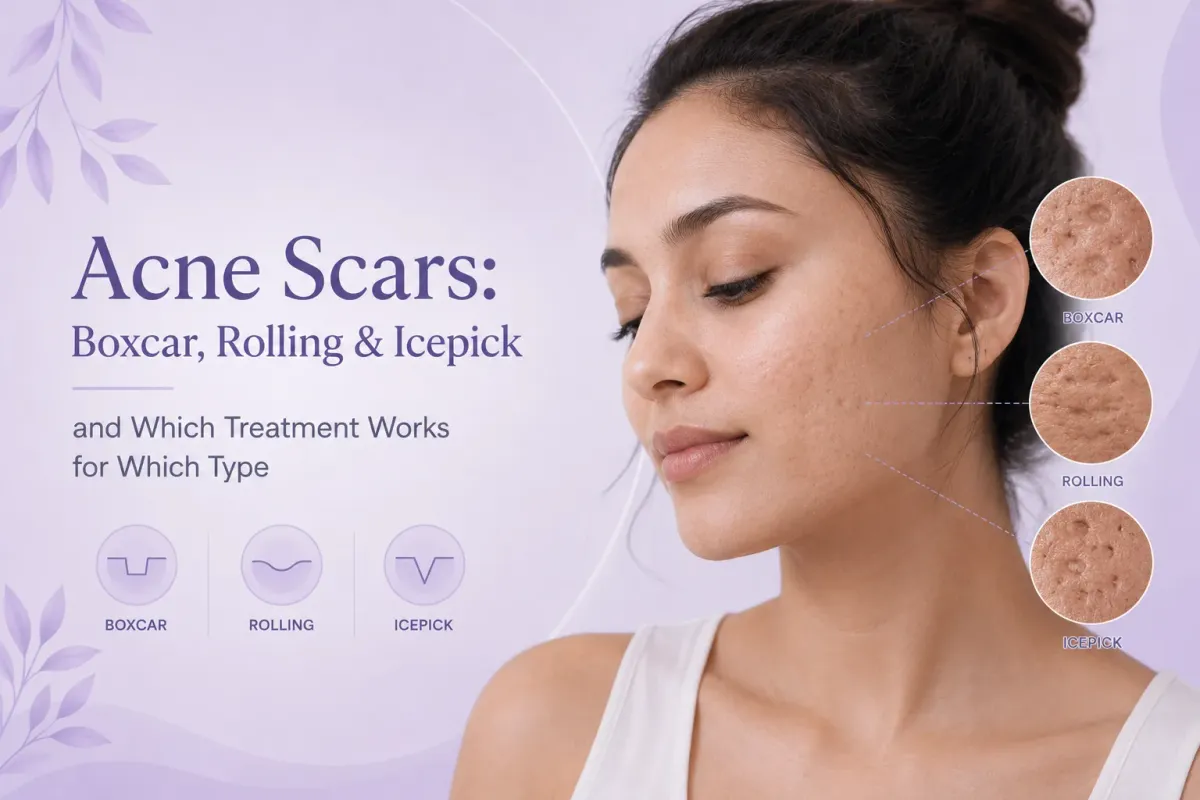
Different acne scars require highly specific clinical treatments to see real improvement. Icepick scars respond best to TCA Cross. Boxcar scars improve most with fractional lasers and Dermapen microneedling. Rolling scars require subcision to release tethered skin. Because most people have a complex combination of these scar types, a customized treatment plan from a dermatologist yields the safest and most effective results.
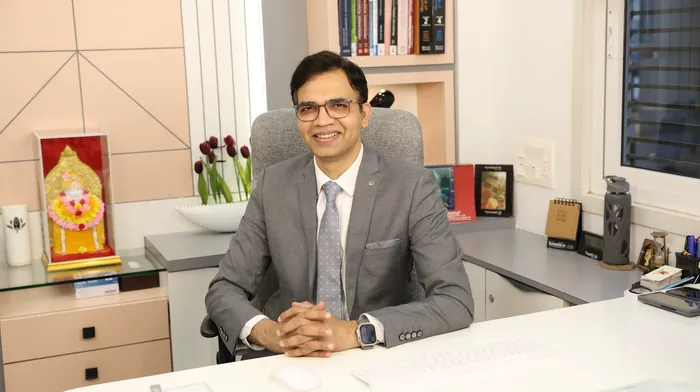
Dr. Nitin Barde
M.B.B.S, M.D, FRGUHS
Trusted by Thousands in Nagpur
Discover why people choose Radiance Clinic for premium treatments.

- ★★★★★
Dr. Nitin is exceptional! PRP sessions significantly helped my hair growth. Best place for hair and skin treatment in Nagpur!
- ★★★★★
Professional care tailored to my health. Dr. Nitin is knowledgeable and patient. Trustworthy clinic with very supportive staff!
- ★★★★★
Smooth, painless hair transplant with excellent post-op care. Feeling more confident already. Best dermatologist in Nagpur! 🤗🙏
- ★★★★★
Saw great improvement in my scalp and hair condition! Dr. Nitin is highly professional and knowledgeable. Highly recommended.
- ★★★★★
Best dermatology clinic in Nagpur! The team is highly experienced and they truly care about their patients' well-being.
- ★★★★★
Highly experienced dermatologist and skilled team. They truly care and provide great results for skin and hair. Great experience!
- ★★★★★
Radiance Clinic offers excellent skin treatment with professional and caring staff. I’ve seen great results and highly recommend it to anyone in Nagpur.
- ★★★★★
I came here for hair laser removal. Very nice service and treatment for fast. The clinic is hygienic and has positive environment. Amazing experience.
- ★★★★★
Friendly and supportive behavior. Perfect treatment and suggestions. Best doctor for skin and hair treatment in Nagpur!

Frequently Asked Questions
Get clarity on our advanced treatments from the leading skin doctor and hair clinic in Nagpur.