

Melasma Treatment in Nagpur
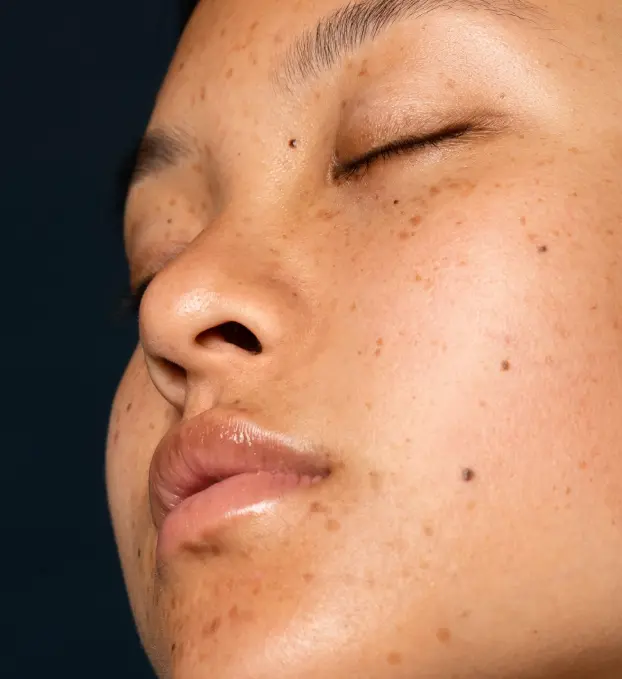
Home / Services / Skin / Melasma TreatmentMelasma is a chronic pigmentary disorder characterized by symmetrical brownish facial macules and patches driven by sun exposure and hormonal fluctuations. Radiance Clinic treats it with personalized clinical protocols for melasma treatment in Nagpur, combining prescription topicals, superficial chemical peels, and low-fluence laser toning to clear pigment and sustain long-term remission.
Treatment Quick Facts
- First Step
Clinical evaluation, Wood's lamp examination, and dermoscopic depth assessment by a doctor.
- Best For
Epidermal, dermal, and mixed melasma, pregnancy-related chloasma, and stubborn facial patches.
- Treatment Options
Prescription topical formulations, medical chemical peels, low-fluence laser toning, and systemic stabilizing therapies.
- Response
First visible lightening at 6 to 8 weeks, significant clearing at 3 to 6 months, and maintenance ongoing.
- Price
Consultation-based depending on depth of pigment, chosen modalities, and session frequency.
What Is Melasma?
Melasma is a chronic, acquired relapsing hypermelanosis characterized by symmetrical, brownish or blue-gray macules and patches across sun-exposed areas of the face. Unlike the small, discrete genetic spots addressed through freckles treatment or the localized post-inflammatory marks managed under pigmentation reduction, melasma forms larger, irregular, confluent plaques. It predominantly follows three clinical distribution patterns: centrofacial (affecting the forehead, cheeks, nose, upper lip, and chin), malar (concentrated on the cheeks and nose), and mandibular (along the jawline).
The condition arises from an intricate interplay of hyperactive melanocytes, ultraviolet and visible light radiation, hormonal fluctuations (such as pregnancy, oral contraceptives, or thyroid dysfunction), and vascular endothelial growth factors. Based on pigment depth, dermatologists classify melasma into epidermal (superficial brown), dermal (deeper ash-gray), or mixed types, with mixed pigmentation being the most frequent presentation in Indian skin phototypes.
Facial Patterns of Melasma Deposition
Centrofacial Pattern
The most prevalent presentation, covering the central zones of the face where sun exposure and oil gland density converge.
Malar Pattern
Concentrated specifically over bilateral cheek prominence and across the nose bridge in a butterfly-like distribution.
Mandibular Pattern
Presents along the lower ramus of the jawline, often associated with prominent hormonal and vascular components.
Epidermal, Dermal, and Mixed Melasma
Epidermal Melasma
Location: Stratum corneum down to basal epidermal layer
Enhanced contrast under Wood's lamp; responds well to prescription topicals and superficial chemical peels.
Dermal Melasma
Location: Perivascular and melanophage deposits in the dermis
No accentuation under Wood's lamp; requires photoacoustic low-fluence laser toning and systemic stabilization.
Mixed Melasma
Location: Pigment distributed across both epidermis and dermis
Requires a calibrated multi-modal ladder combining medical topicals, superficial peeling, and gentle laser toning.
Clinical Melasma Treatment Overview
Medical melasma management focuses on downregulating melanin synthesis, exfoliating existing pigment, and preventing chronic recurrences through a controlled dermatological ladder. Because melasma is a biologically reactive condition with no permanent cure, self-medication with unverified home remedies or over-the-counter bleaching creams frequently causes paradoxical darkening.
Consulting a dermatologist ensures accurate depth diagnosis and safe treatment selection. Treatment options include medical-grade topical formulations, supervised in-clinic peeling, and specialized laser technology. For initial clearance, dermatologists often prescribe targeted topical regimens, followed by non-hydroquinone maintenance agents. When stubborn pigment persists, options include a specialized chemical peel for melasma or gentle melasma laser treatment using low-fluence toning. Dermatologist-guided care prevents thermal trauma, minimizes rebound hyperpigmentation, and supports extended periods of clear, even-toned skin.
Key Benefits of Clinical Melasma Treatment
Dermatological supervision provides structured, depth-specific intervention over aggressive or unverified over-the-counter products:
Depth-Specific Targeting
Rebound Pigment Prevention
Vascular & Hormonal Stabilization
Complementary Skin Rejuvenation
| Clinical Focus | What It Aims to Deliver |
|---|---|
| Depth-Specific Targeting | Differentiates epidermal from deeper dermal pigment via Wood's lamp and dermoscopy |
| Rebound Pigment Prevention | Applies calibrated sub-thermolytic protocols to avoid post-inflammatory hyperpigmentation |
| Vascular & Hormonal Stabilization | Addresses underlying microvascular erythema and hormonal melanocyte triggers |
| Complementary Skin Rejuvenation | Coordinates overall facial radiance with laser facial carbon peels; photo facial options are considered only after pigment is stabilized, using low-energy settings. |
How Do Clinical Treatment Approaches Compare?
Treatment options include topical, chemical, and energy-based modalities calibrated to skin phototype and pigment depth:
| Feature | Prescription Topical Regimens | Dermatological Chemical Peels | Advanced Laser Toning & Devices |
|---|---|---|---|
| Mechanism | Triple combination agents or tyrosinase inhibitors | Controlled acid exfoliation (chemical peels) | Low-fluence Q-switched Nd:YAG or picosecond laser |
| Best Suited For | First-line care for all depths; maintenance therapy | Epidermal and mixed melasma resistant to topicals | Stubborn dermal pigment and vascular components |
| Action | Suppresses melanogenesis and speeds cell turnover | Exfoliates melanin-laden keratinocytes | Disperses dermal melanosomes via photoacoustic effect |
| Administration | Daily patient-applied home care | In-clinic doctor application every 2 to 4 weeks | Supervised laser sessions every 1 to 4 weeks (5 to 10 sessions) |
| Safety Monitoring | Periodic barrier checks; drug holiday rotations | Post-peel healing review; pre-peel priming | Low sub-thermolytic energy monitoring to prevent PIH |
| Typical Response | Lightening at 6 to 8 weeks; clearing at 3 to 6 months | Lightening at 6 to 8 weeks; clearing at 3 to 6 months | Lightening at 6 to 8 weeks; clearing at 3 to 6 months |
Prescription Topicals
First-Line & MaintenanceTriple combination agents or tyrosinase inhibitors
First-line care for all depths; maintenance therapy
Suppresses melanogenesis and speeds cell turnover
Daily patient-applied home care under medical guidance
Periodic barrier checks; drug holiday rotations to prevent ochronosis
First lightening at 6 to 8 weeks; clearing at 3 to 6 months; ongoing maintenance
How Is Melasma Assessed and Managed?
Clinical melasma care follows a structured outpatient dermatological pathway designed for patient safety and long-term remission:
Dermatological Assessment & Mapping
The doctor pairs a Wood's lamp examination with dermoscopy (as Wood's lamp is less reliable in darker skin) to accurately map pigment depth, evaluate cutaneous vascular redness, and calculate the baseline Melasma Area and Severity Index (MASI) score.
Pre-Procedure Skin Priming
The skin is primed for 2 to 4 weeks with gentle topical tyrosinase inhibitors and barrier support to quiet hyperactive melanocytes, stabilize melanin production, and minimize procedure-related rebound hyperpigmentation.
Phased In-Clinic Interventions
Treatment options include custom chemical peel for melasma formulations, gentle melasma laser treatment toning courses (every 1 to 4 weeks, typically 5 to 10 sessions), or oral systemic stabilizing agents prescribed after medical screening.
Long-Term Maintenance & Photoprotection
The patient is transitioned to non-hydroquinone maintenance creams, barrier-strengthening ceramides, and tinted mineral sunscreens with iron oxides to support sustained pigment stability and prevent recurring flares.
Is Melasma Treatment Safe? Consultation and Candidacy
During consultation, the doctor performs comprehensive safety screening tailored to Fitzpatrick skin phototypes III to V, which are highly susceptible to post-inflammatory hyperpigmentation (PIH). Melasma care is safe and predictable when managed by an experienced physician.
Fitzpatrick III-V Melanin Protection
Indian skin phototypes possess highly reactive melanocytes prone to post-inflammatory hyperpigmentation (PIH). All clinical interventions strictly utilize sub-thermolytic parameters and pre-treatment priming to ensure procedural safety.
Ablative Thermal Laser Avoidance
High-heat ablative lasers like CO2 lasers and aggressive deep chemical peels are strictly contraindicated for melasma, as thermal injury frequently provokes severe paradoxical rebound hyperpigmentation.
Controlled Prescription Topicals
Prescription topical depigmenting combinations are prescribed strictly in cyclical intervals under dermatological supervision to avoid exogenous ochronosis, telangiectasia, and skin thinning.
Systemic Screening for Oral Stabilizing Agents
When oral systemic stabilizing agents are indicated for stubborn microvascular melasma, doctors conduct thorough cardiovascular and hematological screening to rule out clotting disorders, DVT, and renal impairment.
When to Seek Urgent Medical Care
Sudden facial skin blistering, severe burning sensations, intense peeling with open erosions, or signs of secondary bacterial infection following unmonitored chemical applications or home remedies require prompt clinical intervention rather than routine outpatient skincare.
Aftercare, Sun Protection, and Flare Prevention
Successful melasma management depends fundamentally on consistent home photoprotection and avoidance of known triggers. Key protocols include:
Tinted Mineral Sunscreen (SPF 50+ PA++++)
Apply broad-spectrum mineral sunscreen every morning. Tinted formulas containing iron oxides are essential to block visible high-energy blue light, which actively stimulates melanocytes in darker Indian skin.
Reapply Every 2-3 Hours & Physical Shade
Sunscreen protection diminishes with sweat and oil. Reapply every 2 to 3 hours during daylight hours, and reinforce defense with wide-brimmed hats and UV-filtering sunglasses when outdoors.
Avoid Direct Infrared Heat & Steam
Avoid saunas, steam rooms, hot yoga, and leaning directly over boiling cooking stoves. Ambient thermal heat dilates cutaneous microvessels and triggers melanocyte reactivity.
Barrier-Strengthening Skincare
Use gentle, non-foaming cleansers and ceramide-rich moisturizers to maintain an intact skin barrier, keeping skin hydrated and resilient against environmental stressors.
Zero Abrasive Scrubs or Friction
Never scrub or vigorously rub pigmented areas. Mechanical friction disrupts the fragile epidermal barrier and easily induces stubborn post-inflammatory darkening.
What Influences the Melasma Laser Treatment Cost in Nagpur?
Because melasma is an ongoing dermatological condition rather than a one-time cosmetic service, the melasma laser treatment cost in Nagpur and overall care expenses vary according to individual skin requirements. Total investment is determined during your initial dermatological consultation based on several key medical factors:
Pigment Depth & Complexity
Superficial epidermal pigmentation typically requires fewer sessions and simpler peeling formulations compared to deeper dermal or mixed melasma requiring combined laser toning and systemic stabilization.
Therapeutic Modalities Selected
Expenses vary depending on whether management requires medical-grade topical formulations alone, multiple in-clinic chemical peels, or low-fluence Q-switched laser toning courses.
Session Frequency & Facial Area
Treating isolated malar cheek patches involves different time and session commitments than full centrofacial melasma requiring 5 to 10 laser toning visits spaced 1 to 4 weeks apart.
Diagnostic Dermoscopy & Maintenance
Comprehensive Wood's lamp examination, high-resolution dermoscopic depth mapping, and ongoing doctor follow-ups to transition to non-hydroquinone maintenance agents.
During your initial consultation at Radiance Clinic, our dermatologist evaluates the skin, determines the pigment depth, and outlines a clear therapeutic roadmap to ensure transparent financial expectations.
Who Administers Treatments at Radiance Clinic?
At Radiance Clinic, an experienced dermatologist manages each treatment, helping ensure that the procedure is tailored to individual skin characteristics and lesion profiles.

Dr. Nitin Barde
Dr. Nitin Barde is the Founder of Radiance Clinic and a dermatologist with over a decade of clinical experience. He completed his MD in Dermatology in Pune, followed by a Fellowship in Dermatosurgery (FRGUHS) in Bangalore. In 2014, he was awarded the International Society of Dermatologic Surgery (ISDS) Statesmen Award in Jerusalem.
Skin & Aesthetic Dermatology Expertise
- M.D. Dermatology, Pune
- Fellowship in Dermatosurgery (FRGUHS), Bangalore
- Over a decade of clinical experience in dermatology and aesthetic procedures
Dr. Radhika Barde
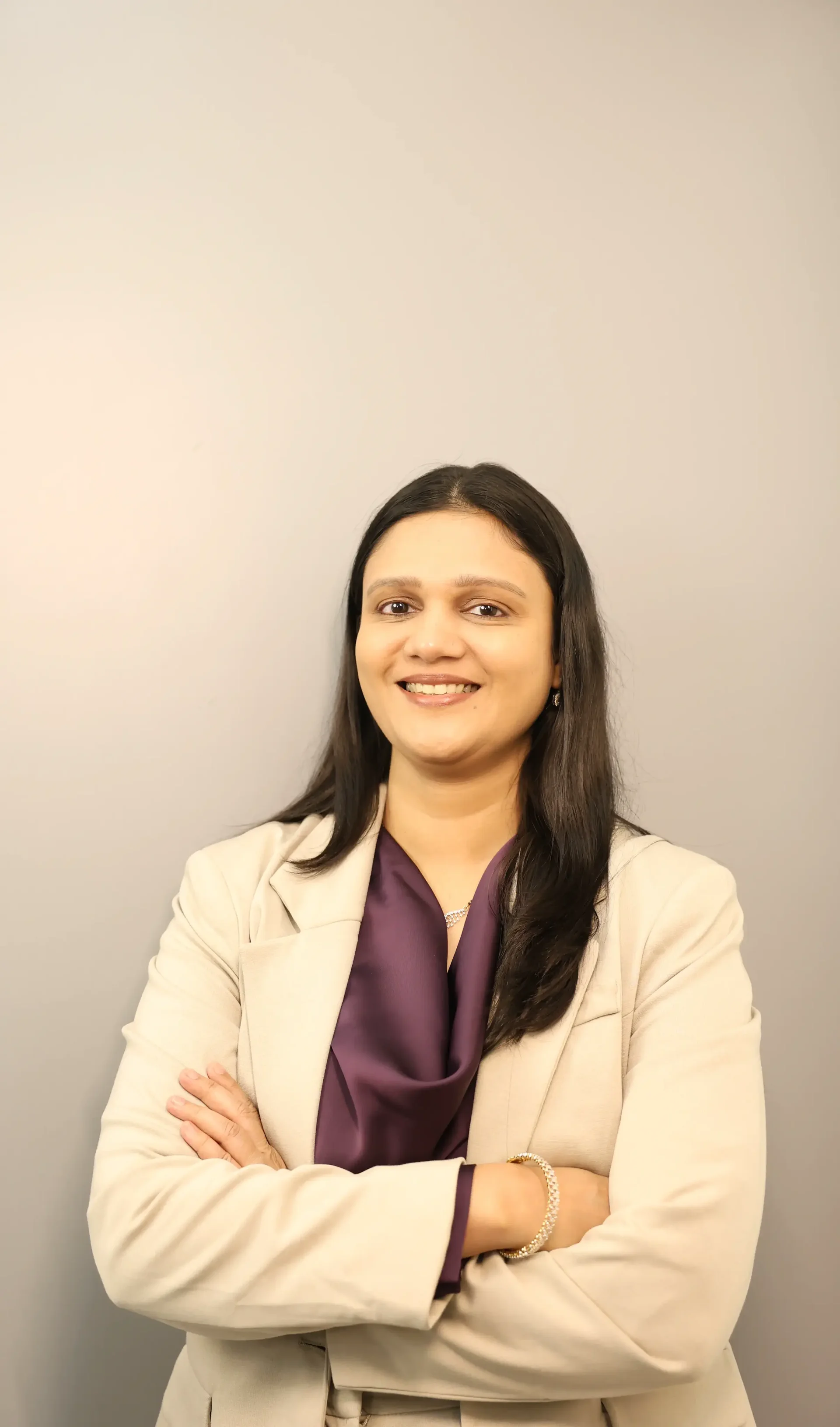
Dr. Radhika Barde is the Director and a Dermatologist at Radiance Clinic. She holds an MBBS, a DCH (Diploma in Child Health), and a DDV (Diploma in Dermatology, Venereology and Leprosy), and has completed a Fellowship in Aesthetic Dermatology (FAD). Her clinical practice includes aesthetic and cosmetic dermatology, alongside her focus on female pattern hair loss and diffuse thinning.
Skin & Aesthetic Dermatology Expertise
- M.B.B.S, DCH, DDV
- Fellowship in Aesthetic Dermatology (FAD)
- Clinical background in aesthetic dermatology and skin health
About Radiance Clinic
Radiance Clinic is a leading centre for dermatology and aesthetic treatments in Nagpur. Known for a patient-first approach and a 4.9-star review rating from over 1,800 verified patient reviews, the clinic provides advanced, evidence-based care in a safe and comfortable environment.
The clinic is conveniently located at 2nd Floor, Panchavati Tower, Wardha Rd, beside Hitvada Press & Shatau Hospital, near Dhantoli. Serving patients across Dhantoli, Ramdaspeth, and central Nagpur, the facility ensures privacy and clinical excellence in every visit.

Explore Expert Skin & Pigmentation Guides
Read evidence-based clinical articles on hyperpigmentation, laser toning, chemical peels, and sun care written and reviewed by our dermatologists.

Dry Skin in Winter: A Dermatologist Guide to Winter Skin Care Routine in Nagpur
Winter brings pleasant weather to Nagpur and Central India, but it also brings dry northerly winds and sharp drops in atmospheric humidity. When indoor and outdoor humidity levels drop below 40%, the moisture gradient pulls water out of the stratum corneum through accelerated transepidermal water loss (TEWL). Without proactive routine adjustments, simple dryness quickly progresses into cracked skin, chapped lips, painful heels, or persistent winter itching. This guide explains the physiological mechanisms behind winter skin dehydration, outlines an evidence-based morning and evening winter skin care routine, provides comparison guidance between dry skin and eczema, and presents clinical solutions available at Radiance Clinic in Nagpur.
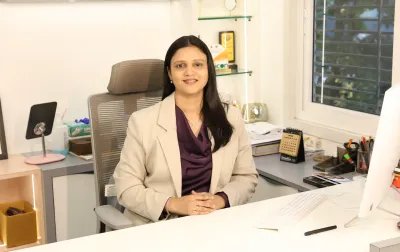
Dr. Radhika Barde
M.B.B.S, DCH, DDV, FAD
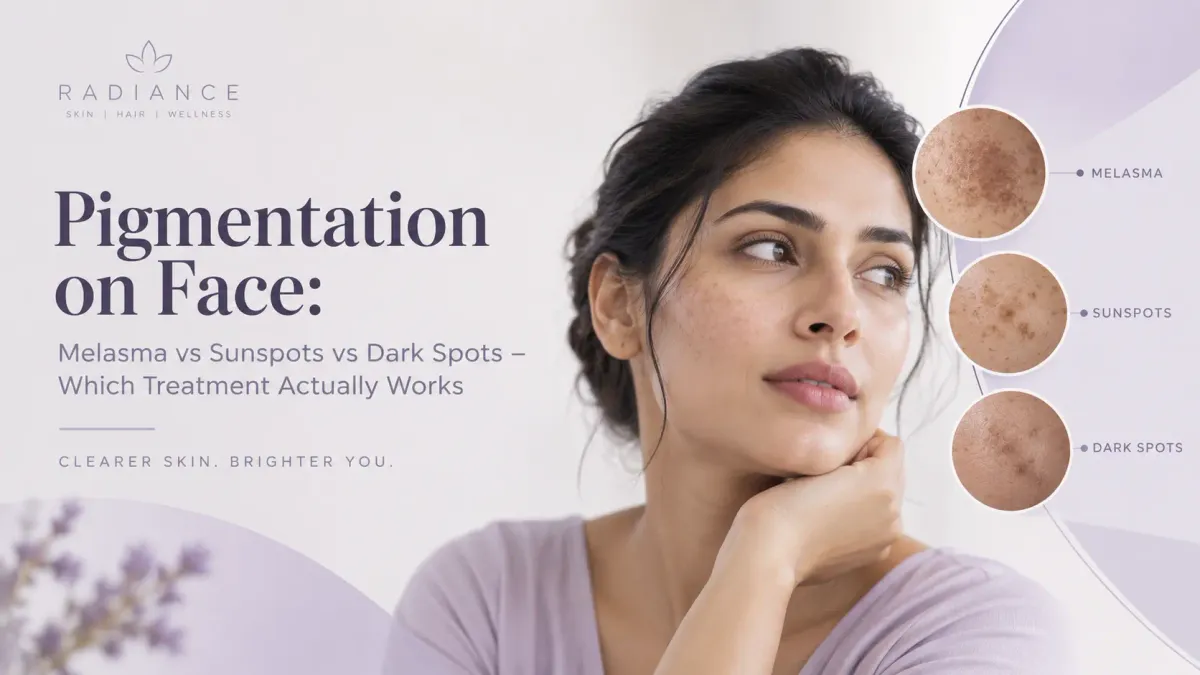
Pigmentation on Face: Melasma vs Sunspots vs Dark Spots - Which Treatment Actually Works
Pigmentation on the face requires targeted treatments rather than a one-size-fits-all approach. Chemical peels and laser pigmentation reduction work well for deep-rooted melasma and post-inflammatory marks, but proper diagnosis is the essential first step. Treating pigmentation early with a dermatologist ensures safe and lasting results for Indian skin tones. Pigmentation on the face requires targeted treatments rather than a one-size-fits-all approach. Chemical peels and laser pigmentation reduction work well for deep-rooted melasma and post-inflammatory marks, but proper diagnosis is the essential first step. Treating pigmentation early with a dermatologist ensures safe and lasting results for Indian skin tones.
Dr. Radhika Barde
M.B.B.S, DCH, DDV, FAD
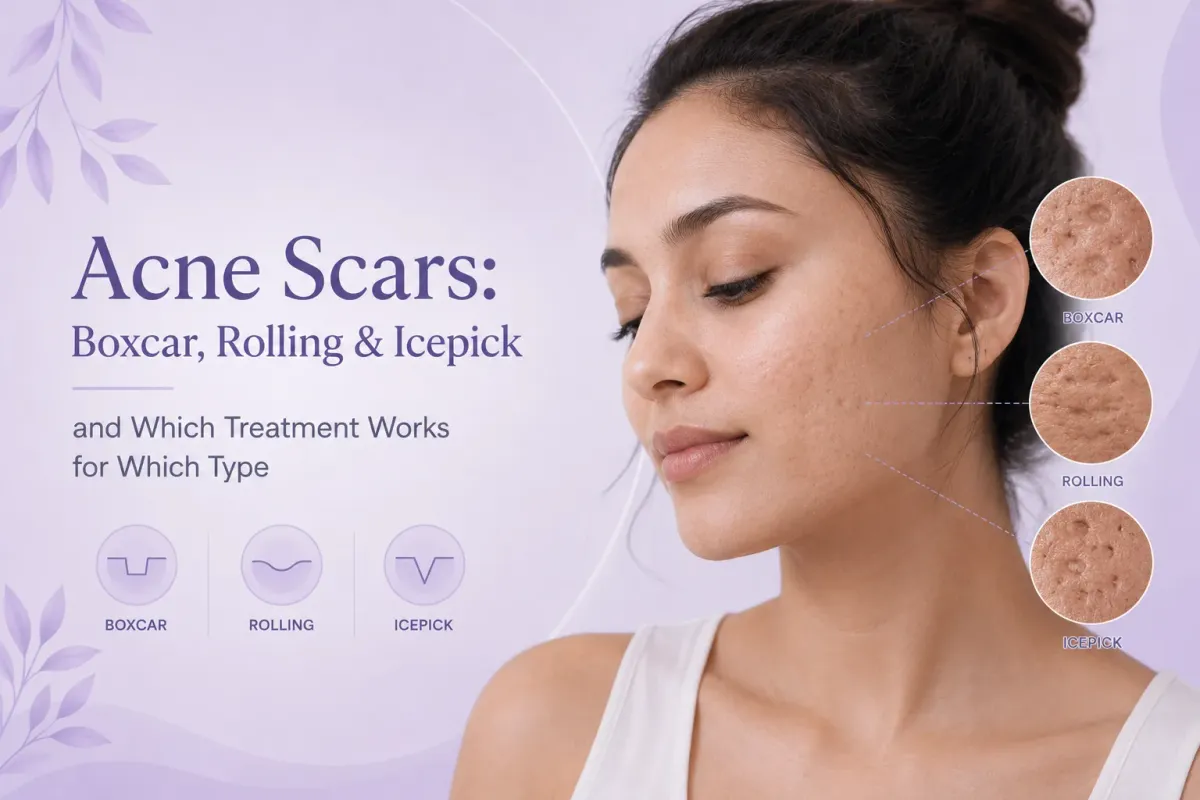
Acne Scars: Boxcar, Rolling & Icepick and Which Treatment Works for Which Type
Different acne scars require highly specific clinical treatments to see real improvement. Icepick scars respond best to TCA Cross. Boxcar scars improve most with fractional lasers and Dermapen microneedling. Rolling scars require subcision to release tethered skin. Because most people have a complex combination of these scar types, a customized treatment plan from a dermatologist yields the safest and most effective results.
Dr. Nitin Barde
M.B.B.S, M.D, FRGUHS
Trusted by Thousands in Nagpur
Discover why people choose Radiance Clinic for premium treatments.

- ★★★★★
Dr. Nitin is exceptional! PRP sessions significantly helped my hair growth. Best place for hair and skin treatment in Nagpur!
- ★★★★★
Professional care tailored to my health. Dr. Nitin is knowledgeable and patient. Trustworthy clinic with very supportive staff!
- ★★★★★
Smooth, painless hair transplant with excellent post-op care. Feeling more confident already. Best dermatologist in Nagpur! 🤗🙏
- ★★★★★
Saw great improvement in my scalp and hair condition! Dr. Nitin is highly professional and knowledgeable. Highly recommended.
- ★★★★★
Best dermatology clinic in Nagpur! The team is highly experienced and they truly care about their patients' well-being.
- ★★★★★
Highly experienced dermatologist and skilled team. They truly care and provide great results for skin and hair. Great experience!
- ★★★★★
Radiance Clinic offers excellent skin treatment with professional and caring staff. I’ve seen great results and highly recommend it to anyone in Nagpur.
- ★★★★★
I came here for hair laser removal. Very nice service and treatment for fast. The clinic is hygienic and has positive environment. Amazing experience.
- ★★★★★
Friendly and supportive behavior. Perfect treatment and suggestions. Best doctor for skin and hair treatment in Nagpur!

Frequently Asked Questions
Get clarity on our advanced treatments from the leading skin doctor and hair clinic in Nagpur.