

Keloid Treatment in Nagpur
Home / Services / Skin / Keloid TreatmentA keloid is a benign, fibroproliferative cutaneous lesion characterized by excessive collagen deposition that extends beyond the boundaries of an original skin wound. For keloid treatment in Nagpur, Radiance Clinic provides dermatologist-led protocols including intralesional injections, cryotherapy, and laser therapy to flatten scars and minimize recurrence.
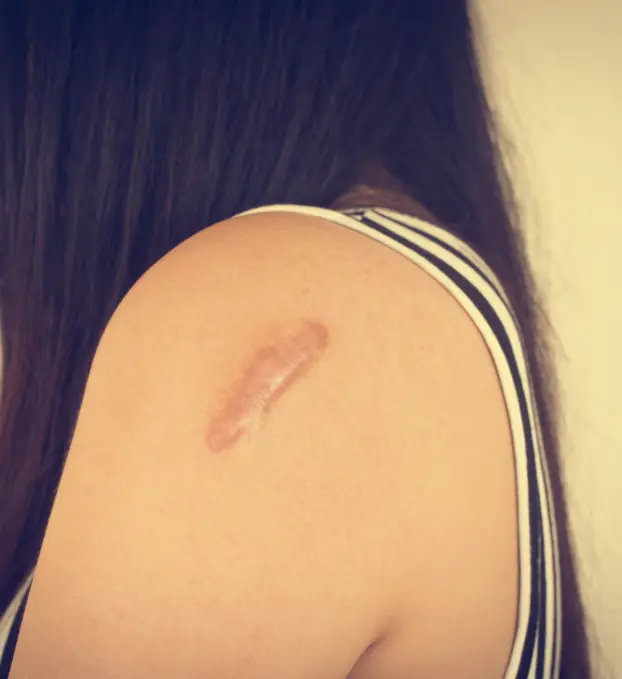
Quick Facts: Clinical Keloid Protocol
- Fact 01First Step
Clinical dermoscopy and tissue depth assessment by a dermatologist.
- Fact 02Best For
Raised, firm, itchy, or painful keloid scars on the earlobes, chest, shoulders, jawline, and back.
- Fact 03Treatment Options Include
Intralesional steroid injections, contact or intralesional cryotherapy, vascular lasers, and surgical excision with adjuvant therapy.
- Fact 04Response
Initial lesion softening at 4 to 8 weeks, significant flattening at 3 to 6 months, and ongoing recurrence monitoring.
- Fact 05Price
Starting from ₹4,000 with individualized clinical staging and transparent modality guidance.
What Is a Keloid?
A keloid is an exuberant fibroproliferative scar that develops when the skin's physiological wound healing response fails to terminate normally. Following cutaneous injury, fibroblasts synthesize excessive, disorganized bundles of type I and type III collagen that continually expand past the original margins of the inciting wound, actively invading neighboring healthy dermis. Unlike normal wound remodeling managed under scar revision or hypertrophic scars that remain strictly confined to the initial injury site, keloids rarely regress on their own and exhibit notoriously high rates of recurrence.
Keloids occur with significantly higher frequency in darker skin tones (Fitzpatrick phototypes III to VI), making Indian skin phototypes particularly susceptible following cutaneous trauma, ear piercings, or inflammatory acne. Keloids arise most frequently across anatomical zones with elevated mechanical skin tension, including the presternal chest, deltoid shoulders, upper back, posterior neck, jawline, and earlobes. Clinically, they present as thick, firm, rubbery nodules ranging in color from flesh-toned to erythematous or violaceous. Beyond cosmetic disfigurement, keloids frequently cause distressing physical symptoms such as chronic pruritus, persistent burning sensations, hypersensitivity to touch, localized tenderness, and physical contractures that restrict joint mobility.
Distinguishing Keloids, Hypertrophic Scars, and Surgical Scars
Accurate clinical differentiation ensures patients do not undergo counterproductive treatments that exacerbate fibroblastic activity.
| Scar Type | Tissue Margin Extension | Maturation & Regression Timeline | Recurrence Probability |
|---|---|---|---|
Keloid ScarHigh Recurrence Potential | Spreads past wound margins into healthy adjacent skin | Arises months later; rarely regresses spontaneously | High (40% to 50% overall, 50% to 80% with surgery alone) |
Hypertrophic ScarConfined Tissue Response | Remains strictly within original injury boundaries | Often softens or flattens over 12 to 18 months | Low recurrence following standard maturation or revision |
Normal Surgical ScarPhysiological Healing | Confined to surgical incision lines | Matures, contracts, and fades flatly over 6 to 12 months | Minimal recurrence risk once healed |
Clinical Keloid Treatment Overview
Medical management of keloids requires a structured, stepwise dermatological ladder that arrests cellular proliferation, breaks down dense collagen matrix bundles, and prevents chronic recurrence. Because keloids possess an aggressive biological tendency to regrow, attempting unguided home remedies, corrosive chemical applications, or simple standalone surgical excision frequently provokes severe inflammatory rebounds, carrying an unacceptable 50 to 80 percent recurrence rate. However, when surgical excision is immediately combined with adjuvant therapies, recurrence rates drop substantially to roughly 15 to 50 percent. Consulting an experienced keloid specialist or dermatologist ensures precise tissue differentiation and safe therapeutic staging.
Treatment options include medical intralesional injections, cryosurgical freezing, vascular lasers, and surgical core or shave excision combined with post-operative adjuvant therapies. For early or actively expanding lesions, dermatologists often prescribe targeted intralesional steroid injections to halt fibroblastic synthesis. Cryotherapy works best on small, thin keloids and is often paired with intralesional injections, with freeze times calibrated to about 10 to 30 seconds per cycle. For thicker or recalcitrant scars, dermatologists utilize specialized intralesional cryoneedle technology (a double-lumen needle probe that freezes the scar core from within while sparing overlying surface melanocytes) or laser treatment for keloids using vascular wavelengths to collapse microvessels feeding the scar. Dermatologist-led multimodal care reduces scar height, softens fibrous firmness, relieves chronic itching, and minimizes the likelihood of future regrowth.
Key Benefits of Clinical Keloid Treatment
Dermatological supervision provides structured, multimodal intervention that addresses both scar height and cellular recurrence pathways:
Tissue Volume Reduction
Arrests fibroblast proliferation to flatten raised, dense, rubbery scar nodules.
Symptom Alleviation
Relieves chronic itching, localized tenderness, burning sensations, and physical tension.
Recurrence Prevention
Combines primary reduction with adjuvant therapies to lower recurrence from 50% - 80% down to 15% - 50%.
Vascular Normalization
Targets feeding microvessels via laser treatment for keloids to diminish erythema and normalize tone.
How Do Clinical Treatment Approaches Compare?
Treatment options include intralesional, cryogenic, energy-based, and surgical modalities selected according to keloid volume, duration, and skin phototype:
| Feature | Intralesional Steroid InjectionsFirst-Line Medical Protocol | Cryotherapy for KeloidsContact & Cryoneedle Freezing | Advanced Laser & Surgical ExcisionVascular Targeting & Core Removal |
|---|---|---|---|
| Mechanism | Inhibits fibroblast proliferation and halts collagen synthesis | Induces microvascular thrombosis and cryogenic cellular destruction | Coagulates scar microvessels or excises bulk tissue with adjuvant care |
| Best Suited For | First-line care for actively growing, itchy, or painful keloids | Small, thin keloids, earlobe nodules; often paired with steroid injections | Erythematous keloids, mature thick lesions, or pedunculated earlobe scars |
| Procedure Details | Targeted delivery of intralesional steroid formulations | Surface contact freeze or intralesional cryoneedle core probe | Vascular pulsed dye/Nd:YAG laser or core excision with immediate adjuvant care |
| Administration | In-clinic doctor injection every 4 to 6 weeks | Freeze cycles of 10 to 30 seconds every 4 to 8 weeks | Supervised laser sessions every 4 to 6 weeks or day-care surgical excision |
| Safety Monitoring | Monitored to avoid subcutaneous fat atrophy and telangiectasia | Calibrated freeze times (10 to 30s) to avoid long-lasting hypopigmentation | Adjuvant injections and pressure lower recurrence from 50% - 80% to 15% - 50% |
| Typical Response | Softening at 4 to 8 weeks; flattening at 3 to 6 months | Gradual sloughing and flattening over 2 to 4 months | Vascular clearing over 3 to 5 sessions; immediate excision with ongoing care |
Intralesional Steroid Injections
Inhibits fibroblast proliferation and halts collagen synthesis
First-line care for actively growing, itchy, or painful keloids
Targeted delivery of intralesional steroid formulations
In-clinic doctor injection every 4 to 6 weeks
Monitored to avoid subcutaneous fat atrophy and telangiectasia
How Are Keloids Assessed and Managed?
Clinical keloid care follows a structured outpatient dermatological pathway:
Dermatological Assessment
The doctor performs a clinical examination and dermoscopic analysis to evaluate scar maturation, margin extension, vascularity, and physical skin-tension vectors, differentiating keloids from hypertrophic scars or dermatofibromas.
Pre-Treatment Sizing & Staging
The physician measures keloid dimensions, reviews personal healing history, evaluates skin phototype risks, and establishes an individualized multimodal treatment strategy.
Phased In-Clinic Interventions
Treatment options include intralesional steroid injections, cryotherapy for keloids (utilizing 10 to 30 second freeze cycles or intralesional cryoneedles), or targeted laser treatment for keloids administered in scheduled cycles spaced 4 to 6 weeks apart.
Long-Term Adjuvant Maintenance
The patient is transitioned to silicone gel sheeting, custom pressure earrings or compression garments, and periodic clinical reviews to catch and suppress early recurrence signals.
Is Keloid Treatment Safe? Consultation and Candidacy
During clinical consultation, the doctor performs comprehensive safety screening tailored to Fitzpatrick skin phototypes III to VI, which are particularly vulnerable to pigmentary complications. Keloid management is safe when administered by an experienced dermatologist. When performing cryotherapy for keloids, careful exposure timing is essential, as prolonged freezing can destroy epidermal melanocytes and can cause hypopigmentation that may be long-lasting. Contact cryotherapy works best on small, thin keloids, with freeze times calibrated to about 10 to 30 seconds per cycle and frequently paired with steroid injections, while intralesional cryoneedle probes treat dense scar bulk from within to spare surface pigment. Similarly, intralesional corticosteroid injections must be delivered strictly within the keloid stroma; inadvertent extravasation into surrounding normal skin risks localized subcutaneous fat atrophy, skin depression, and visible telangiectasia. For diabetic patients, localized corticosteroid dosing is monitored to avoid systemic blood glucose perturbations, and strict antiseptic protocols protect against delayed wound healing and secondary bacterial infection. If surgical excision is indicated, it must never be performed as a standalone procedure due to its 50 to 80 percent recurrence rate; dermatologists always coordinate immediate post-operative adjuvant therapies to lower recurrence to roughly 15 to 50 percent.
Fitzpatrick III-VI Pigment Preservation
In darker skin tones, freeze times for contact cryotherapy are strictly limited to 10 to 30 seconds per cycle or performed with core intralesional cryoneedles to protect superficial epidermal melanocytes from long-lasting hypopigmentation.
Stromal Injection Accuracy
Intralesional steroid injections are delivered strictly into the keloid core. Inadvertent infiltration of healthy adjacent dermis is avoided to prevent localized subcutaneous fat atrophy, skin depression, and telangiectasia.
Pregnancy, Lactation & Diabetes Protocols
Specific injectable agents may be contraindicated during pregnancy and breastfeeding, with care transitioning to silicone and pressure devices. In diabetic individuals, corticosteroid dosing is monitored to avoid glucose shifts.
Zero Standalone Excision Rule
Surgical removal without immediate adjuvant therapy carries a 50% to 80% recurrence rate. Our surgeons always coordinate immediate post-operative corticosteroid and compression therapies to drop recurrence to 15% to 50%.
Sudden intense throbbing pain, expanding surrounding erythema, purulent drainage, tissue breakdown with open ulceration, or fever following in-clinic injections or surgical excision indicate acute secondary bacterial infection requiring prompt clinical intervention rather than routine scar monitoring.
Aftercare, Pressure Therapy, and Flare Prevention
Long-term keloid suppression depends heavily on diligent post-procedure aftercare and mechanical pressure therapy. Patients must apply medical-grade silicone gel or silicone gel sheets over the treated scar for at least 12 hours daily (ideally 12 to 24 hours) for 2 to 3 months minimum, extending up to 6 months.
Silicone Gel Sheeting (12-24 Hours Daily)
Apply medical-grade silicone sheets or gel over the scar for at least 12 hours daily (ideally 12 to 24 hours) for 2 to 6 months. This creates an occlusive microenvironment that hydrates the stratum corneum, normalizes capillary permeability, and downregulates fibroblast signaling.
Custom Pressure Clip Earrings (24-40 mmHg)
For earlobe keloids, customized clip earrings delivering calibrated continuous mechanical pressure of 24 to 40 mmHg must be worn consistently following excision to suppress cellular recurrence vectors.
Strict Avoidance of Elective Trauma
Individuals predisposed to keloids must strictly refrain from cosmetic ear piercings, body piercings, tattoos, and non-essential elective cutaneous procedures that could trigger aggressive fibroblastic rebounds.
Gentle Barrier Care & Broad-Spectrum Sunscreen
Maintain delicate healing skin with mild, soap-free cleansers, barrier-repair ceramide creams, and high-SPF broad-spectrum sunscreen to prevent post-inflammatory hyperpigmentation over the treated zone.
What Influences the Keloid Treatment Cost in Nagpur?
Because keloids vary widely in volume, chronicity, and recurrence risk, the overall keloid treatment cost in Nagpur and keloid laser treatment cost depend on individual clinical requirements rather than flat package rates. At Radiance Clinic, keloid treatment typically starts from ₹4,000, with total expenses determined by whether the scar requires straightforward intralesional steroid injections, specialized intralesional cryotherapy, multi-session laser treatment for keloids, or surgical excision combined with adjuvant compression therapy. Small, solitary, newly developed keloids typically require fewer sessions and lower therapeutic volumes compared to large, multi-nodular, or long-standing presternal keloids requiring combined medical and laser modalities. During the initial consultation, the dermatologist evaluates the scar, determines tissue firmness, and details a transparent therapeutic roadmap with itemized financial expectations.
Scar Dimensions & Number of Lesions
Small, solitary, newly developed earlobe keloids require significantly lower medication volume and fewer visits than large, multi-nodular, or recalcitrant presternal lesions.
Therapeutic Modalities Selected
Expenses vary whether management entails targeted intralesional steroid injections, contact or cryoneedle freezing, advanced vascular laser coagulation, or surgical excision.
Cumulative Treatment Sessions
Most keloids require 4 to 8 injection cycles spaced 4 to 6 weeks apart, or 3 to 5 laser sessions, with costs distributed comfortably across clinical milestones.
Adjuvant Maintenance & Compression
Long-term recurrence prevention protocols including custom compression earrings and medical-grade silicone sheets are integrated into the overall care plan.
Who Administers Treatments at Radiance Clinic?
At Radiance Clinic, an experienced dermatologist manages each treatment, helping ensure that the procedure is tailored to individual skin characteristics and lesion profiles.
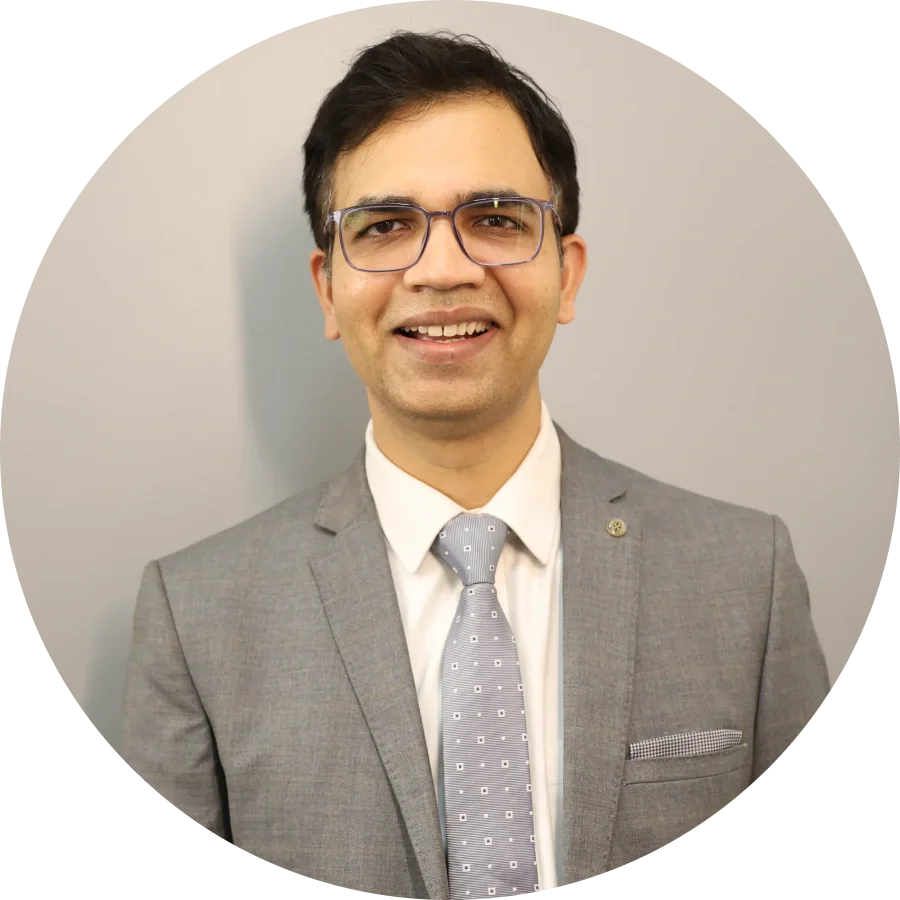
Dr. Nitin Barde
Dr. Nitin Barde is the Founder of Radiance Clinic and a dermatologist with over a decade of clinical experience. He completed his MD in Dermatology in Pune, followed by a Fellowship in Dermatosurgery (FRGUHS) in Bangalore. In 2014, he was awarded the International Society of Dermatologic Surgery (ISDS) Statesmen Award in Jerusalem.
Skin & Aesthetic Dermatology Expertise
- M.D. Dermatology, Pune: Comprehensive academic and clinical training in dermatology, venereology, and cutaneous biology.
- Fellowship in Dermatosurgery (FRGUHS), Bangalore: Advanced surgical and laser sub-specialization for complex aesthetic revisions.
- Over a Decade of Clinical Practice: Dedicated to advanced cutaneous lasers, acne revision, and procedural dermatosurgery tailored to Indian skin.
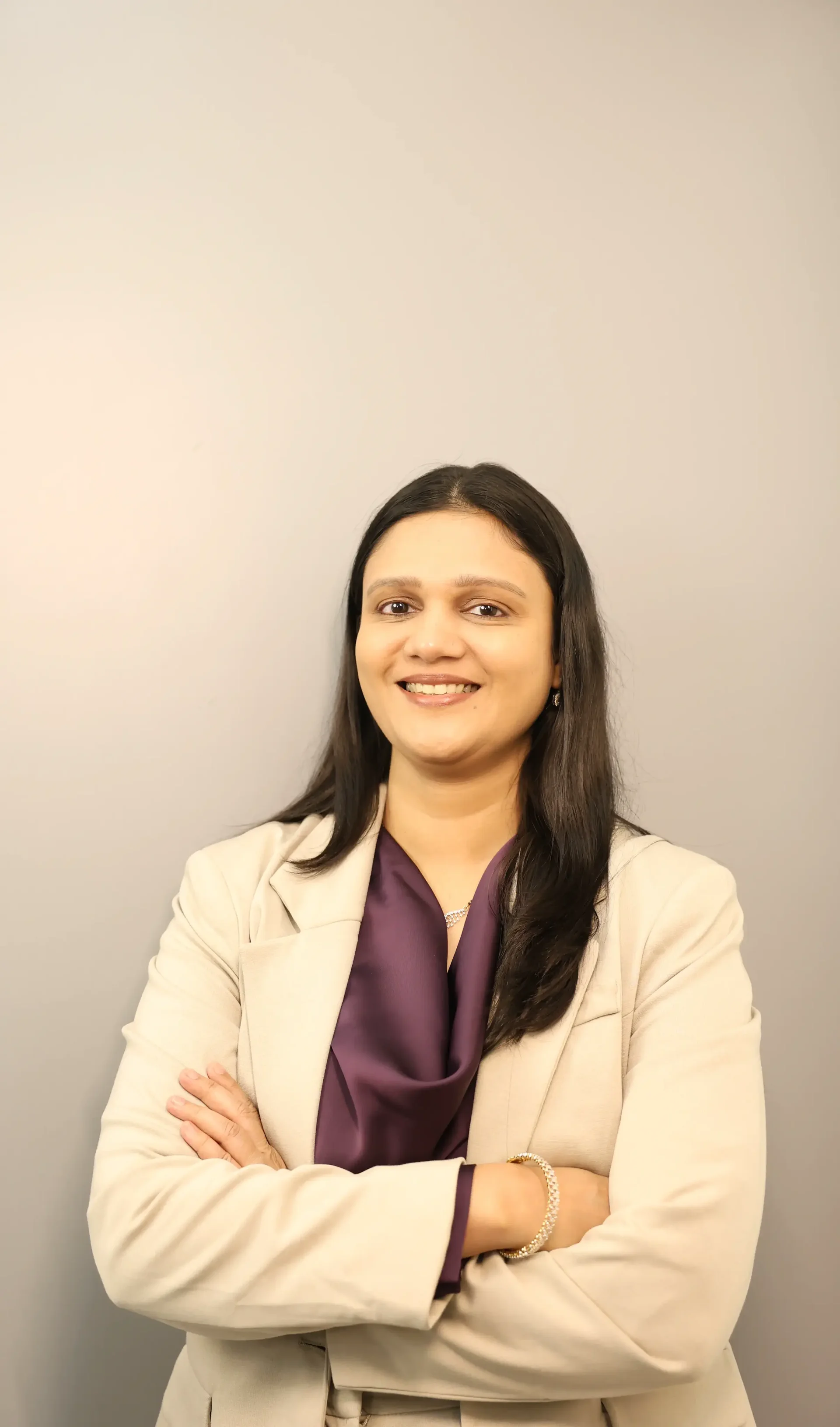
Dr. Radhika Barde
Dr. Radhika Barde is the Director and a Dermatologist at Radiance Clinic. She holds an MBBS, a DCH (Diploma in Child Health), and a DDV (Diploma in Dermatology, Venereology and Leprosy), and has completed a Fellowship in Aesthetic Dermatology (FAD). Her clinical practice includes aesthetic and cosmetic dermatology, alongside her focus on female pattern hair loss and diffuse thinning.
Skin & Aesthetic Dermatology Expertise
- M.B.B.S, DCH, DDV: Comprehensive medical grounding in clinical dermatology, paediatric dermatology, and mucosal disorders.
- Fellowship in Aesthetic Dermatology (FAD): Specialized expertise in non-invasive cosmetic treatments, laser rejuvenation, and medi-facials.
- Clinical Focus: Aesthetic dermatology, skin health, and dedicated procedural scar and pigment management.
About Radiance Clinic
Radiance Clinic is a leading centre for dermatology and aesthetic treatments in Nagpur. Known for a patient-first approach and a 4.9-star review rating from over 1,800 verified patient reviews, the clinic provides advanced, evidence-based care in a safe and comfortable environment.
The clinic is conveniently located at 2nd Floor, Panchavati Tower, Wardha Rd, beside Hitvada Press & Shatau Hospital, near Dhantoli. Serving patients across Dhantoli, Ramdaspeth, and central Nagpur, the facility ensures medical privacy and clinical excellence in every visit.
Explore Expert Skin Care Insights
Explore clinical dermatology guides and keloid scar management advice written and reviewed by our dermatologists.

Dry Skin in Winter: A Dermatologist Guide to Winter Skin Care Routine in Nagpur
Winter brings pleasant weather to Nagpur and Central India, but it also brings dry northerly winds and sharp drops in atmospheric humidity. When indoor and outdoor humidity levels drop below 40%, the moisture gradient pulls water out of the stratum corneum through accelerated transepidermal water loss (TEWL). Without proactive routine adjustments, simple dryness quickly progresses into cracked skin, chapped lips, painful heels, or persistent winter itching. This guide explains the physiological mechanisms behind winter skin dehydration, outlines an evidence-based morning and evening winter skin care routine, provides comparison guidance between dry skin and eczema, and presents clinical solutions available at Radiance Clinic in Nagpur.
Dr. Radhika Barde
M.B.B.S, DCH, DDV, FAD
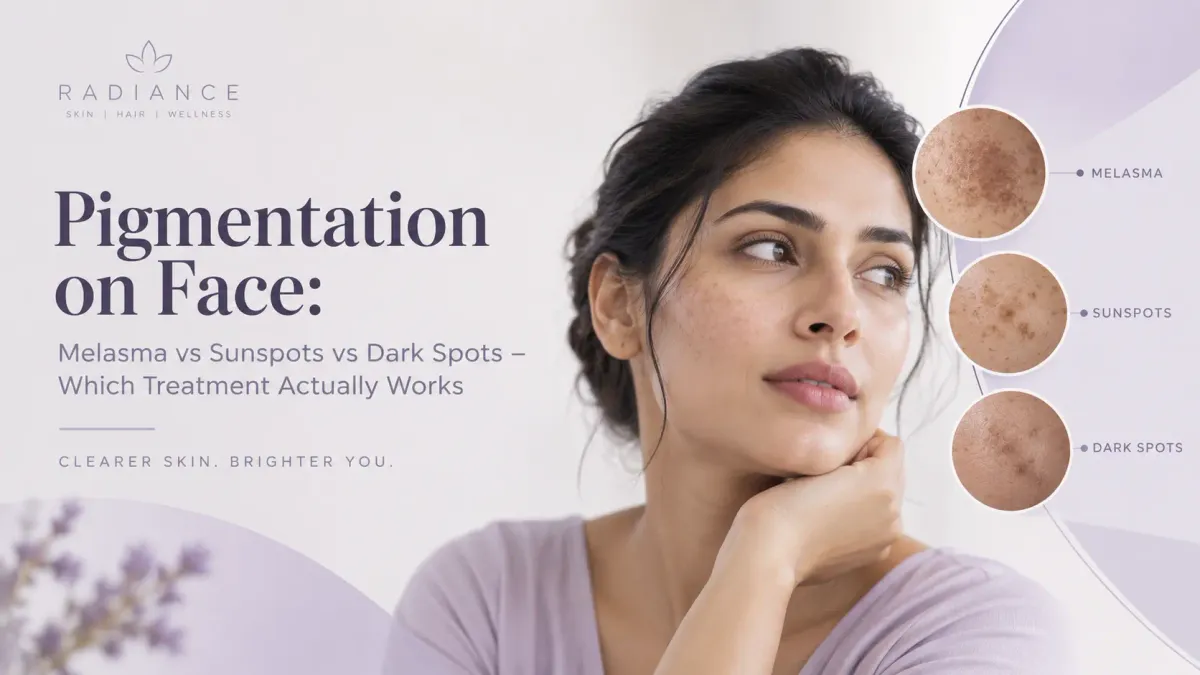
Pigmentation on Face: Melasma vs Sunspots vs Dark Spots - Which Treatment Actually Works
Pigmentation on the face requires targeted treatments rather than a one-size-fits-all approach. Chemical peels and laser pigmentation reduction work well for deep-rooted melasma and post-inflammatory marks, but proper diagnosis is the essential first step. Treating pigmentation early with a dermatologist ensures safe and lasting results for Indian skin tones. Pigmentation on the face requires targeted treatments rather than a one-size-fits-all approach. Chemical peels and laser pigmentation reduction work well for deep-rooted melasma and post-inflammatory marks, but proper diagnosis is the essential first step. Treating pigmentation early with a dermatologist ensures safe and lasting results for Indian skin tones.
Dr. Radhika Barde
M.B.B.S, DCH, DDV, FAD
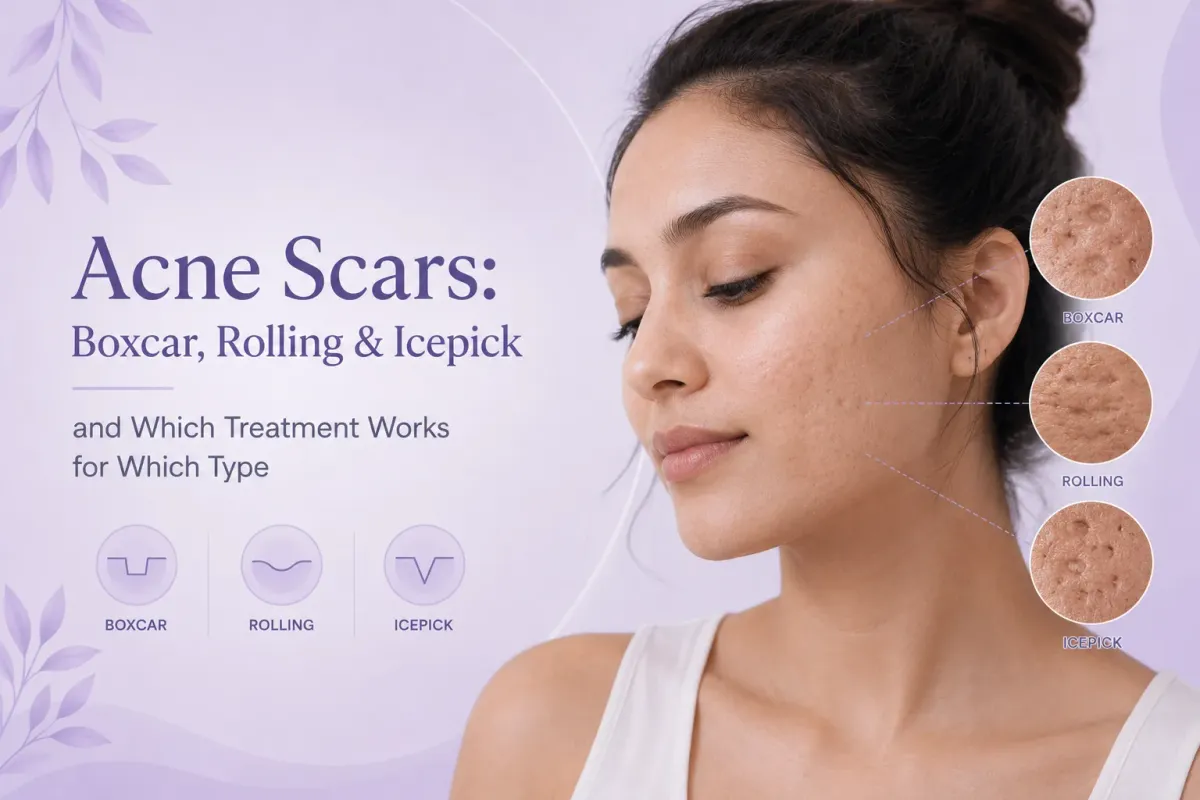
Acne Scars: Boxcar, Rolling & Icepick and Which Treatment Works for Which Type
Different acne scars require highly specific clinical treatments to see real improvement. Icepick scars respond best to TCA Cross. Boxcar scars improve most with fractional lasers and Dermapen microneedling. Rolling scars require subcision to release tethered skin. Because most people have a complex combination of these scar types, a customized treatment plan from a dermatologist yields the safest and most effective results.
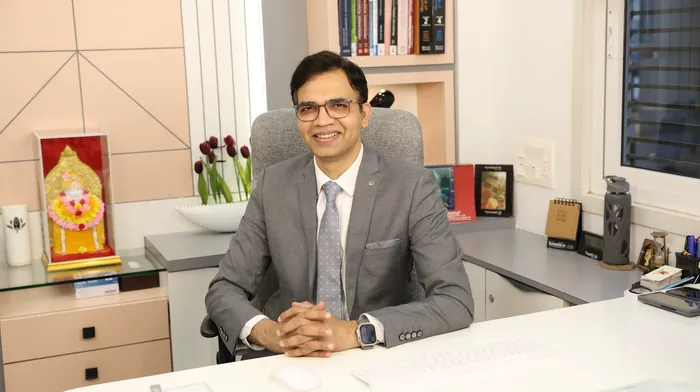
Dr. Nitin Barde
M.B.B.S, M.D, FRGUHS
Trusted by Thousands in Nagpur
Discover why people choose Radiance Clinic for premium treatments.

- ★★★★★
Dr. Nitin is exceptional! PRP sessions significantly helped my hair growth. Best place for hair and skin treatment in Nagpur!
- ★★★★★
Professional care tailored to my health. Dr. Nitin is knowledgeable and patient. Trustworthy clinic with very supportive staff!
- ★★★★★
Smooth, painless hair transplant with excellent post-op care. Feeling more confident already. Best dermatologist in Nagpur! 🤗🙏
- ★★★★★
Saw great improvement in my scalp and hair condition! Dr. Nitin is highly professional and knowledgeable. Highly recommended.
- ★★★★★
Best dermatology clinic in Nagpur! The team is highly experienced and they truly care about their patients' well-being.
- ★★★★★
Highly experienced dermatologist and skilled team. They truly care and provide great results for skin and hair. Great experience!
- ★★★★★
Radiance Clinic offers excellent skin treatment with professional and caring staff. I’ve seen great results and highly recommend it to anyone in Nagpur.
- ★★★★★
I came here for hair laser removal. Very nice service and treatment for fast. The clinic is hygienic and has positive environment. Amazing experience.
- ★★★★★
Friendly and supportive behavior. Perfect treatment and suggestions. Best doctor for skin and hair treatment in Nagpur!
Frequently Asked Questions
Get clarity on our advanced treatments from the leading skin doctor and hair clinic in Nagpur.