

Nail Fungal Infection Treatment in Nagpur
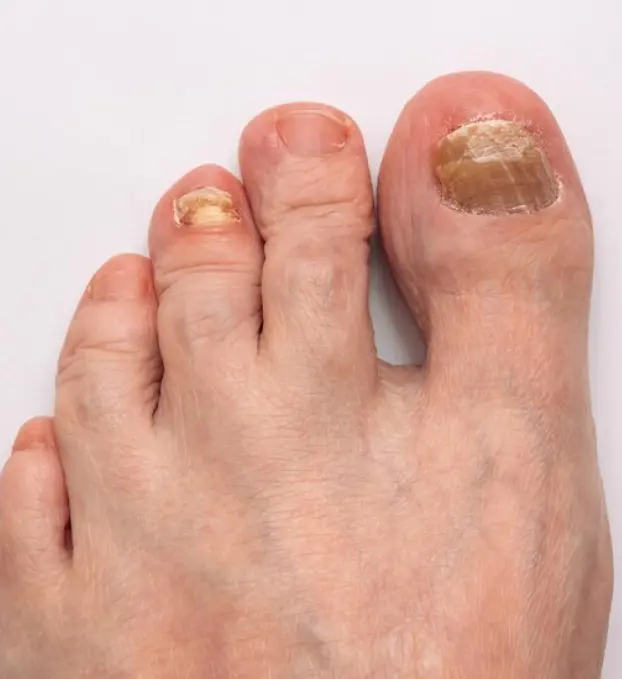
Home / Services / Nail / Fungal Infection TreatmentNail fungus (onychomycosis) causes thickened, discoloured, and brittle nails, but because other conditions look similar, medical confirmation is required first. Treatment ranges from topical lacquers and prescription tablets to nail removal, chosen by a doctor after evaluation. Because nails grow slowly, clearing the infection and regrowing healthy tissue takes several months.
- Best For
Thickened, discoloured or crumbly nails confirmed as fungal
- Approach
Accurate assessment and targeted antifungal therapy
- Diagnosis
Confirmed before treatment
- Treatment Length
Months, because the nail must grow out
- Price
Confirmed at consultation
What Is Nail Fungus (Onychomycosis) and What Causes It?
Onychomycosis is a fungal infection of the nail. It is most often caused by dermatophyte fungi, commonly Trichophyton rubrum, and sometimes by yeasts such as Candida or by non-dermatophyte moulds. The infection typically starts at the edge of the nail and spreads inwards, affecting the nail bed and the nail plate. Toenails are affected more often than fingernails because feet are often confined in warm, dark, and sweaty environments inside shoes, which fungi prefer.
The condition can spread between nails, to nearby skin, and between people through shared surfaces and tools, such as in communal showers, swimming pools, or when using unsterilized nail clippers. A previous nail injury or a concurrent athlete's foot infection increases the likelihood of developing nail fungus.
Primarily Trichophyton rubrum, alongside yeasts (Candida) and non-dermatophyte moulds.
Warm, dark, and moist footwear microclimates provide optimal conditions for fungal growth.
Transmitted via damp communal showers, swimming decks, or non-sterilized pedicure tools.
Mechanical microtrauma to nail beds and untreated athlete's foot promote inward spread.
What Are the Symptoms, and When Should You See a Doctor?
Typical changes seen in a fungal nail infection include thickening, yellow, white or brown discolouration, brittleness or crumbling, distortion of the nail shape, debris accumulating under the nail, and the nail lifting away from the nail bed. It is often painless early on but can cause discomfort in shoes as the nail thickens.
People with diabetes, poor circulation, or a weakened immune system should seek medical care early. In these individuals, untreated nail changes can lead to skin breakdown or secondary bacterial infections, making timely assessment critical.
Is It Nail Fungus or Something Else?
Not every thick or discoloured nail is fungal. Other conditions, such as psoriasis, eczema, lichen planus, and physical injury to the nail, can look remarkably similar to a fungal infection. Confirming the infection before committing to a long course of treatment is standard medical practice. If you are experiencing nail issues, a doctor can help determine if it is onychomycosis, or if you might need an Ingrown Toenail Treatment or Nail Peeling Treatment.
What Is a KOH Test for Nail Fungus?
A KOH test is a common diagnostic tool used to check for the presence of fungi. A doctor takes a small sample of a nail clipping or debris from under the affected nail and treats it with potassium hydroxide (KOH). This solution clears surrounding cellular material, allowing the doctor to look under a microscope for fungal elements.
The test is quick and widely used, though a negative result does not always definitively rule out an infection. A fungal culture, special stain, or molecular (PCR) test may be used to confirm the infection or identify the specific organism. The specific testing methods arranged by Radiance Clinic depend on the case.
How Is Nail Fungal Infection Treated?
The goal of treatment is to clear the infection and allow a healthy nail to grow. A doctor chooses a plan based on how much of the nail is affected, the organism causing it, and the patient's overall health.
| Treatment Type | Best For | Typical Duration | Details |
|---|---|---|---|
| Topical Lacquers | Mild, limited cases without root involvement | Many months | Painted directly onto the affected nail. |
| Oral Medicines | More extensive or thicker nail infections | Months | Prescription tablets; requires medical evaluation. |
| Nail Removal | Severely thickened, painful, or resistant nails | Varies | Can be done chemically or surgically. |
| Laser Treatment | As an alternative or additional option | Varies | Evidence is limited; results vary by individual. |
Combinations of these treatments (such as oral medicine alongside nail debridement) are also commonly used.
What Is the Best Treatment for Nail Fungus?
There is no single treatment that is best for everyone. The right option depends entirely on the individual's specific situation. A doctor will assess the severity of the infection, the number of nails affected, and the patient's medical history before recommending a plan. Treatment might involve topical applications for mild cases, or oral medications for more extensive involvement. The doctor chooses the appropriate method after a thorough clinical assessment.
Do Antifungal Nail Lacquers Work?
Topical antifungal nail lacquers are specialized prescription formulations painted directly onto the affected nail. They are generally used for mild, limited cases, particularly when the nail root (matrix) is not involved in the infection.
Because nails grow slowly and the medication must penetrate the hard nail plate, topical treatment typically continues for many months. Over-the-counter creams formulated for skin infections do not generally penetrate the nail well enough to clear a fungal nail infection.
Which Oral Medicines Are Used for Nail Fungus?
Oral antifungal medicines are prescription-only tablets used for more extensive or thicker nail involvement. The doctor selects the appropriate medication based on the organism causing the infection and the patient's individual health profile.
Doctors carefully consider liver health and check for potential interactions with other medicines before prescribing oral antifungals. Some oral antifungals interact with other medicines and may be avoided in certain conditions such as heart failure. Oral antifungals are generally avoided during pregnancy and breastfeeding. The doctor determines the appropriate medicine based on a thorough medical assessment.
Is Laser Treatment for Nail Fungus an Option?
Some laser devices are used for nail fungus, and some have regulatory clearance in some countries for providing a temporary increase in clear nail growth. However, medical evidence for fungal nail laser treatment is limited, and results vary between individuals. Laser nail fungus treatment is generally considered an additional or alternative option rather than a replacement for confirming the diagnosis and using established medical therapies. Radiance Clinic's availability of laser treatment for nail fungus depends on the current equipment.
When Is Fungal Nail Removal Needed?
Nail debridement or removal may be considered when a nail is severely thickened, painful, or resistant to other treatments. The doctor can physically thin or trim the diseased nail. A non-surgical option involves chemical softening of the nail using a specialized urea-based preparation.
Surgical removal of part or all of the nail is reserved for specific cases and is usually combined with antifungal treatment to manage the underlying infection. The specific nail removal options offered at the clinic will be discussed during the consultation. You can learn more about general nail procedures on our Nail Surgery page.
How Long Does It Take to Clear Nail Fungus?
Because the infected nail has to grow out completely, treatment timelines are lengthy. Fingernails commonly take around four to six months to grow out fully, while toenails commonly take 12 to 18 months.
This slow growth rate is why the nail can look unchanged for a long time even when the treatment is actively working, and why treatment courses last for months. Even with appropriate treatment, a fully normal-looking nail is not guaranteed, and recurrence is possible.
Faster growth cycle allows quicker healthy nail outgrowth.
Slow metabolic growth rate requires patient, consistent care.
Is Treatment Right for Me, and What Are the Risks?
Treatment suitability depends on a comprehensive medical evaluation. People with liver disease, heart conditions, diabetes, or weakened immunity, as well as those taking other medications, require careful assessment before starting oral antifungal therapy. Treatment is generally avoided during pregnancy or breastfeeding.
Side effects vary depending on the chosen treatment, and the doctor will discuss these in general terms during the consultation. There is also a risk of reinfection if the original source, such as damp footwear or untreated athlete's foot, is not addressed. You can schedule an assessment by visiting our Book Appointment page.
What Affects the Cost of Nail Fungus Treatment?
The cost of managing a fungal nail infection varies based on the individual treatment plan. Factors influencing the cost include how many nails are affected, how much of each nail is involved, and the specific diagnostic tests needed. The type of treatment selected, whether nail removal or laser therapy is involved, and the number of follow-up visits required also impact the total cost. The specific price for your treatment plan will be confirmed after your initial consultation.
Based on organism severity, number of nails, and diagnostic tests
Who Treats Nail Fungus at Radiance Clinic?
Assessment and treatment planning are guided by the dermatologists at our nail fungus treatment clinic. Both doctors are available to evaluate nail infections.

Dr. Nitin Barde
Dr. Nitin Barde is the Founder of Radiance Clinic and a dermatologist with over a decade of clinical experience. He completed his MD in Dermatology in Pune, followed by a Fellowship in Dermatosurgery (FRGUHS) in Bangalore. In 2014, he was awarded the International Society of Dermatologic Surgery (ISDS) Statesmen Award in Jerusalem.
- M.D. Dermatology, Pune
- Fellowship in Dermatosurgery (FRGUHS), Bangalore
- Over a decade of clinical experience in dermatology and aesthetic procedures

Dr. Radhika Barde
Dr. Radhika Barde is the Director and a Dermatologist at Radiance Clinic. She holds an MBBS, a DCH (Diploma in Child Health), and a DDV (Diploma in Dermatology, Venereology and Leprosy), and has completed a Fellowship in Aesthetic Dermatology (FAD). Her clinical practice includes aesthetic and cosmetic dermatology, alongside her focus on female pattern hair loss and diffuse thinning.
- M.B.B.S, DCH, DDV
- Fellowship in Aesthetic Dermatology (FAD)
- Clinical background in aesthetic dermatology and skin health
Prevention and Aftercare

- • Keep feet dry and change damp socks: Fungi thrive in warm, moist environments, so keeping feet dry reduces the risk of infection.
- • Wear breathable footwear: Shoes that allow air circulation help prevent the buildup of moisture that encourages fungal growth.
- • Do not share nail clippers or files: Fungal infections can easily spread between people through shared grooming tools.
- • Treat athlete's foot promptly: An active skin infection like athlete's foot can spread to the nails, causing reinfection.
- • Complete the prescribed course: Stopping treatment early can allow the infection to return, as the fungus may not be fully cleared.
About Radiance Clinic
Radiance Clinic in Nagpur provides evidence-informed dermatological care and holds a 4.9-star rating from over 1,816 Google reviews. Our approach to nail fungal infection treatment is rooted in accurate assessment and a personalized consultation, so the treatment plan matches your nail's specific needs. The clinic is on the 2nd Floor of Panchavati Tower, Wardha Rd, near Dhantoli, Nagpur, open Monday to Saturday.
Related Articles & Clinical Guides
Explore clinical insights on nail fungus recovery, prevention, and evidence-informed care.

Dry Skin in Winter: A Dermatologist Guide to Winter Skin Care Routine in Nagpur
Winter brings pleasant weather to Nagpur and Central India, but it also brings dry northerly winds and sharp drops in atmospheric humidity. When indoor and outdoor humidity levels drop below 40%, the moisture gradient pulls water out of the stratum corneum through accelerated transepidermal water loss (TEWL). Without proactive routine adjustments, simple dryness quickly progresses into cracked skin, chapped lips, painful heels, or persistent winter itching. This guide explains the physiological mechanisms behind winter skin dehydration, outlines an evidence-based morning and evening winter skin care routine, provides comparison guidance between dry skin and eczema, and presents clinical solutions available at Radiance Clinic in Nagpur.

Dr. Radhika Barde
M.B.B.S, DCH, DDV, FAD
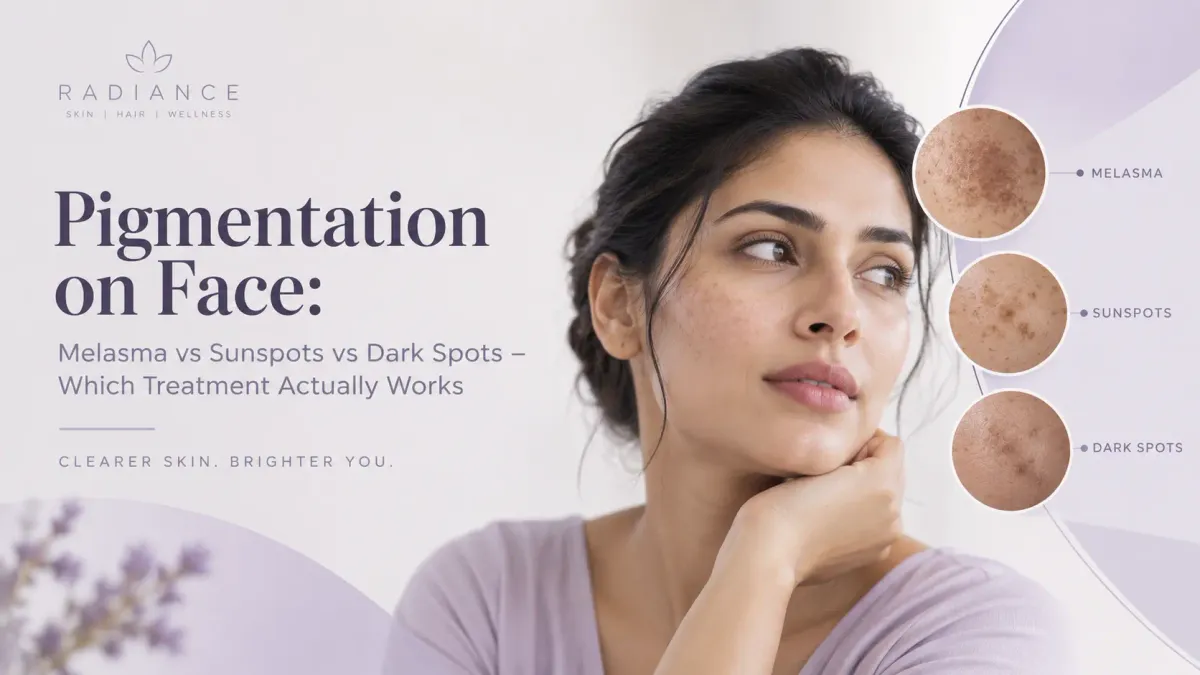
Pigmentation on Face: Melasma vs Sunspots vs Dark Spots - Which Treatment Actually Works
Pigmentation on the face requires targeted treatments rather than a one-size-fits-all approach. Chemical peels and laser pigmentation reduction work well for deep-rooted melasma and post-inflammatory marks, but proper diagnosis is the essential first step. Treating pigmentation early with a dermatologist ensures safe and lasting results for Indian skin tones. Pigmentation on the face requires targeted treatments rather than a one-size-fits-all approach. Chemical peels and laser pigmentation reduction work well for deep-rooted melasma and post-inflammatory marks, but proper diagnosis is the essential first step. Treating pigmentation early with a dermatologist ensures safe and lasting results for Indian skin tones.
Dr. Radhika Barde
M.B.B.S, DCH, DDV, FAD

Acne Scars: Boxcar, Rolling & Icepick and Which Treatment Works for Which Type
Different acne scars require highly specific clinical treatments to see real improvement. Icepick scars respond best to TCA Cross. Boxcar scars improve most with fractional lasers and Dermapen microneedling. Rolling scars require subcision to release tethered skin. Because most people have a complex combination of these scar types, a customized treatment plan from a dermatologist yields the safest and most effective results.

Dr. Nitin Barde
M.B.B.S, M.D, FRGUHS
Trusted by Thousands in Nagpur
Discover why people choose Radiance Clinic for premium treatments.

- ★★★★★
Dr. Nitin is exceptional! PRP sessions significantly helped my hair growth. Best place for hair and skin treatment in Nagpur!
- ★★★★★
Professional care tailored to my health. Dr. Nitin is knowledgeable and patient. Trustworthy clinic with very supportive staff!
- ★★★★★
Smooth, painless hair transplant with excellent post-op care. Feeling more confident already. Best dermatologist in Nagpur! 🤗🙏
- ★★★★★
Saw great improvement in my scalp and hair condition! Dr. Nitin is highly professional and knowledgeable. Highly recommended.
- ★★★★★
Best dermatology clinic in Nagpur! The team is highly experienced and they truly care about their patients' well-being.
- ★★★★★
Highly experienced dermatologist and skilled team. They truly care and provide great results for skin and hair. Great experience!
- ★★★★★
Radiance Clinic offers excellent skin treatment with professional and caring staff. I’ve seen great results and highly recommend it to anyone in Nagpur.
- ★★★★★
I came here for hair laser removal. Very nice service and treatment for fast. The clinic is hygienic and has positive environment. Amazing experience.
- ★★★★★
Friendly and supportive behavior. Perfect treatment and suggestions. Best doctor for skin and hair treatment in Nagpur!
Frequently Asked Questions
Get clarity on our advanced treatments from the leading skin doctor and hair clinic in Nagpur.