

| Parameter | Details |
|---|---|
| Treatment | Deep Subcision |
| Best For | Rolling acne scars, tethered boxcar scars |
| Procedure Time | 30 to 60 minutes |
| Anesthesia | Local anesthesia (topical numbing cream) |
| Downtime | 5 to 10 days (bruising & mild swelling) |
| Sessions Required | 1 to 3 sessions (spaced 6–8 weeks apart) |
| Results Duration | Long-lasting; permanent scar improvement |
| Suitable Skin Types | All skin tones including Indian skin (Fitzpatrick III–VI) |
| Can Combine With | PRP, Microneedling, CO2 Laser, Dermal Fillers |
Deep subcision is a minimally invasive, non-surgical procedure used to treat depressed acne scars, specifically rolling and tethered scars. Using a specialized needle under local anesthesia, the dermatologist breaks the fibrous bands tethering the skin downward, allowing the skin to lift and promoting new collagen production for long-lasting scar improvement.
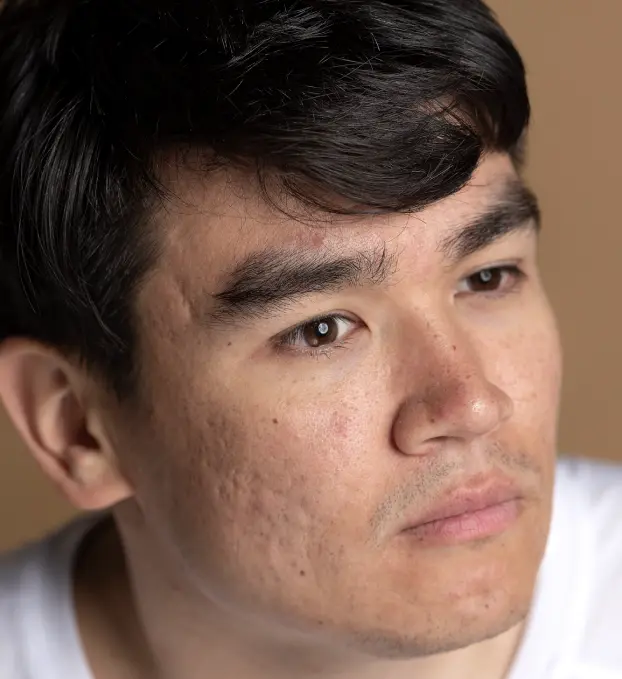
At Radiance Skin & Hair Clinic in Nagpur, deep subcision is performed under sterile OT conditions by Dr. Nitin Barde and Dr. Radhika Barde, expert dermatologists with over a decade of scar revision experience. Each treatment is precisely mapped to your individual scar pattern, ensuring medically sound outcomes and minimal risk.
Deep subcision is not just a cosmetic fix: it is a medically sound, structurally corrective procedure. Here is why thousands of patients with acne scars choose it:
Unlike topical creams or superficial peels, subcision physically releases the fibrous tethers responsible for pulling the skin inward. Once severed, these bands do not regenerate, delivering a lasting, structural improvement.
Rolling acne scars (the wave-like depressions that topical products cannot reach) respond exceptionally well to subcision. The procedure works at the dermal level, where scar tissue originates.
The controlled subcutaneous trauma created by the needle triggers the body's natural wound-healing cascade. Collagen deposition gradually lifts and plumps the depressed scar bed from within.
Unlike ablative lasers that carry a risk of post-inflammatory hyperpigmentation (PIH) on darker skin (Fitzpatrick III–VI), deep subcision is mechanically based and generally safe for all Indian skin tones.
Most patients experience 5–10 days of manageable bruising and mild swelling. There is no open wound and no peeling. Social activities can typically be resumed within a week with proper camouflage.
Deep subcision dramatically enhances the results of PRP, microneedling, CO2 fractional laser, and dermal fillers by first releasing the tethered scar base, allowing adjunct treatments to work on elevated, receptive tissue.
Mild-to-moderate rolling scars often show significant improvement after a single session. Deeper or denser scar patterns respond progressively over 2–3 sessions spaced 6–8 weeks apart.
Subcision was first described by dermatologist Dr. David Orentreich in 1995 and has since been validated in numerous peer-reviewed studies as a first-line treatment for rolling acne scars.
Not every acne scar responds to subcision equally. Our dermatologists conduct a detailed scar mapping assessment to determine if you are an ideal candidate.
Important: Only a qualified dermatologist can determine your suitability for subcision after a physical examination and scar classification. Self-assessment is not a substitute for a clinical consultation.
Understanding the science behind subcision helps set accurate expectations and builds confidence in the procedure's proven mechanism of action.
Rolling and tethered acne scars form when the natural healing process of a severe acne lesion goes wrong. Instead of regenerating healthy collagen, the body lays down fibrous scar tissue that forms inelastic bands between the base of the epidermis and the deeper subcutaneous fat layer. These fibrous strands act like anchor points, physically tethering the overlying skin downward and creating the characteristic depressed, wave-like appearance of rolling scars.
This tethering cannot be addressed by topical creams, chemical peels, or even most lasers, because none of these modalities can sever the sub-dermal scar tissue directly. Subcision was specifically designed to solve this mechanical problem.
During the procedure, a dermatologist inserts a tri-beveled hypodermic needle (typically 18–23 gauge) or a specialised Nokor needle just beneath the skin surface, at the level of the papillary or superficial reticular dermis. Using a gentle fanning or linear threading motion, the needle physically severs the fibrous strands anchoring the scar. As these tethers are released, the overlying skin is free to rise toward its natural surface level.
The procedure was first documented by dermatologists Samuel J. Orentreich and Norman Orentreich in 1995, published in the Journal of Dermatologic Surgery, where they coined the term "subcutaneous incisionless surgery" (later abbreviated to subcision).
The controlled micro-trauma from the subcision needle triggers a secondary wound-healing cascade. Platelets aggregate at the treatment site, releasing growth factors (PDGF, TGF-β) that stimulate fibroblast activity. Over 4–12 weeks, fibroblasts deposit new Type I and III collagen beneath the released scar, volumising the depression from within and progressively improving skin texture.
This is why subcision results improve over several months rather than appearing overnight: the visible improvement reflects the body's intrinsic healing and collagen remodelling process. Combining subcision with PRP (Platelet-Rich Plasma) injected immediately post-procedure amplifies this collagen stimulus, producing measurably superior results compared to subcision alone, as confirmed by multiple randomised controlled trials.
A small amount of controlled bleeding (haematoma) beneath the scar is actually desirable. This haematoma acts as a temporary space-filler beneath the lifted scar and, critically, provides a rich fibrin scaffold that organised collagen can grow into. Many experienced dermatologists purposefully preserve this haematoma rather than immediately compressing the area, as it has been shown to contribute to significantly better long-term scar elevation.
At Radiance Clinic, we follow a structured, three-step protocol designed for safety, precision, and lasting results.
Choosing the right acne scar treatment depends on your specific scar type, skin tone, downtime tolerance, and budget. This comparison helps you understand where subcision excels and where combination therapy adds value.
| Feature | Deep Subcision | Microneedling / MNRF | CO2 Fractional Laser | Dermal Fillers (HA) | TCA Cross |
|---|---|---|---|---|---|
| Best Scar Type | Rolling, Tethered Boxcar | Rolling, Shallow Boxcar | Boxcar, Rolling, Texture | Rolling, Shallow Boxcar | Ice-Pick, Deep Boxcar |
| Works on Ice-Pick | ✗ No | Partial | Partial | ✗ No | ✓ Yes |
| Mechanism | Cuts fibrous tethers | Collagen induction via needles | Ablation + collagen remodelling | Volume replacement | Chemical destruction of scar |
| Collagen Stimulation | ✓ Strong (secondary) | ✓ Strong (primary) | ✓ Very strong | ✗ Not primary | ✓ Moderate |
| Safe for Dark Skin (Fitzpatrick IV–VI) | ✓ Yes | ✓ Yes | Caution - risk of PIH | ✓ Yes | Caution |
| Sessions Required | 1 to 3 | 3 to 6 | 3 to 5 | Repeat every 6–12 months | 2 to 4 |
| Downtime | 5 to 10 days | 3 to 5 days | 7 to 14 days | 1 to 3 days | 5 to 7 days |
| Permanence of Result | Permanent (structural fix) | Long-lasting | Long-lasting | Temporary (fades) | Permanent |
| Pain Level | Low (local anaesthesia) | Low to Moderate | Moderate (managed) | Very Low | Moderate |
| Can Combine With Subcision | - | ✓ Yes (after subcision) | ✓ Yes (after subcision) | ✓ Yes (same session) | Not typically |
Clinical Note: For most patients with mixed scar types, a combination approach (beginning with subcision to release tethered scars, followed by CO2 fractional laser or MNRF after 6-8 weeks) produces the most comprehensive improvement. Our dermatologists design your personalised combination protocol at the initial consultation.
Proper aftercare is essential to achieve the best possible results and minimise complications. Follow these evidence-based instructions provided by our dermatologists.
Subcision is a technically demanding procedure. The quality of the outcome depends entirely on the skill and precision of your dermatologist. Here is why Radiance Clinic is the trusted choice for scar revision in Nagpur.
Dr. Nitin Barde and Dr. Radhika Barde bring over a decade of specialised dermatology experience. Dr. Nitin is a recipient of the prestigious 2014 ISDS Statesmen Award (International Society of Dermatologic Surgery, Jerusalem), one of the highest international recognitions in dermatologic surgery.
Every subcision procedure is performed in our dedicated, fully sterile operation theatre (OT). We follow strict NABH-aligned infection control protocols including sterile draping, single-use needles, and surgical-grade disinfection, ensuring your absolute safety.
We do not treat all scars the same. Every patient receives a comprehensive scar classification assessment using cross-polarised lighting and dermoscopy to precisely identify scar type, depth, and distribution before any treatment begins.
We use medical-grade Nokor and hypodermic needles of verified calibre, along with pharmaceutical-grade local anaesthetics and PRP centrifuge systems. Our equipment is regularly maintained, calibrated, and updated per international dermatology standards.
Our dermatologists are skilled in designing multi-modality scar revision plans. Subcision is often the critical first step that unlocks the full potential of subsequent PRP, CO2 laser, MNRF, or dermal filler treatments. We plan your full journey, not just a single session.
Your care does not end when you walk out the door. Scheduled follow-up consultations at 4–6 weeks allow our team to assess your healing, photograph your progress, and plan the next phase of your scar revision journey with objective clinical benchmarks.
Deep subcision demands both anatomical precision and clinical judgement. Meet the dermatologists who lead every scar revision procedure at Radiance Clinic.

Dr. Nitin Barde is one of Nagpur's most experienced dermatologists, with over 14 years of specialised practice in medical and surgical dermatology. As the founder of Radiance Skin & Hair Clinic, he has personally performed hundreds of subcision procedures and has developed a comprehensive scar mapping protocol that significantly improves treatment precision and outcomes.
Recognised internationally by the International Society of Dermatologic Surgery (ISDS) with its 2014 Statesmen Award, presented in Jerusalem, Dr. Barde brings world-class surgical dermatology expertise to every patient. His ethical, evidence-based approach means he will always recommend the most appropriate treatment for your specific scar profile, including honest counsel on expected limitations and realistic outcomes.
For deep subcision, Dr. Barde utilises advanced scar classification techniques and personally performs the fanning subcision technique under direct visualisation, ensuring fibrous tethers are systematically released for maximum scar elevation.

Dr. Radhika N. Barde is a distinguished aesthetic dermatologist holding a specialised Fellowship in Aesthetic Dermatology (FAD). Her approach combines the science of dermatology with a nuanced understanding of aesthetic outcomes, ensuring that scar revision does not simply improve clinical parameters, but delivers results that meaningfully enhance a patient's self-confidence and quality of life.
Dr. Radhika specialises in designing combination scar revision protocols for patients with complex scar patterns. She integrates subcision with precisely timed PRP, CO2 laser, and MNRF sessions to maximise the collagen response across all scar types simultaneously. Her expertise is especially valued by patients with acne scar-related skin texture concerns and post-inflammatory hyperpigmentation (PIH) on Indian skin.
Her patient-first philosophy means every protocol is customised (no two patients receive the same plan) and her detailed follow-up consultations ensure that results are objectively tracked and optimised over the full course of treatment.
All subcision procedures at Radiance Clinic are performed exclusively by Dr. Nitin Barde or Dr. Radhika Barde, never delegated to non-physician staff. This commitment to physician-performed procedures is a cornerstone of our clinical safety standard.
Join our curated circle and get 10% OFF on your first visit. Receive medical-grade insights, seasonal trends, and early access.
Deepen your understanding of acne scar treatment with evidence-based articles from our dermatology team.

Gifting a HydraFacial for Raksha Bandhan provides your sibling with a medical-grade, multi-step skin rejuvenation treatment rather than just another traditional gift. By combining deep cleansing, painless extraction, and intense hydration, it guarantees an instant, radiant glow that lasts well beyond the festive season.

Dr. Radhika Barde
M.B.B.S, DCH, DDV, FAD

High ambient humidity and trapped sweat during the monsoon compromise the epidermal barrier, triggering fungal proliferation, acne flares, and moisture loss. Managing rainy-season skin requires switching to lightweight humectants like hyaluronic acid, using gentle salicylic acid cleansers, maintaining strict hygiene in sweat folds, and seeking early dermatological intervention for persistent rashes or cystic breakouts.
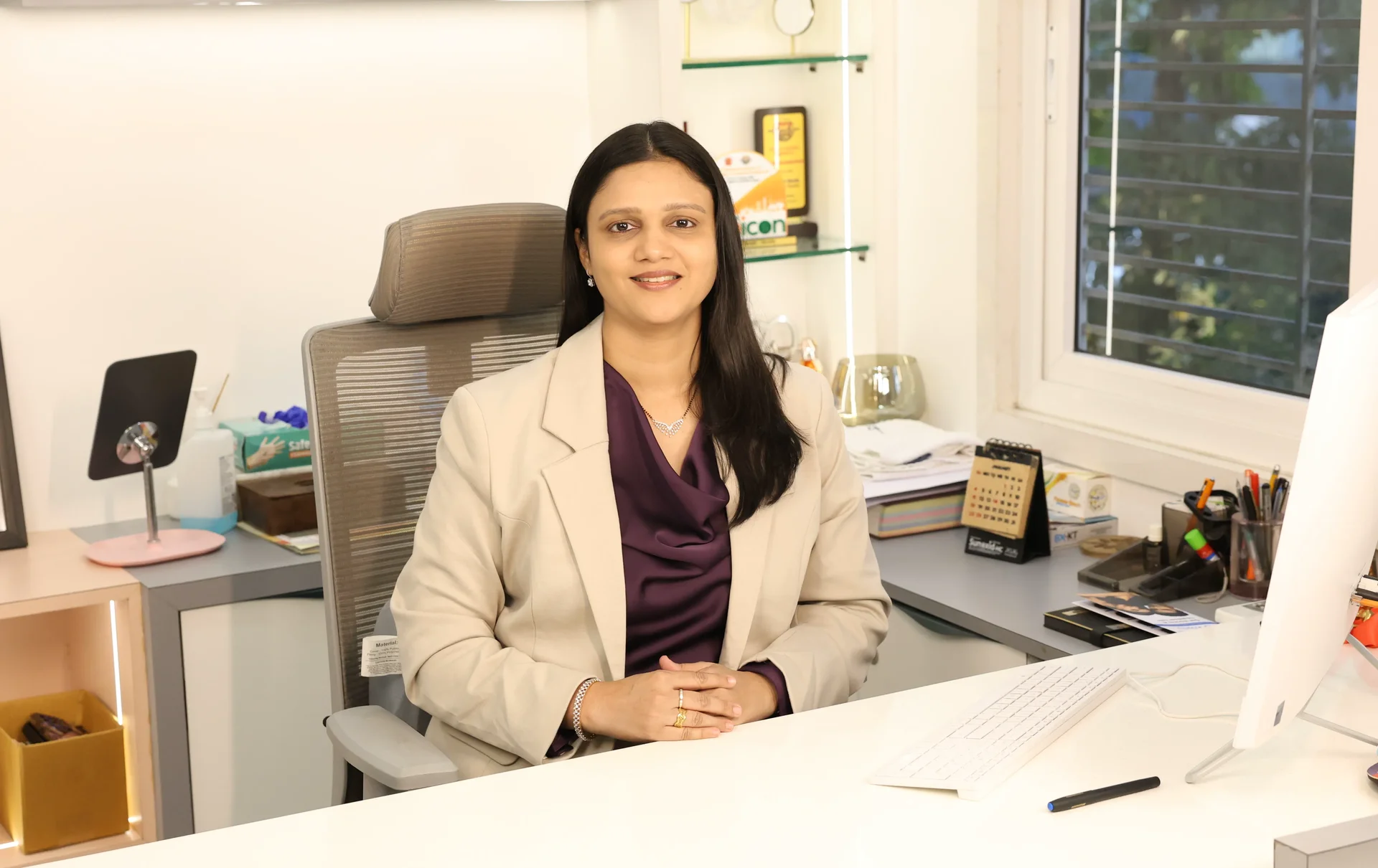
Dr. Radhika Barde
M.B.B.S, DCH, DDV, FAD

Summer is one of the most challenging seasons for people with reactive skin. Rising temperatures, intense UV radiation, increased humidity, and heavy sweating can all disrupt the skin’s natural barrier and for those with sensitive skin, the impact is significantly greater. A well planned summer skin care routine for sensitive skin can make the difference between a season of discomfort and one of calm, healthy skin. In this guide, we cover the causes of summer sensitivity, a practical step by step routine, home remedies, and specialist tips for Indian skin and deeper skin tones. Whether you are building your routine from scratch or refining what already works, this article will help you protect and nurture your skin through the warmer months.
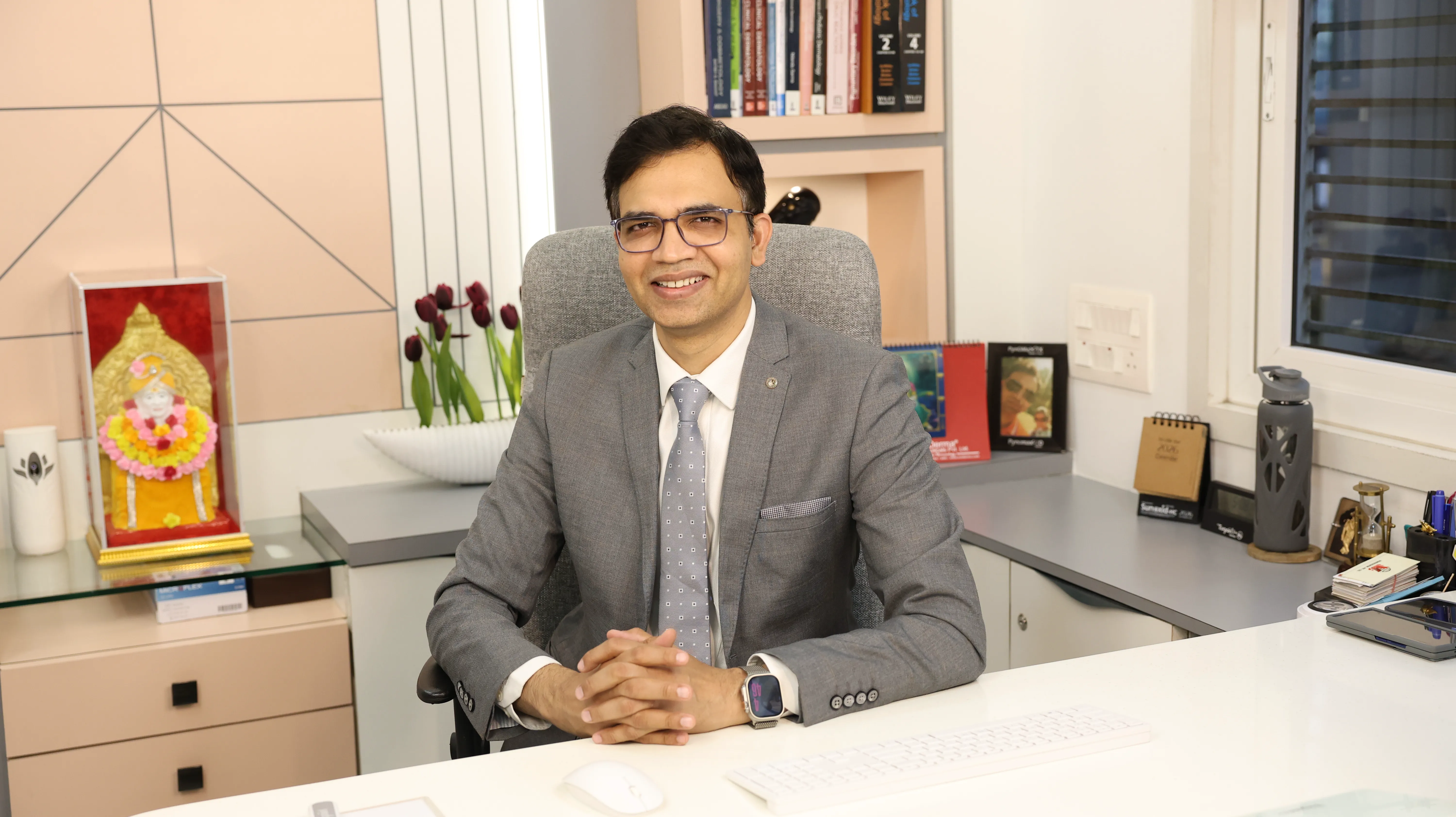
Dr. Nitin Barde
Dermatologist & Hair Transplant Surgeon
Radiance Skin & Hair Clinic, founded by Dr. Nitin Barde and Dr. Radhika Barde, is Nagpur's trusted centre for advanced dermatology. We are a physician-led clinic ensuring every procedure is performed by qualified experts.
Equipped with a dedicated sterile OT and advanced scar revision tools, we provide precise subcision and comprehensive combination treatments (like PRP and lasers) under one roof to deliver lasting results for rolling acne scars.
Discover why people choose Radiance Clinic for premium treatments.

★★★★★Dr. Nitin is exceptional! PRP sessions significantly helped my hair growth. Best place for hair and skin treatment in Nagpur!
★★★★★Professional care tailored to my health. Dr. Nitin is knowledgeable and patient. Trustworthy clinic with very supportive staff!
★★★★★Smooth, painless hair transplant with excellent post-op care. Feeling more confident already. Best dermatologist in Nagpur! 🤗🙏
★★★★★Saw great improvement in my scalp and hair condition! Dr. Nitin is highly professional and knowledgeable. Highly recommended.
★★★★★Best dermatology clinic in Nagpur! The team is highly experienced and they truly care about their patients' well-being.
★★★★★Highly experienced dermatologist and skilled team. They truly care and provide great results for skin and hair. Great experience!
★★★★★Radiance Clinic offers excellent skin treatment with professional and caring staff. I’ve seen great results and highly recommend it to anyone in Nagpur.
★★★★★I came here for hair laser removal. Very nice service and treatment for fast. The clinic is hygienic and has positive environment. Amazing experience.
★★★★★Friendly and supportive behavior. Perfect treatment and suggestions. Best doctor for skin and hair treatment in Nagpur!

Get clarity on our advanced treatments from the leading skin doctor and hair clinic in Nagpur.