Hard Water and Hair Fall in Nagpur: What the Evidence Says and What You Can Do
Hard water mainly affects the hair shaft and scalp surface, leading to dryness, roughness, mineral residue, and increased breakage. Scientific evidence that mineral-rich water causes hair loss directly from the root follicle is very limited. Most persistent hair shedding stems from internal medical, hormonal, or nutritional factors. If shedding lasts several weeks or your hair is thinning, a qualified doctor can help identify the root cause.


Dr. Nitin Barde
M.B.B.S, M.D, FRGUHS
Introduction
If you live in Nagpur and have recently noticed extra strands collecting around the bathroom drain, stuck in your comb, or snapping when styled, you are not alone. Many residents who move between neighbourhoods or switch water supplies wonder whether the local tap water is damaging their hair. This guide is written for anyone in Nagpur dealing with dull, unmanageable strands or sudden shedding who wants clear, balanced, and evidence-based facts on what water can and cannot do to their hair.
What Is Hard Water and How Do You Know If You Have It?
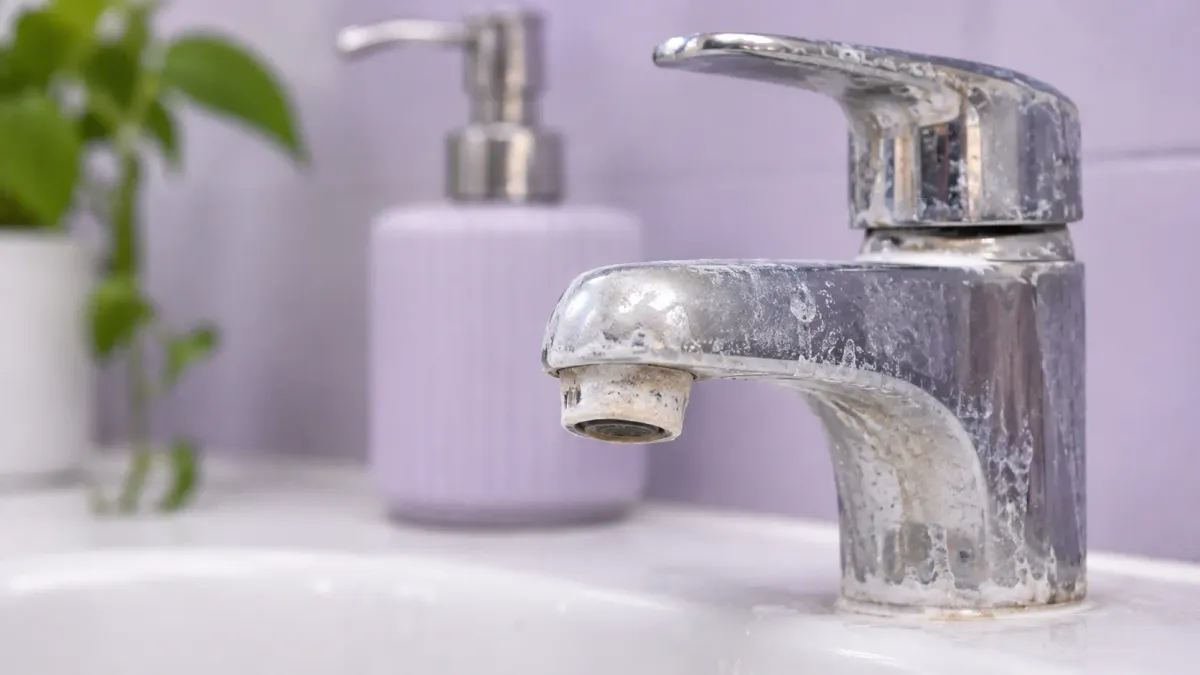
Hard water is water that contains high levels of dissolved minerals, primarily calcium and magnesium salts. When rain falls, it is naturally soft, but as it filters through soil, rocks, and subterranean aquifers, it dissolves minerals along the way. While these minerals are safe to drink, they interact noticeably with soaps, shampoos, skin, and hair fibres.
There are several visible household indicators that suggest you may be using hard water:
- Chalky residue on fixtures: White, crusty scale deposits (limescale) frequently coat taps, showerheads, and bathroom tiles.
- Poor soap lather: Soaps and shampoos do not foam easily, requiring you to use larger amounts of cleanser to achieve a lather.
- Soap curd formation: A persistent film or scum remains on bathroom buckets, mugs, and glass shower partitions even after rinsing.
- Dry, coated hair texture: Hair feels rough, tangled, or coated with a powdery film soon after washing and drying.
- Stiff laundry: Washed clothes and towels feel scratchy and lose their softness over time.
To verify the quality of your water at home, you can test it directly:
- Total Dissolved Solids (TDS) Meter: A handheld digital TDS meter measures all dissolved organic and inorganic compounds present in water, expressed in parts per million (ppm). However, a high TDS reading indicates total dissolved matter (such as salts, silt, and minerals) and does not specify which minerals are present.
- Water Hardness Test Kit or Test Strips: Chemical reagent drops or colour-changing dip strips measure calcium and magnesium concentrations specifically. These provide a much more accurate assessment of hardness than a standard TDS meter alone.
It is helpful to remember that high TDS and high water hardness are not identical. Water can have an elevated TDS reading due to harmless sodium or sulfates without being excessively hard, just as water with moderate TDS may contain significant calcium and magnesium ions.
Elegance inYour Inbox
Join our curated circle and get 10% OFF on your first visit. Receive medical-grade insights, seasonal trends, and early access.
Water Sources in Nagpur: Why It Differs from Home to Home
Water hardness in Nagpur is not uniform across the city, meaning your experience can change significantly depending on your specific locality and building infrastructure. Municipal water supplied across Nagpur generally originates from surface reservoirs such as Gorewada Lake, Totladoh, or the Kanhan river system. Surface water treated by municipal authorities usually undergoes filtration and settling processes, which can yield different mineral characteristics compared to groundwater.
In contrast, many independent homes, cooperative housing societies, and newly developed residential layouts rely partially or entirely on borewells, open wells, or private water tankers. Groundwater extracted from deep aquifers tends to have prolonged contact with underground rock formations, which can lead to higher concentrations of dissolved calcium and magnesium.
Storage practices also introduce variability:
- Overhead and underground tanks: Uncleaned storage tanks accumulate sediment and mineral sludge over time, altering the water reaching your tap.
- Mixed water supplies: Some residential complexes blend municipal supply with groundwater to manage daily consumption.
Because water properties vary from one neighbourhood, apartment complex, or water source to another, it is best to test your own household tap rather than assuming your area has soft or hard water.
Can Hard Water Cause Hair Fall?
Hard water does not typically cause true hair loss from the follicle, but it can contribute to hair shaft breakage and scalp irritation. To understand what is happening, it is essential to distinguish between three separate issues: hair breakage, scalp irritation, and follicular shedding.
| Hair Concern | How It Occurs | Key Characteristics |
|---|---|---|
| Hair Shaft Breakage | Physical snapping along the strand length | Cuticle lifts; strand loses elasticity and fractures |
| Scalp Irritation | Surface dryness, mineral film, and residue | Triggers itching, flaking, and skin barrier sensitivity |
| True Follicular Shedding | Disruption of the biological growth cycle | Hair detaches directly from the root with bulb intact |
1. Hair Shaft Breakage
When you wash your hair in hard water, calcium and magnesium ions can bind to the outer layer of the hair fibre, called the cuticle. The mineral build-up makes the cuticle scales flare outward rather than lie flat. This leads to rough texture, friction between neighbouring strands, and persistent tangling. Over time, hair loses its natural elasticity and snaps easily during brushing, towel drying, or styling. This is structural breakage, not hair failing to grow from the root.
2. Scalp Irritation and Flaking
Mineral deposits can combine with natural scalp oils (sebum) and shampoo residues to create a persistent film on the scalp surface. For individuals with sensitive skin, this film can induce itching, redness, or dryness. Scratching an irritated scalp can weaken strand attachments at the surface, though it does not damage healthy hair bulbs underneath.
3. True Shedding from the Root
True hair fall (such as telogen effluvium or pattern hair loss) takes place beneath the surface of the scalp inside the hair follicle. Current scientific research does not indicate that calcium or magnesium in washing water enters the follicle and shuts down the hair growth cycle. Published medical studies examining the relationship between hard water and hair loss remain limited. Small laboratory evaluations have observed reduced tensile strength and increased surface roughness in hair fibres treated with hard water, but researchers have not established hard water as a primary or independent cause of medical hair loss.
Hard Water or Something Else?
Understanding whether your hair concerns arise from external water factors or an internal medical condition is the first step toward finding relief. The table below outlines how signs of water-related strand damage differ from signs of underlying physiological shedding.
| Clinical Feature | Water-Related Hair Damage | Underlying / Medical Hair Loss |
|---|---|---|
| Primary Location | Hair shaft and outer cuticle layer | Hair follicle beneath the scalp surface |
| Appearance of Lost Strands | Short, broken pieces without a white root bulb | Full-length strands with a distinct white bulb at the base |
| Hair Texture and Feel | Dry, rough, straw-like, dull, and prone to knots | Often normal texture, but hair volume or density decreases |
| Scalp Presentation | Mild surface dryness, product film, or light flaking | Visible widening of parting, patchy bare spots, or receding hairline |
| Onset Pattern | Often noticeable soon after moving home or changing water | Gradual thinning over months, or diffuse shedding 2 to 3 months post-illness |
| Effect of Water Management | Improves with gentler hair-care habits and conditioning | Does not resolve with water filters or external hair products alone |
Other Common Causes of Hair Fall
If you notice full-length strands shedding with their white root bulbs intact, water quality is unlikely to be the primary driver. In clinical practice, several internal conditions frequently trigger diffuse hair shedding:
- Nutritional Deficiencies: Inadequate levels of iron, low serum ferritin, vitamin D3, or vitamin B12 compromise the cellular turnover of hair follicles. If you have low iron stores, learning how long iron tablets take to stop hair loss can help set realistic recovery expectations.
- Thyroid Disorders: Both an underactive and an overactive thyroid gland alter metabolic rates and hair cycling. Patients managing this issue can read our medical guide on how to stop thyroid hair loss for clinical perspectives.
- Hormonal Fluctuations: Conditions such as polycystic ovary syndrome (PCOS), post-pregnancy hormonal adjustments, or perimenopause can trigger thinning. For more detail, read our guide on how to stop PCOS hair loss.
- Genetic Pattern Thinning: Androgenetic alopecia causes progressive miniaturisation of hair follicles on the crown and temples. Exploring professional options for alopecia treatment helps preserve existing hair density.
- Physical or Emotional Stress: Major infections, surgical procedures, rapid weight loss, or intense emotional distress can trigger telogen effluvium, pushing numerous hairs prematurely into the resting phase. Learn more about the physiological growth cycle in our article on hair fall causes, stages, and when to see a doctor.
Practical Steps to Try
If you suspect hard water is making your hair brittle or rough, sensible hair-care adjustments can help protect the hair shaft from unnecessary breakage. These general measures support strand health, although they do not serve as medical treatments for underlying follicular conditions:
- Test your water supply: Use a home hardness test strip to determine whether you are dealing with mineral-heavy water or a different issue entirely.
- Wash with lukewarm or cool water: Avoid hot water when washing hair. Hot water opens up the cuticle scales and strips natural oils, making it easier for dissolved minerals to adhere to the strand.
- Use a gentle, sulphate-free cleanser: A mild shampoo cleanses the scalp without stripping protective natural lipids. Follow every wash with a hydrating rinse-out conditioner focused on the mid-lengths and ends to smooth down the cuticle.
- Consider an occasional clarifying shampoo: A clarifying shampoo used once every two to three weeks can help lift accumulated mineral residue and product build-up. Always follow the manufacturer's usage instructions on the label and avoid overusing it, as frequent clarifying can dry out the scalp.
- Evaluate a shower filter as an optional measure: A shower filter for hair fall can reduce chlorine, sediment, and certain impurities from municipal supplies. However, independent scientific evidence showing that basic shower filters soften water sufficiently to stop hair loss remains limited. Water softeners with ion-exchange resin are more effective for true mineral removal, though they require dedicated equipment.
- Prioritise gentle scalp hygiene: Wash your scalp regularly to prevent sebum, sweat, and mineral film from clogging the follicular openings.
- Dry hair with care: Do not rub wet hair vigorously with rough bath towels. Instead, gently squeeze excess moisture using a soft microfibre towel or cotton cloth to reduce mechanical friction and breakage.
NOTE:
Avoid aggressive do-it-yourself acid rinses, concentrated vinegar mixtures, or unbuffered home remedies. While dilute acidic rinses are sometimes discussed online for dissolving mineral scum, improper concentrations can irritate the scalp barrier, worsen contact dermatitis, and further weaken fragile hair shafts.
When to See a Skin and Hair Doctor
External water modifications cannot address internal medical conditions that disrupt follicle health. You should schedule a consultation with a qualified medical specialist if you observe any of the following signs:
- Daily hair shedding continues consistently for more than 2 to 3 months.
- You notice visible scalp thinning, a widening central hair parting, or a receding hairline.
- Hair falls out in distinct, round or oval patches across the scalp or beard area.
- Your scalp feels persistently itchy, painful, burning, red, or inflamed.
- You experience sudden, heavy shedding where handfuls of hair detach during washing or light combing.
- Hair shedding is accompanied by systemic symptoms such as chronic fatigue, unexplained weight changes, joint pain, or menstrual irregularities.
During an in-person medical evaluation, a doctor will typically review your detailed medical and dietary history, examine your scalp with a dermatoscope (trichoscopy) to inspect follicular openings, and order specific laboratory blood tests if an internal condition is suspected.
Hair Fall Evaluation in Nagpur at Radiance Clinic
If you are dealing with persistent shedding, changing hair texture, or thinning in Nagpur, professional clinical guidance can help clarify the underlying cause. At Radiance Clinic, our medical team conducts comprehensive scalp and hair evaluations to distinguish between external hair shaft breakage and internal medical conditions. An accurate assessment ensures you receive tailored, evidence-based recommendations rather than spending time on unverified home remedies. If you would like to have your hair and scalp evaluated, you can book an appointment with our team.
Frequently Asked Questions
Can hard water cause hair fall?
Hard water does not directly cause follicular hair loss, but it can contribute to hair shaft breakage. High mineral levels leave deposits on the hair cuticle, making strands brittle, rough, and prone to snapping. If hair is shedding from the root, an internal factor is usually responsible.
Does a shower filter stop hair fall?
A shower filter may reduce chlorine, rust, and coarse sediment, which can improve hair texture and lessen dryness. However, scientific evidence showing that shower filters stop medical hair fall is limited. Most basic filters do not significantly alter dissolved calcium or magnesium levels.
Does boiling water help reduce hardness for hair washing?
Boiling water only removes temporary hardness caused by dissolved calcium bicarbonate, converting it into insoluble scale. It does not eliminate permanent hardness caused by calcium and magnesium sulfates or chlorides. Boiling large amounts of water for daily washing is also inconvenient and may not noticeably improve strand texture.
How do I test my water at home?
You can test your home water using digital Total Dissolved Solids (TDS) meters or chemical hardness test strips. TDS meters check all dissolved matter, while hardness test strips measure calcium and magnesium concentrations directly. Water testing kits provide the clearest indication of true mineral hardness.
Will hair grow back after changing water?
If your hair was snapping due to hard water dryness, adopting gentler washing habits will allow newly grown hair shafts to remain intact and healthy. However, if hair loss is caused by nutritional, hormonal, or genetic factors, simply changing your water source will not restore hair growth.
Why does hair fall increase after moving to a new city?
Water change hair fall is often reported after moving, but water is rarely the sole reason. Relocation involves environmental changes, dietary shifts, disruption of sleep schedules, and physiological stress. These combined lifestyle adjustments can trigger temporary shedding, known as telogen effluvium, alongside any water differences.
Can hard water cause dandruff?
Hard water does not directly create dandruff, which is typically linked to a yeast called Malassezia on oily scalps. However, mineral residue combined with shampoo build-up can dry the scalp surface, worsen skin barrier irritation, and mimic or aggravate existing flaking and itching.
When should I see a doctor for hair fall?
You should see a doctor if shedding persists for more than two to three months, or if you notice patchy bald spots, a widening parting, or scalp pain. A doctor can examine your scalp, evaluate root health, and determine whether medical therapy or blood tests are necessary.