How Long Do Iron Tablets Take to Stop Hair Loss? What to Expect
You have been taking iron tablets for weeks now, yet every time you run your fingers through your hair, strands keep falling out. It is frustrating and the one question playing on loop is: when does this actually stop? Here is the honest answer. Iron deficiency is one of the most common and most fixable causes of hair loss. But iron tablets do not stop hair loss overnight. Your body needs time to rebuild its iron stores, and your hair follicles need even longer to respond. In this guide, we walk you through exactly how long iron tablets take to stop hair loss, the realistic month-by-month timeline you can expect, the ferritin levels your hair actually needs, and what to do if things are not improving as fast as you hoped.

Dr. Nitin Barde
M.B.B.S, M.D, FRGUHS
Can Iron Deficiency Really Cause Hair Loss?

Yes, and it is far more common than most people realise. Iron plays a central role in producing haemoglobin, the protein in red blood cells that carries oxygen to every tissue in your body, including your hair follicles. When iron levels drop, your body prioritises vital organs over hair growth. The result: your follicles get pushed prematurely into the telogen (shedding) phase, and you start losing more hair than usual.
Iron deficiency hair loss is diffuse meaning it affects the whole scalp rather than appearing in patches and it is fully reversible once ferritin is restored to the right level. This is one of the most treatable causes of hair thinning, which is exactly why understanding how long iron tablets take to stop hair loss matters.
Why Ferritin Matters More Than Serum Iron
Most people focus on their "iron levels" but what really matters for hair is ferritin, the protein that stores iron in your body. Think of serum iron as the cash in your wallet and ferritin as the money in your savings account. Your body draws from ferritin to fuel hair growth, and when that reserve drops, hair is the first thing to suffer.
Here is where it gets tricky. Many doctors consider a ferritin level of 12-15 ng/mL as "normal." But dermatologists and trichologists widely agree that ferritin needs to be at least 40-70 ng/mL and ideally above 70 ng/mL for healthy, consistent hair growth. If your report says "normal" but your ferritin is sitting at 20, your hair may still be starving for iron.
Elegance inYour Inbox
Join our curated circle and get 10% OFF on your first visit. Receive medical-grade insights, seasonal trends, and early access.
How Iron Tablets Work to Reduce Hair Fall
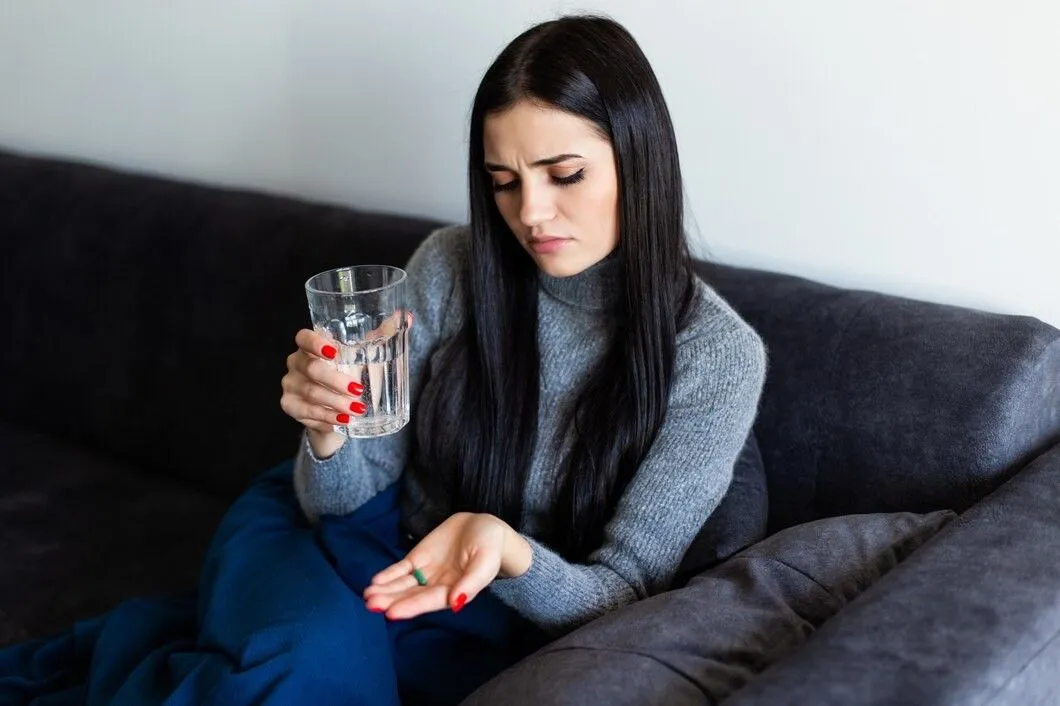
When you start taking iron tablets, the iron is absorbed through your gut and slowly rebuilds your ferritin stores. As ferritin rises, oxygen delivery to your hair follicles improves, and the follicles that were stuck in the shedding phase gradually shift back into the growth (anagen) phase.
But this is the part most people do not hear: iron tablets do not stop hair loss the moment your ferritin starts climbing. Hair operates on its own biological clock. Each follicle cycles independently through growth, rest, and shedding phases. Even after your ferritin reaches optimal levels, the follicles that already entered the shedding phase will continue to shed; they have to complete their cycle before new growth begins.
This is called the "hair cycle lag," and it is the main reason how long iron tablets take to stop hair loss is measured in months, not weeks. Internally, your body is healing. Externally, it does not look like anything has changed yet. That gap can be deeply discouraging but it is completely normal.
How Long Before Iron Supplements Show Results for Hair Loss
Realistic Month-by-Month Timeline
Here is what a typical recovery timeline looks like when you are consistent with your iron supplementation:
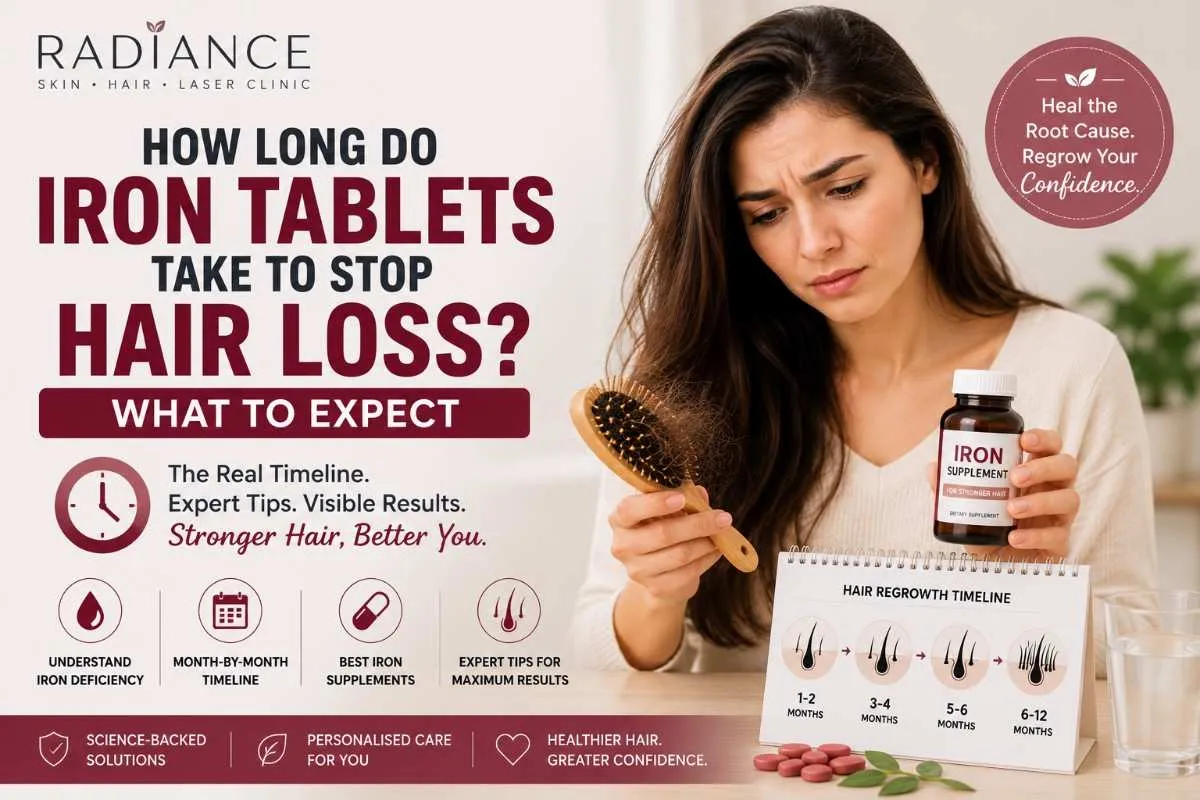
Month 1-2: Your ferritin levels begin to climb, but you will not see any visible change in your hair yet. Shedding may even continue at the same rate. This is the rebuilding phase, your body is restocking its iron reserves and redirecting oxygen to essential tissues. Stay the course.
Month 3-4: Shedding starts to slow down noticeably. You may find fewer hairs on your pillow, in the shower drain, or on your hairbrush. Your scalp is getting the nutrients it needs, and follicles are beginning to transition out of the resting phase.
Month 5-6: This is when most people start noticing baby hairs, those short, fine strands growing along the hairline and parting. It is a clear sign that new growth is underway. Hair texture may also start feeling slightly thicker and stronger.
Month 6-12: With consistently good ferritin levels (above 70 ng/mL), you should see noticeable regrowth and improved hair density. The hair that grows back during this period tends to be healthier and more resilient, provided your iron stores remain stable.
Factors That Affect How Fast Iron Tablets Stop Hair Loss
Your results timeline can shift based on several individual factors:
- Starting ferritin level: If your ferritin was severely low (below 15), recovery takes longer than if it was mildly low (30-40).
- Type of iron supplement: Some forms of iron are absorbed better than others (more on this below).
- Diet and absorption habits: Taking iron with the wrong foods can cut absorption by more than half, significantly extending how long it takes for iron tablets to stop hair loss.
- Underlying conditions: If PCOS, thyroid disorders, or postpartum changes are also at play, iron alone may not be enough.
If an underlying condition is contributing to your hair loss alongside iron deficiency, addressing both is critical for meaningful results.
You can check these articles for more information:
Hair loss due to PCOS? Read: How to Stop PCOS Hair Loss
Thyroid-related hair loss? Read: How to Stop Thyroid Hair Loss
After pregnancy? Read: Postpartum Hair Loss Guide
Best Time to Take Iron Tablets for Maximum Absorption
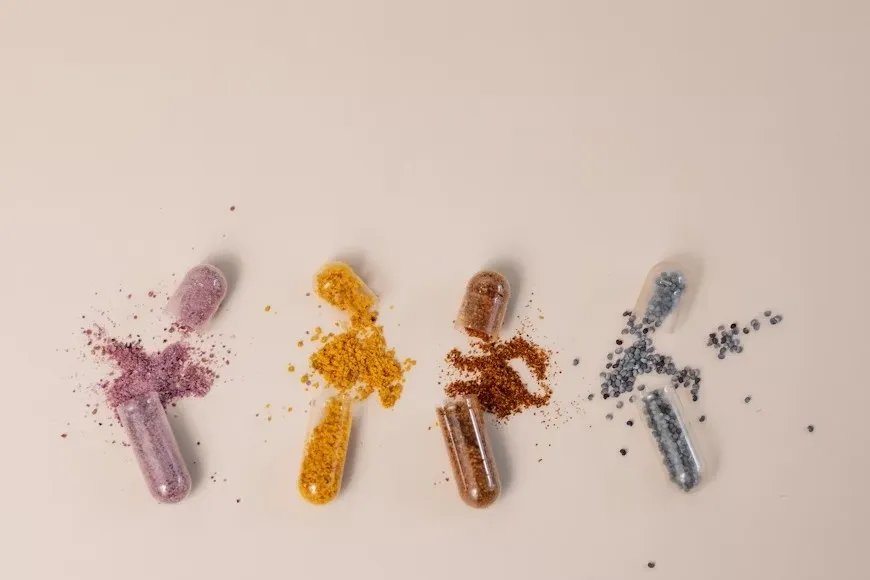
When you take your iron tablets matters almost as much as which one you take. These habits directly affect how quickly iron tablets stop hair loss. Poor absorption extends your timeline unnecessarily.
- Take iron in the morning on an empty stomach, this is when absorption is highest. Wait at least 30 minutes before eating.
- Avoid tea, coffee, calcium, and dairy within 2 hours of taking iron; these inhibit absorption significantly. Tannins in tea alone can reduce iron uptake by up to 60%.
- Taking iron with vitamin C, a glass of lemon water, an amla shot, or an orange dramatically boosts absorption. Vitamin C converts non-heme iron into a form your gut absorbs more easily.
- If iron upsets your stomach try taking it with a small snack (not dairy), switch to a gentler form like ferrous bisglycinate, or take it every other day. Studies show alternate-day dosing can actually improve absorption.
- Space iron from other supplements, calcium, zinc, and antacids should be taken at least 2-3 hours apart from iron to avoid interference.
Signs Your Hair Loss Is Due to Low Iron

Ferritin Levels Explained
Ferritin is a blood protein that stores iron and releases it when your body needs it. For hair specifically, research consistently shows:
- Below 30 ng/mL - high risk of iron-related hair shedding
- 40-70 ng/mL - the minimum range where hair can grow properly
- Above 70 ng/mL - the optimal zone for strong, consistent hair growth
- Above 100 ng/mL - excellent, but no need to push much higher unless medically advised
A ferritin level of 18 might be flagged as "within range" on your lab report but it is not enough for your hair. If you are wondering how long iron tablets will take to stop your hair loss, the answer depends heavily on getting ferritin above 70 ng/mL and keeping it there.
Symptoms That Point to Iron Deficiency
Iron-deficiency hair loss has a distinct pattern. Look for these signs together:
- Diffuse shedding all over the scalp not in patches, but a general thinning everywhere
- Persistent fatigue and low energy, even after a full night of sleep
- Brain fog, difficulty concentrating, and poor memory
- Cold hands and feet, even in warm weather
- Pale skin, especially around the inner eyelids and nail beds
- Brittle nails that chip or crack easily
- Frequent headaches and dizziness
- Hair that feels thinner overall, not missing in one spot, but lacking volume everywhere
Tests to Ask For
If you suspect iron deficiency is behind your hair loss, ask your doctor for these specific tests:
- Serum Ferritin - the single most important test; it tells you whether iron tablets are likely to stop your hair loss
- Complete Blood Count (CBC) - checks haemoglobin, red blood cell count, and overall blood health
- Serum Iron and TIBC (Total Iron Binding Capacity) - together these show how much iron your body is actually using
- Vitamin B12 and Vitamin D - these deficiencies often overlap with low iron and can independently cause hair thinning
A dermatologist like Dr. Nitin Barde can run a targeted blood panel and identify exactly how low your ferritin is, and whether other deficiencies are overlapping with it. At Radiance Clinic, hair loss consultations include a thorough nutritional assessment so nothing gets missed. And after assessment, the clinic can plan treatments like FSCT,PRP or Hair Transplant according to need.
Best Iron Supplements for Hair Loss
Ferrous Bisglycinate vs Ferrous Sulfate
Not all iron supplements are created equal. The two most common types are:
Ferrous Bisglycinate (Iron Bisglycinate Chelate): This is a chelated form of iron, meaning the iron is bound to amino acids. It is significantly gentler on the stomach, causes less constipation and nausea, and is absorbed more efficiently, even when taken with food. It is the preferred choice for anyone who has struggled with side effects from iron tablets.
Ferrous Sulfate: This is the most commonly prescribed form because it is inexpensive and widely available. However, it is harder on the digestive system. Many people experience constipation, stomach cramps, or dark stools. It must be taken on an empty stomach for best absorption, which can make the side effects worse.
If you can afford it, ferrous bisglycinate is the better option for long-term supplementation, especially if you need to take iron for several months to build ferritin.
Dosage and What to Look For on the Label
- Focus on "elemental iron" content, this is the actual amount of iron your body can use. A 325 mg ferrous sulfate tablet may only contain 65 mg of elemental iron.
- Most adults need 30-60 mg of elemental iron daily for hair recovery, but your doctor should determine the right dose based on your ferritin levels.
- Do not over-supplement without testing, excess iron can be toxic and cause organ damage. Always recheck ferritin every 3 months.
Food Sources to Eat Alongside Supplements
Supplements work best when your diet also supports iron intake. Include these iron-rich foods regularly:
- Heme iron (best absorbed): Red meat, chicken liver, eggs, fish
- Non-heme iron (plant-based): Spinach, lentils (dal), chickpeas, tofu, pumpkin seeds, beetroot
- Pair with Vitamin C foods to boost absorption: Lemon, amla (Indian gooseberry), oranges, tomatoes, bell peppers
- Avoid pairing with absorption blockers: Tea, coffee, milk, and calcium supplements at the same meal
If you have been taking iron tablets for 3+ months with no visible improvement, it is worth getting a full panel done. There may be an absorption issue or an overlapping cause that needs attention. Radiance Clinic offers hair loss consultations that include nutritional assessment to identify exactly what is holding your hair back.
Find Your Specific Hair Loss Cause
Iron deficiency often overlaps with other conditions. If you are not sure what is driving your hair loss, these guides can help you narrow it down:
Want the full natural hair loss guide?: How to Stop Hair Loss and Regrow Hair Naturally
PCOS and iron deficiency overlap?: How to Stop PCOS Hair Loss
Thyroid causing low iron?: How to Stop Thyroid Hair Loss
Postpartum iron loss?: Postpartum Hair Loss Guide
If Iron Tablets Have Not Stopped Your Hair Loss After 6 Months: Consider FSCT
Iron deficiency hair loss is reversible but sometimes, especially when the deficiency has been severe or prolonged, follicles sustain damage that supplements alone cannot fully repair. If you have been taking iron consistently, your ferritin is now above 70 ng/mL, and your hair is still not recovering as expected, the follicles themselves may need direct stimulation.
Follicular Stem Cell Therapy (FSCT) is an advanced, non-surgical treatment that uses stem cells derived from your own follicles to reactivate dormant hair roots and stimulate new growth. It is not a first-line treatment for iron deficiency hair loss but for cases that have not resolved despite correct supplementation and adequate ferritin levels, it offers a targeted clinical option.
Who should consider FSCT for iron-related hair loss?
- Those who have maintained ferritin above 70 ng/mL for 3+ months and are still seeing significant shedding or no regrowth
- People with a prolonged history of iron deficiency where follicles may have weakened over time
- Anyone who has addressed overlapping causes (thyroid, PCOS) and is still not recovering hair density
FSCT is available at Radiance Skin Antiaging and Hair Transplant Clinic under the guidance of Dr. Nitin Barde. A consultation includes a detailed scalp assessment and blood work to confirm whether you are a suitable candidate before any treatment is recommended.
Frequently Asked Questions About Iron and Hair Loss
Q: How long do iron tablets take to stop hair loss?
A: Most people notice a reduction in shedding by month 3-4 of consistent supplementation, with visible regrowth starting around month 5-6. Full results typically appear between 6-12 months, depending on your starting ferritin level and whether other causes are addressed.
Q: Can iron deficiency cause permanent hair loss?
A: In most cases, no. Iron-deficiency hair loss is temporary and fully reversible once ferritin levels are restored to optimal range (above 70 ng/mL). However, if left untreated for years, chronic iron deficiency can weaken follicles over time. Early treatment leads to better outcomes.
Q: What ferritin level is needed for hair regrowth?
A: While labs may consider ferritin above 12 ng/mL as "normal," dermatologists recommend a ferritin level of at least 40–70 ng/mL for hair health. Levels above 70 ng/mL are considered optimal for strong, consistent hair growth.
Q: Should I take iron tablets every day for hair loss?
A: It depends on your ferritin level and your doctor's advice. For moderate deficiency, daily supplementation is common. However, recent research suggests that alternate-day dosing may actually improve absorption in some individuals. Your dermatologist can recommend the best schedule for you.
Q: Why is my hair still falling out after taking iron tablets?
A: This is common in the first 2-3 months. Hair follicles that have already entered the shedding phase will continue to shed even after ferritin starts rising. It takes time for new growth to replace lost hair. If shedding has not reduced by month 4, check whether your ferritin has actually risen and rule out other causes like thyroid issues or PCOS.
Q: Is ferrous bisglycinate better than ferrous sulfate for hair loss?
A: For most people, yes. Ferrous bisglycinate is better absorbed, causes fewer gastrointestinal side effects, and can be taken with food without significantly reducing absorption. It is the preferred form for long-term iron supplementation aimed at hair recovery.
Conclusion: How Long Iron Tablets Really Take to Stop Hair Loss
Iron deficiency is one of the most fixable causes of hair loss, but patience is non-negotiable. Supplements do not produce overnight results, and the hair cycle adds a built-in delay between "your blood is healing" and "your hair looks better."
The key takeaways are simple: get your ferritin tested (not just haemoglobin), aim for levels above 70 ng/mL, take your iron correctly with vitamin C on an empty stomach, and give it a solid 4-6 months before judging results. Track your ferritin levels every 3 months, numbers do not lie.
Most importantly, iron supplements work best when the root cause is also being addressed. If PCOS, thyroid disorders, or absorption issues are in the picture, treating iron alone will only get you part of the way there.
If your hair is not responding to iron tablets after a few months, a proper assessment can find out why, and save you months more of waiting. Radiance Clinic's team, led by Dr. Nitin Barde, specialises in identifying the exact cause of hair loss through comprehensive blood work and personalised treatment plans. Book Your Hair Loss Consultation at Radiance Clinic
Not Sure What’s Causing Your Hair Loss?
The earlier you identify the cause, the easier it is to treat.
Get a personalized diagnosis and expert guidance tailored to your condition.
Book a consultation with Radiance Clinic to get 10% of with promocode HAIRLOSS10
Key Takeaways (Summary)
- Iron deficiency hair loss is reversible but recovery takes 3-6 months minimum
- Ferritin above 70 ng/mL is the target for healthy hair growth
- Ferrous bisglycinate is gentler and better absorbed than ferrous sulfate
- Take iron on an empty stomach with vitamin C; avoid tea, coffee, and calcium at the same time
- Shedding may continue for 2-3 months even after starting supplements, this is normal
- Always retest ferritin every 3 months to track progress
- If no improvement after 4 months, investigate overlapping causes like PCOS, thyroid, or absorption issues