How to Stop PCOS Hair Loss: Hormonal Solutions That Actually Work
You check your brush. You look at the shower drain. You part your hair and the scalp shows more than it used to. If you have PCOS and you are watching your hair thin out, you already know this is not ordinary shedding. It feels different, it is relentless, and it does not seem to respond to the usual hair loss fixes. That is because PCOS hair loss is hormonal at its core. It is driven by excess androgens, specifically DHT, that shrink your follicles over time. Until you address what is happening inside your body, no shampoo or vitamin supplement is going to give you lasting results. Understanding how to stop PCOS hair loss and actually doing it requires a multi-pronged approach that targets the root cause, not just the symptoms. This guide breaks down exactly why PCOS causes hair loss, which medical and natural treatments are backed by evidence, what dietary changes make a real difference, and what a realistic regrowth timeline looks like. Written for women aged 18–35, not a medical textbook, but grounded in real science.
Dr. Radhika Barde
M.B.B.S, DCH, DDV, FAD
Why Does PCOS Cause Hair Loss? The Hormonal Connection
What Are Androgens and DHT?
Androgens are often called 'male hormones,' but every woman produces them too in smaller amounts. In PCOS, the ovaries produce excess androgens, particularly testosterone. The problem starts when testosterone is converted by an enzyme (5-alpha reductase) into a more potent form called DHT (dihydrotestosterone).
DHT binds to receptors in your hair follicles and, over time, causes them to miniaturise. Each hair cycle produces a thinner, shorter strand. Eventually the follicle stops producing visible hair altogether. This process is called androgenic alopecia and it is exactly what drives PCOS-related hair loss. If you are wondering how to stop hair fall from PCOS, controlling DHT is always the starting point.
How Insulin Resistance Makes It Worse
Most women with PCOS have some degree of insulin resistance, where the body's cells do not respond properly to insulin. To compensate, the pancreas produces more insulin. Those higher insulin levels then signal the ovaries to produce even more androgens.
This creates a direct link between blood sugar control and PCOS hair thinning. When insulin spikes repeatedly through the day from high-sugar foods, refined carbs, or irregular eating, androgen levels rise with it. Stabilising blood sugar is not optional for PCOS hair loss management; it is foundational.
The Iron Deficiency Connection
Women with PCOS often experience heavy or irregular periods, which increases the risk of iron deficiency and, more specifically, low ferritin, the stored form of iron your body uses for hair growth. Low ferritin causes diffuse shedding that can overlap with and worsen androgenic hair loss.
The critical detail: standard blood panels may flag your iron as 'normal' while your ferritin remains low enough to cause significant shedding. Ask specifically for a serum ferritin test. Dermatologists recommend levels above 70 ng/mL for healthy hair growth, not just the lab's minimum range.
Is low iron also affecting your hair? Read: How Long Do Iron Tablets Take to Stop Hair Loss?
Treating symptoms without addressing the hormonal root cause will only give temporary results. Getting a proper diagnosis including hormone levels and ferritin is the essential first step in learning how to stop PCOS hair loss for good.
Elegance inYour Inbox
Join our curated circle and get 10% OFF on your first visit. Receive medical-grade insights, seasonal trends, and early access.
Medical Treatments to Stop PCOS-Related Hair Fall
Spironolactone
Spironolactone is an anti-androgen medication originally developed as a blood pressure drug. At lower doses (50-200 mg/day), it is one of the most widely used and effective treatments for hormonal hair loss in women with PCOS. It works by blocking DHT from binding to hair follicle receptors, slowing miniaturisation and allowing follicles to recover.
Timeline: Most women notice reduced shedding by month 3-4, with visible regrowth starting around month 6. It is not suitable for women who are pregnant or planning to conceive, and it requires a prescription and regular monitoring of potassium levels.
Minoxidil
Minoxidil is a topical treatment applied directly to the scalp. It works by prolonging the hair's growth phase (anagen), increasing blood flow to follicles, and reducing the resting phase that leads to shedding. For women, the 2% formulation is standard, though dermatologists may recommend 5% in some cases.
Important warning: in the first 2-6 weeks, minoxidil can trigger a 'dread shed' — a temporary increase in shedding as follicles are pushed from resting into active growth. This is normal and resolves. Stopping treatment at this stage is one of the most common mistakes women make.
Inositol (Myo + D-Chiro, 40:1 Ratio)
Inositol is not a prescription drug, it is a naturally occurring compound that improves insulin sensitivity at the cellular level. The combination of myo-inositol and D-chiro-inositol in a 40:1 ratio has been shown in multiple studies to lower testosterone levels, improve menstrual regularity, and reduce androgen-related symptoms in women with PCOS including hair loss.
It has a strong safety profile, is available over the counter, and works well when combined with low-glycaemic dietary changes. It is a good first-line option for women who prefer to avoid prescription medications initially.
Birth Control Pills
Combined oral contraceptives reduce ovarian androgen production and, depending on the progestin used, can have anti-androgenic effects. Pills containing drospirenone (e.g., Yasmin) or cyproterone acetate are most commonly recommended for androgen-related hair loss.
The important caveat: hair loss often returns after stopping the pill, because the underlying hormonal imbalance is still present. This makes it a management tool rather than a cure, and it is a personal decision that should be made in consultation with a doctor.
If you are unsure which treatment suits your specific hormone profile, a dermatologist can assess your androgen levels and recommend the right approach saving months of guesswork and trial and error. Book a consultation at Radiance Clinic with Dr. Nitin Barde.
Natural Remedies to Manage PCOS Hair Loss at Home
Spearmint Tea
Spearmint has demonstrated anti-androgenic properties in clinical studies. A 2010 randomised controlled trial published in Phytotherapy Research found that drinking two cups of spearmint tea per day for 30 days significantly reduced free and total testosterone in women with PCOS.
Lower free testosterone means less DHT conversion and less follicle miniaturisation. Give it at least 2-3 months of consistent use to assess any impact on hair shedding, and combine it with other approaches for best results.
Rosemary Oil
A 2015 study published in SKINmed Journal compared rosemary oil to 2% minoxidil over six months. Both groups showed equivalent hair count improvement and rosemary caused significantly less scalp itching as a side effect.
How to use: Mix 3-5 drops of rosemary essential oil with a carrier oil (coconut, jojoba, or argan). Massage into the scalp for 5-10 minutes. Leave on for at least 30 minutes before washing. Use 3-4 times a week consistently.
Pumpkin Seed Oil
Pumpkin seed oil contains phytosterols that inhibit 5-alpha reductase, the enzyme that converts testosterone into DHT. A 2014 study in Evidence-Based Complementary and Alternative Medicine found significant hair count improvement in men using pumpkin seed oil capsules. Women-specific data is limited but mechanistically sound.
Available as capsules (400 mg/day) or as a scalp treatment oil. It works best as a supportive measure alongside hormonal treatment rather than as a standalone solution.
Saw Palmetto
Saw palmetto is a plant extract that inhibits the conversion of testosterone to DHT, similar to pharmaceutical 5-alpha reductase inhibitors but milder and available without a prescription. It is found in supplement capsules and some anti-hair-loss shampoos.
Always inform your doctor before using saw palmetto alongside prescription medications, as it can interact with hormonal treatments and blood thinners.
Natural remedies can reduce androgen activity and support follicle health, but they work best as part of a broader plan that addresses the root hormonal cause.
Diet Changes That Help Reduce Hormonal Hair Loss from PCOS

Go Low Glycaemic
A low-glycaemic diet keeps blood sugar stable, which directly reduces insulin spikes, which in turn lowers androgen production from the ovaries. The effect is not subtle dietary changes alone can meaningfully reduce testosterone levels in women with PCOS.
Practical swaps: replace white rice with brown rice, oats, or quinoa. Choose lentils, legumes, and berries over refined carbs. Always pair carbohydrates with protein or healthy fat to slow glucose absorption.
Eat Enough Protein
Hair is made of keratin, a protein. If your daily protein intake is insufficient, your body will not have the building blocks for new hair growth, regardless of what else you do. Aim for 1.2-1.6g of protein per kilogram of body weight daily.
- Animal sources: eggs, chicken, fish, paneer
- Plant sources: lentils, chickpeas, tofu, Greek yogurt, edamame
Key Nutrients for PCOS Hair Loss
- Zinc: reduces 5-alpha reductase activity and DHT levels found in pumpkin seeds, chickpeas, cashews
- Iron/Ferritin: test before supplementing; aim for ferritin above 70 ng/mL
- Biotin: supports keratin structure; often low in PCOS due to poor gut absorption
- Omega-3 fatty acids: anti-inflammatory, support scalp health fatty fish, flaxseeds, walnuts
- Vitamin D: frequently deficient in PCOS; low levels linked to hair follicle dysfunction
What to Avoid
- Sugar and refined carbohydrates directly spike insulin and androgen levels
- Excess dairy contains IGF-1 and androgenic precursors that can worsen hormonal imbalance
- Alcohol disrupts liver's ability to clear excess hormones from circulation
- Ultra-processed foods pro-inflammatory and nutrient-poor
A dermatologist like Dr. Nitin Barde can run a simple blood panel to identify exact deficiencies and hormone levels, saving you months of guesswork and helping build a targeted plan for your case. Explore hair treatments at Radiance Clinic
Can PCOS Hair Loss Be Reversed? What to Expect
Realistic Timeline
Month 1: Internal changes begin. Hormone levels may start shifting if treatment has started. You may experience temporary increased shedding (especially with minoxidil) this is the dread shed phase and is normal.
Months 2-3: Shedding begins to slow as androgen levels drop. Fewer hairs on the pillow and in the shower drain. This is the most encouraging sign that treatment is working.
Months 4-6: Baby hairs appear along the hairline and parting. These fine, short strands are new anagen growth, a clear indicator that follicles are recovering. Hair texture may feel slightly thicker.
Months 6-12: Visible improvement in density and coverage with consistent treatment and lifestyle management. Results are best when both hormonal treatment and dietary changes are maintained together.
Warning Signs That Need Professional Attention
- Sudden rapid shedding more than 150-200 strands per day consistently
- Patchy or bald spots (may indicate alopecia areata rather than PCOS-related loss)
- No improvement after 3-6 months of consistent, appropriate treatment
- Hair loss accompanied by worsening PCOS symptoms irregular periods, weight gain, acne
Tests to Ask For
- Total and free testosterone + DHEA-S to assess androgen excess
- Ferritin (specifically) standard iron tests miss this
- Fasting insulin and fasting glucose to assess insulin resistance
- Thyroid pane TSH, free T3, free T4 thyroid dysfunction often overlaps with PCOS
- Vitamin D and Vitamin B12 commonly deficient in PCOS and independently cause hair loss
Thyroid and hair loss overlap? Read: How to Stop Thyroid Hair Loss
For the full natural hair loss guide:Read: How to Stop Hair Loss and Regrow Hair Naturally
At Radiance Clinic, our dermatologists specialise in hormonal hair loss. A proper scalp and blood assessment helps build a treatment plan targeting your specific cause whether that includes PRP, mesotherapy, personalised supplements, or in select cases, newer options like follicular stem cell therapy (FSCT). Book a consultation with Dr. Nitin Barde to get a plan built around your hormones, not a generic protocol.
When Hormonal Treatments Are Not Enough: Follicular Stem Cell Therapy (FSCT)
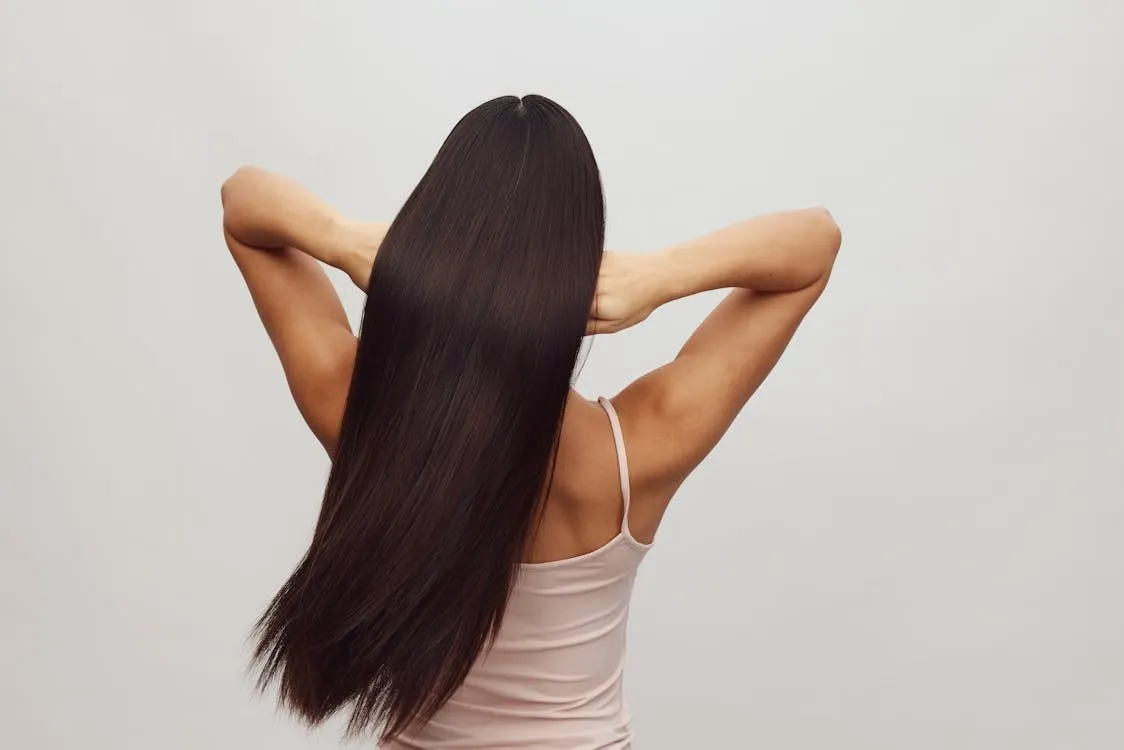
PCOS hair loss is hormonal but prolonged DHT exposure causes real, structural damage to follicles over time. If you have been managing your hormones, taking the right supplements, and using topical treatments like minoxidil, and your hair is still thinning, the follicles themselves may need direct intervention.
Follicular Stem Cell Therapy (FSCT) is an advanced, non-surgical hair restoration treatment that uses stem cells derived from your own hair follicles to reactivate dormant follicles, stimulate new growth, and reverse the miniaturisation caused by chronic DHT exposure. It addresses the follicle damage that anti-androgen medications and topicals cannot fully repair.
Why FSCT is different from PRP or minoxidil for PCOS hair loss:
- Spironolactone and minoxidil reduce DHT and stimulate growth but do not repair already-miniaturised follicles
- PRP delivers growth factors to stimulate follicle activity
- FSCT reactivates follicles that have become dormant due to prolonged androgen-driven miniaturisation making it particularly relevant for women with chronic PCOS hair thinning
Who is FSCT suited for with PCOS hair loss?
- Women with PCOS whose hair thinning has continued or plateaued despite spironolactone, inositol, or minoxidil
- Those with visible widening at the parting or reduced density at the crown
- Women in whom hormonal management has stabilised but follicle recovery has stalled
FSCT is available at Radiance Skin Antiaging and Hair Transplant Clinic under the guidance of Dr. Nitin Barde. A consultation includes a detailed scalp assessment and blood work to confirm whether you are a suitable candidate before any treatment is recommended.
Frequently Asked Questions About PCOS Hair Loss
Q: Can PCOS hair loss be reversed completely?
A: Yes, in most cases it can be significantly reversed. especially when caught early and treated consistently. Androgenic miniaturisation is progressive, so the earlier you address it, the more follicles you can preserve and reactivate. Women who combine medical treatment (such as spironolactone or minoxidil) with hormonal management and dietary changes typically see meaningful regrowth within 6-12 months.
Q: How long does it take to see hair regrowth with PCOS treatment?
A: Most women notice shedding reduction by months 2-3, baby hair growth by months 4-6, and visible density improvement by months 6-12. The timeline depends on how long hair loss has been progressing, which treatments are used, and how consistently the hormonal root cause is being addressed.
Q: What is the fastest way to stop PCOS hair fall?
A: The fastest approach combines anti-androgen medication (spironolactone prescribed by a dermatologist) with topical minoxidil, a low-glycaemic diet, and inositol supplementation. This multi-pronged strategy targets DHT, insulin resistance, and follicle recovery simultaneously. Natural-only approaches work, but take longer to show results.
Q: Does spearmint tea really reduce PCOS hair loss?
A: Evidence supports spearmint tea reducing free testosterone in women with PCOS, which over time can slow DHT-driven follicle miniaturisation. However, it works gradually and should not be relied upon as a sole treatment. Two cups daily for at least 2-3 months, alongside other interventions, is where it shows the most benefit.
Q: Which vitamin deficiency is most common with PCOS hair loss?
A: Iron (specifically ferritin), Vitamin D, and Vitamin B12 are the most commonly deficient nutrients in women with PCOS-related hair loss. Heavy or irregular periods deplete iron. PCOS itself is associated with Vitamin D deficiency. Always test before supplementing over-supplementing iron, in particular, can cause harm.
Q: Is PCOS hair loss the same as female pattern baldness?
A: They share the same mechanism, DHT-driven follicle miniaturisation but PCOS hair loss has a distinct hormonal trigger (excess androgens from the ovaries and insulin resistance) that can be addressed medically. Female pattern baldness (FPHL) may occur in women without PCOS and is influenced more by genetic sensitivity to DHT. A dermatologist can differentiate between the two and recommend the appropriate treatment.
Final Thoughts
PCOS hair loss is frustrating, but it is not permanent, and it is not untreatable. The key is understanding that it is hormonal, which means the solution has to be hormonal too. Treating only the surface scalp serums, biotin supplements, and expensive shampoos will not give you lasting results if DHT is still miniaturising your follicles from within.
Start with getting the right tests: androgens, ferritin, fasting insulin, thyroid, and Vitamin D. From there, a targeted plan combining the right medical treatments, natural supportive remedies, and a low-glycaemic diet can meaningfully reverse PCOS hair loss with consistency and patience.
Most importantly, act early. The earlier you address follicle miniaturisation, the more you can preserve and regrow. Waiting rarely helps with hormonal hair loss.
If you are not sure where to start or your current approach is not working, Radiance Clinic's team, led by Dr. Nitin Barde, specialises in diagnosing and treating hormonal hair loss through comprehensive blood work, scalp assessment, and personalised treatment plans. Book your consultation today and get a plan built around your specific hormone profile.
Not Sure What’s Causing Your Hair Loss?
The earlier you identify the cause, the easier it is to treat.
Get a personalized diagnosis and expert guidance tailored to your condition.
Book a consultation with Radiance Clinic to get 10% of with promocode HAIRLOSS10
Key Takeaways (Summary)
- PCOS hair loss is driven by excess DHT, treating it requires addressing the hormonal root cause
- Insulin resistance amplifies androgen production; blood sugar control is non-negotiable
- Low ferritin from heavy periods can compound PCOS hair loss test specifically for ferritin
- Spironolactone and minoxidil are the most evidence-backed medical treatments for PCOS hair loss
- Inositol (40:1 myo:D-chiro) is an effective OTC option that lowers testosterone and improves insulin sensitivity
- Spearmint tea, rosemary oil, pumpkin seed oil, and saw palmetto offer natural DHT-blocking support
- A low-glycaemic diet with adequate protein, zinc, and iron is foundational to any treatment plan
- Realistic regrowth timeline: shedding slows at months 2-3, baby hairs at months 4-6, visible density by months 6-12
- If no improvement after 3-6 months, see a dermatologist to rule out overlapping causes and recalibrate the plan