"Rating your steps included in daily shower routine out of 10"
Think your shower routine is flawless? Think again. From the scorching water temperature to the way you dry off, your daily habits might be doing more damage than you realize. I’m judging every step of your ritual to see if you’re actually protecting your skin or just stripping it bare.

Dr. Radhika Barde
Dermatologist & Aesthetic Physician
1. Scented Shower Gels.
02/10
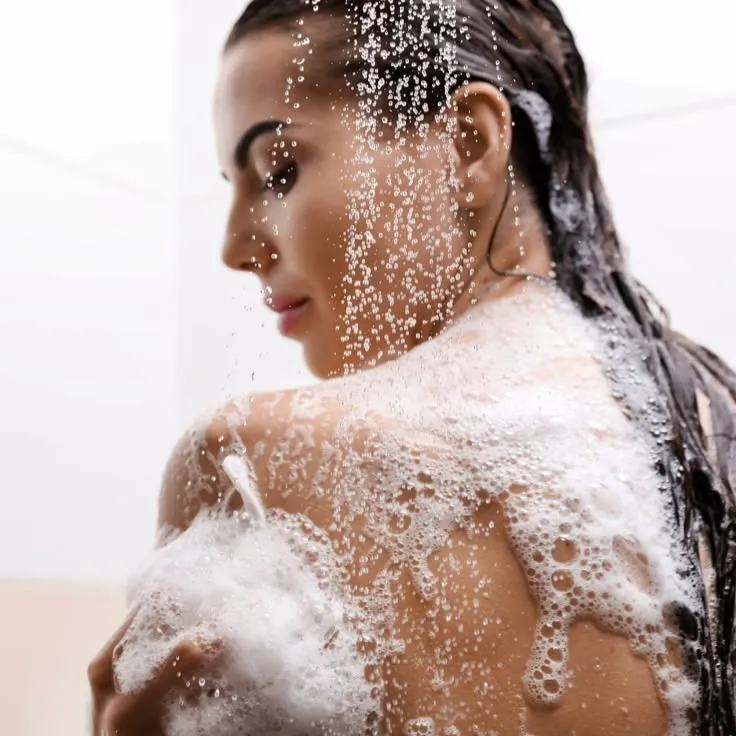
A dermatologist rates scented shower gels a 2/10 primarily because of their destructive impact on the stratum corneum, or the skin’s protective outer barrier. Most fragranced gels rely on harsh surfactants like Sodium Lauryl Sulfate (SLS) to create a high-lather, "squeaky clean" feeling, which simultaneously dissolves the essential lipids and ceramides that hold your skin cells together. This structural damage leads to "subclinical inflammation" irritation happening beneath the surface that you can't always see but that eventually manifests as chronic dryness, tightness, and a weakened defense against environmental bacteria.
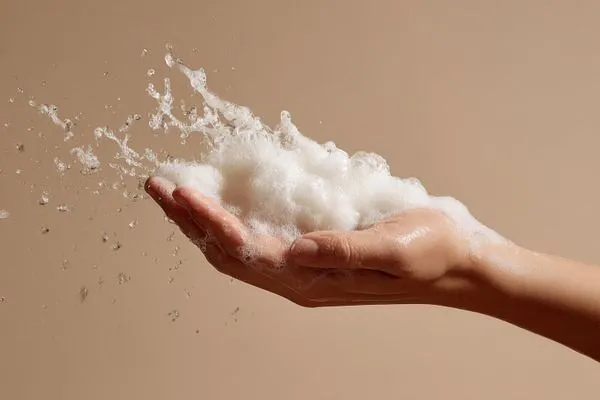
Beyond physical stripping, the "fragrance" label is often a chemical "black box" containing dozens of undisclosed allergens and phthalates. Even if you don't have a reaction today, dermatologists warn about immunological memory; repeated exposure to these volatile compounds can sensitize the skin over time, leading to sudden allergic contact dermatitis years down the line. For those with existing conditions like eczema or psoriasis, these scents act as a direct "flare-up" trigger, disrupting the skin's slightly acidic pH and leaving the barrier vulnerable to infection and long-term dehydration
2. Colorful body scrubs.
03/10
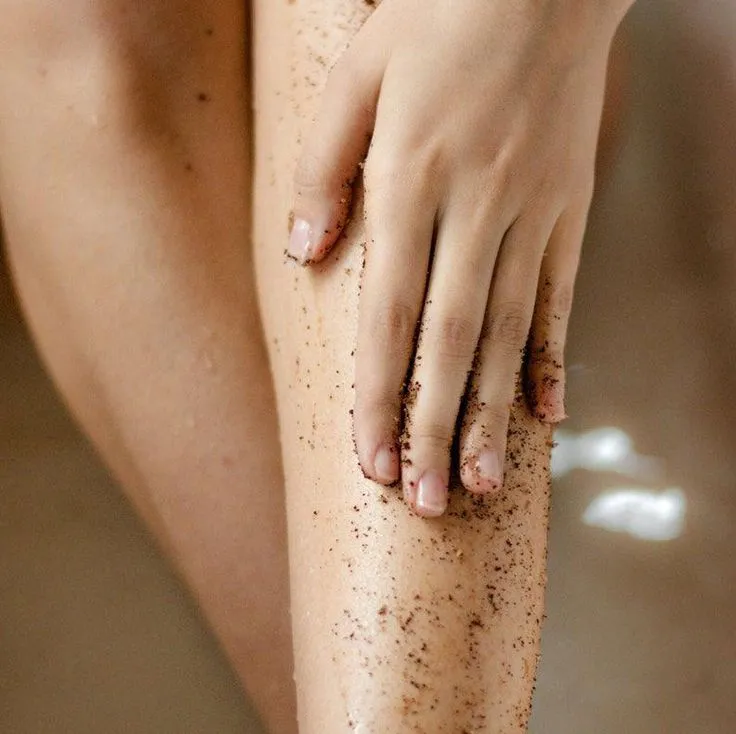
A dermatologist rates colorful body scrubs a 3/10 primarily because they prioritize "shelf appeal" over skin integrity. These products often utilize large, irregularly shaped exfoliants like salt, sugar, or crushed shells, which act like tiny sandpaper on the body. While they leave the skin feeling temporarily soft, they frequently cause micro-tears—invisible lacerations that compromise the skin barrier. This mechanical damage triggers an inflammatory response and creates entry points for bacteria, which can lead to "folliculitis" (infected hair follicles) or chronic sensitivity, especially on delicate areas like the chest and neck.
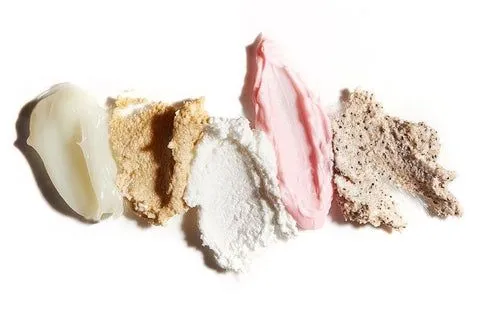
The remaining points of concern lie in the chemical additives required to achieve that "aesthetic" look and smell. To create vibrant neon hues and candy-like scents, manufacturers load these scrubs with synthetic FD&C dyes and heavy fragrances, both of which are high-ranking allergens on the patch-test scale. Furthermore, these formulas often lack "occlusives" or "humectants" to repair the skin after it has been abraded. Instead of healing the barrier, the dyes and perfumes penetrate the freshly wounded skin, leading to redness, stinging, and long-term dehydration. For a dermatologist, the minimal benefit of increased circulation is far outweighed by the risk of "sensitizing" the skin for life.
3. Shower oils.
8.5/10
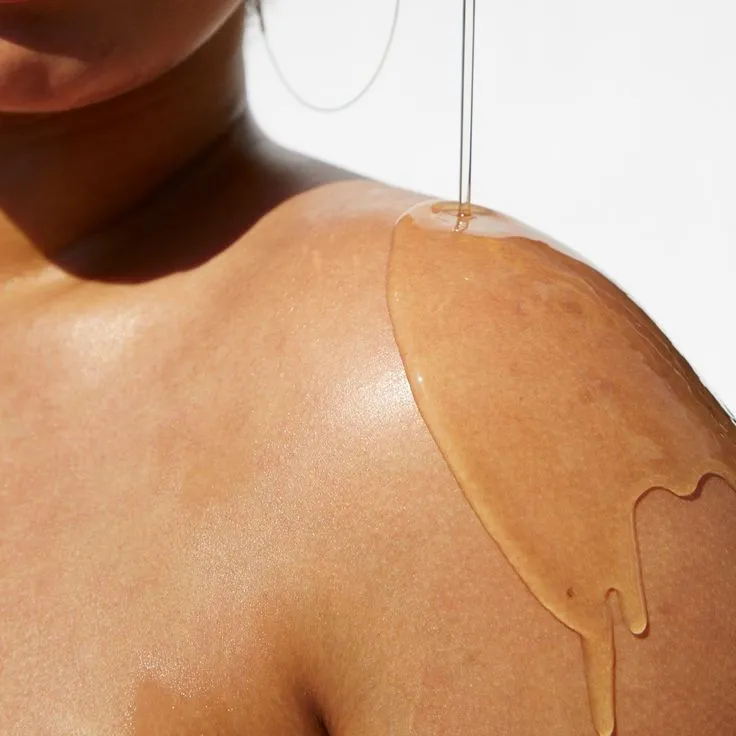
Shower oils earn an 8.5/10 primarily because they are the ultimate "skin barrier stabilizers." While traditional soaps use aggressive surfactants to break down surface tension, shower oils utilize a "like-dissolves-like" mechanism to lift impurities without stripping the essential lipids that keep your skin hydrated. This makes them a therapeutic necessity for people dealing with eczema, xerosis (dry skin), or the seasonal itchiness that comes with winter. By leaving behind a microscopic protective film, they prevent transepidermal water loss (TEWL), ensuring that your skin remains supple and calm the moment you step out of the water, rather than tight and irritated.
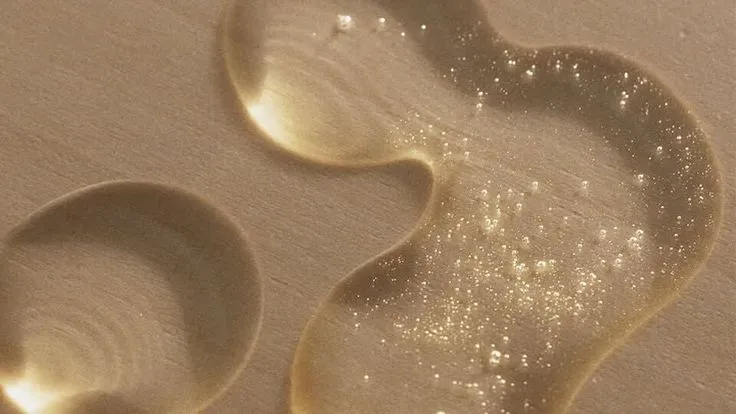
The reason they don't hit a perfect 10 is due to the practical and clinical trade-offs regarding safety and specific skin types. From a dermatological view, the risk of "shower slip" is a genuine safety concern, and for those with acne-prone skin, the occlusive nature of certain oils can lead to clogged pores and folliculitis on the back and chest. While they are a luxury for dry skin, they aren't a universal solution for everyone—especially those who produce excess sebum or live in high-humidity environments where that "filmy" feeling can become uncomfortable. However, for the average person looking to maintain a healthy glow, the pros of lipid replenishment far outweigh these niche drawbacks.
4. Bar Soaps
04/10-08/10
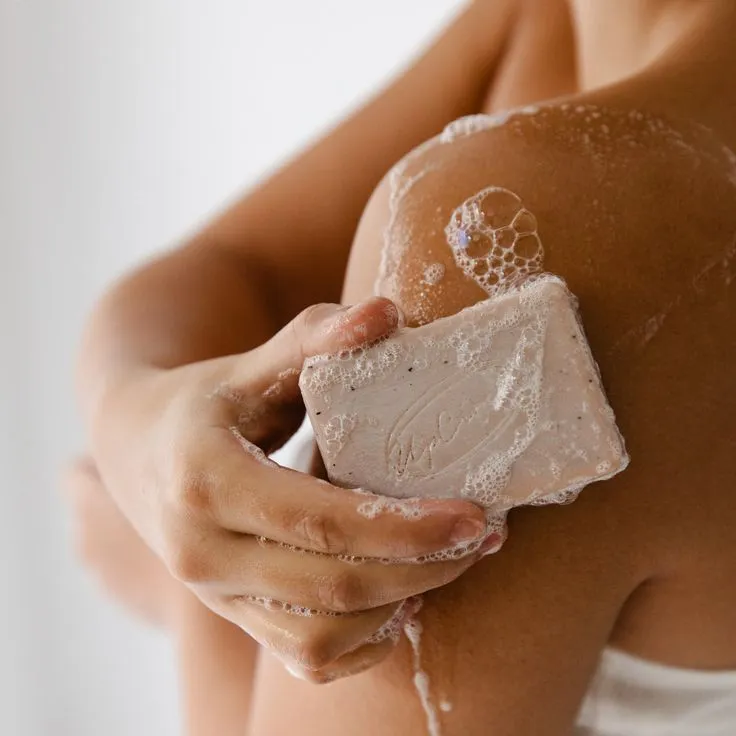
From a dermatological perspective, traditional bar soaps typically land at a 4/10, though modern "syndet" (synthetic detergent) bars can climb as high as an 8/10. The primary issue with classic bar soap is its high pH level. While human skin is naturally acidic—usually sitting around a pH of 4.5 to 5.5—most traditional soaps are highly alkaline (pH 9-10). This pH gap acts like a chemical shock to the skin, disrupting the "acid mantle" and dissolving the intercellular glue that holds skin cells together. This often leads to that "squeaky clean" sensation, which is actually a clinical sign of a compromised barrier, resulting in dryness, irritation, and a higher susceptibility to bacteria and allergens.
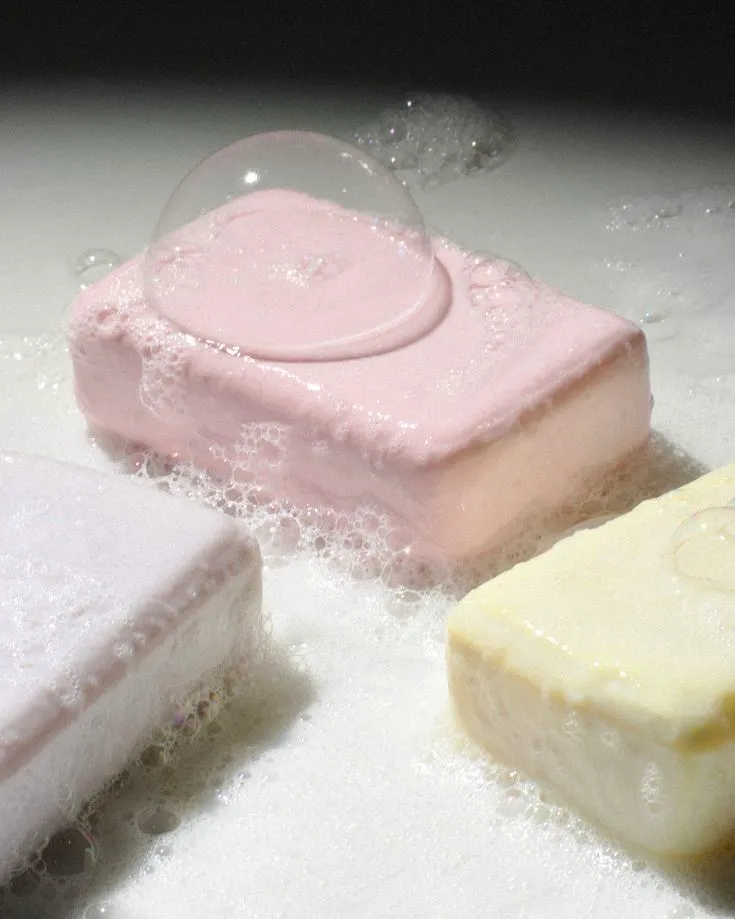
However, the bar format has seen a massive "glow-up" with the rise of soap-free cleansing bars, which earn a much higher rating for their sustainability and improved chemistry. These modern bars are formulated to be pH-balanced and are often packed with skin-identical ingredients like ceramides and glycerin. They offer a concentrated, preservative-free alternative to bottled washes, making them excellent for travel and eco-conscious patients. While they still face the minor hygienic hurdle of sitting in a damp soap dish—which can host bacteria if not drained properly—a high-quality dermatological bar is a powerhouse of efficiency, provided you skip the "old-school" lye-heavy versions.
5. Body lotion.
09/10
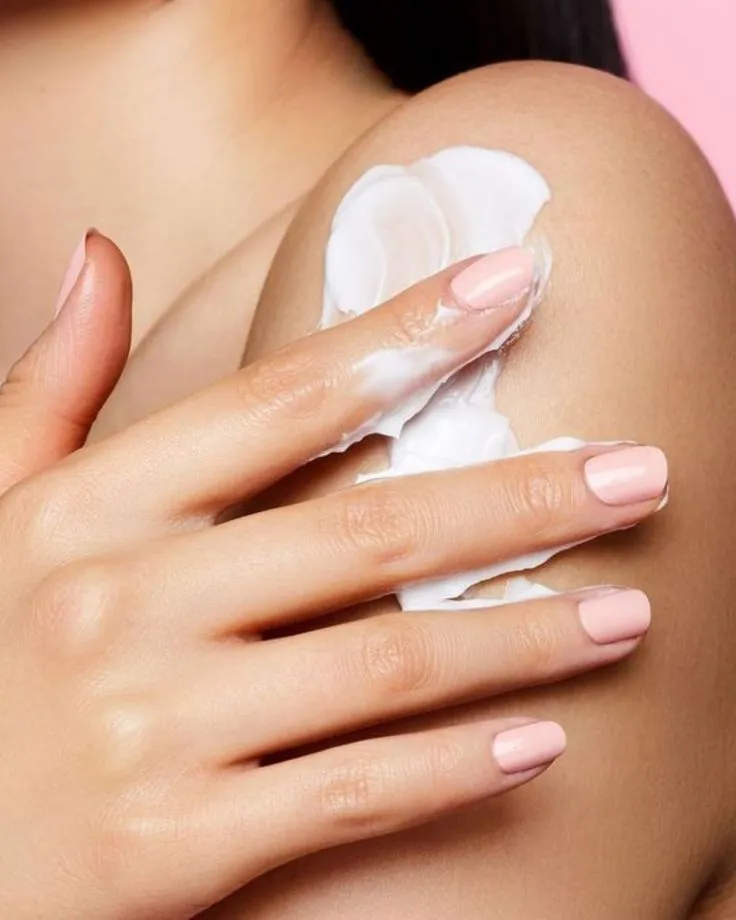
Body lotions are rated so high because they are scientifically engineered "emulsions"—a sophisticated mix of water and oil that mimics the skin's natural composition. Unlike oils, which only provide a seal (occlusion), lotions contain humectants (like glycerin or hyaluronic acid) that actually pull water into the skin cells. When applied to damp skin within three minutes of showering, a lotion performs a vital "lock-and-load" maneuver: it replaces the moisture lost to evaporation and then seals it in with emollients (like ceramides or squalane). This process repairs the stratum corneum—the outermost layer of your skin—effectively acting as a second skin that shields you from environmental irritants and prevents the micro-cracks that lead to sensitivity and itching.
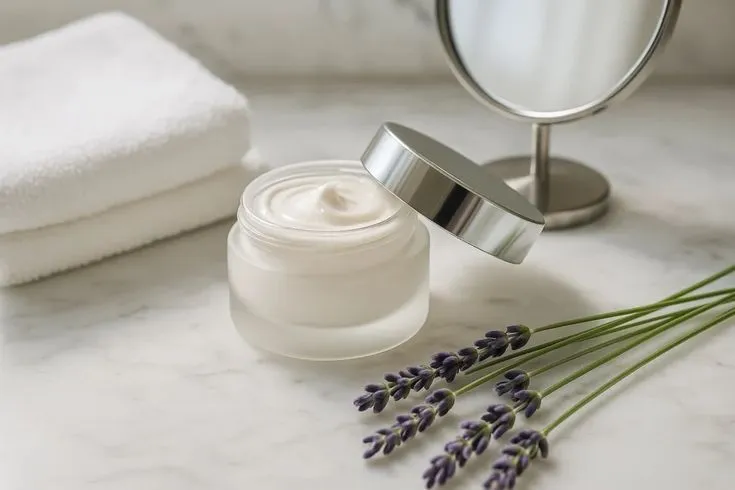
The only reason it misses a perfect 10 is the "maintenance tax" and formulation risks. To keep the skin barrier healthy, lotion requires consistent, daily application, which many users find tedious. Furthermore, the very ingredients that make lotions shelf-stable—like certain fragrances, preservatives, or alcohols—can occasionally cause contact dermatitis in highly sensitive individuals.
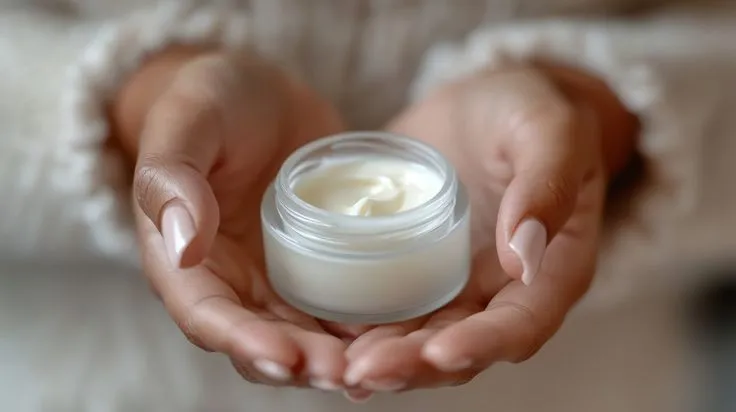
There is also the risk of comedogenicity; if a lotion is too heavy or contains pore-clogging waxes, it can trigger body acne or folliculitis. However, when you find a pH-balanced, fragrance-free formula, it is arguably the most effective tool in your kit for long-term skin resilience and "anti-aging" for the body.
6. Body Mist.
03/10
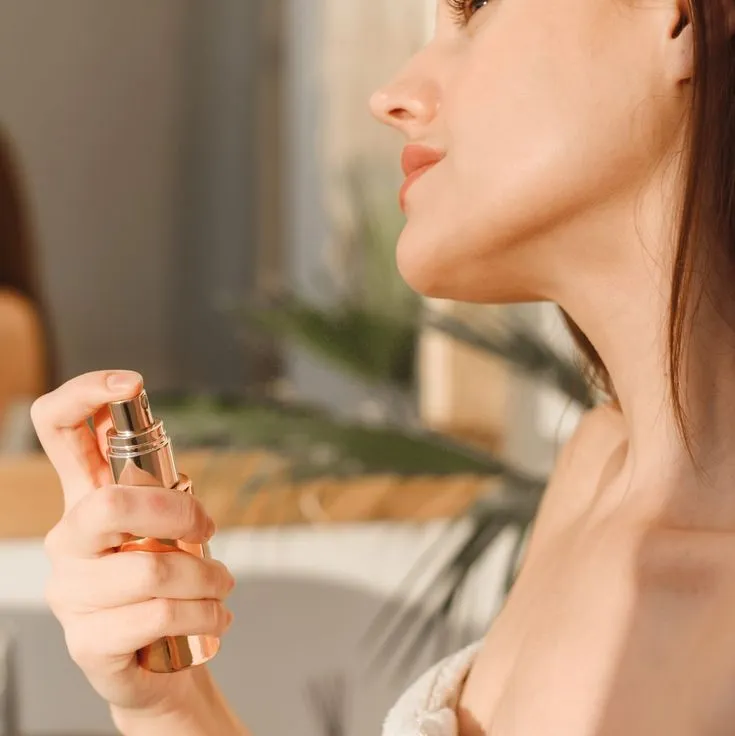
The primary reason for this low rating is the high alcohol content. Most body mists are formulated with a significant percentage of denatured alcohol (alcohol denat) to ensure the fragrance evaporates quickly and projects well. For your skin cells, this is essentially a flash-drying treatment. The alcohol disrupts the lipid bilayer of the skin, leading to micro-dehydration and, over time, a weakened barrier. Furthermore, body mists are heavily concentrated with synthetic fragrances and essential oils, which are the leading causes of allergic contact dermatitis. If you spray these directly onto sun-exposed skin, certain fragrance compounds can even trigger "phytophotodermatitis," a fancy term for a nasty skin reaction or hyperpigmentation caused by the sun reacting with chemicals on the skin.
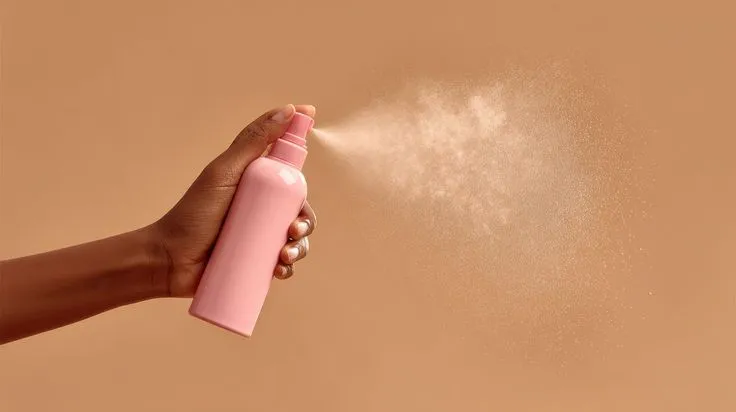
The only reason they aren't a 0/10 is that they provide a psychological "feel-good" factor and, compared to heavy perfumes, they are more diluted. To mitigate the damage, dermats usually recommend the "spray and walk" method or misting your clothes rather than your bare skin. This allows you to enjoy the scent without allowing the alcohol to feast on your skin’s natural oils. If you must apply it to your body, doing so over a thick layer of unscented moisturizer can act as a "buffer," protecting your skin cells from direct contact with the drying agents and potential allergens.