Monsoon Hair Care: How to Prevent Hair Fall, Dandruff & Scalp Infections
Increased air moisture and unevaporated scalp sweat weaken hair bonds and accelerate fungal growth during the rainy season, leading to severe shedding, sticky dandruff, and scalp folliculitis. Controlling monsoon hair damage requires clarifying anti-fungal washes, avoiding heavy overnight oiling, using wide-tooth wooden combs on dry hair, and exploring regenerative options like PRP or GFC therapy for severe shedding.

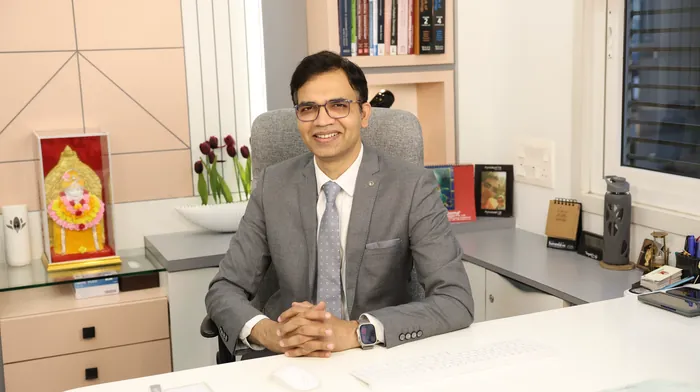
Dr. Nitin Barde
M.B.B.S, M.D, FRGUHS
Why Does Hair Fall and Dandruff Surge During the Monsoon in Nagpur?
While the monsoon offers a welcome break from summer heat across central India, it is notoriously challenging for your scalp and hair. Across Nagpur and the Vidarbha region, atmospheric moisture remains consistently high between July and September. This sustained atmospheric moisture creates an occlusive microenvironment on the scalp.
At Radiance Clinic Nagpur, trichologists routinely see a substantial influx of patients worried by clumps of hair in shower drains, relentless scalp itchiness, and sudden hairline thinning. When the air is saturated with moisture, scalp perspiration cannot evaporate naturally. This accumulated sweat mixes with sebum and airborne dust, weakening the follicular anchorage and triggering premature shedding. Implementing an intentional clinical hair care routine helps you maintain strong roots and a balanced, infection-free scalp throughout the rainy months.
The Scalp-Acne Link: How Monsoon Dandruff Triggers Facial Breakouts
Many patients treating stubborn rainy-season acne fail to realize that their breakouts are often fueled by an unhealthy scalp. The lipophilic yeast responsible for dandruff (Malassezia globosa) feeds on scalp sebum, producing irritating free fatty acids. When greasy dandruff flakes fall onto your forehead, temples, shoulders, and back, they trigger follicular inflammation and comedones. If you are experiencing sudden pimples alongside an itchy scalp, reviewing our comprehensive Monsoon Skin Care Guide alongside professional acne care protocols provides a complete approach to clearing both face and scalp.
Elegance inYour Inbox
Join our curated circle and get 10% OFF on your first visit. Receive medical-grade insights, seasonal trends, and early access.
The Science: How Atmospheric Humidity Weakens Hair Follicles
Understanding how rainy weather disrupts hair biology helps you make informed choices about your daily regimen:
1. Cuticular Swelling & Hygral Fatigue
Hair keratin is naturally porous and hygroscopic, meaning it absorbs water vapor directly from humid air. When excess moisture penetrates the inner cortex, the hair shaft swells. Moving repeatedly between humid outdoor air and air-conditioned indoor rooms causes hair fibers to swell and contract continuously. This cycle known as Hygral fatigue weakens structural hydrogen bonds, leaving strands frizzy, brittle, and susceptible to snapping during brushing.
2. Malassezia Yeast Proliferation in Sweat Folds
Microscopic yeast species naturally colonize the human scalp without causing harm. However, warm sweat and trapped sebum during the monsoon create an ideal incubator for Malassezia overgrowth. The resulting metabolic byproducts trigger inflammatory erythema, intense itching, and sticky yellowish flakes characteristic of seborrheic dermatitis.
3. Chemical Impact of Urban Rainwater & Hard Water
Urban rainwater absorbs airborne industrial emissions, nitrogen oxides, and sulfur compounds, giving it an acidic pH. Getting drenched in the rain disrupts the scalp's protective mantle. When combined with the hard tap water common in many Nagpur neighborhoods, mineral deposits accumulate on hair shafts, leading to cuticular roughness and dullness.
4. Seasonal Telogen Effluvium (Acute Shedding)
The combination of micro-inflammation around hair follicles, environmental oxidative stress, and disrupted scalp microbiota shocks a higher proportion of active growing follicles (Anagen phase) into an early resting and shedding phase (Telogen phase). This results in sudden, diffuse hair shedding.
5 Common Monsoon Scalp and Hair Disorders (Clinical Overview)
The Step-by-Step Trichologist-Approved Monsoon Hair Routine
1. Clarifying Pre-Wash Scalp Care
- Eliminate Heavy Overnight Oiling: Massaging thick mustard or coconut oil onto a damp, dandruff-prone scalp creates an occlusive film that feeds fungal colonies. If your scalp is itchy or flaking, discontinue overnight oiling completely.
- Chemical Scalp Exfoliation: Apply a light Salicylic Acid scalp solution once weekly before washing to dissolve stubborn sebum crusts and styling residue.
2. Cleansing and Shampoo Rotation
- Regular Scalp Washes: Leaving sweat and sebum on your scalp for multiple days accelerates microbial colonization. Wash your hair regularly throughout the week.
- Shampoo Cycling: Use a gentle sulfate-free cleanser for regular washes, and rotate in a medicated anti-fungal shampoo containing Ketoconazole or Zinc Pyrithione (ZPTO) twice weekly.
- Allow Contact Time: Gently massage the medicated foam into the scalp and wait several minutes before rinsing to let the active therapeutic compounds penetrate.
3. Targeted Mid-Length Conditioning
- Keep Products Off the Scalp: Apply conditioners and hair masks strictly from mid-lengths down to the ends to prevent clogging follicular openings.
- Strengthen with Keratin and Ceramides: Look for conditioning formulas containing hydrolyzed plant keratin, ceramides, or argan oil to seal cuticles and lock out airborne moisture.
4. Safe Drying Protocols
- Never Sleep with Wet Hair: Going to bed with a damp scalp creates a dark, warm environment where fungal spores multiply rapidly.
- Microfiber Squeezing: Wrap hair in a soft microfiber towel or cotton cloth to blot out excess water. Never rub strands vigorously with harsh terrycloth.
- Low-Heat Air Flow: If using a hair dryer, choose the cool or low-heat setting and keep the nozzle a safe distance from your scalp.
5. Friction-Free Detangling
- Detangle Semi-Dry Strands: Wet hair is in its most elastic, fragile state. Wait until hair is mostly dry before gently detangling with a wide-toothed neem wood or seamless comb.
- Apply a Protective Serum: Smooth a few drops of a lightweight silicone or argan oil serum over the tips to minimize friction and prevent static flyaways.
In-Clinic Hair Restoration Therapies Available in Nagpur
When seasonal shedding persists or is compounded by genetic pattern thinning, medical in-office treatments provide direct cellular stimulation to revive struggling follicles:
- Platelet-Rich Plasma (PRP) Therapy: PRP therapy utilizes concentrated growth factors harvested from your own blood. When injected into the scalp mesoderm, it stimulates microvascular circulation, extends the anagen growth cycle, and stops progressive thinning. Learn more about our specialized PRP therapy treatment in Nagpur.
- Growth Factor Concentrate (GFC) Therapy: GFC therapy is an advanced, highly purified biological formulation that delivers maximum growth factors with zero cell debris, ensuring optimal comfort and rapid follicle stimulation.
- Scalp Exosome Therapy: For advanced thinning, exosome therapy delivers targeted signaling vesicles to accelerate cellular repair and thicken miniaturized hair shafts.
- Targeted Mesotherapy: Hair mesotherapy delivers a nutrient-rich blend of biotin, amino acids, and minerals straight to the root matrix for rapid nourishment.
- Surgical Hair Restoration: If shedding has exposed visible scalp areas or advanced androgenetic thinning, explore our advanced FUE hair transplant and female hair transplant solutions at the best hair transplant clinic in Nagpur.
Looking for a more advanced solution? Discover our Follicular Stem Cell Treatment to naturally reactivate dormant hair follicles and enjoy an exclusive discount of upto ₹400! on price listed on third party platform
Practical Dos and Don'ts for Monsoon Hair Care
Nutritional Guidance: Dietary Fuel for Resilient Hair Roots
Topical products protect the hair surface, but systemic root health depends on balanced nutrition:
- Complete Proteins: Since hair fibers consist primarily of keratin protein, ensure adequate intake of eggs, paneer, tofu, lentils, Greek yogurt, and sprouted legumes.
- Iron and Serum Ferritin: Low ferritin levels limit oxygen delivery to follicle matrices. Consume spinach, beetroot, pomegranate, and soaked black raisins.
- Zinc and Selenium: These trace minerals regulate fungal yeast activity and support sebaceous gland health. Add pumpkin seeds, sunflower seeds, and walnuts to your daily snacks.
- B-Complex and Biotin: Crucial for cellular energy production in rapidly dividing matrix cells. Include oats, almonds, and whole grains.
- Daily Hydration: Drink adequate filtered water each day to support nutrient transport and scalp blood flow.
Frequently Asked Questions
Q1: Why does hair fall increase significantly during the monsoon season?
High ambient humidity and scalp sweat weaken hydrogen bonds in hair keratin, making strands fragile. Simultaneously, sweat accumulation triggers fungal dandruff and micro-inflammation, which prompts hair follicles to enter an early shedding phase.
Q2: Is applying hair oil overnight helpful for monsoon dandruff?
No. Overnight oiling creates an occlusive barrier that feeds Malassezia fungus, exacerbating dandruff and scalp folliculitis. If you oil your hair, do so only for a brief period before washing.
Q3: How often should I shampoo my hair during the rainy season?
Wash your hair regularly with a gentle, sulfate-free cleanser to remove sweat and environmental pollutants. Rotate in a medicated antifungal shampoo twice weekly if you notice flakes or an itchy scalp.
Q4: Can scalp dandruff spread to my face and cause pimples?
Yes. Dandruff flakes and associated yeast frequently fall onto the forehead, nose, and back, triggering follicular inflammation and stubborn acne breakouts.
Q5: When should I consider clinical treatments like PRP or GFC for hair loss?
If severe shedding persists beyond seasonal weather changes, or if you notice visible widening of your hair parting, clinical therapies like PRP and GFC provide concentrated growth factors to revive struggling follicles.
When to Consult a Trichologist
While an optimized hair care routine manages mild seasonal frizz and shedding, sudden diffuse hair loss, painful scalp bumps, or thick, scaling patches indicate medical conditions requiring clinical diagnosis. Delaying treatment can lead to follicular scarring or accelerated miniaturization.
For an in-depth trichological evaluation, scalp dermoscopy, and evidence-based hair restoration, consult Dr. Nitin Barde, recognized among the best hair transplant specialists in Nagpur, and Dr. Radhika Barde at Radiance Clinic.