How to Stop Teenage Hair Loss: What’s Causing It and How to Fix It
Finding clumps of hair in the shower drain or on the pillow is unsettling at any age. When it happens as a teenager, it can feel especially frightening, partly because nobody talks about it and partly because it feels like something that should not be happening yet. If you are a teenager going through this, or a parent watching it unfold and trying to figure out what to do, this guide is written for both of you. The most important thing to know upfront is that hair loss in teenagers is more common than most people realize, and in the vast majority of cases it is temporary and treatable. Knowing how to stop teenage hair loss starts with understanding what is actually causing it, because the right solution depends almost entirely on the right diagnosis. This guide covers the main reasons teenagers lose hair, how the experience differs between boys and girls, what you can do at home to prevent and reverse hair loss in teenagers, when professional treatment becomes necessary, and how to know when it is time to see a doctor.

Dr. Radhika Barde
M.B.B.S, DCH, DDV, FAD
Is Hair Loss Normal in Teenagers?
Teenage hair loss is a medical condition where hair shedding exceeds normal limits or visible thinning occurs due to hormonal, nutritional, scalp, or genetic factors during adolescence. Some degree of shedding is completely normal; losing 50 to 100 strands per day is part of how a healthy scalp works. The difference between normal shedding and a real problem comes down to pattern, volume, and timing.
If you are noticing a significant and consistent increase in daily shedding, visible thinning at the crown or temples, patchy areas, or a widening parting, that is worth taking seriously rather than waiting to see if it sorts itself out.
Early detection genuinely matters. Follicles that have only recently started to struggle respond far better to treatment than those that have been inactive for a long time. Acting within the first few months of noticing a change gives you the best chance of full recovery.
That said, a little more hair in the brush during a growth spurt, after an illness, or following a stressful exam period is not necessarily cause for alarm. Context matters, and this guide will help you read it correctly.
Elegance inYour Inbox
Join our curated circle and get 10% OFF on your first visit. Receive medical-grade insights, seasonal trends, and early access.
What Causes Hair Loss in Teenagers?
Teenage hair loss rarely comes from a single source. It is usually a combination of factors working together, and understanding them individually is the first step toward knowing how to stop hair loss in teenagers before it progresses.
Hormonal Changes During Puberty
Puberty triggers a significant shift in hormone levels across the body. Androgens rise in both boys and girls, and the hair follicles are sensitive to these fluctuations. In some teenagers, this hormonal transition pushes follicles into the resting and shedding phase earlier than usual, causing a temporary increase in hair fall.
For most, this settles naturally as hormones stabilize over the following months to a couple of years. In others, elevated androgens can begin the slow process of follicle miniaturization that leads to pattern hair loss, which is addressed separately below.
Nutritional Deficiencies

This is one of the most common causes of teenage hair thinning, and one of the most frequently overlooked. Teenagers often have inconsistent eating habits: skipping meals, following restrictive diets, eating a narrow range of foods, or going through periods of high physical activity without adjusting their nutritional intake accordingly.
Iron deficiency is particularly common, especially in girls with heavy periods. The body prioritizes iron for essential organ function, and hair growth is one of the first processes to slow when ferritin levels drop. Protein deficiency has a similar effect since hair is built almost entirely from a protein called keratin.
Zinc, vitamin D, and biotin deficiencies also contribute to shedding and slower regrowth. If you suspect nutrition might be involved, the guide on how iron deficiency causes hair loss covers the specific connection in detail and explains what recovery looks like once the deficiency is corrected.
Stress and Academic Pressure

The teenage years come with a level of pressure that is often underestimated by adults. Exams, social dynamics, family stress, and the general intensity of adolescence can create a state of chronic stress in the body that has physical consequences, including increased teen hair fall.
When the body is under sustained stress, elevated cortisol disrupts the hair growth cycle and pushes a large number of follicles into the shedding phase simultaneously. This is called telogen effluvium. The shedding typically begins two to three months after the stressful period, which can make it hard to connect the cause and effect. Once the stress is managed and the body recovers, hair usually returns within a few months.
Scalp Condition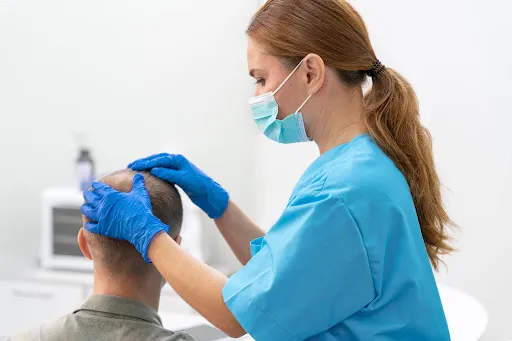
Conditions like seborrheic dermatitis (dandruff), tinea capitis (scalp ringworm), and folliculitis can all interfere with hair growth. These conditions cause inflammation around the follicles and, if left untreated, can lead to temporary or, in some cases, more lasting hair loss in teenagers.
Signs of a scalp condition include persistent itching, flaking, redness, or scaling. These respond well to appropriate treatment once correctly diagnosed, which is why a proper assessment matters more than trying random products.
Hairstyling Damage
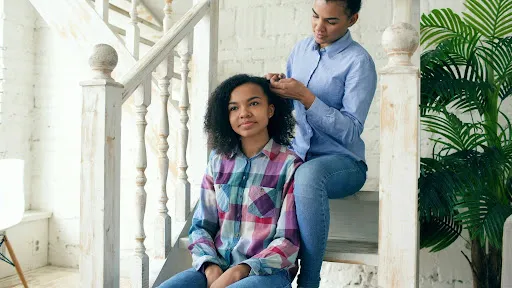
Heat styling without protection also weakens the hair shaft and increases breakage. The good news is that styling-related damage is one of the more reversible causes of hair loss for teens when caught early and the damaging practices are stopped.
Early Genetic Hair Loss
Androgenetic alopecia, the most common form of permanent hair loss in adults, can begin in the teenage years. It tends to appear earlier in those with a strong family history on either side. In boys it typically starts with a receding hairline or thinning at the crown. In girls it usually presents as a gradually widening parting rather than a receding hairline.
If the hair loss follows a recognizable pattern and there is a family history of thinning, it is worth getting a proper assessment sooner rather than later. The guide on hereditary hair loss explains what androgenetic alopecia looks like in younger people and what treatment options are available at different stages.
Teenage Boys vs Teenage Girls: How Hair Loss Differs
While many of the underlying causes overlap, the way hair loss presents and the specific triggers involved can differ significantly between teenage boys and girls. Understanding these differences helps narrow down what is going on.
Teenage Boys
In teenage boys, the most common pattern is a gradual recession of the hairline at the temples or thinning at the crown. This often reflects early androgenetic alopecia, where the follicles are sensitive to dihydrotestosterone (DHT), a byproduct of testosterone that causes the follicles to shrink over time.
Boys are also prone to stress-related shedding during high-pressure academic periods, and nutritional deficiencies tied to intense physical activity or poor diet are not uncommon. Scalp conditions like tinea capitis and seborrheic dermatitis are also worth ruling out.
For a more detailed guide covering causes and solutions specifically for teenage boys, the guide on how to stop hair loss in teenage guys covers everything relevant to that age group and pattern.
Teenage Girls
Teenage girls tend to experience diffuse thinning rather than a clearly defined pattern. This means the hair appears thinner overall rather than receding from a specific area. The most common drivers are iron deficiency (particularly in those with heavy periods), low protein intake from restrictive diets, and hormonal conditions like PCOS.
Hairstyling damage, including tight styles and heat tools used daily, is also a significant factor in this group. Stress-related shedding is equally common as in boys, though it may go unnoticed longer because the diffuse pattern is harder to detect than a receding hairline.
The dedicated guide on how to stop hair loss in teenage girls goes into the specific causes, hormonal factors, and practical steps most relevant to girls in this age group.
How to Stop Teenage Hair Loss: What Actually Works
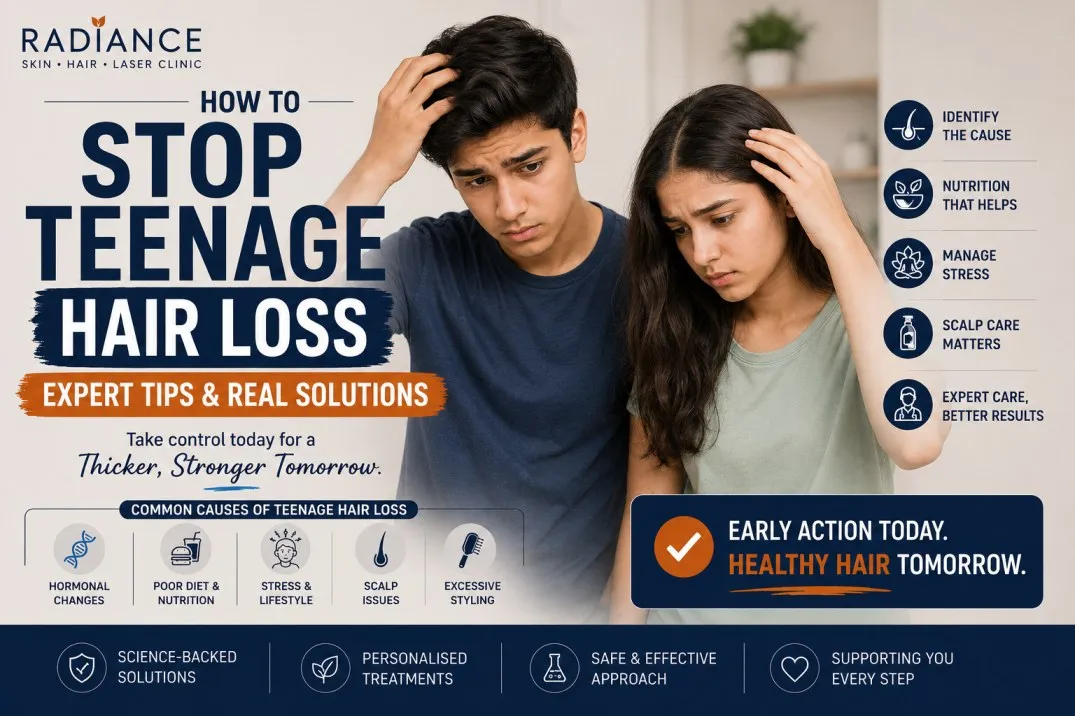
The most effective way to stop teenage hair loss is to combine nutritional support, consistent scalp care, reduced stress, and gentler hair habits and to start as early as possible. These changes work best when maintained consistently over several months.
Fix Nutrition First
Hair follicles are nutritionally demanding cells. Without adequate protein, iron, zinc, and vitamins, they cannot complete their growth cycle properly.
- Include a protein source at every meal: eggs, lentils, chicken, fish, Greek yogurt, or paneer.
- Eat iron-rich foods daily: spinach, red meat, lentils, pumpkin seeds, and tofu. Combine them with vitamin C to improve absorption.
- Do not skip meals. Periods of very low calorie intake send a signal to the body to redirect nutrients away from hair.
- If periods are heavy and fatigue is also present, iron levels are worth testing before assuming the cause is something else.
If low iron may be playing a role, the guide on how iron deficiency causes hair loss and how long recovery takes explains what to test for and what to expect once supplementation begins.
Scalp Care
- Use a gentle, sulphate free shampoo and wash often enough to keep the scalp clean without over-drying it.
- A five minute scalp massage daily using firm circular movements improves blood flow to the follicles and is one of the simplest habits with a real evidence base behind it.
- Keep the conditioner away from the scalp and apply it only from mid-length to the ends.
- If there is persistent itching, flaking, or redness, see a dermatologist before the condition has time to cause follicle damage.
Stress Management
Managing stress does not mean eliminating it entirely, which is not realistic for most teenagers. It means building consistent daily habits that lower cortisol over time.
- Short daily walks, even 20 minutes, have a measurable effect on stress hormones.
- Breathing exercises and journaling are simple tools that many teenagers find genuinely helpful once they give them a real try.
- Sleep is non-negotiable. Teenage bodies need eight to nine hours. Poor sleep raises cortisol and disrupts the hormonal balance that hair growth depends on.
- Screen time in the hour before bed affects sleep quality significantly. It is worth reducing even if it is not popular advice.
Hair Habits
- Loosen hairstyles. If the ponytail pulls at the hairline, it is too tight.
- Air dry instead of blow dry whenever possible.
- Always apply heat protectant before using straighteners or curling tools.
- Give the hair regular breaks from extensions, braids, and tight styles.
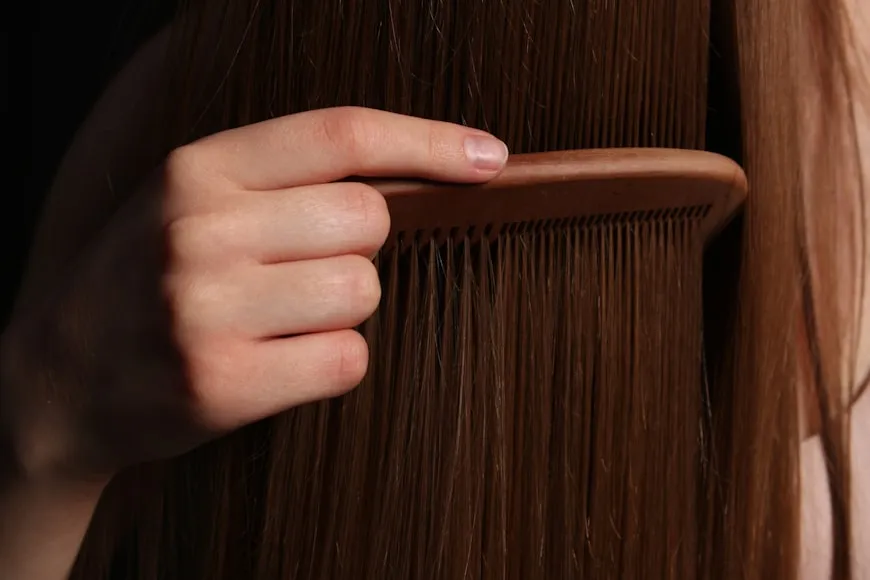
- Use a wide-tooth comb on wet hair, working from the ends upward, not from root to tip.
Natural Remedies

Rosemary oil applied directly to the scalp has the strongest evidence of any natural topical remedy for hair regrowth. It can be mixed into a carrier oil or added to shampoo. Consistent use over three to six months is required to see results.
Scalp massage with coconut or castor oil once or twice a week supports circulation and reduces scalp dryness. Onion juice, while unpleasant in practice, has a reasonable evidence base for stimulating follicles when applied regularly and rinsed thoroughly.
When Are Clinical Treatments Needed?
For most teenagers, dietary changes, better hair habits, and stress management will produce meaningful improvement over a few months. But there are situations where clinical treatment is the appropriate next step, either because the cause requires it or because natural methods have not been enough.
Treatments Available for Teenagers
Platelet-rich plasma (PRP) therapy involves drawing a small amount of the patient's own blood, concentrating the growth factors, and injecting them into the scalp to stimulate dormant follicles. It is a well-established treatment with a strong safety profile and is suitable for teenagers in appropriate cases.
Growth factor concentrate (GFC) therapy is a more refined version of PRP that extracts specific growth factors at a higher concentration. It tends to produce more consistent results and involves minimal discomfort, making it a good option for younger patients who are hesitant about needles.
Follicular stem cell therapy (FSCT) is an emerging treatment that uses stem cells derived from hair follicles to stimulate regrowth. It is particularly relevant for teenagers with early-stage androgenetic alopecia or alopecia areata where conventional approaches have not produced sufficient results.
All clinical treatments for teenagers should begin with a thorough assessment by a qualified dermatologist. The cause, the pattern, and the stage of hair loss all determine which treatment is appropriate. Applying a clinical treatment without a correct diagnosis is unlikely to produce the results expected.
At Radiance Skin and Hair Clinic in Nagpur, Dr. Nitin Barde assesses each patient individually before recommending any treatment. The clinic regularly sees teenage patients and provides assessments in a straightforward and supportive environment. You can find a full overview of available treatments on the hair treatment page.
How Long Does It Take to Recover?
One of the most common questions is how long recovery actually takes. The honest answer is that it depends heavily on the cause. Here is a realistic breakdown.
Stress-Related Hair Loss
Once the stressor has been removed or managed, shedding typically reduces within six to eight weeks. Visible regrowth usually begins within three to four months. A full return to previous thickness can take six to twelve months because the new hair grows slowly and needs time to reach a noticeable length.
Nutritional Deficiency
Correcting a nutritional deficiency through diet and supplementation usually reduces shedding within four to eight weeks. However, visible regrowth takes longer because the follicles need time to restart their growth cycle after a period of dormancy. Most people see meaningful improvement within three to six months of consistent correction.
Scalp Conditions
Scalp conditions like tinea capitis or seborrheic dermatitis respond to appropriate treatment relatively quickly, often within four to eight weeks. Hair regrowth in the affected areas follows once the inflammation has cleared, typically within two to four months after the scalp has healed.
Styling Damage (Traction Alopecia)
When caught early, traction alopecia is fully reversible once the damaging hairstyle is stopped. Recovery timelines range from two to six months depending on how long the damage was occurring. In cases where the follicles have been under strain for years, some permanent thinning along the hairline is possible.
Genetic Hair Loss
Androgenetic alopecia does not reverse on its own. Without treatment, the pattern tends to progress gradually. The goal of treatment is to slow or stop progression and, in some cases, partially restore density in areas where follicles are still active. Results from clinical treatments like PRP or FSCT typically become visible after three to six months of consistent treatment.
For broader view check out guide on: how to stop genetic hair loss
When Should a Teenager See a Doctor for Hair Loss?
Most teenagers and parents hesitate before booking a medical appointment for hair loss. It can feel like overreacting, especially when the internet says it might just be stress or a nutritional gap. But there are clear signs that make professional evaluation genuinely necessary rather than optional.
Warning Signs That Should Not Be Ignored
- Patchy or circular areas of hair loss, which can indicate alopecia areata, an autoimmune condition that requires specific treatment.
- Rapid or sudden onset of shedding over a period of weeks rather than a gradual increase over months.
- Hair loss alongside other symptoms such as irregular periods, persistent acne, significant weight changes, fatigue, or skin changes.
- No improvement after three to four months of consistent dietary and lifestyle changes.
- Scalp redness, scaling, pain, or itching in the areas of hair loss.
- A clearly recognizable pattern such as a receding hairline or widening parting that is progressing visibly from month to month.
Getting the diagnosis right is the single most important step. Many types of teenage hair loss look similar on the surface but require completely different approaches. A doctor who specializes in hair loss can distinguish between them through examination and simple blood tests, and can rule out the conditions that would not respond to natural methods at all.
At Radiance Skin and Hair Clinic, the team provides complete assessments for teenage patients. Dr. Nitin Barde takes a thorough approach that considers nutritional, hormonal, and genetic factors before arriving at a diagnosis. The environment is comfortable and the consultations are designed to be straightforward, not overwhelming. You can find more information about what the assessment involves on the hair treatment page.
When Natural Remedies Are Not Enough: Follicular Stem Cell Therapy (FSCT)
If you have tried the lifestyle changes, the right supplements, and topical treatments like minoxidil and your hair loss is still progressing there is a reason, and there is a next step.
Follicular Stem Cell Therapy (FSCT) is an advanced, non-surgical hair restoration treatment that works at the root of the problem literally. It uses stem cells derived from your own hair follicles to reactivate dormant follicles, stimulate new growth, and slow the progressive follicle miniaturisation that causes ongoing hair loss.
Why FSCT is different from PRP or minoxidil:
- Minoxidil prolongs the growth phase but does not address follicle-level damage
- PRP uses growth factors to stimulate follicle activity
- FSCT directly targets and reactivates follicles that have become dormant making it uniquely effective for cases where other treatments have plateaued
Whom is FSCT suited for?
- People with chronic or progressive hair loss that has not responded adequately to supplements or topical treatments
- Those with visible thinning or reduced density at the crown, parting, or temples
- Anyone who wants to preserve follicles before they become permanently dormant
FSCT is available at Radiance Skin Antiaging and Hair Transplant Clinic under the guidance of Dr. Nitin Barde. A consultation includes a detailed scalp assessment and blood work to confirm whether you are a suitable candidate before any treatment is recommended.
Take Control of Hair Loss Early
act early rather than waiting to see how things develop.
Follicles that are still partially active respond significantly better to treatment than those that have been dormant for months or years. The window of opportunity is real, and using it makes a meaningful difference to the outcome.
The other critical factor is getting the cause right. Teenage hair loss has many possible sources, and treating the wrong one wastes time and money while the actual problem continues. A proper assessment gives you the correct information and the right starting point, which is worth more than months of trial and error with supplements and products.
At Radiance Skin and Hair Clinic in Nagpur, Dr. Nitin Barde and the team provide comprehensive hair loss assessments specifically designed to identify the root cause in each individual case. Whether the issue turns out to be nutritional, hormonal, genetic, or related to a scalp condition, the clinic provides clear guidance on what to do next and, where treatment is appropriate, a plan that is matched to the specific cause and stage.
If you or your teenager has been experiencing hair loss for more than a month or two, booking an assessment is a practical and straightforward step. Find out more about what the process involves and what treatments are available at the Radiance Clinic hair treatment page.
Conclusion
Teenage hair loss is rarely as permanent or as hopeless as it feels at the moment. In most cases, there is a clear cause, and once that cause is identified and addressed, the hair does recover.
The process takes time. Hair grows slowly, and the body needs months rather than weeks to respond to nutritional improvements or reduced stress. Consistency matters more than intensity here. Small, sustained changes to diet, sleep, and hair habits add up to meaningful results when given enough time.
Do not wait until the situation feels urgent to take action. Early identification of the cause gives you more options and faster recovery. Whether the issue turns out to be something simple like a nutritional gap or something that requires clinical support, knowing sooner is always better than knowing later.
If the hair loss has been going on for more than a few months and home changes have not made a clear difference, a professional assessment is the most useful thing you can do next. It replaces guesswork with clarity, and clarity is what makes the recovery process actually work.
Not Sure What’s Causing Your Hair Loss?
The earlier you identify the cause, the easier it is to treat.
Get a personalized diagnosis and expert guidance tailored to your condition.
Book a consultation with Radiance Clinic to get 10% off with promocode HAIRLOSS10