How to Stop Hair Loss in Teenage Girls: Causes & Real Solutions
Noticing clumps of hair on your brush or pillow can feel alarming, especially when you are a teenager and nobody around you seems to be going through the same thing. It feels lonely, confusing, and honestly a little scary. But here is something worth knowing right away: hair loss in teenage girls is far more common than most people realize. In the majority of cases, it is temporary. Once the underlying cause is identified and addressed, hair does recover. This guide is written for both teenage girls experiencing hair loss and for the parents sitting next to them trying to figure out what is going on. Understanding how to stop hair loss in a teenage girl starts with getting the cause right, because the solution depends entirely on it. We will cover everything from hormonal shifts and nutritional gaps to stress, styling habits, and medical conditions like PCOS and thyroid problems. By the end, you will have a clear picture of what might be causing the hair loss and what to do about it.

Dr. Nitin Barde
M.B.B.S, M.D, FRGUHS
Why Is My Hair Falling Out as a Teenage Girl?
Hair loss at any age usually has a reason behind it. In teenage girls, that reason is often hormonal, nutritional, or stress related. Sometimes it is a combination of all three. Let us walk through the most common causes one by one.
Hormonal Changes During Puberty
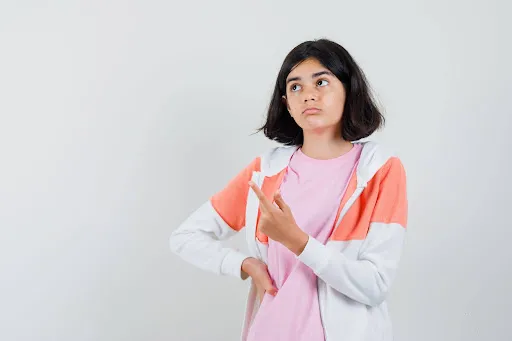
Puberty brings a dramatic shift in hormone levels. Estrogen and androgens fluctuate significantly during this time, and the hair follicles are sensitive to these changes. The result is often increased shedding, especially during growth spurts or the first few years after periods begin.
The good news is that this type of hair loss tends to settle on its own as hormones stabilize. It does not usually require treatment, though supporting the body with good nutrition helps a great deal.
Nutritional Deficiencies: The Most Common Culprit
This is the single most common reason teenage girls lose hair, and it is also one of the most overlooked.
Crash diets, skipping meals, cutting out entire food groups, and heavy periods all deplete the nutrients that hair follicles need to grow. Iron is particularly important. Heavy periods in teenage girls can drop ferritin levels quite quickly, and low ferritin is one of the leading triggers of hair shedding.
Protein is another big one. Hair is made almost entirely of a protein called keratin. When the body is not getting enough protein, it redirects what is available to essential organs first, and hair growth drops down the priority list.
Deficiencies in zinc, biotin, and vitamin D are also common in teenagers and can contribute to thinning and breakage.
Stress and Academic Pressure

The teenage years come with a lot of pressure. Exams, social dynamics, family situations, and the general intensity of growing up can all create a state of chronic stress in the body.
When the body is under stress for an extended period, it can push a large number of hair follicles into the resting and shedding phase simultaneously. This is called telogen effluvium, and it is one of the most frequent causes of sudden hair fall in teenage girls.
The shedding often begins two to three months after the stressful event, which makes it tricky to connect the dots. But once the stress reduces and the body recovers, hair usually returns within a few months.
PCOS in Teenage Girls
Polycystic ovary syndrome is frequently undiagnosed in teenagers, but it is more common than many people realize. Elevated androgens associated with PCOS can shrink hair follicles over time, leading to gradual thinning, particularly around the temples and crown.
If the hair loss is accompanied by irregular periods, persistent acne, or unexplained weight gain, PCOS is worth investigating. A simple blood test and ultrasound can confirm or rule it out.
For a deeper look at this specific cause, read our guide on how to stop PCOS hair loss.
Thyroid Issues
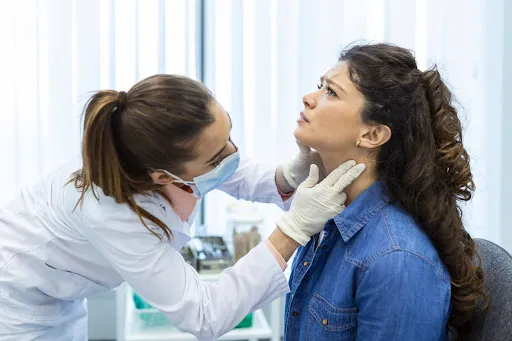
Both an underactive and overactive thyroid can cause significant hair loss. The thyroid gland regulates metabolism, and when it is not functioning properly, the hair growth cycle gets disrupted.
Thyroid problems in teenage girls are often mistaken for stress or nutritional issues because the symptoms overlap. Fatigue, mood changes, and weight fluctuations alongside hair loss should prompt a thyroid check.
If thyroid issues might be involved, our detailed guide on how to stop thyroid hair loss explains the connection and what to do.
Tight Hairstyles and Over-Styling
Tight ponytails, braids, and extensions place repeated mechanical stress on the hair follicles along the hairline. Over time, this can lead to a condition called traction alopecia, where the follicles become damaged and eventually stop producing hair.
Heat styling without protection also weakens the hair shaft, making it more prone to breakage. The positive side is that traction alopecia caught early is fully reversible once the strain on the follicles is removed.
Elegance inYour Inbox
Join our curated circle and get 10% OFF on your first visit. Receive medical-grade insights, seasonal trends, and early access.
How to Stop Hair Loss in Teenage Girls Naturally
Before reaching for treatments or supplements, there is a lot you can do with diet, lifestyle, and basic hair care habits. These changes are simple but they make a real difference when followed consistently.
Fix the Diet First
Think of food as the foundation. No amount of scalp massage or fancy shampoo will compensate for a body that is not getting enough protein and iron.
- Eat protein at every meal. Eggs, lentils, chicken, fish, Greek yogurt, and paneer are all good options.
- Include iron-rich foods daily: spinach, lentils, red meat, tofu, and pumpkin seeds.
- Pair iron with vitamin C. A glass of orange juice or a squeeze of lemon with iron-rich foods helps the body absorb iron more efficiently.
- Stop skipping meals. Hair follicles need consistent fuel. Periods of low calorie intake signal the body to redirect nutrients away from hair.
Scalp Care Basics
The scalp is where everything begins. Keeping it clean and well-circulated supports healthy follicle function.
- Use a gentle, sulphate-free shampoo. Harsh shampoos strip natural oils and irritate the scalp.
- Try a five minute scalp massage daily using your fingertips. This increases blood flow to the follicles and can be done on dry or oiled hair.
- Wash your hair as often as your scalp needs it, whether that is every two days or twice a week. Overwashing and underwashing both cause problems.
- Apply conditioner from mid-length to the ends only, never on the scalp or roots.
Break the Bad Hair Habits
- Loosen the ponytail. If it feels tight, it is too tight.
- Air dry whenever possible instead of using heat.
- Always apply a heat protectant before using a straightener or dryer.
- Give your hair regular breaks from extensions and heavy braids.
Manage Stress Practically
Managing stress will not produce overnight results for hair, but it makes a meaningful long-term difference when trying to stop hair loss in teen girls. Short daily walks, five minutes of slow breathing, and keeping a journal are all small habits that reduce cortisol levels over time.
Teenage bodies also need more sleep than adults. Aiming for eight to nine hours is not excessive; it is a biological need. Poor sleep raises cortisol and disrupts the hormonal balance that hair growth depends on.
If low iron is part of your picture, this guide on how long iron tablets take to stop hair loss explains what to expect once you start supplementing.
Best Supplements for Teenage Girls With Hair Loss

Supplements can help bridge nutritional gaps, but they work best when targeted to an actual deficiency. Taking supplements randomly without knowing what you are low on is rarely effective and occasionally counterproductive.
Always get a blood test first so you know exactly what needs correcting. That said, here are the supplements most commonly found to help in teenage girls with hair loss:
- Iron with vitamin C: Essential if ferritin levels are low. Should only be taken when a deficiency is confirmed through testing.
- Zinc: Supports follicle health and immune function. Many teenage diets are low in zinc, particularly in those who avoid meat.
- Biotin: Supports keratin production and is generally safe for teenagers in standard doses.
- Vitamin D: Deficiency is extremely common in teenage girls and is directly linked to hair shedding. A test will confirm if supplementation is needed.
- Omega-3 fatty acids: Found in fish oil or flaxseed, these have anti-inflammatory properties that support a healthy scalp environment.
Always check with a doctor before starting supplements. Dosage matters, especially for teenagers whose bodies are still developing.
If you are unsure where to start, the team at Radiance Clinic can run a targeted blood panel and give you a clear supplement plan based on your actual levels, not guesswork.
Hair Care Routine for Teenage Girls to Prevent Hair Fall
A good hair care routine does not need to be complicated. It just needs to be consistent and gentle.
Washing
How often you wash your hair depends on your hair type and scalp. Oily scalps may need washing every two days, while drier hair types can go three to four days between washes. The key is not to let sweat and product build-up accumulate on the scalp, as this can block follicles and trigger irritation.
Detangling
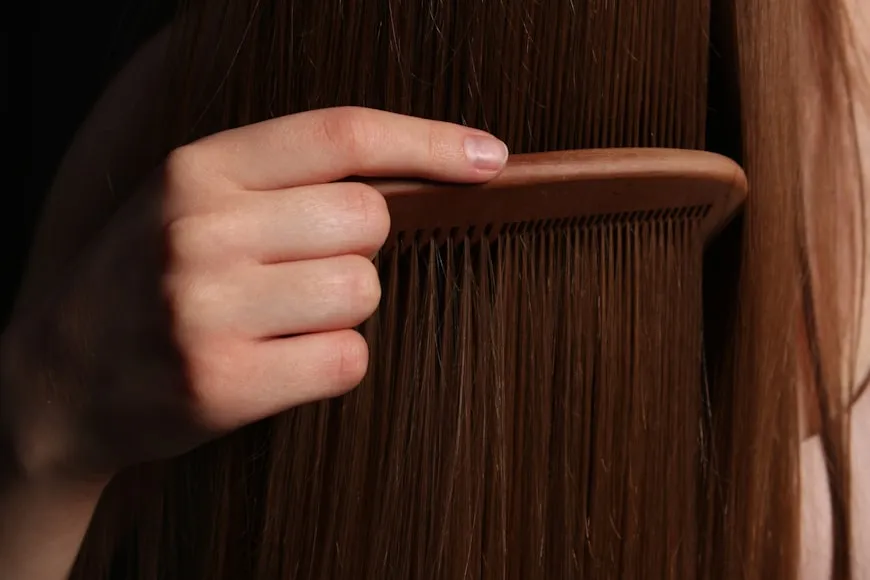
Wet hair is fragile. Never brush it when soaking wet. Instead, gently work through knots using a wide-tooth comb, starting from the ends and working upward toward the roots. This prevents unnecessary breakage and reduces the hair you see on the floor after washing.
Styling Habits
Opt for loose styles during everyday use and save tighter styles for occasions. Silk or satin hair ties cause far less friction than elastic bands. Scrunchies are a good option for daily wear.
If you do use heat tools, keep the temperature below 180 degrees Celsius and always apply a heat protectant first. Give your hair at least two or three days between heat styling sessions to let it recover.
Product Awareness
Look for shampoos that are free of sulphates and parabens. These ingredients are not directly harmful in occasional use, but regular exposure can dry out the scalp and strip the protective oils that keep follicles healthy.
Avoid heavy silicone-based products that coat the scalp. Lightweight serums or oils applied sparingly to the ends are generally fine.
Trim split ends every six to eight weeks. Split ends do not cause hair loss directly, but they can lead to breakage that travels up the hair shaft if left untreated.
When Should a Teenage Girl See a Doctor for Hair Loss?
Most hair loss in teenage girls improves with dietary and lifestyle changes. But there are certain situations where a medical evaluation is genuinely important and should not be delayed when trying to stop hair fall in teenage girls for good.
Warning Signs That Need Attention
- Patchy or circular areas of hair loss, which can indicate alopecia areata.
- Sudden, heavy shedding that continues for more than three months.
- Hair loss occurring alongside irregular periods, acne, or noticeable weight changes.
- No improvement after three to six months of consistent dietary and lifestyle changes.
- The scalp appears inflamed, itchy, or scaly in the areas of hair loss.
Tests to Ask For
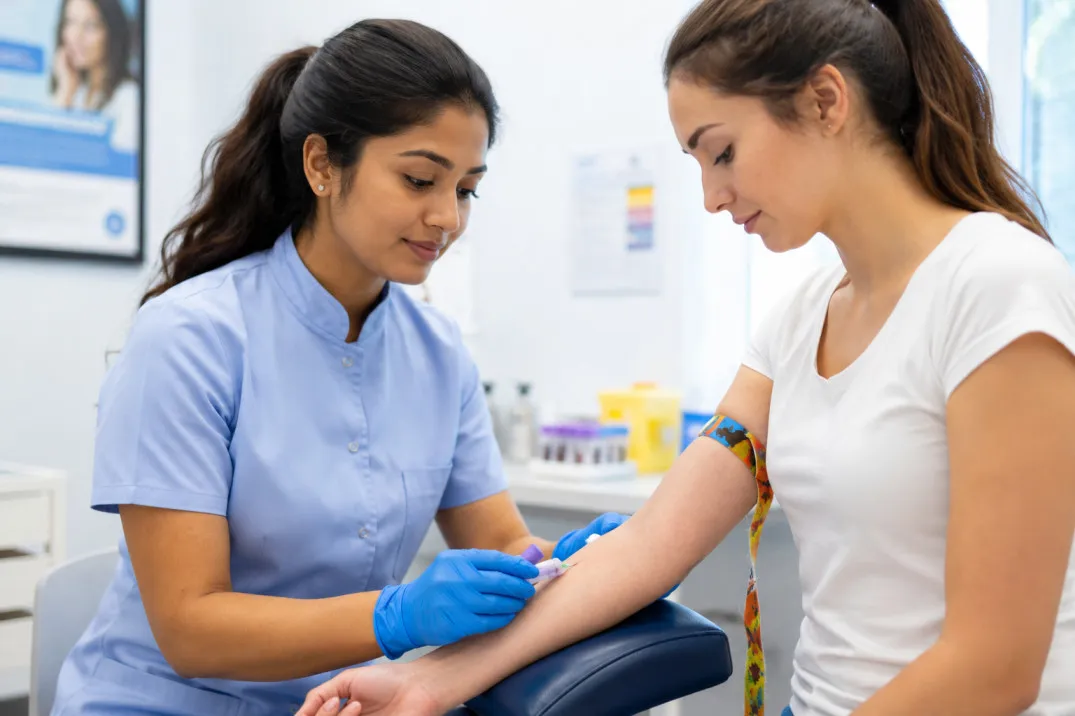
If you do visit a doctor, these are the tests most relevant to hair loss in a teenage girl:
- Ferritin and full blood count to assess iron stores and rule out anaemia.
- Thyroid panel including TSH, T3, and T4.
- Testosterone and DHEA-S levels if PCOS is suspected.
- Vitamin D, zinc, and B12 levels.
Getting the right tests done early means getting the right answers early. Treatment for hair loss works much better when it is matched to the actual cause rather than applied generically.
Has the hair loss been going on for more than three months without improvement?
Dr. Nitin Barde and the team at Radiance Clinic, Nagpur provide complete hair loss assessments
tailored specifically for younger patients Learn More
When Natural Remedies Are Not Enough: Follicular Stem Cell Therapy (FSCT)
If you have tried the lifestyle changes, the right supplements, and topical treatments like minoxidil and your hair loss is still progressing there is a reason, and there is a next step.
Follicular Stem Cell Therapy (FSCT) is an advanced, non-surgical hair restoration treatment that works at the root of the problem literally. It uses stem cells derived from your own hair follicles to reactivate dormant follicles, stimulate new growth, and slow the progressive follicle miniaturisation that causes ongoing hair loss.
Why FSCT is different from PRP or minoxidil:
- Minoxidil prolongs the growth phase but does not address follicle-level damage
- PRP uses growth factors to stimulate follicle activity
- FSCT directly targets and reactivates follicles that have become dormant making it uniquely effective for cases where other treatments have plateaued
Whom is FSCT suited for?
- People with chronic or progressive hair loss that has not responded adequately to supplements or topical treatments
- Those with visible thinning or reduced density at the crown, parting, or temples
- Anyone who wants to preserve follicles before they become permanently dormant
FSCT is available at Radiance Skin Antiaging and Hair Transplant Clinic under the guidance of Dr. Nitin Barde. A consultation includes a detailed scalp assessment and blood work to confirm whether you are a suitable candidate before any treatment is recommended.
Find Your Specific Hair Loss Cause
Hair loss is rarely a one-size-fits-all situation. Once you have a clearer sense of what might be driving it, there are more targeted resources that can help.
If you want a broad overview of natural approaches, our guide on how to stop hair loss and regrow hair naturally is a good starting point.
If your periods are irregular and you have other symptoms alongside the hair loss, exploring PCOS-related hair loss will be more relevant.
If you are experiencing fatigue, temperature sensitivity, or mood swings along with shedding, reading about thyroid-related hair loss will give you a clearer picture.
And if heavy periods or a restricted diet may have depleted your iron, understanding how iron deficiency causes hair loss and how long it takes to recover is worth knowing.
Frequently Asked Questions About Hair Loss in Teenage Girls
Q Is it normal for teenage girls to lose hair?
Yes, to a degree. Losing 50 to 100 strands per day is part of the normal hair cycle. But noticeable thinning, patchy loss, or a significant increase in daily shedding is worth investigating. In most cases, a clear cause can be found and addressed.
Q What causes sudden hair loss in teenage girls?
Sudden shedding is most often triggered by a specific event: a period of high stress, illness, a significant drop in calorie intake, or a nutritional deficiency. Telogen effluvium, where a large number of follicles enter the resting phase at once, is one of the most common patterns in this age group.
Q Can stress cause hair loss in teenage girls?
Absolutely. Chronic stress raises cortisol levels, which disrupt the hair growth cycle. The shedding typically begins two to three months after the stressful period, which is why many people struggle to connect the two. Managing stress and getting adequate sleep are genuinely effective steps.
Q At what age does hair loss stop in girls?
For most teenage girls, puberty-related hair loss improves naturally once hormones stabilize, usually by the late teens or early twenties. Hair loss related to nutritional deficiencies, stress, or treatable conditions like PCOS and thyroid issues can be resolved at any age once the cause is identified and treated.
Q Which vitamin deficiency causes hair loss in teenage girls?
Iron (specifically ferritin), vitamin D, zinc, and biotin are the most commonly implicated. Vitamin D deficiency is particularly widespread among teenage girls and is directly linked to increased shedding. A blood test is the only reliable way to know which ones are low.
Q Can PCOS cause hair loss in teenagers?
Yes, and it is more common than many people expect. PCOS raises androgen levels, which can gradually shrink hair follicles and cause thinning, particularly around the temples and parting. If hair loss comes with irregular periods, acne, or weight changes, getting tested for PCOS is a sensible step.
Take Control of Hair Loss Early
The most important thing about teenage hair loss is this: early action always gives better results than waiting.
Hair follicles that have been dormant for too long can be difficult to reactivate. But follicles that have recently become inactive respond well to treatment once the underlying cause is addressed. That window of opportunity is worth using.
The challenge is that identifying the correct cause takes the right information. Guessing and trying random supplements rarely moves the needle. A targeted blood panel, a proper scalp assessment, and an honest conversation about diet and lifestyle can give you the full picture in a short amount of time.
At Radiance Skin and Hair Clinic, Dr. Nitin Barde and the team regularly see teenage girls with hair loss. The clinic provides a judgment-free environment where young patients can discuss their concerns openly and get a complete assessment rather than a generic answer.
Where clinically appropriate, advanced options like follicular stem cell therapy (FSCT) are available for cases that go beyond nutritional or lifestyle management.
Whether the cause turns out to be nutritional, hormonal, or stress related, the hair treatment services at Radiance Clinic are designed to match the treatment to the individual, not the other way around.
Conclusion
Hair loss as a teenager is more common than it looks from the outside. Most of the girls going through it do not talk about it, which makes it feel more isolating than it actually is.
The vast majority of cases are temporary and fully treatable once the cause is identified. Diet, hormones, and stress are the three biggest factors to explore first. Small, consistent changes in these areas can produce real results over a few months.
Do not ignore it, but also do not panic. The earlier you start paying attention and making changes, the faster the recovery. And if home changes do not seem to be helping after a few months, a proper medical evaluation is the most effective next step you can take.
Your hair can grow back. You just need to give it the right conditions to do so.
Not Sure What’s Causing Your Hair Loss?
The earlier you identify the cause, the easier it is to treat.
Get a personalized diagnosis and expert guidance tailored to your condition.
Book a consultation with Radiance Clinic to get 10% off with promocode HAIRLOSS10