"Your guide to RETINOL"
Discover how RETINOL can transform your skin by boosting cell renewal and reducing signs of aging.

Dr Radhika Barde
M.B.B.S, DDV, DCH, FAD
What is RETINOL ?
Retinol is a derivative of vitamin A, one of the most studied and trusted ingredients in dermatology. It belongs to the family of retinoids, which vary in strength from prescription-only options like tretinoin to milder, over-the-counter forms like retinol. Retinol is often referred to as the “gold standard” in skincare because of its proven ability to improve skin texture, tone, and overall appearance. When applied topically, retinol is converted into retinoic acid in the skin, which is the active form that produces visible changes.
One of the main actions of retinol is its ability to speed up cell turnover. Normally, skin cells renew themselves every 28–40 days, but this process slows down with age, leading to dullness, clogged pores, and wrinkles. Retinol accelerates this renewal process, pushing fresher, healthier cells to the surface. This helps smooth fine lines, refine pores, and reduce acne breakouts by preventing the buildup of dead skin cells.
Retinol is also known for its anti-aging and skin-repairing benefits. It stimulates collagen and elastin production in the deeper layers of the skin, helping to restore firmness and reduce sagging. Over time, this reduces the appearance of fine lines, wrinkles, and even sun damage. Retinol can also fade dark spots, hyperpigmentation, and acne scars by evening out melanin distribution in the skin. Because of these effects, it is widely used in anti-aging routines as well as in acne treatments.
Despite its many benefits, retinol is a potent active ingredient that must be used carefully. It can cause dryness, redness, peeling, or irritation when first introduced, especially for sensitive skin. Dermatologists recommend starting with a low concentration, applying it at night, and always following with a moisturizer. Since retinol makes the skin more sensitive to UV rays, daily sunscreen use is essential to protect the skin and maximize results. With consistent and correct use, retinol delivers noticeable improvements, making it one of the most effective ingredients in modern skincare.

How does RETINOL work ?
Retinol works by accelerating cell turnover, meaning it helps the skin shed old, dull, or damaged cells more quickly and replace them with fresh, healthy ones. Normally, this natural renewal process slows with age, causing buildup of dead skin, clogged pores, and uneven tone. Retinol stimulates the skin to renew itself at a faster pace, which helps reduce roughness, smooth fine lines, and keep pores clear, ultimately improving overall skin texture.
Another important way retinol works is by stimulating collagen and elastin production in the deeper dermal layers of the skin. Collagen is the protein responsible for skin’s firmness and elasticity, but it naturally decreases with age, leading to wrinkles and sagging. Retinol signals skin cells (fibroblasts) to produce more collagen and elastin, thereby thickening the skin structure, plumping fine lines, and restoring youthful resilience over time.
Retinol also helps to regulate melanin production, which is responsible for skin pigmentation. By controlling how melanin is distributed, it reduces dark spots, sun damage, and post-acne hyperpigmentation, leading to a more even complexion. This makes retinol not only an anti-aging powerhouse but also a valuable treatment for acne scars, uneven skin tone, and discoloration caused by UV exposure.
Lastly, retinol has anti-acne benefits due to its ability to prevent clogged pores and reduce oil buildup. By keeping the skin’s turnover cycle balanced, it helps prevent the formation of comedones (blackheads and whiteheads) while also calming inflammation associated with active breakouts. For this reason, dermatologists recommend retinol both for people struggling with acne and for those looking to prevent premature aging. Its multi-action approach renewing skin, boosting collagen, evening skin tone, and clearing pores makes retinol one of the most effective skincare ingredients available today.
What are the side effects of using RETINOL ?
Retinol is highly effective but also a potent active ingredient, which means it can cause irritation, especially when first introduced to a skincare routine. The most common side effects include dryness, redness, peeling, itching, and mild burning or stinging sensations. This occurs because retinol speeds up cell turnover, which can temporarily disrupt the skin barrier and leave it more vulnerable. Some people also experience purging, where breakouts worsen before the skin begins to clear, as clogged pores are pushed to the surface more rapidly. These effects are usually temporary and improve as the skin adjusts, but starting with a low concentration and using retinol only 2–3 times a week initially can help minimize discomfort.
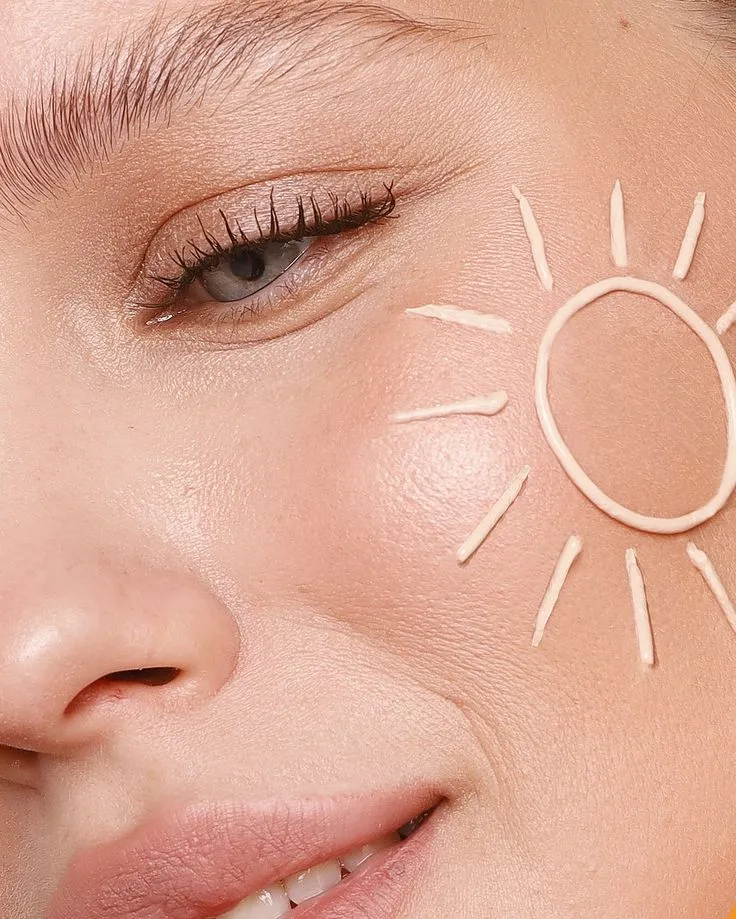
Another important side effect is increased sun sensitivity. Retinol makes the skin more prone to sunburn and UV damage, so daily sunscreen use is essential when using it. In rare cases, retinol may cause more severe irritation or allergic reactions, especially in people with very sensitive skin. Pregnant or breastfeeding women are advised to avoid retinol and prescription retinoids altogether due to potential risks. While side effects can be bothersome in the beginning, they are generally manageable with proper use, hydration, and sun protection. Over time, most people’s skin builds tolerance, allowing them to enjoy the powerful anti-aging and acne-fighting benefits of retinol.
Who should avoid RETINOL ?
While retinol offers many skin benefits, it is not suitable for everyone. Pregnant and breastfeeding women should avoid retinol and prescription retinoids entirely, as high doses of vitamin A derivatives have been linked to potential risks for fetal development. Even though over-the-counter retinol is weaker than prescription forms, most dermatologists recommend steering clear during this time to ensure safety.

People with extremely sensitive or compromised skin such as those with eczema, rosacea, psoriasis, or chronic dermatitis should also be cautious or avoid retinol. Because retinol accelerates cell turnover, it can intensify redness, dryness, and irritation in skin that is already fragile. Similarly, individuals who have recently undergone skin procedures like chemical peels, laser treatments, or microdermabrasion should give their skin time to heal before using retinol, as combining treatments may lead to severe irritation or damage.
Additionally, those who spend a lot of time in the sun, such as outdoor workers or athletes, may need to avoid or limit retinol use. Retinol makes the skin highly photosensitive, which means without diligent sunscreen application, users risk sunburn, hyperpigmentation, or premature aging. People who cannot commit to consistent sun protection may find retinol too risky. In these cases, gentler alternatives like bakuchiol or peptides may be a safer choice for improving skin texture and reducing fine lines.