What exactly does you hair is asking for ?
Healthy hair needs the right balance of moisture and protein. Moisture keeps it soft and shiny, while protein gives it strength and structure. This blog helps you understand what your hair truly needs hydration or repair for strong, healthy strands.

Dr Nitin Barde
M.B.B.S, MD, FRGUHS
Does hairs need HYDRATION ?
Absolutely — your hair does need hydration, just like your skin and body. Hair strands are made up of keratin, and though they’re not “alive” like skin cells, they still require adequate moisture to stay soft, elastic, and manageable. Hydration keeps the hair shaft flexible and prevents it from becoming dry, brittle, or frizzy. Without enough moisture, the outer layer of the hair (cuticle) lifts up, allowing water to escape and leaving the strands rough and lifeless.
Hydration works by helping the hair absorb and retain water molecules, which maintain elasticity and shine. When hair lacks hydration, it becomes more prone to breakage and split ends. People with curly, wavy, or chemically treated hair often face dehydration because their hair structure makes it harder for natural oils to travel down the shaft. Environmental factors like sun exposure, heat styling, and harsh shampoos can also strip away moisture. That’s why hydrating products — such as deep-conditioning masks, leave-in conditioners, or hyaluronic acid–based serums — are essential to restore the hair’s moisture balance.
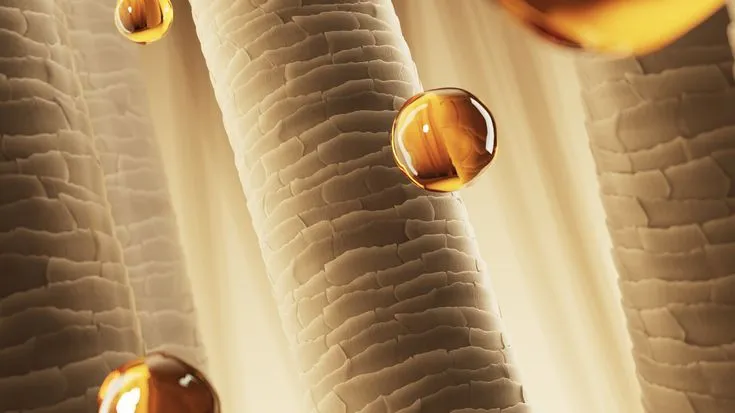
It’s also important to understand the difference between hydration and moisture. Hydration refers to increasing the hair’s internal water content, while moisture focuses on sealing that hydration in with oils or butters. Think of hydration as the “water” your hair drinks, and moisture as the “seal” that locks it in. So, after using a hydrating product, you should follow up with something that helps retain that water, like a light oil or cream. This combination helps your hair stay smoother and healthier for longer.
To keep your hair hydrated, use sulfate-free shampoos, avoid excessive heat styling, and include weekly deep-hydration treatments. Drinking enough water and eating a diet rich in vitamins, minerals, and omega-3 fatty acids also support healthy hydration from within. Remember, hydrated hair is happy hair — it looks shinier, feels softer, and resists damage better than dry, brittle strands. Consistent hydration care is the secret to maintaining strong, glossy, and manageable hair.
Can too much washing causes DRYNESS ?
Yes, washing your hair too often can cause dryness. Every time you shampoo, it not only removes dirt and buildup but also strips away the natural oils produced by your scalp — oils that are essential for keeping your hair soft, shiny, and healthy. When these oils are removed too frequently, the hair cuticle becomes rough and loses its ability to retain moisture. As a result, your strands start to feel dry, dull, and frizzy, especially towards the ends where the hair is older and more fragile.
Over-washing is particularly damaging for people with dry, curly, or color-treated hair. These hair types naturally have less sebum spread along the shaft, so frequent washing worsens dehydration. Even for people with oily scalps, daily washing can backfire — the scalp may start producing even more oil to compensate for what’s being stripped away. This creates an unhealthy cycle of overwashing and oil overproduction, leaving your hair dry at the ends but greasy at the roots.
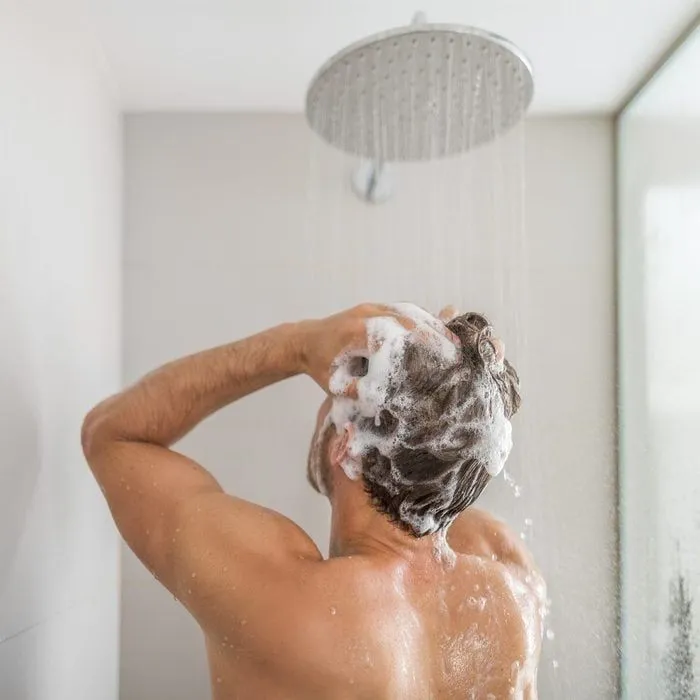
The key is to find the right washing frequency based on your hair type and lifestyle. For most people, washing two to three times a week is ideal. If you exercise daily or live in a humid climate, you can rinse with water or use a mild, sulfate-free shampoo to avoid harsh cleansing. Hydrating shampoos with ingredients like aloe vera, argan oil, or glycerin can help maintain your hair’s moisture barrier even with frequent washes.
To prevent dryness, always follow your shampoo with a nourishing conditioner or hair mask. Limit the use of hot water, as it opens up the cuticle and causes more moisture loss. Finish with cool water to seal the strands and add shine. Remember, clean hair doesn’t mean over-cleansed hair — maintaining the natural balance of oils is what truly keeps your hair healthy, smooth, and hydrated.
Can protein help DAMAGED HAIRS ?
Yes, washing your hair too often can cause dryness. Every time you shampoo, it not only removes dirt and buildup but also strips away the natural oils produced by your scalp — oils that are essential for keeping your hair soft, shiny, and healthy. When these oils are removed too frequently, the hair cuticle becomes rough and loses its ability to retain moisture. As a result, your strands start to feel dry, dull, and frizzy, especially towards the ends where the hair is older and more fragile.
Over-washing is particularly damaging for people with dry, curly, or color-treated hair. These hair types naturally have less sebum spread along the shaft, so frequent washing worsens dehydration. Even for people with oily scalps, daily washing can backfire — the scalp may start producing even more oil to compensate for what’s being stripped away. This creates an unhealthy cycle of overwashing and oil overproduction, leaving your hair dry at the ends but greasy at the roots.
The key is to find the right washing frequency based on your hair type and lifestyle. For most people, washing two to three times a week is ideal. If you exercise daily or live in a humid climate, you can rinse with water or use a mild, sulfate-free shampoo to avoid harsh cleansing. Hydrating shampoos with ingredients like aloe vera, argan oil, or glycerin can help maintain your hair’s moisture barrier even with frequent washes.
To prevent dryness, always follow your shampoo with a nourishing conditioner or hair mask. Limit the use of hot water, as it opens up the cuticle and causes more moisture loss. Finish with cool water to seal the strands and add shine. Remember, clean hair doesn’t mean over-cleansed hair — maintaining the natural balance of oils is what truly keeps your hair healthy, smooth, and hydrated.
Is KERATIN same as protein treatment ?
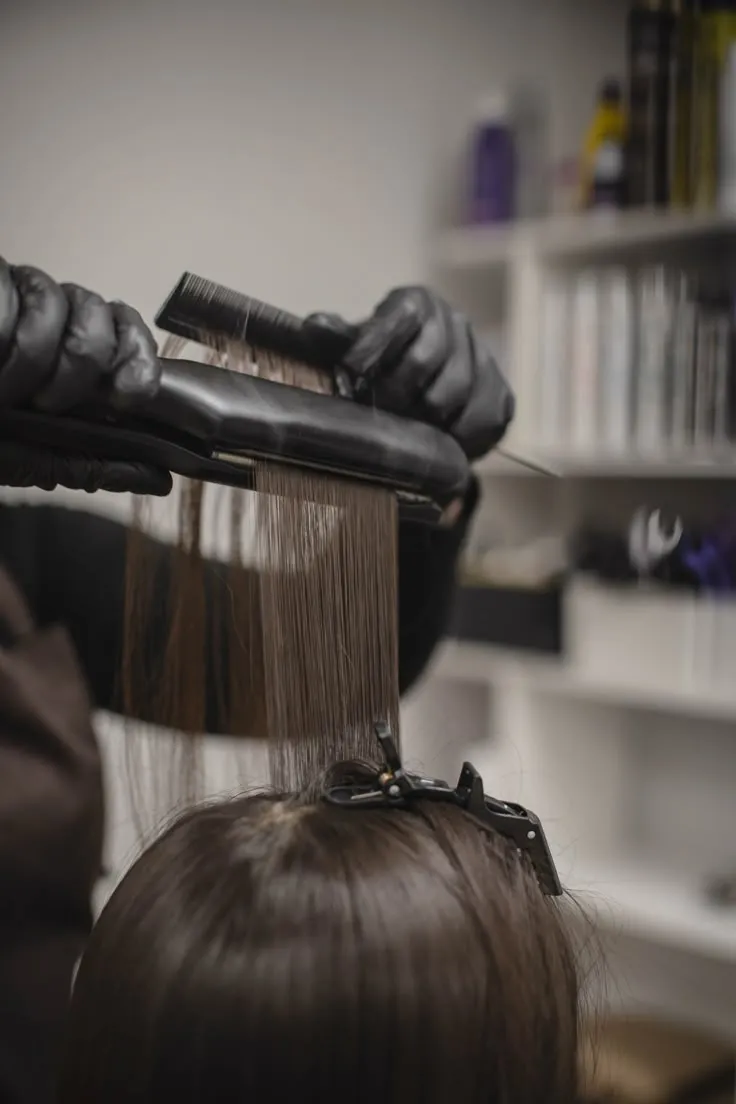
No, keratin is not the same as a regular protein treatment, though both involve strengthening the hair using proteins. Keratin is a specific type of structural protein that your hair, skin, and nails are naturally made of. A keratin treatment typically involves coating the hair with a formula that contains keratin and other smoothing agents, followed by sealing it in with heat. This process helps to make hair smoother, shinier, and more manageable by temporarily filling in the damaged areas of the hair shaft and locking the cuticle down.
On the other hand, protein treatments are designed mainly to repair and strengthen weak or damaged hair from within. These treatments use various proteins — such as collagen, silk, wheat, or hydrolyzed keratin — to rebuild the broken bonds inside the hair strand. Protein treatments don’t necessarily make hair straight or sleek; their primary goal is to restore strength, elasticity, and resistance to breakage. They are ideal for hair that feels mushy, limp, or overly porous due to chemical treatments or heat damage.
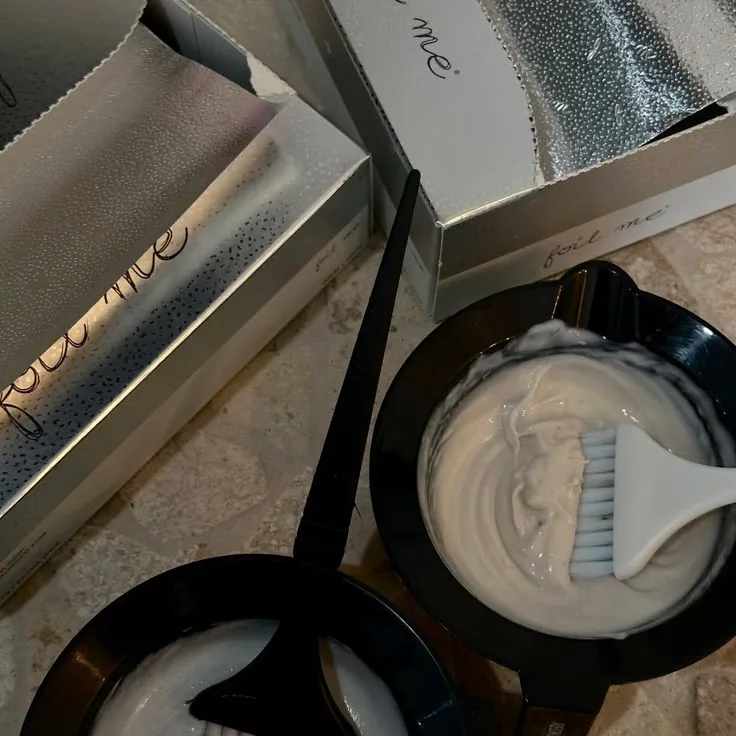
While both treatments use proteins, their purpose and results differ. Keratin treatments focus more on smoothness and frizz control by coating the outer layer, whereas protein treatments focus on internal repair and strengthening. In fact, keratin treatments can sometimes reduce volume or temporarily alter your natural texture, while protein treatments maintain your natural hair pattern but improve its overall health.
It’s important to choose the right treatment based on your hair’s condition. If your hair is dry, frizzy, and hard to manage, a keratin treatment may help smooth it out. But if your hair feels weak, stretchy, or breaks easily, a protein treatment is a better choice. Consulting a dermatologist or trichologist can help determine which your hair truly needs — because the right treatment can make all the difference between temporary shine and long-term strength.
How do I balance moisture without making my scalp greasy?
Balancing moisture without making your scalp greasy is all about targeting the right areas and using the right kind of products. Your scalp naturally produces sebum — the oil that keeps your skin and hair protected — but when you over-moisturize or apply heavy products near the roots, it can lead to buildup, limp hair, and greasiness. The key is to keep the scalp clean and lightweight while focusing hydration on the mid-lengths and ends, where your hair actually needs it most.
Start with a lightweight, sulfate-free shampoo that gently cleanses without stripping natural oils. This helps maintain the scalp’s balance so it doesn’t overproduce oil. Follow with a conditioner or hair mask applied only from mid-length to ends — never on the scalp. Choose formulas labeled “hydrating but lightweight” or “for normal to oily hair,” which add moisture without weighing the hair down. Ingredients like aloe vera, hyaluronic acid, panthenol, or glycerin provide hydration without greasiness.
In between washes, use leave-in sprays or mists rather than heavy creams or oils. These are designed to boost moisture without adding excess residue. If your scalp tends to get oily quickly, incorporate a clarifying shampoo once every 10–15 days to remove buildup, but don’t overdo it — excessive cleansing can trigger more oil production. You can also try scalp serums with niacinamide or zinc that regulate sebum and maintain a healthy scalp barrier.
Lastly, lifestyle habits make a big difference. Avoid touching your scalp too often, as natural oils from your hands can make it greasy. Limit heavy oil massages to once a week and always rinse thoroughly. Eating a balanced diet and drinking plenty of water help regulate scalp health from within. Remember, the goal isn’t to remove all oils — it’s to achieve a healthy balance where your roots feel fresh and your ends feel soft and hydrated.
How do I know if my hair is lacking protein?
Knowing if your hair is lacking protein comes down to observing how it feels, looks, and behaves. Hair is primarily made of keratin — a type of protein — so when that structure weakens due to heat, chemical treatments, or over-styling, the hair loses its strength and elasticity. If your hair feels weak, stretches too much when wet, or breaks easily when you comb or style it, these are clear signs of protein deficiency. It might also feel unusually soft, limp, or “mushy” — an indication that your hair has lost its internal structure and needs strengthening.
Visually, protein-deficient hair often looks dull and lifeless, with increased split ends and breakage. You may notice more shedding than usual or that your hair doesn’t hold styles well — curls fall flat quickly, or straight hair loses volume fast. This happens because, without enough protein, the hair shaft becomes porous and cannot maintain its shape or strength. Chemical processes like coloring, bleaching, and smoothing treatments can accelerate this protein loss by damaging the cuticle layer.
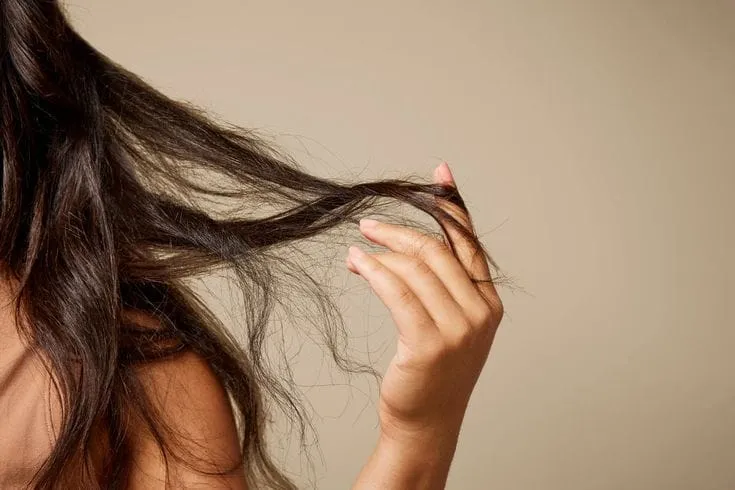
A simple way to check at home is the “stretch test.” Take a single wet hair strand and gently stretch it. If it stretches a lot and then breaks without bouncing back, your hair likely needs protein. However, if it snaps instantly with no elasticity, it may be lacking moisture instead. Balanced hair should stretch slightly and then return to its normal length — that’s the ideal protein-moisture balance.
To restore protein levels, use strengthening treatments or masks that contain hydrolyzed keratin, collagen, or silk protein once every 1–2 weeks. Avoid overusing them, as too much protein can make your hair stiff and brittle. Pair your protein care with proper hydration to maintain flexibility and shine. When in doubt, a dermatologist or trichologist can assess your hair’s condition and recommend the right balance of protein and moisture for healthy, resilient hair.