"Understanding & Treating Under Eye Circles: Causes, Treatments & Tips"
Tired-looking eyes? Learn the causes, types, and best treatments for under-eye circles. Expert care.


Dr Radhika Barde
M.B.B.S, DDV, DDV, FAD
What Are Under Eye Circles?
Under-eye circles, often called dark circles, refer to the discoloration or shadow-like appearance beneath the eyes that makes the area look darker than the surrounding skin. They can appear in shades ranging from blue, purple, brown, or black depending on skin tone, underlying cause, and skin thickness. The skin under the eyes is naturally thin and delicate, making blood vessels, pigmentation, and structural changes more visible in this area. Common causes include genetics, lack of sleep, dehydration, stress, aging, and lifestyle habits such as smoking or excessive screen time. Medical conditions like allergies, eczema, or sinus congestion can also contribute by increasing vascular dilation and puffiness, further deepening the shadow effect.

As people age, under-eye circles become more pronounced due to the natural thinning of skin and the loss of collagen and fat pads, which normally provide support and brightness. This thinning allows blood vessels and hollows (tear troughs) to show more prominently, giving the under-eye area a tired or aged look. Hyperpigmentation—caused by excess melanin production is another factor, especially in individuals with darker skin tones. In essence, under-eye circles are not just a cosmetic issue but also a reflection of both intrinsic factors (like genetics and aging) and extrinsic factors (like lifestyle and environmental stress), making them a multifactorial condition that often requires a tailored approach for prevention and treatment.
What are the common Causes of Under Eye Circles ?
Dark circles are not caused by one single factor. They are often a combination of:
1. Pigmentation
- Increased melanin due to genetics, sun exposure, or allergies
- More common in Indian skin tones
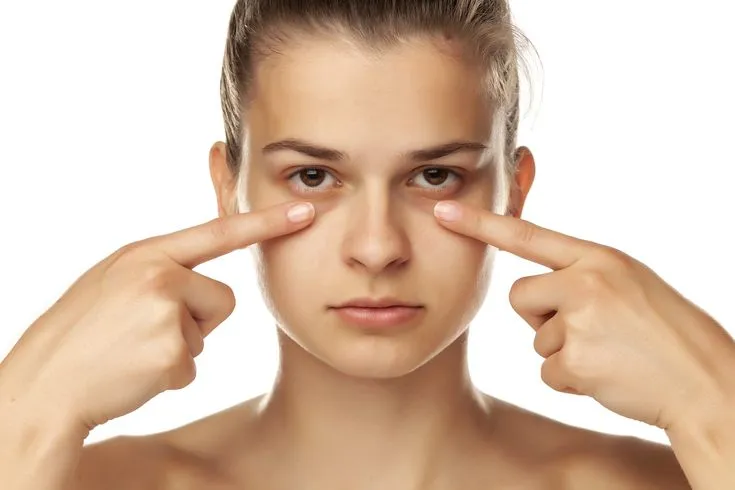
2. Thin Skin & Visible Veins
- Natural aging causes collagen loss
- Veins underneath become more visible, especially in fair skin
3. Hollowness or Volume Loss
- Eye sockets deepen with age
- Causes a sunken appearance that casts shadows
4. Fluid Retention or Puffiness
- Caused by poor sleep, high salt intake, alcohol, or hormonal changes
5. Lifestyle Factors
- Lack of sleep, screen time, dehydration, and stress are key contributors
Why Under Eye Circles Are More Noticeable ?
Under-eye circles are more noticeable because the skin around the eyes is naturally thinner and more delicate compared to the rest of the face. This thinness makes the underlying blood vessels and pigmentation more visible, creating a shadowed or darker appearance. Factors like lack of sleep, stress, dehydration, or even frequent rubbing of the eyes can cause these blood vessels to dilate, making them stand out more clearly under the transparent skin. Additionally, fluid retention from allergies or sinus congestion can create puffiness, which casts shadows that exaggerate the look of dark circles. This combination of thin skin, vascular visibility, and shadowing makes the under-eye area especially prone to looking darker and more tired.
With aging, under-eye circles become even more prominent because the skin loses collagen, elasticity, and fat padding, which normally act as natural fillers to mask underlying vessels and hollows. As the skin sags and the tear trough deepens, the shadowing effect becomes more obvious, highlighting the circles. In people with naturally higher melanin levels, hyperpigmentation in the under-eye area can make circles darker and more stubborn. Environmental stressors like sun exposure, smoking, or excessive screen use further accelerate thinning, pigmentation, and vascular damage, making under-eye circles more noticeable over time. This is why they often persist despite rest and hydration, requiring targeted skincare or treatments to improve their appearance.
Effective Treatments for Under Eye Circles in Radiance clinic !
1. Topical Depigmenting Serums
- Help reduce melanin production
- Used in mild cases or as maintenance therapy
2. Chemical Peels
- Mild peels like lactic or glycolic acid reduce pigmentation over 4–6 sessions

3. Laser Toning
- Q-switched lasers are safe for Indian skin and reduce melanin build-up
4. Dermal Fillers
- Hyaluronic acid fillers can lift hollowness and restore lost volume
- Instant results with little downtime
5. PRP (Platelet-Rich Plasma) Therapy
- Uses your own growth factors to boost collagen and tighten thin under-eye skin
- Natural and safe, with long-term results
6. Microneedling + Growth Factors
- Dermapen from Australia is used to improve texture, pigment, and hydration
7. PDRN (Polydeoxyribonucleotide) Therapy
A regenerative treatment that helps repair and rejuvenate the delicate under-eye skin by activating cellular repair mechanisms. Suitable for dark circles and thinning skin.
8. Exosome Therapy
- Advanced cell signaling molecules that improve skin texture, reduce pigmentation, and promote tissue regeneration under the eyes. Great for aging and tired eyes.
Home Care Tips to Prevent and Reduce Under Eye Circles.
1.Get Enough Restful Sleep (7–8 Hours)
Lack of sleep causes blood vessels under the eyes to dilate, creating a darkened appearance. It also increases fluid retention, which contributes to puffiness.
Tip: Try sleeping with your head slightly elevated to reduce fluid build-up.
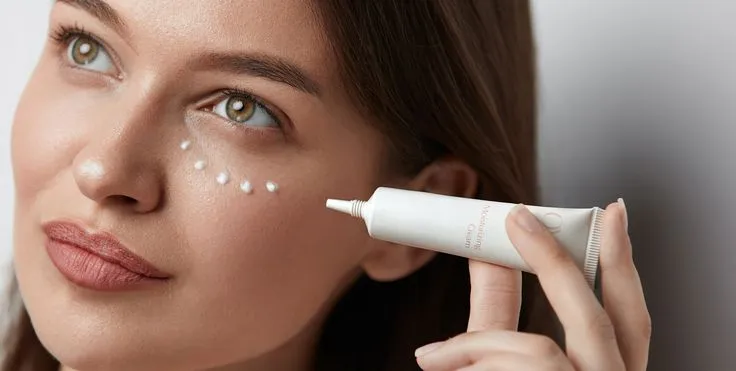
2.Use a Gentle Under-Eye Cream with Hydrating & Soothing Ingredients
Look for ingredients like:
- Hyaluronic acid (hydrates & plumps)
- Peptides (stimulates collagen)
- Caffeine (reduces puffiness)
- Niacinamide or Vitamin C (lightens pigment)
Tip: Store your eye cream in the fridge and apply it cold to tighten the area and refresh tired eyes.
3.Apply Sunscreen Daily – Even Around the Eyes
Sun exposure worsens pigmentation around the eyes.
Use mineral sunscreens or SPF formulations that are fragrance-free and gentle on the under-eye skin.
4.Hydrate from Within
Dark circles become more prominent on dry, dehydrated skin. Drinking enough water supports detoxification and skin elasticity.
Tip: Add cucumber, mint, or lemon to your water for added antioxidant benefits.
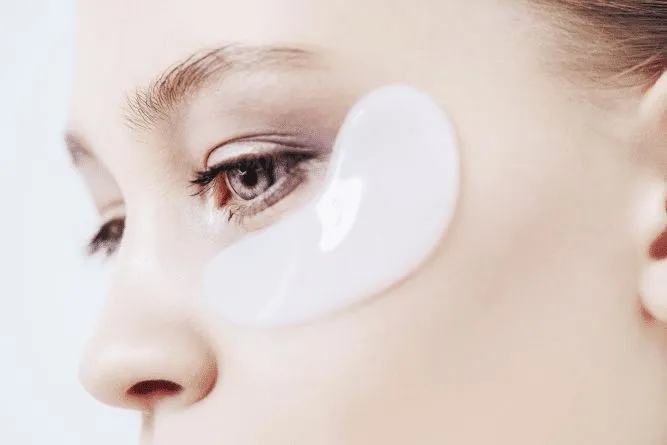
5.Cold Compress Therapy
Using chilled spoons, cold tea bags (especially green tea), or a cold cotton pad can reduce swelling and improve circulation.
DIY: Soak cotton pads in cold rose water and place on eyes for 10 minutes daily.
6.Eat Skin-Friendly Foods
Consume foods rich in:
- Iron (spinach, dates, beets) – combats anemia-linked circles
- Vitamin C (amla, citrus fruits) – boosts collagen
- Vitamin K (broccoli, cabbage) – helps with circulation
- Zinc & Omega-3s (nuts, seeds, fish) – reduce inflammation
7.Limit Screen Time & Eye Strain
Long screen hours cause fatigue and strain in the delicate eye muscles.
Tip: Follow the 20-20-20 rule – every 20 minutes, look at something 20 feet away for 20 seconds.
8.Remove Makeup Gently Before Bed
Harsh rubbing or leftover kajal/eyeliner can irritate and darken the skin.
Use a gentle micellar water or cleansing balm, followed by an eye-safe moisturizer.
9.Practice Stress Relief Techniques
Yoga, meditation, or even 10 minutes of deep breathing help reduce cortisol levels—an underrated cause of tired-looking eyes.
10.Try Natural Remedies (With Caution)
Some people find benefit in:
- Cold aloe vera gel
- Almond oil massage (1–2 drops at night)
- Potato juice or cucumber slices