The best you eat, more beautifully you glow
In this blog, we highlight the key nutrients that nourish your hair and skin from within, promoting natural glow and lasting healthy


Dr Nitin Barde; Dr Radhika Barde
M.B.B.S, M.D, FRGUHS; M.B.B.S, DCH, DDV, FAD
which nutrients boost skin and hair health ?
Healthy hair and glowing skin begin with the right balance of essential nutrients that nourish the body from within. Among the most important are vitamins A, C, D, E, and B-complex, which play vital roles in maintaining skin elasticity, hydration, and cell repair. Vitamin A supports the production of sebum, keeping skin and scalp moisturized, while vitamin C aids in collagen formation, reducing wrinkles and promoting firmness. Vitamin D regulates cell growth and repair, and vitamin E acts as a powerful antioxidant, protecting cells from free radical damage caused by pollution, stress, and UV rays. Together, these vitamins help maintain a youthful, radiant appearance and prevent premature ageing.
Proteins and amino acids form the structural foundation of both hair and skin. Hair is made primarily of keratin—a protein that relies on amino acids like cysteine and methionine for strength and resilience. A diet lacking in adequate protein can lead to weak, brittle hair and dull, sagging skin. Lean meats, eggs, legumes, soy, and dairy are excellent sources of these building blocks. Collagen, another vital protein, maintains skin elasticity and firmness. Consuming collagen-rich foods or supplements can help support tissue repair and improve both texture and hydration of the skin over time.
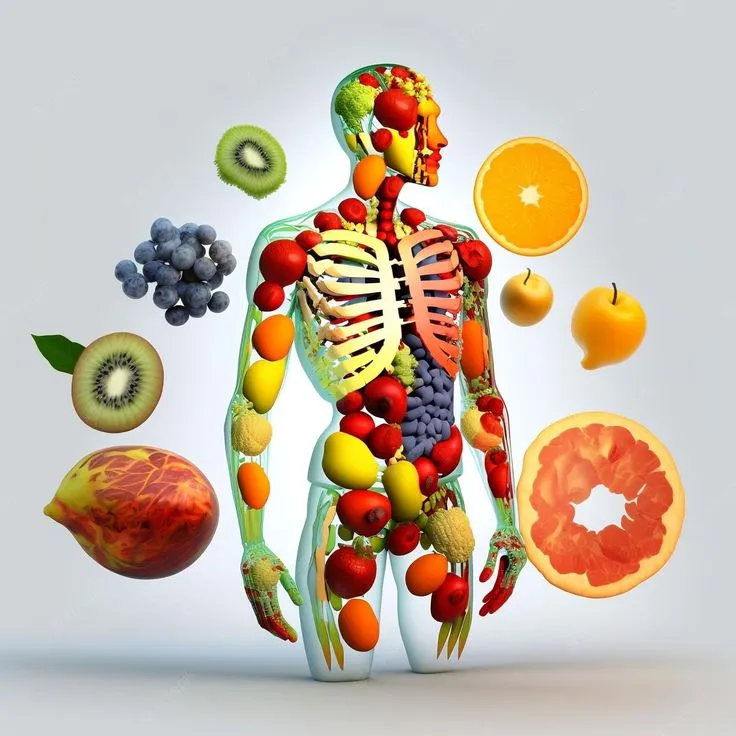
Minerals such as iron, zinc, and selenium are equally essential for maintaining hair and skin health. Iron supports oxygen delivery to hair follicles, preventing thinning and excessive shedding, while zinc aids in tissue repair, oil regulation, and wound healing. Selenium protects the scalp and skin cells from oxidative stress, preventing premature ageing and dryness. Deficiencies in these minerals often result in hair loss, brittle nails, or a pale, dull complexion. Including nuts, seeds, whole grains, and leafy greens in the daily diet can effectively meet these mineral needs.
Lastly, omega-3 fatty acids and antioxidants play a key role in maintaining moisture and reducing inflammation. Omega-3s, found in fish, flaxseeds, and walnuts, help keep the scalp hydrated and prevent skin dryness. Antioxidants such as polyphenols, flavonoids, and carotenoids found in fruits and vegetables protect against environmental damage and improve overall skin tone. When combined with a balanced diet, proper hydration, and stress management, these nutrients work synergistically to promote healthy, vibrant skin and stronger, shinier hair from the inside out.
Can diet fix dull and weak skin ?
Yes, vitamins play a crucial role in improving both skin glow and hair growth, as they directly influence cellular repair, renewal, and overall vitality. Each vitamin serves a specific function that contributes to maintaining a healthy appearance. For instance, vitamin A supports the production of new skin cells and regulates sebum (oil) production, keeping the scalp and skin moisturized. Without sufficient vitamin A, the skin can become dry and flaky, and hair may turn brittle or dull. Vitamin C, a strong antioxidant, helps the body produce collagen — the protein responsible for firm, youthful skin and strong hair strands.
B-complex vitamins, including biotin (B7), niacin (B3), and vitamin B12, are essential for maintaining healthy hair and radiant skin. Biotin strengthens the hair shaft and supports keratin production, which promotes stronger, thicker hair. Niacin enhances blood circulation to the scalp, ensuring hair follicles receive the oxygen and nutrients needed for growth. Vitamin B12 supports cell regeneration and helps maintain an even skin tone by aiding red blood cell production, ensuring skin cells are well-nourished. Deficiencies in these vitamins often lead to hair thinning, dullness, and uneven or tired-looking skin.
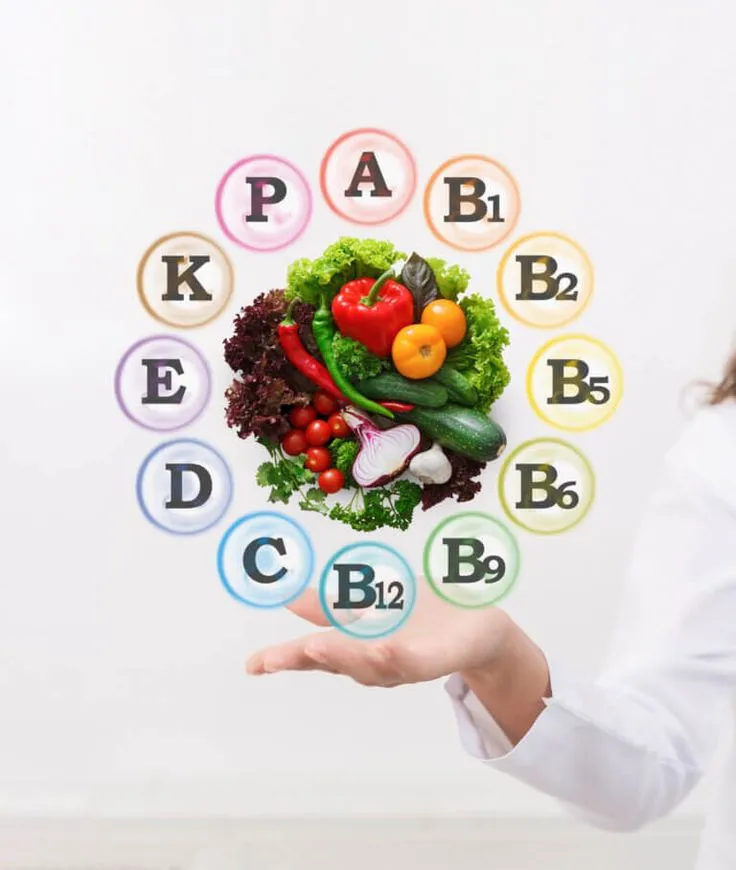
Vitamin D and vitamin E also contribute significantly to glow and growth. Vitamin D helps create new hair follicles and supports skin cell turnover, which gives the skin a fresh, rejuvenated appearance. Sun exposure in moderation and foods like fatty fish and eggs help maintain healthy vitamin D levels. Meanwhile, vitamin E acts as a potent antioxidant, protecting both skin and hair from oxidative damage caused by UV rays and pollution. It also improves blood circulation, promoting better nutrient delivery to the scalp and skin, resulting in enhanced shine and vitality.
However, while vitamins do improve glow and growth, they work best when combined with a balanced diet, hydration, and overall wellness. Relying solely on supplements without addressing stress, sleep, and nutrition may limit visible results. Consistency is key—vitamins gradually repair and rejuvenate cells, leading to long-term improvements in hair and skin health. In essence, vitamins don’t just make you look better on the outside—they strengthen your body’s natural ability to maintain that glow and growth from within.
How does hydration help ?
Hydration is essential for maintaining healthy hair and skin because water is a key component of every cell in the body, including hair follicles and skin cells. Adequate hydration helps transport nutrients to hair follicles and skin tissues, supporting growth, repair, and overall vitality. When the body is dehydrated, the scalp can become dry and flaky, hair strands may lose elasticity and shine, and skin may appear dull or tight. Water ensures that the cells remain plump and functional, which directly reflects in stronger, smoother hair and more radiant, supple skin.
For hair specifically, hydration helps maintain moisture balance in the scalp and hair shafts. The hair cuticle—the outer layer of hair—relies on water to remain flexible and resistant to breakage. When the body lacks hydration, the cuticle can become brittle, leading to split ends and frizz. Drinking sufficient water and consuming water-rich foods such as fruits and vegetables supports the internal hydration of hair shafts, complementing external treatments like conditioners or hair masks. Proper hydration also assists in regulating sebum production, keeping the scalp naturally moisturized without becoming oily or dry.
Skin health is equally dependent on hydration. Water helps flush out toxins and waste products from skin cells, reducing inflammation and the likelihood of acne or irritation. It also enhances elasticity and firmness, preventing fine lines and premature aging. Hydrated skin maintains a natural glow and smooth texture, while chronic dehydration can cause dullness, rough patches, and increased sensitivity. In combination with a nutrient-rich diet, hydration is a simple yet highly effective way to promote healthy hair and skin from the inside out.
Are supplements healthy ?
Supplements can be effective in improving hair and skin health, especially when dietary intake is insufficient or when specific deficiencies exist. Vitamins, minerals, and other nutrients such as biotin, vitamin D, iron, zinc, and omega-3 fatty acids play crucial roles in supporting hair follicle function, collagen production, and skin repair. For individuals who struggle to meet daily nutrient requirements through food alone—due to restrictive diets, health conditions, or increased bodily demands—supplements can fill the gap and promote stronger, shinier hair and healthier, more radiant skin.

However, the effectiveness of supplements depends on proper selection, dosage, and consistency. Over-supplementation can sometimes cause adverse effects, such as vitamin A toxicity or digestive issues from excess iron. Supplements are most beneficial when paired with a balanced diet, adequate hydration, and a healthy lifestyle, rather than as a standalone solution. While they can accelerate recovery from nutrient deficiencies and support natural glow and hair growth, long-term hair and skin health is best maintained through a combination of diet, lifestyle, and supplementation as needed.