“Sweat, Friction & Bacteria: The Gym–Skin Connection”
Working out keeps your body strong, but your skin often pays the price. Sweat, friction from tight clothing, and bacteria can combine to cause breakouts, irritation, and other skin issues that many gym-goers overlook. Understanding how your workouts affect your skin is the first step to keeping both your body and skin healthy.


Dr. Radhika Barde
M.B.B.S, DCH, DDV, FAD
Can sweating during workouts cause acne?
sweating during workouts can contribute to acne. Sweat mixes with bacteria, oils, and dead skin cells on the surface of your skin, which can clog pores and trigger breakouts, especially on the face, chest, and back.

While sweat itself isn’t harmful, leaving it on the skin for too long increases the risk of irritation and acne. Showering promptly after exercise, wearing breathable clothing, and cleansing your skin properly can help prevent sweat-related breakouts.
What is friction acne (acne mechanica)?
Friction acne, also known as acne mechanica, occurs when repeated rubbing, pressure, or friction irritates the skin and clogs pores. Common triggers include tight workout clothing, sports equipment, backpacks, or straps that constantly press against the skin during physical activity.

This type of acne often appears on areas like the chest, back, shoulders, and sometimes the face. Wearing breathable, properly fitted clothing, minimizing friction, and cleansing the skin promptly after workouts can help prevent and manage acne mechanica effectively.
Are certain gym areas more prone to bacteria?
Yes, certain areas and equipment in the gym can harbor more bacteria than others. Items that are frequently touched or come into direct contact with your skin such as mats, benches, dumbbells, and yoga blocks can accumulate sweat, oils, and microbes if not cleaned regularly.
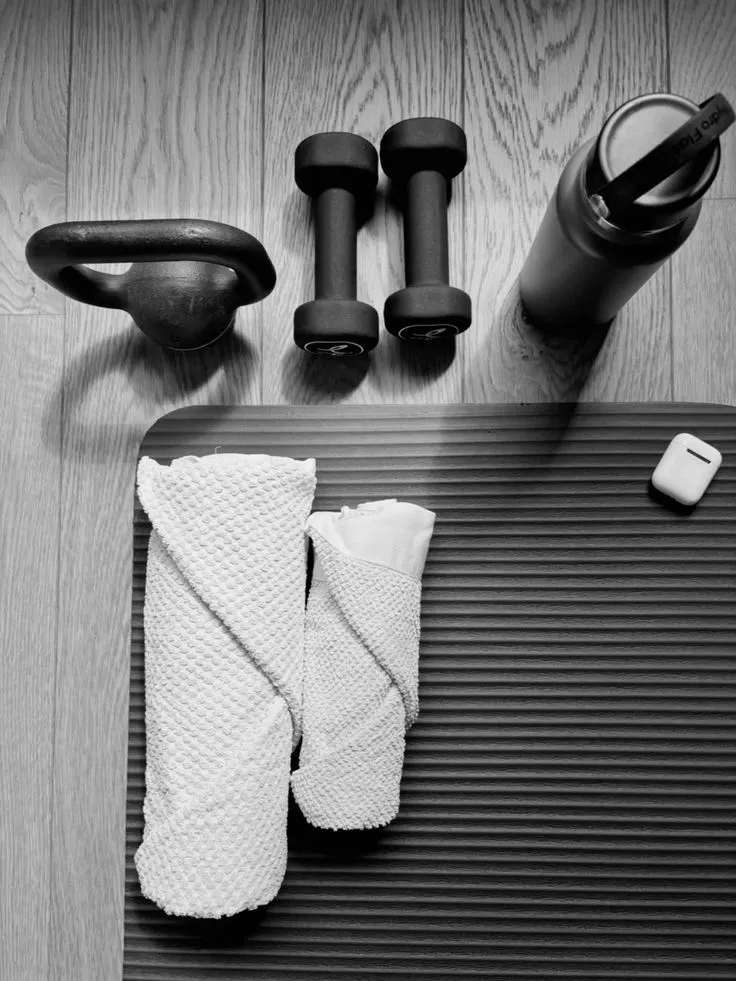
To reduce the risk of skin irritation or infection, always wipe down equipment before and after use, and consider using a clean towel or personal mat. Maintaining these habits helps keep your skin healthy while minimizing exposure to harmful bacteria.
Can gym skin issues affect all skin types?
Yes, gym-related skin issues can affect all skin types. While oily skin may be more prone to breakouts, anyone can experience irritation, rashes, or friction-related acne from sweat, tight clothing, and repeated contact with gym equipment.

Even dry or sensitive skin can develop redness or irritation if exposed to excessive sweat or friction. Understanding your skin type and taking preventive measures, like wearing breathable fabrics and cleansing after workouts, can help keep your skin healthy regardless of your skin type.
Should I use special skincare products for gym days?
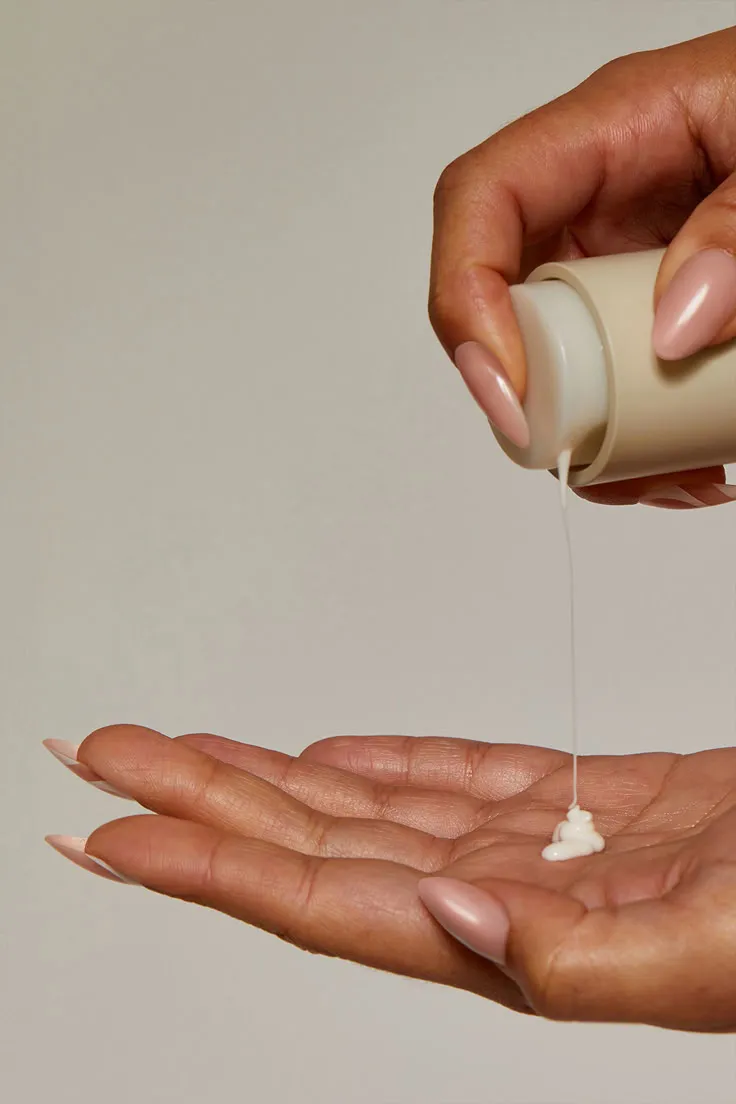
Yes, using the right skincare products on gym days can help protect your skin from sweat, bacteria, and friction. Opt for gentle, non-comedogenic cleansers to remove sweat and impurities without clogging pores, and lightweight moisturizers to maintain hydration without feeling heavy.
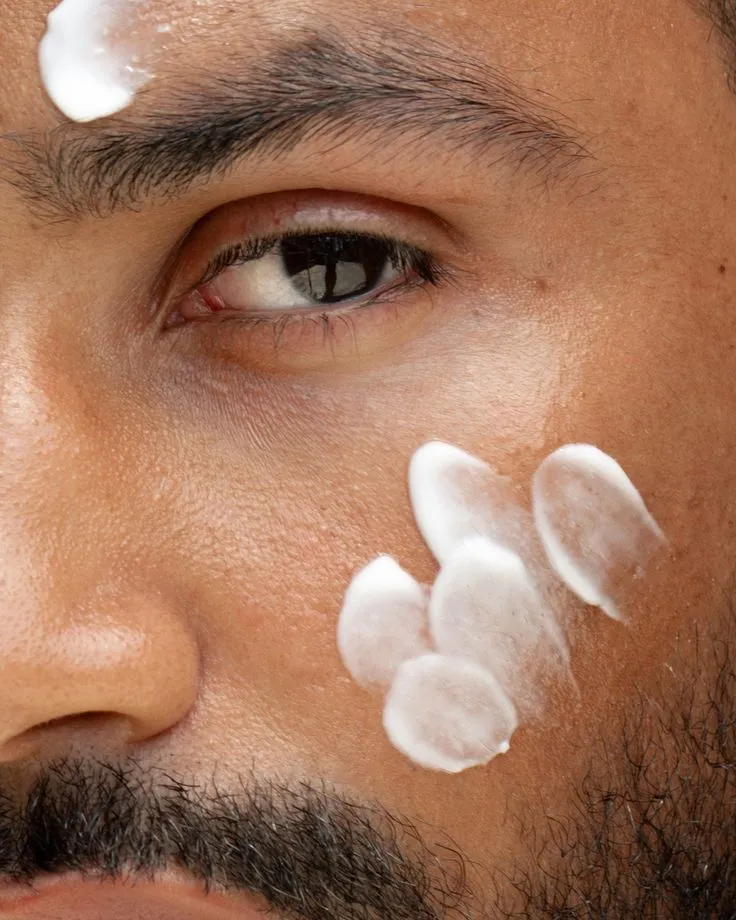
It’s also best to avoid heavy makeup before workouts, as it can mix with sweat and worsen breakouts. Choosing products suited to your skin type and keeping your routine simple ensures your skin stays healthy while you stay active.
When should I see a dermatologist?
If you experience persistent acne, rashes, or irritation that doesn’t improve with regular cleansing and proper gym hygiene, it’s important to consult a dermatologist. Early evaluation can help identify the underlying cause and prevent the condition from worsening.
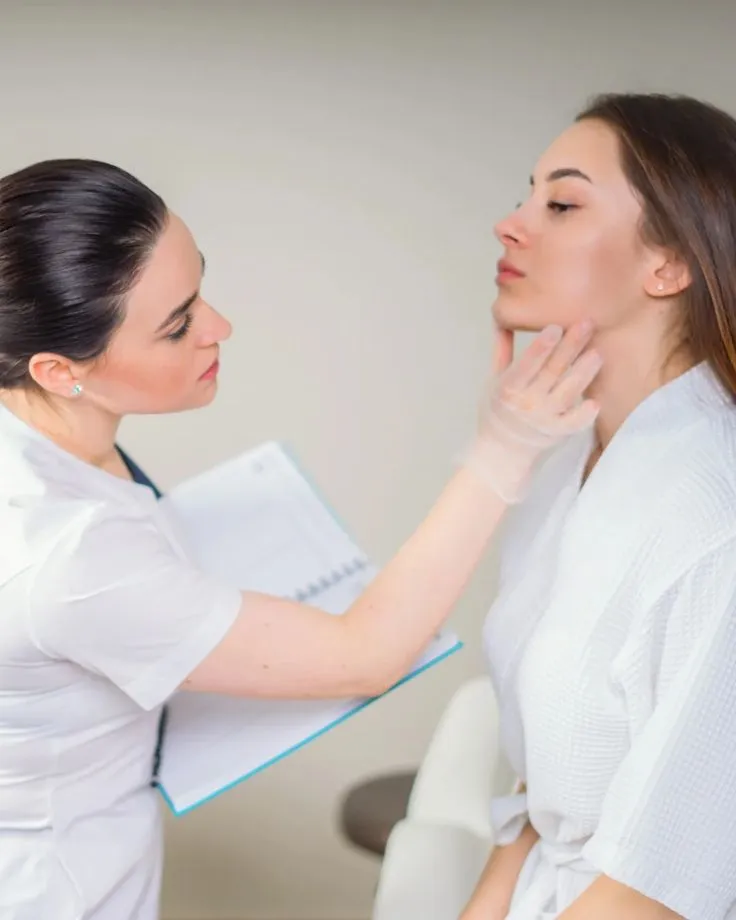
Additionally, if you notice unusual bumps, signs of infection, or sudden changes in your skin’s texture or appearance, a dermatologist can provide targeted treatment and guidance. Seeking professional care ensures your skin remains healthy while you continue your fitness routine.