"Stress, illness & hair loss connection"
In this blog, we explore why hair loss occurs after illness or stress and how TELOGEN EFFLUVIUM can be managed for healthy regrowth.
Dr Nitin Barde
M.B.B.S, DCH, DDV, FAD
Why does it happen ?
Hair loss after illness or stress, commonly known as Telogen Effluvium, occurs when the body undergoes a sudden shock that disrupts the natural hair growth cycle. Normally, about 85–90% of hair follicles are in the growth phase (anagen), while the rest are in the resting (telogen) or shedding phase. During illness, high fever, major surgery, or significant stress, the body diverts energy and nutrients toward vital organs to recover. This sudden shift pushes a large number of hair follicles into the resting phase prematurely, leading to noticeable shedding a few months later.
Physiologically, stress triggers a hormonal response involving cortisol and adrenaline, which can alter the normal hair cycle. Increased cortisol levels restrict blood flow to hair follicles, reducing oxygen and nutrient delivery. This hormonal imbalance can weaken hair roots, causing them to detach earlier than usual. Similarly, illnesses such as COVID-19, dengue, or thyroid disorders can cause inflammation or disrupt hormonal balance, both of which are known to trigger Telogen Effluvium.
Nutrient deficiency after illness is another major contributor. Conditions like iron deficiency, low vitamin D, and protein depletion often occur during recovery phases, especially if appetite or digestion is affected. Since hair is a non-essential tissue, the body prioritizes healing vital organs first, temporarily reducing resources available for hair growth. As a result, hair appears thinner, more brittle, and sheds easily during combing or washing.
The good news is that hair loss from illness or stress is usually temporary. Once the body recovers and hormonal balance is restored, most follicles gradually return to the growth phase within three to six months. With proper nutrition, stress management, and scalp care, new hair growth becomes visible, and the shedding slows down naturally. However, if hair fall persists beyond six months, a dermatologist’s evaluation is essential to rule out other underlying causes such as chronic Telogen Effluvium, hormonal imbalance, or early pattern hair loss.
What precautions should be taken if you suffer from this ?
1. Prioritize Balanced Nutrition and Hydration:
Recovery from stress or illness puts the body in a nutrient-demanding state. Hair follicles, while not vital for survival, rely heavily on sufficient proteins, iron, zinc, biotin, vitamins A, C, D, E, and omega-3 fatty acids to re-enter the growth phase. Including foods like eggs, fish, lean meats, legumes, nuts, seeds, leafy vegetables, and citrus fruits ensures a steady supply of these nutrients. Hydration is equally important as water helps transport nutrients to hair follicles. In some cases, supplementation may be necessary, but only under medical supervision, since excess supplementation, especially iron or vitamin A, can worsen hair loss.
2. Reduce Physical and Emotional Stress:
Stress is a major trigger for Telogen Effluvium. Incorporating daily stress-reduction techniques such as yoga, meditation, deep breathing, or mindfulness practices can significantly lower cortisol levels, which otherwise disrupt the hair growth cycle. Regular exercise improves blood circulation to the scalp, nourishing hair follicles. Adequate sleep—ideally 7–9 hours—supports hormone regulation and cellular repair, both critical for hair regrowth. Limiting exposure to stressful situations and practicing self-care are equally essential to minimize prolonged shedding.
3. Gentle Hair Care and Scalp Health:
Hair becomes fragile during shedding episodes. Avoid chemical treatments like coloring, straightening, or perming, as these can weaken the hair shaft further. Limit heat styling, tight ponytails, and braids that put tension on hair follicles. Use a mild, sulfate-free shampoo and conditioner to maintain scalp health. Regular scalp massages with natural oils (like coconut, argan, or rosemary oil) can stimulate blood flow and provide essential nutrients directly to follicles. Protecting hair from UV exposure and pollution also supports recovery and prevents additional damage.
4. Monitor Underlying Health Conditions:
Persistent shedding beyond three to six months may indicate other health issues such as thyroid disorders, hormonal imbalance, autoimmune conditions, or chronic Telogen Effluvium. Regular medical check-ups, including blood tests for iron, vitamin D, thyroid hormones, and other essential markers, help detect deficiencies early. Consulting a dermatologist or trichologist ensures proper evaluation, treatment planning, and monitoring. In some cases, topical treatments like minoxidil, PRP therapy, or growth-promoting serums may be recommended to accelerate recovery.
5. Avoid Unnecessary Anxiety Over Hair Loss:
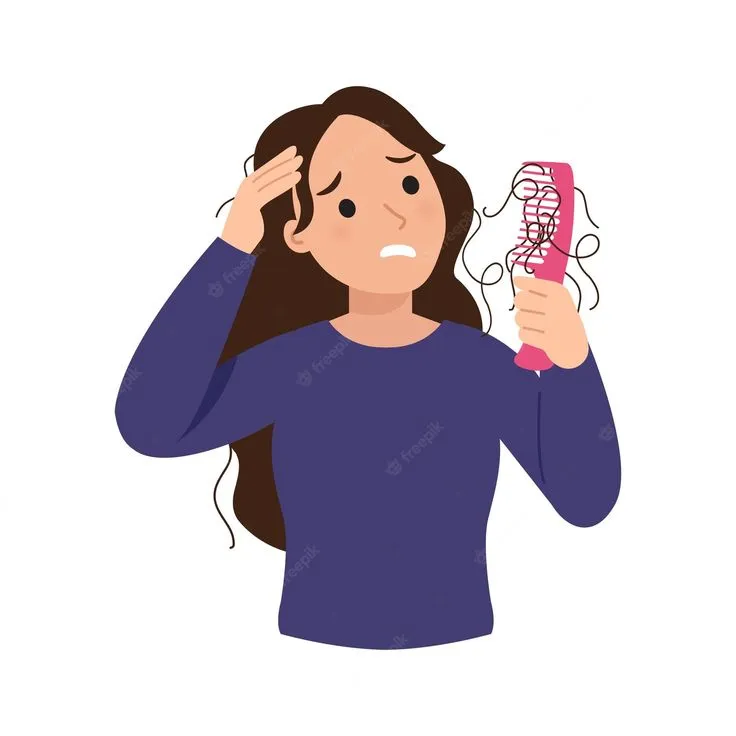
It’s important to remember that temporary hair shedding is the body’s natural response to stress or illness. Constantly checking hair or panicking can worsen stress levels, further prolonging hair fall. Educating oneself about Telogen Effluvium, keeping track of progress, and maintaining realistic expectations about regrowth timelines can make the recovery process less stressful. Patience is key, as most hair returns to normal density within six to nine months with proper care.
6. Support Recovery with Lifestyle Adjustments:
In addition to nutrition and stress management, lifestyle adjustments such as quitting smoking, limiting alcohol consumption, and avoiding extreme dieting can support hair regrowth. These factors influence circulation, hormone balance, and nutrient absorption—all critical for hair follicle health. Including gentle physical activity like walking, swimming, or stretching helps overall wellness, indirectly benefiting hair recovery.
Can it become permanent ?
1. Temporary Nature of Telogen Effluvium:
Most hair loss caused by illness, high fever, surgery, or emotional stress is classified as Telogen Effluvium (TE). TE is generally temporary because it occurs due to a disruption in the hair growth cycle rather than permanent damage to hair follicles. Normally, a significant portion of hair follicles is in the growth phase (anagen), while a smaller percentage rests (telogen). Stress or illness pushes more follicles prematurely into the telogen phase, causing shedding a few months later. Once the underlying trigger is resolved and the body recovers, these follicles usually re-enter the growth phase, leading to natural hair regrowth within 3–6 months.
2. Factors That Can Delay or Complicate Recovery:
While TE is mostly reversible, certain factors can prolong shedding or make recovery more difficult. Chronic stress, ongoing illness, nutrient deficiencies (iron, zinc, vitamin D, protein), or hormonal imbalances can delay the transition back to the anagen phase. Additionally, if hair follicles were already weakened by genetic hair loss (androgenetic alopecia) or scarring conditions, the combined effect can make hair appear thinner for a longer period. In such cases, hair regrowth may be slower or partially incomplete, but complete permanent loss from TE alone is rare.
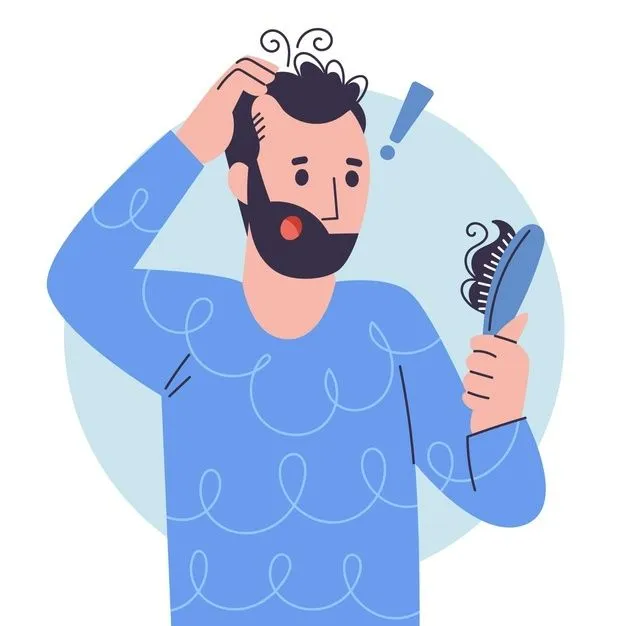
3. Scarring vs. Non-Scarring Hair Loss:
Permanent hair loss generally occurs in scarring (cicatricial) alopecia, where the hair follicle is destroyed due to inflammation, infection, or autoimmune conditions. TE, triggered by stress or illness, is a non-scarring form of hair loss, meaning the follicle remains intact. Because the follicle is preserved, the hair has the potential to regrow fully. This distinction is critical: permanent hair loss is usually associated with follicle damage or genetic conditions rather than temporary physiological stress.
4. Importance of Early Intervention and Care:
Although permanent loss from TE is uncommon, monitoring hair health and addressing contributing factors is essential. Adequate nutrition, stress management, and scalp care support timely regrowth. If hair shedding persists beyond 6–9 months or shows patchy thinning, consulting a dermatologist or trichologist is recommended. Early intervention can prevent overlapping conditions, such as androgenetic alopecia or chronic TE, from compounding hair loss. With proper care and patience, most individuals fully recover their hair density within months.
What treatments are effective for it ?
1. Nutritional Support and Supplementation:
Nutrition plays a vital role in hair recovery after stress or illness. Deficiencies in iron, zinc, vitamin D, biotin, and protein can exacerbate shedding and delay regrowth. A diet rich in lean proteins, leafy greens, eggs, fish, nuts, seeds, and fruits provides essential nutrients for follicle repair and hair growth. In some cases, supplementation may be recommended by a healthcare professional, especially for iron, vitamin D, or biotin deficiencies. Proper hydration also supports nutrient transport to the scalp, promoting healthy follicle function.
2. Topical Treatments and Hair Growth Serums:
Topical treatments like minoxidil are commonly recommended in cases where shedding persists or hair regrowth is slow. Minoxidil works by stimulating blood flow to hair follicles and prolonging the anagen (growth) phase of the hair cycle. Other growth-promoting serums containing peptides, plant extracts, or redensyl can also enhance follicle activity. While these treatments don’t stop the underlying cause, they help accelerate regrowth and improve hair density. Regular and consistent application is critical for effectiveness.

3. Scalp Care and Gentle Hair Practices:
Maintaining a healthy scalp environment is essential for hair regrowth. Gentle hair care routines, such as using mild shampoos, avoiding excessive heat or chemical treatments, and limiting tight hairstyles, prevent additional stress on hair follicles. Regular scalp massages with oils like coconut, argan, or rosemary oil can improve blood circulation, nourish follicles, and support recovery. Protecting hair from UV damage, pollution, and harsh weather conditions further reduces breakage and promotes healthy regrowth.
4. Stress Management and Lifestyle Modifications:
Since stress is a key trigger for Telogen Effluvium, managing emotional and physical stress is a cornerstone of treatment. Techniques like yoga, meditation, deep breathing, or mindfulness practices can lower cortisol levels, which helps normalize the hair growth cycle. Adequate sleep, regular exercise, and avoidance of chronic stressors also contribute to faster recovery. Lifestyle modifications, including quitting smoking, reducing alcohol intake, and maintaining a balanced diet, further support follicle health.
5. Medical Evaluation and Advanced Therapies:
If hair shedding persists beyond six months or shows patchy thinning, a dermatologist or trichologist should be consulted. Blood tests can identify hormonal imbalances, thyroid issues, or nutrient deficiencies that may impede regrowth. In certain cases, advanced therapies such as platelet-rich plasma (PRP) treatment, low-level laser therapy (LLLT), or prescription topical formulations may be recommended to stimulate follicles and accelerate hair regrowth. Early intervention ensures that temporary shedding does not transition into chronic hair loss or coincide with other underlying conditions.