Split Ends: Can They Actually Be Repaired?
Split ends indicate structural damage to the hair shaft and are often a sign of cumulative stress on the hair. While many products promise repair, understanding what’s scientifically possible is key to managing and preventing further damage.

Dr. Nitin Barde
M.B.B.S, M.D, FRGUHS
What are split ends?
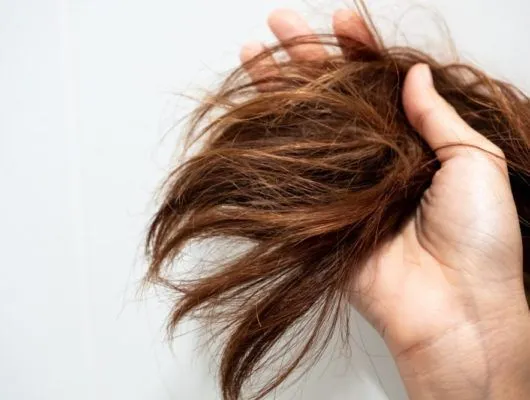
Split ends occur when the protective outer layer of the hair strand, known as the cuticle, becomes damaged and starts to peel away. This damage causes the hair shaft to split into two or more strands at the ends. Split ends usually develop due to excessive dryness, heat styling, chemical treatments, environmental exposure, or rough handling of hair such as aggressive brushing.

Since hair is made of dead keratin cells, once the cuticle is damaged, it cannot repair itself. If left untreated, split ends can travel further up the hair shaft, leading to increased breakage, frizz, and loss of hair length. This is why split ends are considered a sign of hair damage rather than a temporary cosmetic issue.
Why do split ends occur?
Split ends occur when the hair shaft is repeatedly exposed to physical, chemical, or environmental stress that weakens its protective cuticle layer. Common causes include excessive heat styling, frequent chemical treatments such as coloring or straightening, lack of moisture, and regular friction from tight hairstyles, rough towel drying, or improper brushing techniques.

Over time, these factors strip the hair of its natural oils and proteins, making it dry and brittle. As the cuticle breaks down, the inner layers of the hair become exposed and begin to split, especially at the ends where the hair is oldest and most vulnerable. occur when the hair shaft is repeatedly exposed to physical, chemical, or environmental stress that weakens its protective cuticle layer. Common causes include excessive heat styling, frequent chemical treatments such as coloring or straightening, lack of moisture, and regular friction from tight hairstyles, rough towel drying, or improper brushing techniques.Over time, these factors strip the hair of its natural oils and proteins, making it dry and brittle. As the cuticle breaks down, the inner layers of the hair become exposed and begin to split, especially at the ends where the hair is oldest and most vulnerable.
How often should hair be trimmed to prevent split ends?
To help prevent split ends, hair should ideally be trimmed every 6 to 8 weeks. Regular trimming removes damaged ends before they can split further up the hair shaft, helping maintain healthier-looking hair and reducing breakage.
However, the exact frequency can vary depending on hair type, length, and styling habits. Hair that is frequently heat-styled, chemically treated, or exposed to environmental stress may benefit from more frequent trims, while low-maintenance or well-conditioned hair can go slightly longer between trims.
Can split ends lead to hair breakage or hair fall?
Yes, split ends can lead to increased hair breakage, but they do not directly cause hair fall from the roots. When split ends are left untreated, the split can travel upward along the hair shaft, weakening the strand and making it more prone to snapping. This results in hair breakage and reduced hair length over time.
Hair fall, on the other hand, usually originates from the scalp or hair follicles and is influenced by factors such as genetics, hormones, stress, or medical conditions. While split ends affect the quality and strength of the hair shaft, they should not be confused with true hair loss, which requires a different approach and evaluation.
Do hair serums and masks actually fix split ends?
Hair serums and masks can temporarily improve the appearance of split ends, but they do not actually fix them permanently. These products often contain silicones, oils, and conditioning agents that smooth the hair surface, making split ends look less noticeable and reducing frizz for a short time.
However, because hair strands are made of dead cells, no topical product can biologically heal a split once it has occurred. To truly eliminate split ends, the damaged portion of the hair needs to be trimmed off. Serums and masks are best used as preventive care to keep hair moisturized and protected, which can help reduce the formation of new split ends.
Can split ends be prevented completely?
Split ends cannot be prevented completely, but their occurrence can be significantly reduced with proper hair care. Since hair naturally ages and is exposed to daily wear and tear, some degree of damage over time is unavoidable, especially at the ends of the hair.
However, maintaining good hair care habits such as regular trims, minimizing heat and chemical treatments, using heat protectants, gentle handling, and keeping hair well-conditioned can slow down damage and help keep split ends to a minimum.
When should you consult a dermatologist for hair damage?
You should consult a dermatologist for hair damage when you notice persistent or worsening issues that do not improve despite proper hair care. Signs such as excessive hair breakage, sudden or severe hair fall, thinning hair, scalp itching, redness, pain, or dandruff may indicate an underlying scalp or medical condition that requires professional evaluation.
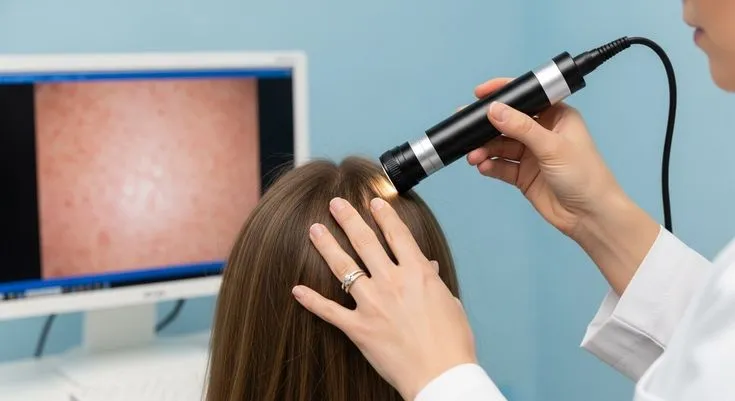
It is also advisable to seek expert advice if hair damage follows chemical treatments, heat styling, or if you are unsure whether the problem is breakage or true hair loss. Early consultation helps identify the root cause and allows timely treatment, preventing further damage and long-term hair concerns.