"Reclaim Your Hair Confidence With FSCT"
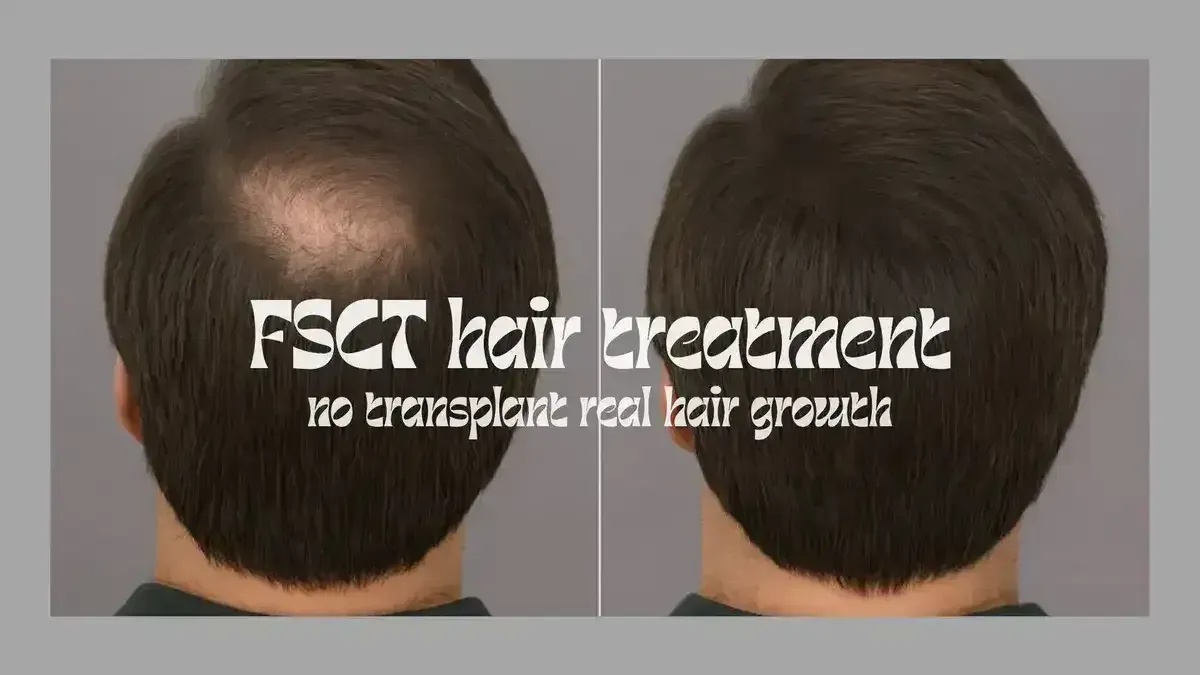
FSCT is a cutting-edge hair restoration treatment that uses your own follicular stem cells to regrow thicker, healthier hair naturally and safely.
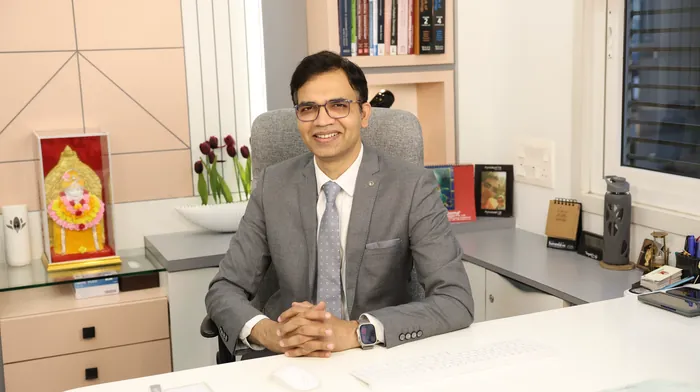
Dr Nitin Barde
M.B.B.S, M.D, FRGUHS
What exactly is FSCT hair treatment?
FSCT, or Follicular Stem Cell Therapy, is an advanced regenerative hair treatment that uses stem-cell–rich follicular tissue to naturally stimulate hair growth. Unlike traditional therapies that only improve blood flow or nourish the scalp, FSCT works at a cellular level, targeting the root cause of hair thinning weakened, dormant, or miniaturized follicles.
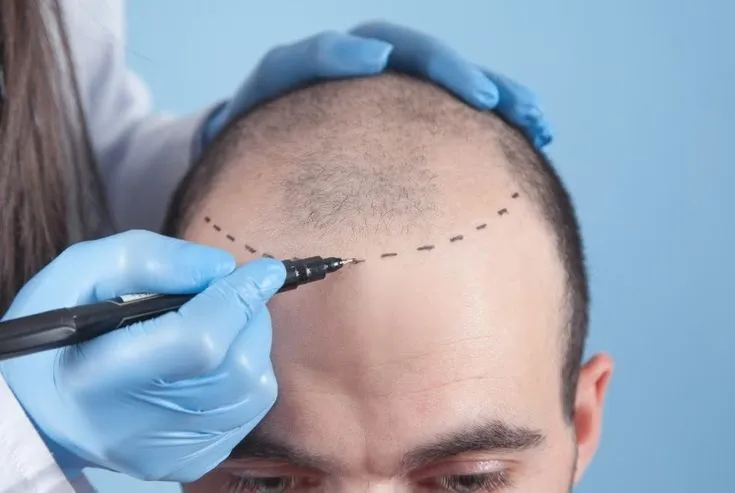
The procedure involves isolating grafts rich in stem cells and growth factors from the patient’s own scalp. These cellular components have the ability to repair damaged follicles, boost tissue regeneration, and stimulate additional hair growth. Through this regenerative process, FSCT promotes thicker strands, strengthens existing follicles, and revives dormant follicles.
Clinically, FSCT stands out because it goes beyond surface-level nourishment. It restores structural integrity within the follicle by enhancing cell turnover and improving follicular environment. This gives the treatment an edge in conditions like early male or female pattern baldness, chronic hair thinning, and post-illness hair fall.
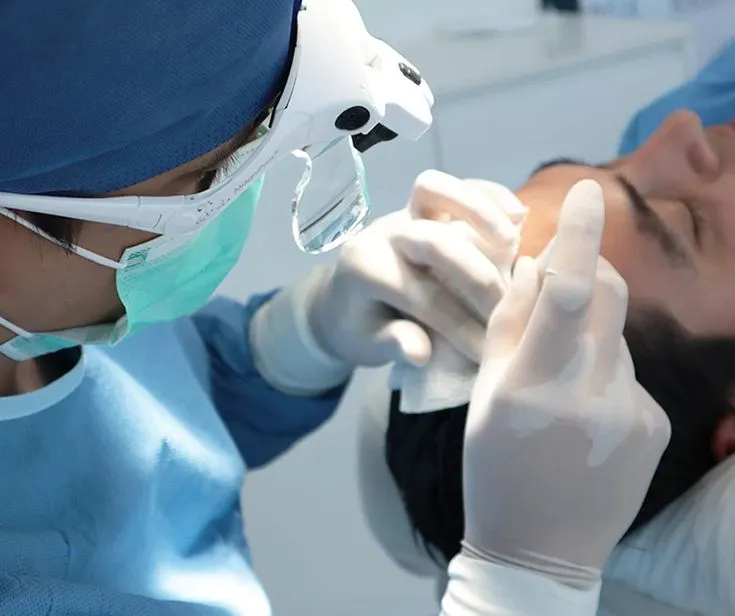
Overall, FSCT is a safe, minimally invasive, biologically compatible treatment that provides natural-looking, long-lasting improvement. It is especially beneficial for people who want a one-time treatment with visible results, without surgeries or recurring monthly sessions.
Is FSCT better than PRP or GFC?
FSCT is often considered more effective than PRP and GFC because it uses actual follicular stem cells, not just platelets or plasma. These stem cells have a far higher regenerative potential, making FSCT more powerful for reviving weak or inactive follicles. While PRP and GFC enhance growth through growth factors alone, FSCT works on deep tissue repair.
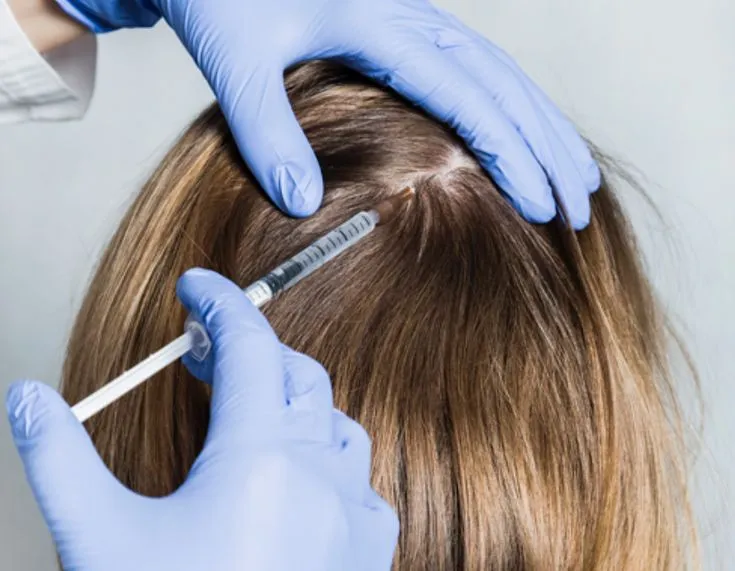
PRP and GFC require multiple sessions because their concentration is limited to the growth factors extracted from blood. In contrast, FSCT delivers stem-cell–rich tissue directly to the affected areas, which provides a stronger, more sustained regenerative effect. This results in faster improvement, more noticeable thickness, and increased density.
Many dermatologists recommend FSCT for moderate to advanced hair thinning where PRP or GFC may not be enough. Patients who have not responded well to PRP/GFC also often see better results with FSCT, highlighting its superior biological impact on follicle recovery.
In summary, FSCT is a more advanced, comprehensive, and longer-lasting therapy compared to PRP or GFC. While all three treatments support hair health, FSCT shows significantly stronger results due to its regenerative power and minimal session requirement.
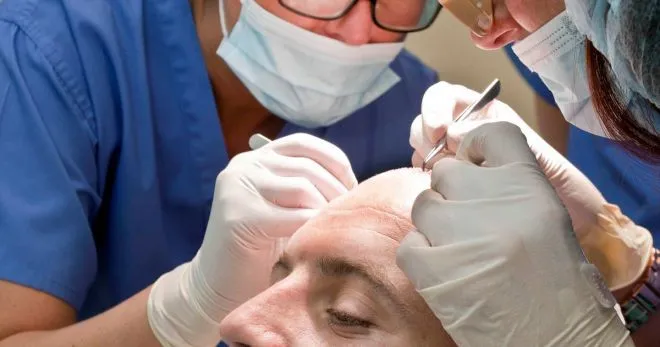
Are the results of FSCT permanent?
FSCT results can be long-lasting because the treatment works by repairing and reactivating hair follicles at the cellular level. Once a weakened or dormant follicle is revived, it can continue to produce hair naturally, leading to sustained improvement in thickness and density. This is what gives FSCT a strong reputation for durability.
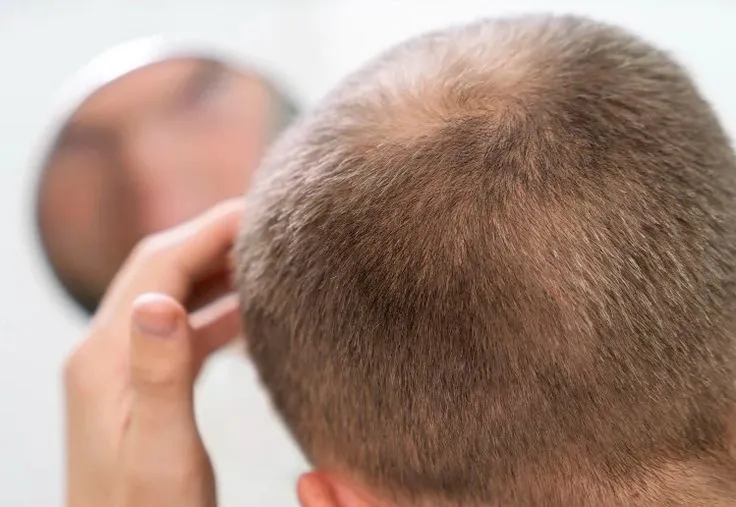
However, results also depend on individual factors like genetics, hormonal influence, stress, diet, and overall scalp health. While FSCT can reverse follicular damage, it cannot stop genetic balding entirely. What it does provide is a new baseline of stronger, healthier follicles that last for years when supported with good care.
Patients who maintain a healthy lifestyle or use dermatologist-prescribed maintenance treatments like peptides, minoxidil, or supplements tend to preserve their FSCT results longer. This makes FSCT a high-return treatment, especially for people with progressive hair thinning.
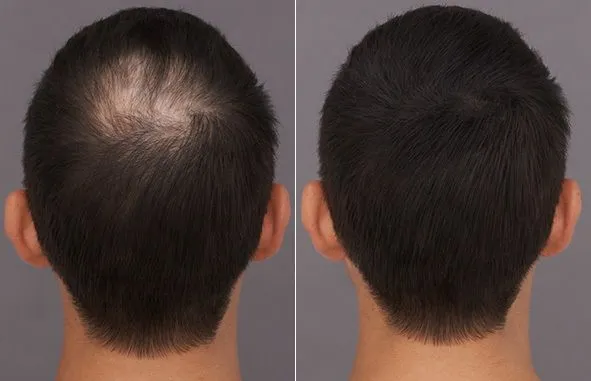
Overall, FSCT offers long-term enhancement, and while the term “permanent” varies by individual, most patients experience sustained improvements for several years with proper scalp maintenance and medical support.
How many sessions of FSCT are required?
One of the biggest advantages of FSCT is that most patients require only a single session. Unlike PRP or GFC, which demand multiple sittings over months, FSCT delivers its regenerative effects in one concentrated procedure. This makes it highly convenient for busy individuals seeking effective yet time-efficient solutions.
The one-session efficiency is due to the high concentration of stem cells and regenerative tissue used in FSCT. The biological activity continues for months after the procedure, allowing follicles to heal, strengthen, and regrow. This makes repeated sessions unnecessary for the majority of patients.
However, in rare cases of severe hair thinning or aggressive genetic hair loss, dermatologists may recommend an additional session after 8–12 months for enhanced density. This is usually optional and tailored to patient expectations regarding fullness.
Overall, FSCT is designed to be a single-session, high-impact treatment, making it one of the most convenient and effective options for long-term hair regeneration.
When will I start seeing visible hair growth after FSCT?
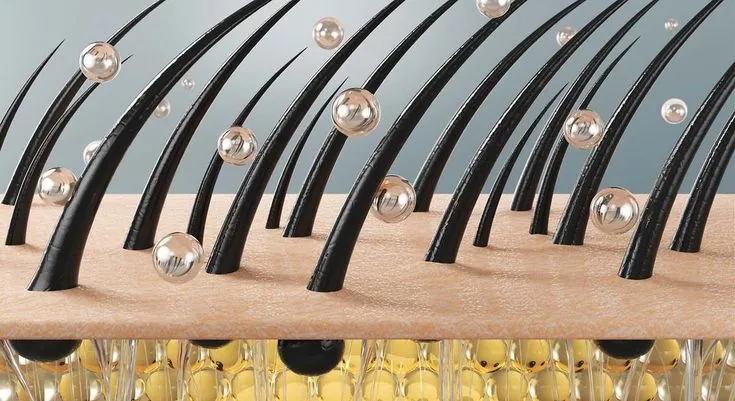
Most patients begin to see early signs of improvement such as reduced hair fall, a healthier scalp, and slightly thicker strands within 6–8 weeks of the FSCT procedure. This early phase is a positive indicator that follicular activity has restarted and healing processes are underway.
By 3 months, patients typically notice visible density improvement as FSCT activates dormant follicles and strengthens newly forming strands. The quality of the hair also improves, including reduced breakage and better texture.
Between 3–5 months, new hair growth becomes more prominent as follicles regenerate fully. Many patients describe this period as the “visible transformation phase,” where the scalp looks fuller and overall volume increases noticeably.
Full results continue to evolve up to 6–9 months, with some patients experiencing even thicker growth over a year. FSCT’s gradual, natural-looking progress makes results long-lasting and realistic rather than artificially sudden.