"PLUMP, SMOOTH, AND GLOW- POWER OF HYALURONIC ACID"
In this blog, we explore how hyaluronic acid hydrates, plumps, and smooths the skin, keeping it healthy and radiant.

Dr Radhika Barde
M.B.B.S, DDV, DCH, FAD
What is HYALURONIC ACID ?
Hyaluronic acid (HA) is a naturally occurring substance in the human body, found primarily in the skin, eyes, and connective tissues. It is a type of glycosaminoglycan a molecule made up of sugars that help retain moisture and keep tissues well-lubricated. Nearly 50% of the body’s hyaluronic acid is present in the skin, where it plays a vital role in maintaining hydration and elasticity. However, as we age, the natural levels of HA in the body decrease, which leads to dryness, fine lines, and a loss of skin plumpness.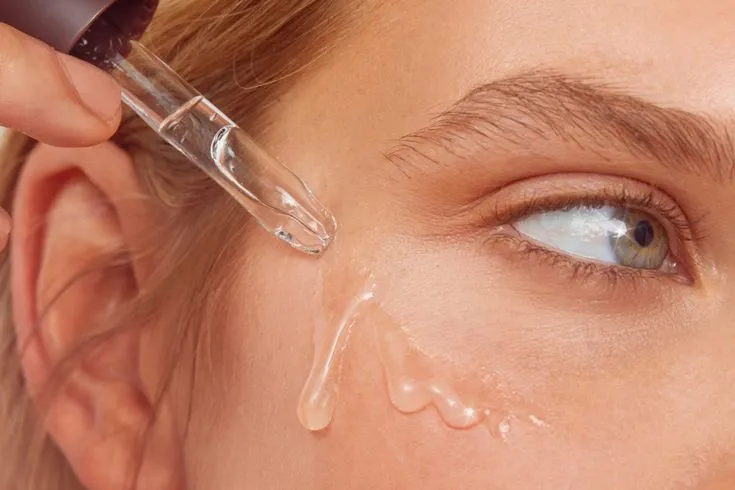
What makes hyaluronic acid unique is its ability to hold up to 1,000 times its weight in water. This exceptional water-binding capacity allows it to hydrate the skin deeply, giving it a supple, plump, and refreshed appearance. Unlike heavy oils or occlusives, HA is lightweight and works by attracting and binding water molecules to skin cells, improving overall hydration without clogging pores. This property makes it suitable for all skin types, including oily and acne-prone skin.
In skincare, hyaluronic acid is used in serums, moisturizers, and dermal fillers. Topical HA provides surface hydration, keeping the skin smooth and soft, while injectable forms (like dermal fillers) are used in dermatology and cosmetic procedures to restore lost volume and reduce wrinkles. Skincare formulations often combine different molecular weights of HA high molecular weight sits on the skin’s surface for instant hydration, while low molecular weight penetrates deeper layers to improve elasticity and long-term moisture balance.
Beyond cosmetic use, hyaluronic acid is also valued in medical treatments. It is used in eye drops for dry eyes, injections for joint lubrication in osteoarthritis, and wound healing due to its tissue-repairing properties. Its versatility, safety, and natural compatibility with the body make it one of the most trusted and widely used ingredients in both medicine and skincare. Overall, hyaluronic acid is a multifunctional molecule essential for maintaining healthy, hydrated, and youthful-looking skin.
How does HYALURONIC ACID works ?
Hyaluronic acid works primarily by attracting and binding water molecules to the skin and other tissues. Its molecular structure allows it to hold up to 1,000 times its weight in water, making it one of the most effective natural hydrators. When applied topically in skincare, it draws moisture from the environment and from deeper skin layers, delivering hydration directly to the outer layer of the skin (epidermis). This process helps keep the skin plump, smooth, and refreshed, while reducing the appearance of dryness and fine lines.

Another way hyaluronic acid works is by supporting the skin’s barrier function. A strong skin barrier prevents water loss (transepidermal water loss) and shields the skin from external irritants such as pollution, bacteria, and harsh weather conditions. By maintaining optimal hydration levels, HA strengthens the protective barrier, ensuring the skin remains resilient, healthy, and less prone to sensitivity or damage. This makes it especially beneficial for individuals with dry, dehydrated, or compromised skin.
In addition to hydration, hyaluronic acid also contributes to skin repair and regeneration. It is naturally present in the extracellular matrix of the skin, where it provides structural support for collagen and elastin fibers. By keeping this environment hydrated and stable, HA promotes cell turnover and wound healing. This is why hyaluronic acid is not only found in cosmetic products but also used medically in treatments for wounds, burns, and tissue repair.

Finally, hyaluronic acid’s effectiveness depends on its molecular weight. High molecular weight HA forms a protective layer on the skin’s surface, giving immediate hydration and a plumping effect. Medium and low molecular weight HA penetrate deeper layers of the skin, providing long-term hydration, improving elasticity, and stimulating the skin’s natural repair processes. Together, these actions make hyaluronic acid a versatile ingredient that works on multiple levels to keep the skin youthful, healthy, and hydrated.
HYALURONIC ACID'S main skin benefits ?
The most important benefit of hyaluronic acid is its exceptional hydrating ability. By binding large amounts of water to the skin, it helps replenish and maintain moisture levels, keeping the skin soft, smooth, and supple. This deep hydration not only relieves dryness but also helps balance oil production, which benefits both dry and oily skin types. Consistent use of hyaluronic acid ensures that the skin remains hydrated throughout the day, reducing flakiness, tightness, and dullness.
Another key benefit is its anti-aging effect. As skin becomes dehydrated with age, fine lines and wrinkles appear more noticeable. By drawing water into the skin, hyaluronic acid plumps up the surface, smoothing out fine lines and giving the face a more youthful, refreshed look. Additionally, HA supports the skin’s natural barrier and collagen network, improving elasticity and firmness over time. This makes it a staple ingredient in anti-aging products such as serums, creams, and dermal fillers
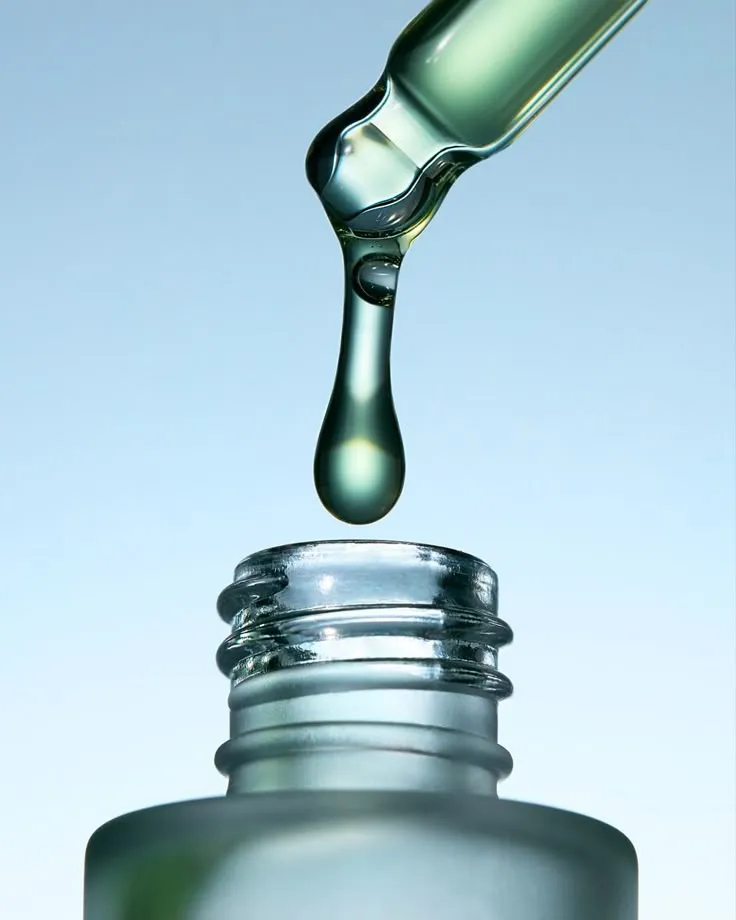
Hyaluronic acid also provides healing and protective benefits. Its ability to strengthen the skin’s barrier helps protect against environmental stressors like pollution, UV exposure, and harsh weather, reducing irritation and sensitivity. It also accelerates wound healing and calms redness or inflammation, making it suitable for sensitive and acne-prone skin. Because it is lightweight, non-comedogenic, and naturally compatible with the skin, it works well for nearly all skin types and can be safely layered with other active ingredients in a skincare routine.
Are their any side effects of using HYALURONIC ACID ?
Topical hyaluronic acid is generally very safe, as it is a substance naturally found in the body and well-tolerated by most skin types. Unlike stronger actives such as retinoids or exfoliating acids, it rarely causes irritation, peeling, or redness. However, in some cases, especially if used in very high concentrations or in a very dry environment, hyaluronic acid can pull water from deeper layers of the skin instead of the air. This may lead to temporary dryness or tightness. To prevent this, dermatologists recommend applying HA on slightly damp skin and always sealing it in with a moisturizer.

In rare cases, people may experience mild allergic reactions or sensitivity to a specific formulation containing hyaluronic acid, particularly if it includes added fragrances, preservatives, or other active ingredients. For injectable hyaluronic acid (like dermal fillers), side effects can include redness, swelling, bruising, or tenderness at the injection site, but these are typically temporary. Overall, hyaluronic acid is considered one of the safest skincare ingredients available, with side effects being uncommon and usually mild when they do occur.