“Niacinamide in Modern Skincare Science”
Niacinamide is a clinically proven skincare ingredient that supports skin health, clarity, and resilience.


Dr. Radhika Barde
M.B.B.S, DCH, DDV, FAD
What is NIACINAMIDE ?
Niacinamide, also known as nicotinamide, is a water-soluble form of vitamin B3 that plays a crucial role in maintaining healthy skin function. It is an essential nutrient involved in cellular metabolism and energy production, specifically in the synthesis of nicotinamide adenine dinucleotide (NAD+) and its phosphate form (NADP+), which are vital coenzymes for enzymatic reactions in the skin. Dermatologically, niacinamide is valued for its wide-ranging benefits, including its ability to improve skin barrier function by stimulating the production of ceramides and fatty acids, which help retain moisture and protect against environmental stressors. It also possesses strong anti-inflammatory properties, making it effective in managing conditions like acne, rosacea, and eczema, while simultaneously calming irritation and redness.
Beyond barrier repair and inflammation control, niacinamide is widely studied for its role in regulating sebum production, reducing hyperpigmentation, and promoting an even skin tone by inhibiting the transfer of melanosomes to keratinocytes. It is also a potent antioxidant that helps neutralize free radicals, thereby preventing premature aging and oxidative damage. Clinical studies have shown that consistent use of niacinamide can improve fine lines, wrinkles, and skin elasticity by enhancing collagen synthesis and reducing glycation. Because it is well-tolerated across most skin types, including sensitive and acne-prone skin, niacinamide is a versatile and highly recommended ingredient in dermatology and cosmetic formulations, often found in serums, moisturizers, and sunscreens.
How does NIACINAMIDE works ?
Niacinamide works primarily by supporting the skin’s cellular energy and repair systems. Once absorbed, it is converted into its active coenzyme forms—NAD+ and NADP+—which are essential in hundreds of enzymatic reactions, including those responsible for energy metabolism, DNA repair, and cellular communication. This means niacinamide helps skin cells function optimally, repair daily damage from UV exposure or pollution, and maintain overall resilience. By boosting NAD+ levels, niacinamide enhances the skin’s ability to fight oxidative stress, which is one of the major contributors to premature aging and dullness.
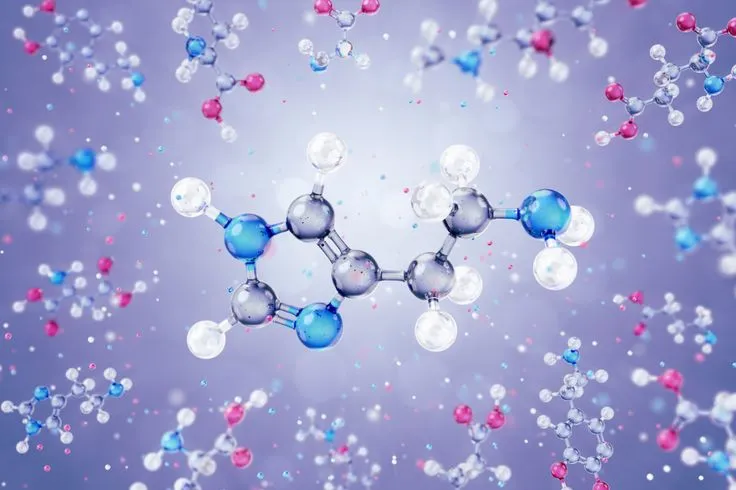
Another important way niacinamide works is by improving the skin barrier. It stimulates the production of ceramides, cholesterol, and fatty acids, which are vital lipids that make up the skin’s natural protective layer. A strong barrier helps lock in moisture while shielding the skin from irritants, allergens, and pollutants. This mechanism not only reduces transepidermal water loss (TEWL) but also makes the skin less prone to sensitivity, dryness, and environmental stress. By reinforcing barrier strength, niacinamide ensures that the skin remains hydrated, smooth, and better equipped to repair itself.
Niacinamide also regulates key processes like sebum production and pigmentation.

It has the ability to balance oil output, which makes it beneficial for acne-prone and oily skin, while its anti-inflammatory action helps reduce redness, swelling, and post-acne marks. Additionally, niacinamide interferes with the transfer of melanin from melanocytes (pigment-producing cells) to keratinocytes (skin cells), which leads to a reduction in dark spots and uneven tone over time. This dual action of controlling both oil and pigmentation, along with its collagen-boosting effects, makes niacinamide a multi-tasking ingredient that addresses acne, pigmentation, fine lines, and overall texture simultaneously.
How to use NIACINAMIDE ?
Niacinamide is a versatile skincare ingredient that can be incorporated into both morning and evening routines, depending on the formulation. It is most commonly found in serums, moisturizers, and creams, usually in concentrations ranging from 2% to 10%. For beginners or those with sensitive skin, starting with a lower concentration (2–5%) is advisable to minimize the risk of irritation, then gradually increasing as the skin builds tolerance. Niacinamide should be applied on cleansed, slightly damp skin after toner (if used) but before heavier creams or oils, allowing it to penetrate effectively. When layered with other active ingredients, such as hyaluronic acid or peptides, it enhances hydration and strengthens the skin barrier.

Consistency is key when using niacinamide, as visible improvements in texture, tone, and barrier strength often appear after 6–8 weeks of regular use. It can safely be used alongside most active ingredients, including retinol and hyaluronic acid, though pairing with strong acids (like pure vitamin C in low pH forms) may reduce its effectiveness for some users. In the morning, it works well under sunscreen, providing added antioxidant protection against environmental damage, while at night it supports repair and recovery. Because niacinamide is well-tolerated by most skin types, including sensitive, acne-prone, and oily skin, it is an easy yet powerful addition to nearly any skincare regimen.
When can one start using NIACINAMIDE ?
Niacinamide can be introduced into a skincare routine quite early, as it is gentle and suitable for most skin types. Dermatologists generally recommend it for individuals in their late teens to early twenties, especially when common skin concerns such as acne, excess oiliness, or uneven skin tone begin to appear. At this age, niacinamide helps regulate sebum production, calm inflammation, and prevent post-acne marks, making it highly effective for managing adolescent and young adult skin issues. Since it strengthens the skin barrier, it also prepares the skin to better handle environmental stressors like pollution and UV damage over time.
As one enters their mid-20s and beyond, niacinamide becomes even more beneficial for preventative anti-aging care. Its role in stimulating collagen production, improving elasticity, and reducing fine lines makes it an ideal ingredient to maintain youthful, resilient skin. Because it is safe for long-term use and well-tolerated by sensitive skin, it can be continued into one’s 30s, 40s, and later as a stable part of the skincare routine. In short, niacinamide is not tied to a strict age limit—rather, it can be started when the skin first begins to show signs of imbalance (acne, dullness, sensitivity) and then used consistently as both a treatment and a preventative measure throughout life.