"Molluscum Contagiosum: Causes, Symptoms & Treatment Options in Nagpur"
Discover how to identify and treat Molluscum Contagiosum—a viral skin infection common in children and adults. Learn about safe and effective treatments offered by Dr. Nitin Barde and Dr. Radhika Barde at Radiance Clinic, Nagpur.

Dr Radhika Barde
M.B.B.S, DCH, DDV, FAD
What is MOLLUSCUM CONTAGIOSUM ?
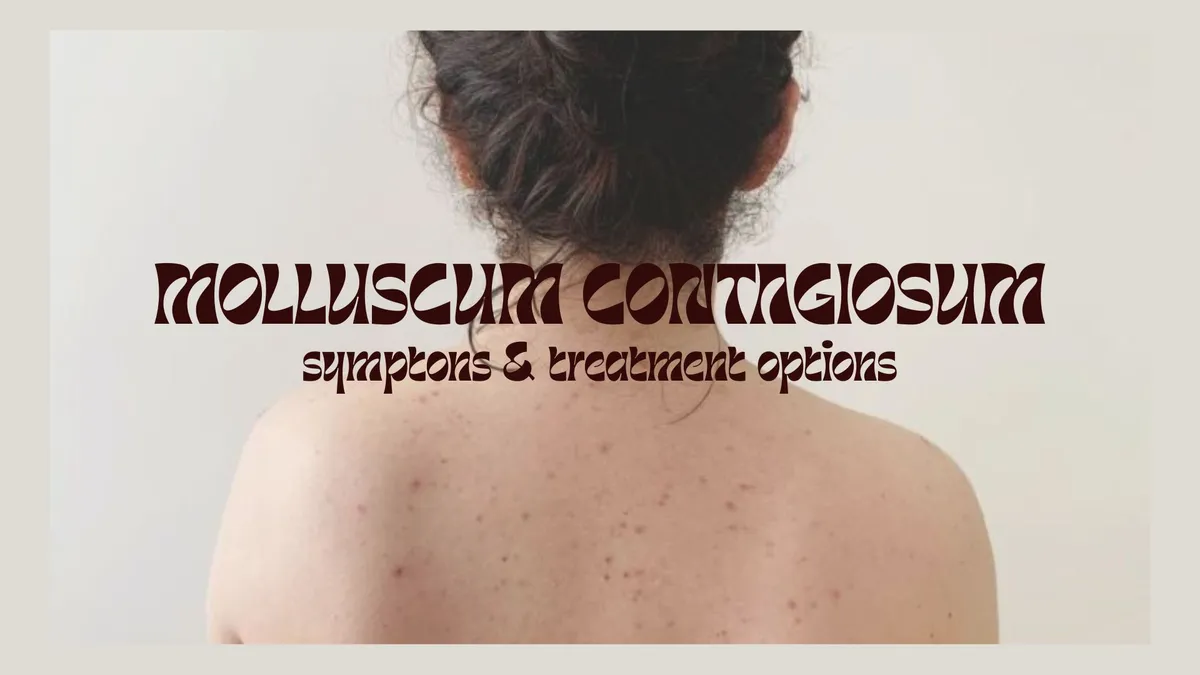
Molluscum Contagiosum is a common skin infection caused by a poxvirus known as the Molluscum contagiosum virus (MCV). It typically results in small, firm, dome-shaped papules that are flesh-colored, pink, or pearly with a central dimple. The lesions can appear singly or in clusters, and they are most often found on the face, trunk, limbs, and sometimes the genital area. While the condition is not usually harmful, it is contagious and can spread through direct skin-to-skin contact or by sharing contaminated objects such as towels, clothing, or sports equipment.
This infection is most common in children, but it can also occur in adolescents and adults, particularly in individuals with weakened immune systems or those who are sexually active. In children, lesions typically appear on the arms, legs, and face, while in adults they are more frequently found in the genital region due to sexual transmission. Molluscum contagiosum is more prevalent in warm, humid climates and among people with atopic dermatitis or other conditions that compromise the skin barrier.
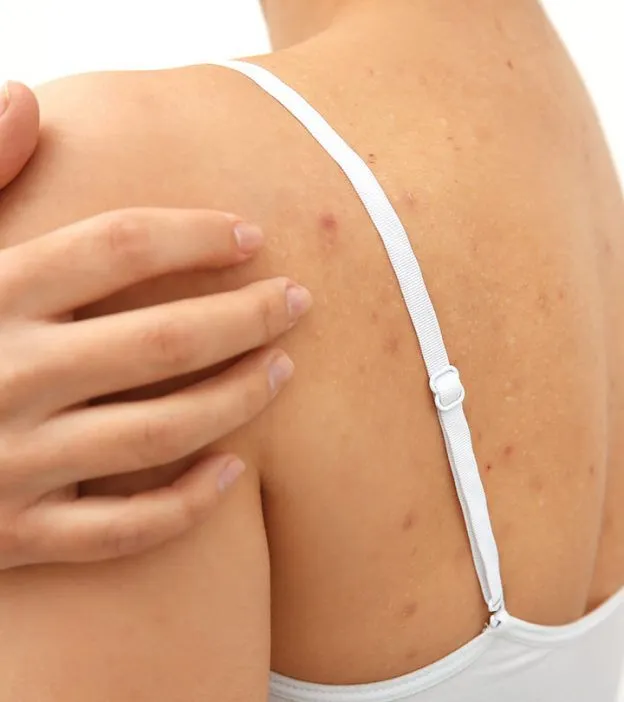
The virus has an incubation period of 2 to 7 weeks, and once lesions appear, they may persist for several months to over a year if untreated. In most healthy individuals, the condition is self-limiting, meaning it resolves on its own without causing long-term harm. However, scratching or picking at the bumps can spread the virus to nearby skin or to others. Sometimes, secondary bacterial infection may occur if the lesions are irritated or inflamed.
Treatment is not always necessary, as the infection often disappears naturally. However, for cosmetic reasons or to prevent spreading, dermatologists may recommend therapies such as cryotherapy (freezing), curettage (scraping), topical agents like salicylic acid, or immune-modulating creams. In people with weakened immune systems, the infection may be more severe and persistent, requiring medical attention. Preventive measures include practicing good hygiene, avoiding sharing personal items, and covering lesions to reduce transmission.
Causes:-
- Skin-to-skin contact
- Sharing personal items like towels, razors, or toys
- Wearing tight or non-breathable clothing
- Scratching existing lesions
Who Is Affected?
- Children (most common group)
- Adults, especially with atopic dermatitis or compromised immunity
- Individuals with frequent contact sports or shared environments
Treatment Options Available at Radiance Clinic, Nagpur
At Radiance – Skin, Antiaging & Hair Transplant Clinic, Dr. Nitin Barde and Dr. Radhika Barde offer safe, effective treatments tailored to each patient.
1. Radiofrequency Ablation (RFA)
A precise and effective method to remove lesions without significant scarring. Ideal for both children and adults.
2. Laser Removal
Non-invasive technique for resistant or widespread lesions, especially effective for facial or genital molluscum.

3. Topical Immunotherapy
Strengthens the skin’s natural defense, especially helpful in children and sensitive skin types.
4. Sterile Extraction under Magnification
Manual, magnified removal of lesions by experienced dermatologists for cosmetic areas like face and neck.