"MINOXIDIL: A step towards fuller, healthier hair"
Minoxidil is a proven solution for hair loss that helps revive hair follicles, promote regrowth, and restore confidence.

Dr. Nitin Barde
M.B.B.S, DDV, FRGUHS.
What is minoxidil ?
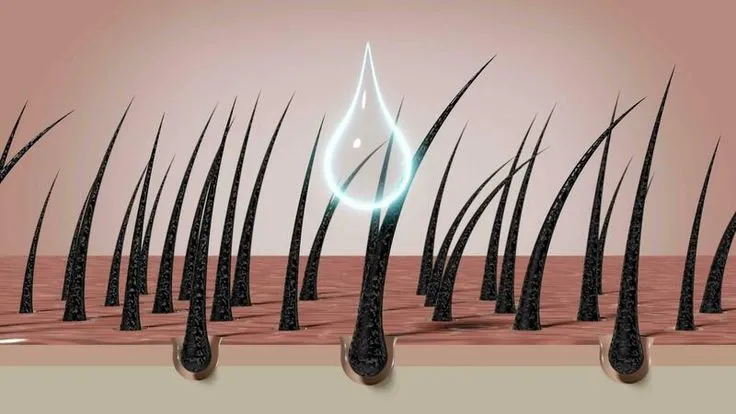
Minoxidil is a topical vasodilator medication that is widely prescribed in dermatology for the management of androgenetic alopecia and other forms of hair thinning. It works by improving blood circulation around hair follicles, thereby enhancing the delivery of oxygen and essential nutrients to the scalp. This increased vascular supply prolongs the anagen (growth) phase of the hair cycle and helps dormant follicles transition into active growth, resulting in thicker and denser hair over time.
Dermatologists often recommend Minoxidil as a first-line, FDA-approved therapy for both men and women experiencing pattern hair loss. Available in different strengths (commonly 2% and 5%), it is generally applied directly to the scalp once or twice daily. Consistent use is essential, as discontinuation can reverse its effects. While generally safe, some individuals may experience scalp irritation or shedding during initial use, which usually stabilizes with continued treatment. Minoxidil remains one of the most effective non-invasive therapeutic options for promoting hair regrowth and slowing down progressive hair loss.
How and when to use MINOXIDIL ?
How to Use Minoxidil:
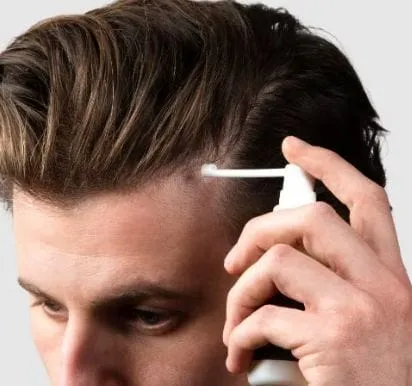
Minoxidil is available in topical solutions and foam formulations, usually in 2% and 5% strengths. It should be applied directly to the affected areas of the scalp, not the hair shafts. Before applying, ensure the scalp is clean and dry. Using the dropper or spray (for solution) or fingertips (for foam), gently spread the medication over the thinning areas. Wash your hands thoroughly afterward to prevent accidental spread to unwanted areas such as the face. Consistency is crucial—missing applications can reduce effectiveness.
When to Use Minoxidil:
Dermatologists typically recommend applying Minoxidil twice daily for men (morning and night) and once daily for women, depending on the formulation. The best times are after washing and drying the scalp, allowing the solution to be absorbed fully before sleeping or applying styling products. Initial shedding may occur during the first 2–6 weeks, which is normal and indicates the follicles are entering a new growth cycle. Noticeable results usually appear after 3–6 months of continuous use, with maximum benefits seen after a year. Stopping treatment can lead to gradual hair loss resumption, so long-term use is generally required for sustained results.
What types of effectiveness is seen after consistent use ?
1. Reduction in Hair Loss:
One of the earliest effects users notice is a visible decrease in hair shedding. In the initial weeks, some temporary shedding may occur as weaker hairs are replaced by new ones, but with consistent use over 2–3 months, the rate of hair fall reduces significantly. This indicates that the medication is stabilizing the hair cycle and preventing further follicle miniaturization.
2. Thickening of Existing Hair:
Minoxidil helps in prolonging the anagen (growth) phase of hair. As a result, existing thin or miniaturized hairs gradually become thicker and stronger. This improves the overall density of the scalp, making hair appear fuller and healthier.
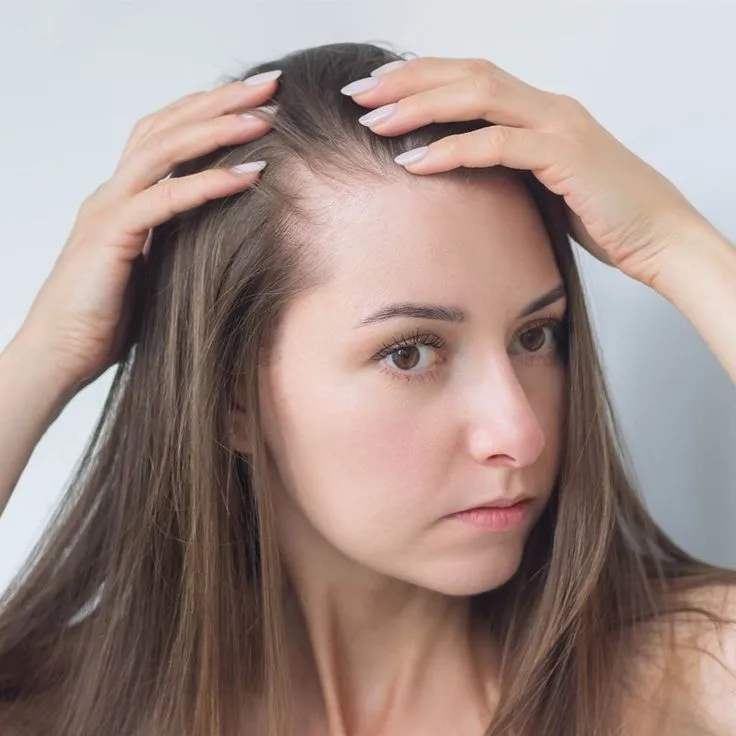
3. Visible Regrowth in Thinning Areas:
With continued application for 4–6 months, dormant follicles may get reactivated, leading to the appearance of new, fine hair in previously thinning areas. Over time, these new hairs become thicker, contributing to improved scalp coverage. However, the degree of regrowth varies from person to person, depending on factors like age, genetics, and extent of hair loss.
4. Long-Term Maintenance of Hair Density:
Perhaps the most important effect of Minoxidil is not only regrowth but also maintaining existing hair. Continuous use helps slow down progressive conditions like androgenetic alopecia, delaying further thinning and helping preserve hair density for the long term.
In short, Minoxidil is most effective at reducing hair loss, thickening existing strands, and promoting new growth—but its success depends on consistency and patience.
Recommended age to use MINOXIDIL ?
Recommended Age for Minoxidil Use:
Minoxidil is generally recommended for adults aged 18 years and above. Dermatologists do not advise its use in children or adolescents below this age, as safety and effectiveness have not been well studied in younger individuals. The most common users are men and women between the ages of 18–40 years, since hair follicles are still active and more responsive to treatment during these years. Starting Minoxidil early, at the first signs of thinning or hairline recession, usually yields better results because it helps preserve existing follicles before they become permanently inactive.

Why Age Matters:
In younger individuals (under 18), hair loss is often due to temporary or underlying medical conditions that need proper evaluation rather than immediate Minoxidil use. In older adults, particularly above 50–60 years, Minoxidil can still be used but results may be slower and less dramatic, as hair follicle miniaturization tends to be more advanced and regrowth potential is reduced. Therefore, dermatologists emphasize early intervention for androgenetic alopecia to maximize effectiveness, while also tailoring the treatment based on the patient’s age, scalp condition, and medical history.