Macular Amyloidosis: Causes, Symptoms & Treatment Options
Macular amyloidosis is a chronic skin condition characterized by dark, itchy patches, especially on the upper back, arms, or chest. While it is not life-threatening, it can cause significant cosmetic concern and discomfort, especially in individuals with brown or darker skin tones. At Dr. Barde’s Radiance Skin, Antiaging & Hair Transplant Clinic, Nagpur, we frequently see patients with this condition and offer modern, evidence-based treatments tailored to Indian skin types.


Dr Radhika Barde
MBBS, DDV (Dermatology)
What is Macular Amyloidosis?
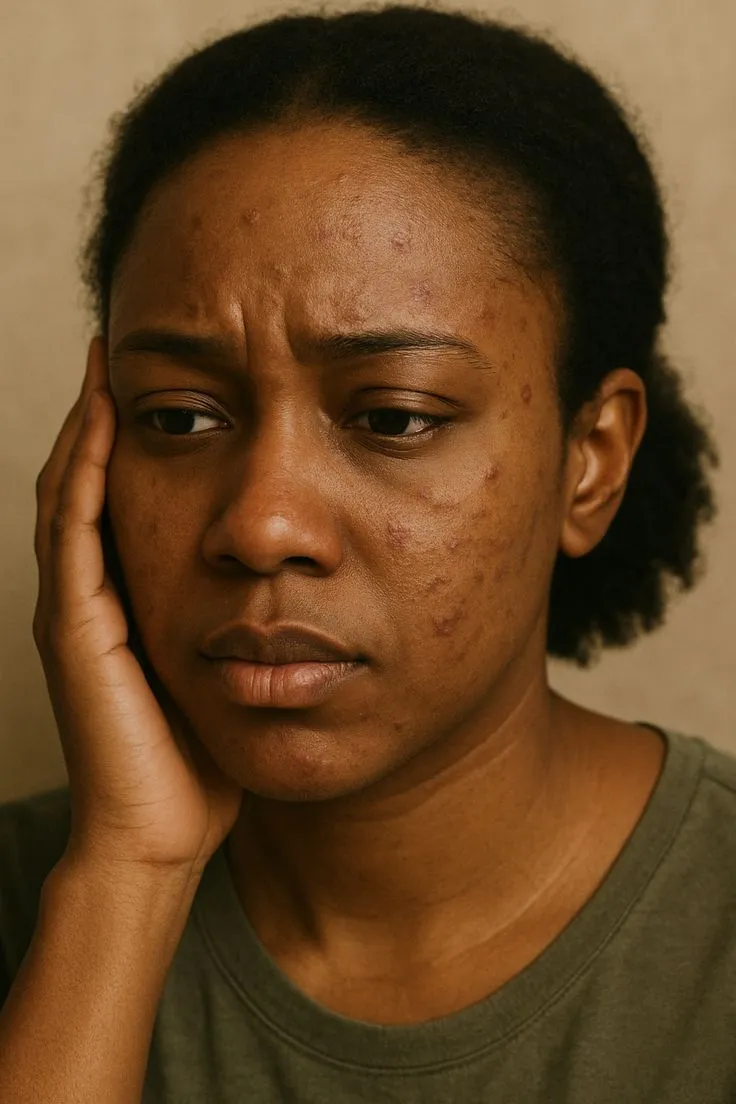
Macular amyloidosis is a form of primary cutaneous amyloidosis where abnormal protein deposits, called amyloid, accumulate in the skin. This leads to the appearance of flat, pigmented patches that are usually brown or gray in color and have a characteristic rippled or net-like pattern. These patches are most commonly seen on the upper back, shoulders, arms, and chest, and are often accompanied by mild to intense itching. The condition is more frequent in individuals with darker skin tones and may have a genetic predisposition.
One of the main contributing factors is repeated friction or chronic rubbing of the skin, often caused by habits like using loofahs, scrub brushes, rough towels, or wearing tight clothing. While macular amyloidosis is not dangerous to overall health, it is a long-lasting condition that can significantly affect cosmetic appearance and quality of life due to persistent itching. Proper diagnosis, avoiding friction, and following gentle skincare practices are important in managing the condition and reducing flare-ups.
Causes and Risk Factors ?
The exact cause is not fully understood, but multiple factors contribute:
Friction and Chronic Rubbing:-
- Repeated use of loofahs, towels, or scratching due to dryness or itch
- Common in people who vigorously rub their skin after bathing
Genetic Predisposition:-
- More common in Asian, Middle Eastern, and Hispanic populations
- Sometimes runs in families.

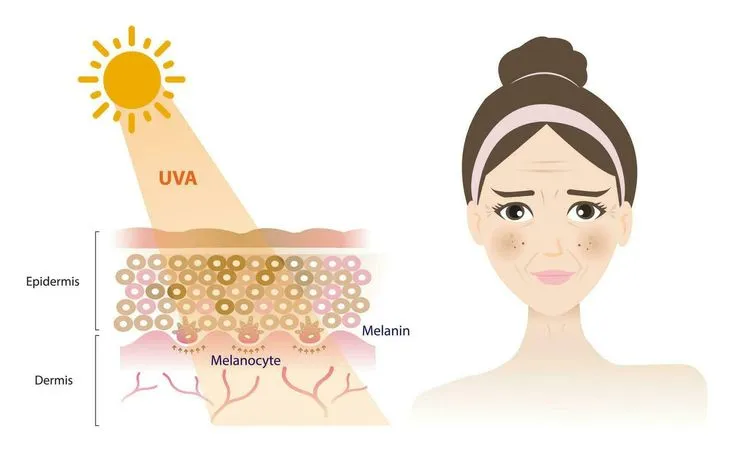
UV Radiation:-
- Sun exposure can worsen pigmentation
Associated Conditions:-
- Can occur with lichen amyloidosis or atopic dermatitis.
What are its symptoms and Appearance ?
- Brownish or grayish patches of pigmentation
- Rippled, reticulated, or speckled pattern
- Commonly affects the upper back, arms, chest, and occasionally the thighs
- Mild to moderate itching, especially after sweating or bathing
- Lesions are usually bilateral and symmetrical
Expert Insight from Dr. Nitin Barde:
“Patients often mistake it for pigmentation due to friction or fungal infections. Dermoscopy and biopsy help us confirm the diagnosis and rule out other skin conditions.”
How is it diagnosed ?
The diagnosis is usually made based on the clinical appearance of the skin lesions. Doctors look for flat, brown or gray patches with a rippled or net-like pattern, commonly located on the upper back, arms, or chest, along with a history of itching and skin friction.
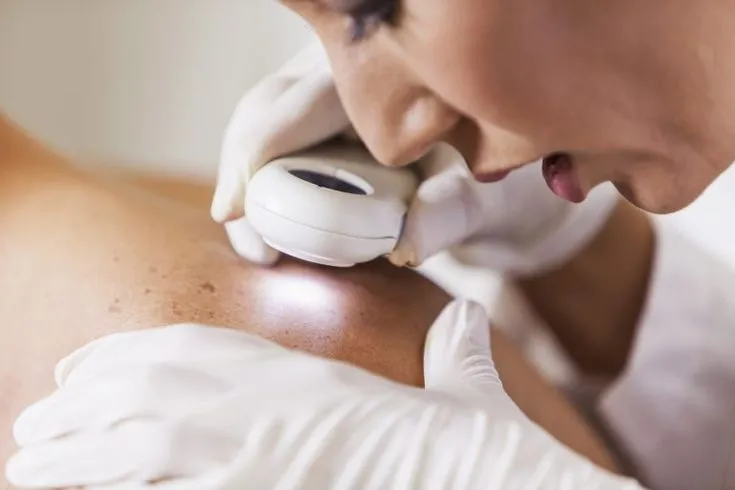
To confirm, a skin biopsy may be done. Under the microscope, amyloid deposits can be seen in the upper dermis, which may be highlighted with special stains such as Congo red or crystal violet. In most cases, however, clinical examination is sufficient, and biopsy is only required if the diagnosis is uncertain or to rule out other skin conditions that cause pigmentation.
What are the treatment options for it ?
There is no permanent cure, but multiple treatments help reduce pigmentation, control itch, and prevent progression.
1.Topical Treatments
- Topical steroids: For controlling inflammation and itch
- Calcineurin inhibitors (Tacrolimus/Pimecrolimus): Useful for long-term use on sensitive areas
- Depigmenting agents: Such as Kojic acid, Arbutin, and Azelaic acid
2.Laser Therapy
Lasers help in breaking up pigment and reducing discoloration:
- Q-switched Nd:YAG Laser (1064 nm): Effective in reducing hyperpigmentation
- Fractional CO₂ Laser: For resurfacing and improving skin texture
- IPL (Intense Pulsed Light): Helps in selective pigment targeting
Dr. Barde’s Expert Tip:
“We’ve seen excellent cosmetic improvement with Q-switched laser therapy combined with gentle topical care in patients who previously had little success with creams alone.”
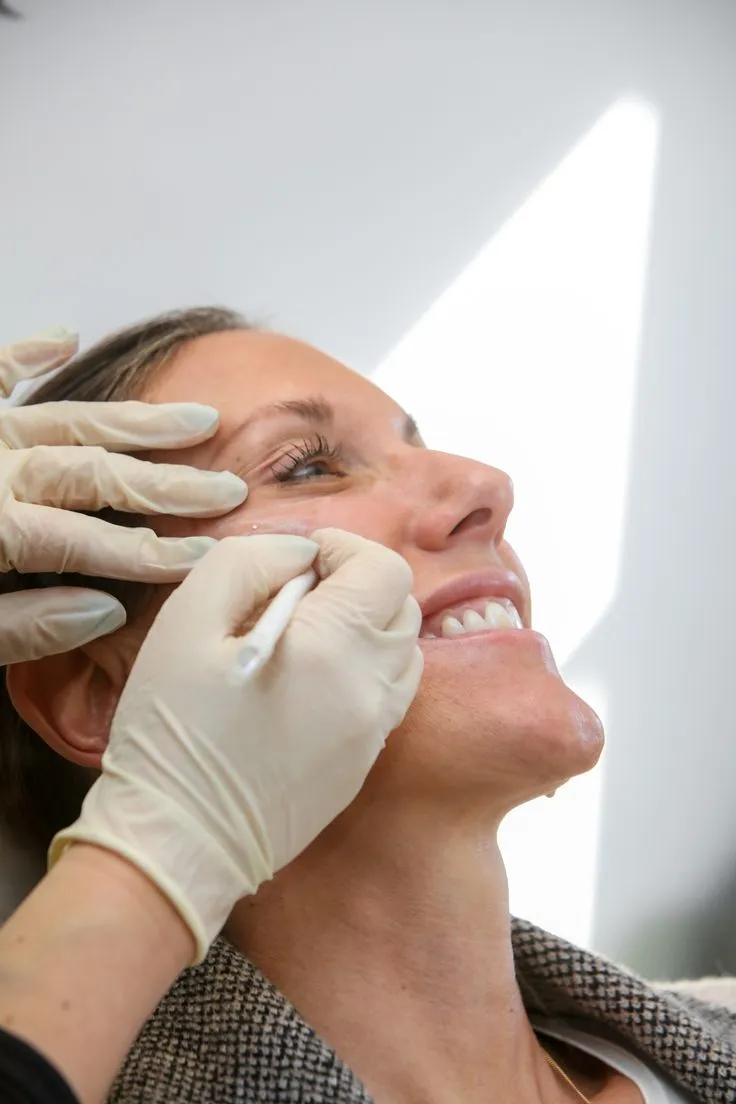
3.PRP & Growth Factor Therapies
- Platelet-rich plasma (PRP) or Exosome therapy can help restore skin health and improve overall tone
- May be combined with microneedling for enhanced delivery.
4.Photoprotection
- Daily use of broad-spectrum sunscreen (SPF 50+)
- Avoid direct sun exposure, especially on upper back and arms.
5.Lifestyle Modifications
- Avoid rubbing or scrubbing skin
- Switch to soft cotton towels
- Use gentle, fragrance-free moisturizers
- Control underlying conditions like eczema if present.
Advanced Options at Radiance Clinic !
We offer combination protocols based on severity, skin type, and patient goals:
Microneedling + Depigmenting Serums
Boosts penetration and improves results
Exosome Infusion Therapy
Stimulates collagen and skin repair
Customized Pigment Reduction Peels
For resistant patches.
Frequently asked questions on MACULAR AMYLOIDOSIS !
1.Is macular amyloidosis contagious?
No. It is not infectious or related to hygiene.
2.Will the pigmentation go away completely?
It can be significantly reduced, but some residual pigmentation may remain.
3.Is biopsy always required?
Not always, but useful when diagnosis is unclear or other conditions are suspected.