Is Your Skincare Routine Damaging Your Skin?” – Hidden Mistakes We All Make.
We all want glowing, healthy skin — but sometimes our skincare habits do the opposite. Over-cleansing, harsh actives, or skipping sunscreen can silently damage your skin. Let’s uncover the hidden mistakes that might be ruining your routine.


Dr Radhika Barde
M.B.B.S, FAD, DDV, DCH
Why does my skin still break out despite a routine?
1. Not All Routines Fit Every Skin Type
Even with a consistent skincare routine, breakouts can still happen if the products you’re using aren’t right for your skin type. For example, using a heavy moisturizer on oily or acne-prone skin can clog pores, while harsh cleansers on dry skin can trigger irritation and inflammation. Many people unknowingly follow routines inspired by trends rather than what their skin actually needs. The first step to clearer skin is understanding your skin type and choosing products that complement it instead of fighting against it.
2. Product Overload and Ingredient Conflicts
Sometimes, too much skincare can backfire. Layering multiple actives like retinol, exfoliating acids, and vitamin C can overwhelm your skin and cause micro-irritation, leading to more breakouts instead of fewer. Certain ingredients also don’t work well together and can disrupt your skin barrier. When that happens, your skin produces excess oil as a defense mechanism, which can clog pores. Keeping your routine simple and balanced can help your skin calm down and start healing naturally.

3. Hidden Lifestyle and Hormonal Triggers
If your routine is on point but you’re still breaking out, the cause might not be your skincare at all. Stress, hormonal fluctuations, poor diet, and lack of sleep can all trigger acne from within. Additionally, using dirty makeup brushes, pillowcases, or touching your face often can transfer bacteria that lead to new pimples. Breakouts are often a mix of external and internal factors so paying attention to lifestyle habits is just as important as choosing the right skincare.
4. Giving Products Time to Work
Another common reason for persistent breakouts is impatience. Skincare isn’t magic most products take at least 4–6 weeks to show visible results. Constantly switching products or routines prevents your skin from adjusting and healing. Instead of chasing instant results, focus on consistency and gentle care. Stick to a simple routine with a mild cleanser, non-comedogenic moisturizer, and sunscreen. Once your skin stabilizes, you can slowly introduce targeted treatments. Remember, patience and balance are key to long-term clear skin.

Why isn’t my skin glowing even after so many products?
1. The Glow Isn’t in the Quantity
It’s easy to assume that the more products you use, the better your skin will look but that’s not always true. Using too many products can overwhelm your skin and confuse its natural rhythm. When you layer multiple serums, creams, and toners, ingredients can clash or cancel each other out. Instead of radiance, this can lead to dullness, congestion, or even irritation. Sometimes, less truly is more your skin glows best when it’s balanced, not overloaded.
2. Damaged Skin Barrier = Dull Skin
A healthy glow starts with a healthy skin barrier. Over-cleansing, frequent exfoliation, or using strong actives can strip away your skin’s natural oils, leaving it dry and rough. When the barrier is compromised, light can’t reflect evenly off your skin, which kills that natural glow. If your skin feels tight, flaky, or easily irritated, it’s a sign you need to pause and rebuild hydration with barrier-repairing ingredients like ceramides, niacinamide, and hyaluronic acid.

3. Ignoring Internal and Lifestyle Factors
Your glow isn’t just about what you apply on the outside it’s also what’s happening inside. Dehydration, poor diet, stress, and lack of sleep all show up on your skin. No serum can fully mask the effects of exhaustion or nutrient deficiency. Drinking enough water, eating antioxidant-rich foods, and managing stress levels are just as important as your skincare routine. True radiance is a reflection of inner health combined with good care.
4. Simplify and Let Your Skin Breathe
If your skin isn’t glowing despite your efforts, try giving it a break. Simplify your routine for a week just cleanse, hydrate, and protect. Avoid piling on too many layers or chasing quick fixes. Once your skin calms down and regains balance, reintroduce actives gradually. Remember, real glow doesn’t come from ten different bottles it comes from healthy, well-rested, and nourished skin that’s allowed to breathe and repair naturally.
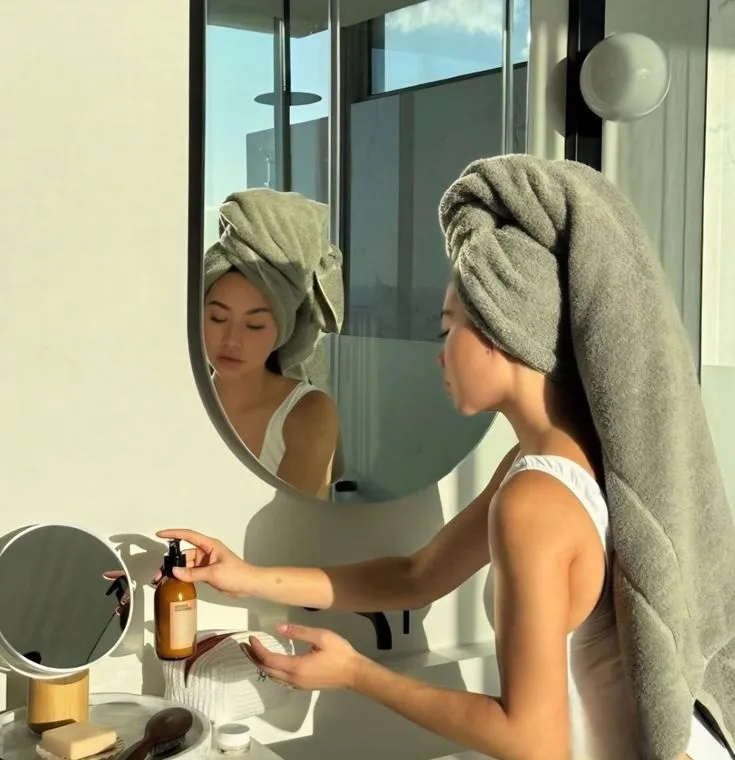
Could my routine be aging my skin faster?
1. When Good Intentions Go Wrong
Many people follow elaborate skincare routines hoping to preserve their youthful glow but sometimes, those very habits can accelerate aging instead. Overuse of active ingredients, harsh exfoliants, or frequent product switching can weaken your skin barrier, leading to dryness, irritation, and inflammation. These issues make fine lines appear more prominent and reduce the skin’s natural ability to repair itself. What’s meant to keep your skin young can actually push it toward premature aging if done without balance or understanding.
2. The Role of Over-Exfoliation and Harsh Ingredients
Exfoliating helps remove dead skin cells, but too much of it can strip away essential oils and leave your skin vulnerable. Over-exfoliated skin often feels tight, sensitive, and looks dull signs that the protective layer is compromised. Similarly, frequent use of strong actives like retinoids or acids without proper moisturization or sun protection can cause micro-damage. When this happens repeatedly, collagen production slows down, and the skin starts showing early signs of aging such as wrinkles and uneven texture.
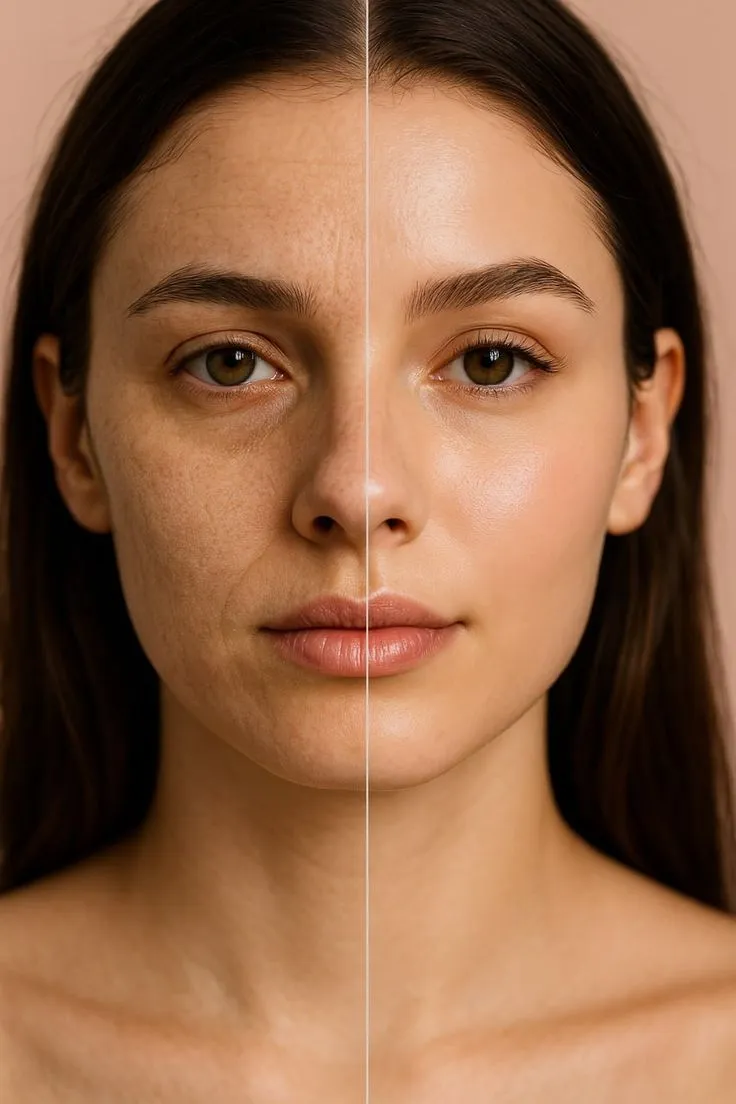
3. The Silent Damage of Skipping Sunscreen
No matter how perfect your skincare routine seems, if you skip sunscreen, it’s all in vain. UV exposure is the number one cause of premature aging leading to fine lines, dark spots, and loss of elasticity. Even a small amount of daily exposure without protection can accumulate damage over time. Sunscreen isn’t just for sunny days; it’s your daily anti-aging shield. Without it, even the best serums or treatments can’t undo the harm caused by unprotected sun exposure.
4. How to Future-Proof Your Skin
To prevent your routine from aging your skin, simplify and focus on protection and repair. Use gentle cleansers, hydrating serums, and barrier-strengthening ingredients like ceramides and peptides. Exfoliate moderately, always follow actives with moisturizer, and never skip SPF during the day. Give your skin time to rest and recover instead of constantly bombarding it with new products. A balanced, consistent approach will keep your skin healthy, resilient, and truly youthful in the long run.
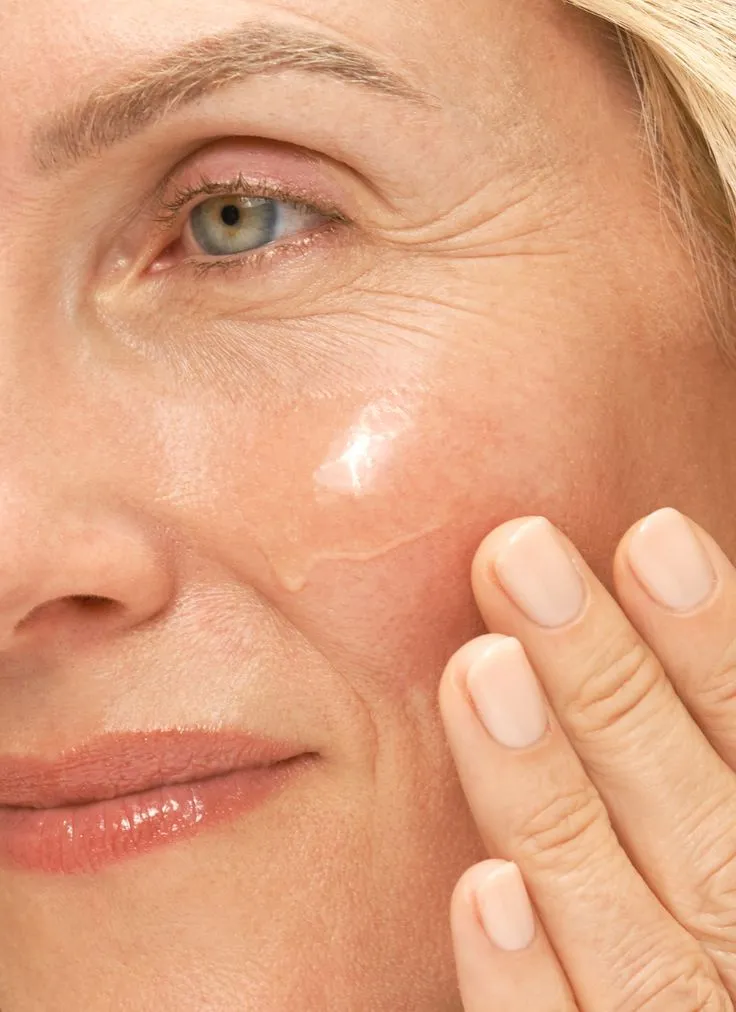
Is sleeping with skincare on overnight always good?
1. The Idea Behind Overnight Skincare
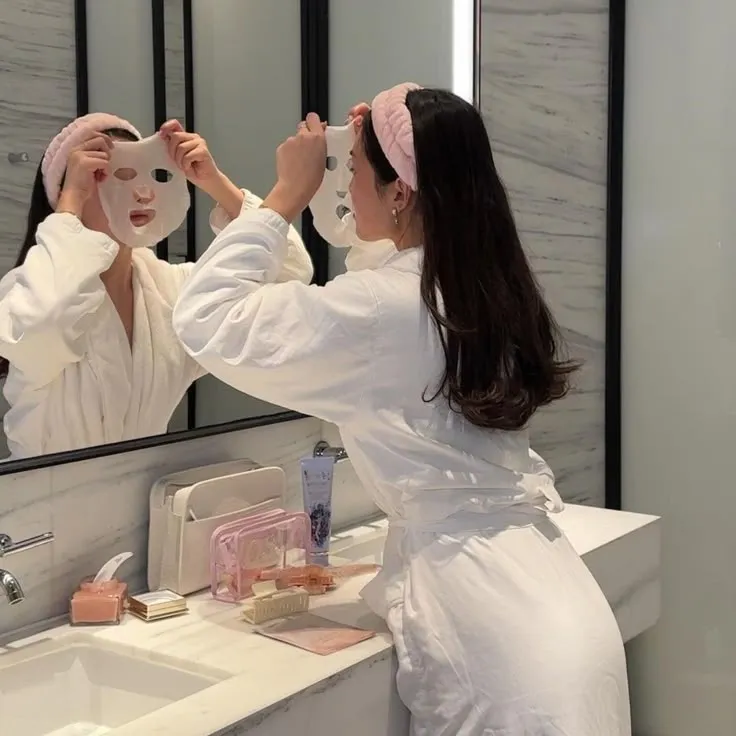
Sleeping with skincare on is often seen as beneficial because nighttime is when your skin repairs itself. During sleep, your body increases blood flow to the skin, allowing it to heal and regenerate. Applying nourishing products like moisturizers, serums, or sleeping masks can help support this natural repair process by locking in hydration and delivering active ingredients when your skin is most receptive. That’s why many night creams and overnight masks are formulated to work while you rest.
2. When It Can Actually Backfire
However, not all skincare products are meant to stay on overnight. Heavy creams or thick layers of multiple serums can clog pores, especially if you have oily or acne-prone skin. Some active ingredients like retinol, exfoliating acids (AHAs/BHAs), or vitamin C can also cause irritation if overused or layered incorrectly before bed. Leaving makeup, sunscreen, or the day’s dirt under your skincare can make matters worse, leading to breakouts, dullness, or even inflammation. So, “more overnight” doesn’t always mean “better.”
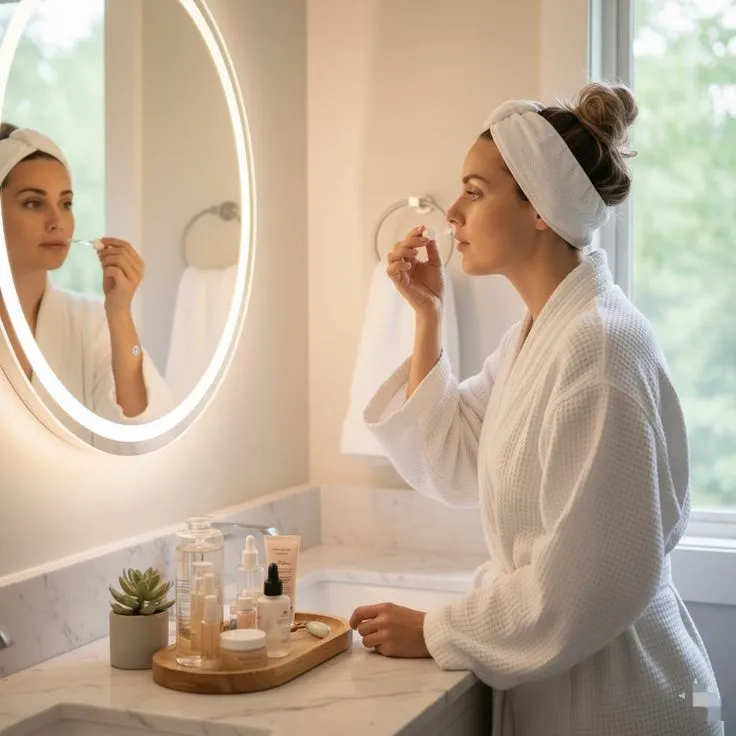
3. The Importance of Choosing the Right Products
If you want to sleep with skincare on, focus on products that are safe and intended for overnight use. Look for non-comedogenic, fragrance-free formulas that hydrate and soothe rather than exfoliate. Ingredients like hyaluronic acid, ceramides, niacinamide, or peptides are ideal for night use because they strengthen the skin barrier without causing irritation. Always cleanse your face properly before applying anything clean skin ensures your night products can truly work their magic.
4. Finding the Balance for Your Skin Type
The key is balance. Sleeping with skincare on can be amazing when done right but it’s not about layering ten products; it’s about giving your skin what it actually needs overnight. For dry skin, richer moisturizers or sleeping masks can help replenish moisture. For oily or sensitive skin, a light hydrating gel might be enough. Always observe how your skin reacts in the morning if it feels greasy, irritated, or congested, your routine might need adjusting. Ultimately, your skin should wake up refreshed, not suffocated.
How do I know if my skin needs a break?
1. Listen to What Your Skin Is Telling You
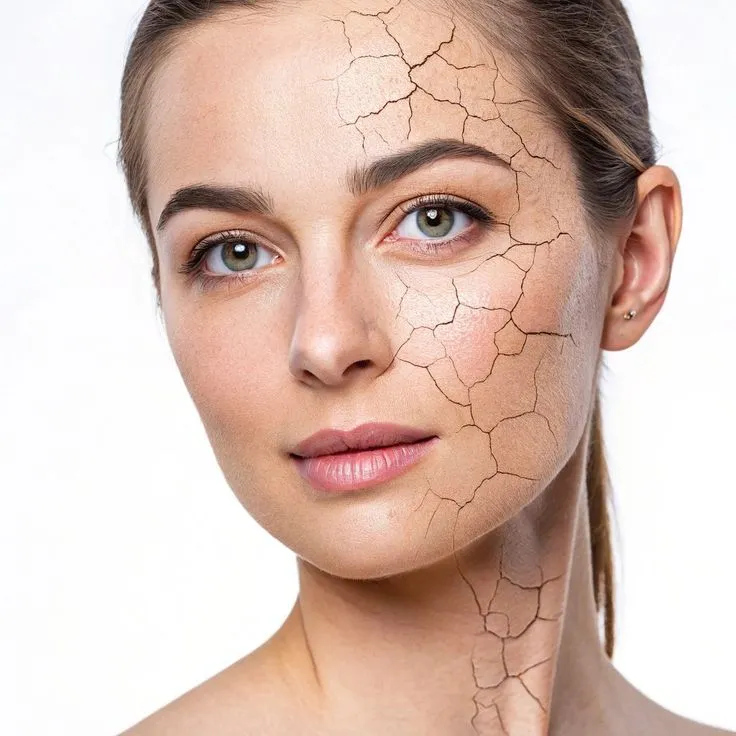
Your skin often gives clear signals when it’s overwhelmed you just have to notice them. If your usual products suddenly start stinging, your skin feels unusually tight, or you notice redness and flakiness, it’s a sign your skin barrier might be compromised. Breakouts, dullness, and increased sensitivity to sunlight or new products are also indicators that your skin is stressed. These symptoms suggest it’s time to pause and simplify your routine instead of adding more treatments or actives.
2. Over-Exfoliation and Product Overload
One of the most common reasons skin needs a break is product overload. Exfoliating acids, retinoids, and vitamin C serums can work wonders individually, but when layered excessively, they can strip the skin’s natural oils and weaken its barrier. This leads to dryness, irritation, and sometimes even small rashes. When your skin starts reacting this way, it’s best to stop using all actives for a few days and stick to a gentle cleanser, hydrating moisturizer, and sunscreen allowing your skin to restore its balance.
3. Understanding Skin Fatigue
Just like your body, your skin can experience fatigue from constant exposure to heavy routines or frequent product changes. When skin fatigue sets in, your complexion may appear dull, and even your favorite products seem less effective. This happens when the skin’s ability to absorb and respond to ingredients slows down. Taking a break meaning using only minimal, soothing products gives your skin the rest it needs to rebuild its strength and return to a healthy, natural glow.
4. How to Give Your Skin a Healthy Reset
If you suspect your skin needs a break, simplify your skincare to the basics: a mild cleanser, a lightweight moisturizer, and sunscreen during the day. Avoid exfoliants, peels, and active serums for about a week. Focus on hydration both through moisturizers and by drinking water and get enough sleep to help your skin recover from within. Once your skin feels calm and looks more even, you can slowly reintroduce actives one at a time. Remember, a good skincare routine isn’t about how many products you use it’s about how well you listen to your skin’s needs.