How to Stop Hair Loss After Pregnancy: Postpartum Hair Fall Guide
You survived nine months of pregnancy, labour, delivery and now your hair is falling out in handfuls. In the shower, on your pillow, caught in the baby's fingers. It is alarming, and it is happening at the exact moment you have the least energy to deal with it. Here is the reassurance you need first: postpartum hair loss is completely normal. It affects up to 50% of new mothers and has a name, telogen effluvium. It is caused by a hormonal shift that begins the moment your baby is born, and for the vast majority of women, it resolves on its own within 6-12 months. This guide explains exactly why pregnancy hair loss happens, when it peaks, what you can do to support recovery, which nutrients matter most, and when the shedding warrants a closer look from a dermatologist. Written for new mothers, not medical textbooks.
Dr. Radhika Barde
M.B.B.S, DCH, DDV, FAD
Why Do You Lose Hair After Pregnancy?
The Estrogen Drop Explained
During pregnancy, oestrogen levels rise dramatically and one of the side effects is that your hair stays in its growth phase (anagen) far longer than usual. Fewer hairs shed, more hairs stay. Many women enjoy unusually thick, lush hair during pregnancy for exactly this reason.
Then you give birth. Oestrogen levels drop sharply, sometimes by more than 90% in the first 24 hours. This sudden hormonal withdrawal sends a large number of hair follicles simultaneously into the resting phase (telogen). Two to four months later, all of those resting hairs begin to shed at once. That sudden mass shedding is what makes hair loss after pregnancy feel so shocking.
What Is Telogen Effluvium?
Telogen effluvium is the clinical term for diffuse hair shedding triggered by a major physiological event in this case, childbirth. It is not a disease, and it does not mean anything is wrong. The follicles are not damaged. They have simply been pushed into the resting phase ahead of schedule.
The key distinction from other types of hair loss: telogen effluvium causes even, all-over shedding, not patchy or concentrated loss. Hair comes out from everywhere: temples, crown, parting, nape of neck. If you are seeing patches of bare scalp or significant thinning in one specific area, that warrants a different investigation.
Does Breastfeeding Make Hair Loss Worse?
This is one of the most common questions new mothers ask and the honest answer is: not significantly. Breastfeeding does keep prolactin elevated and oestrogen lower for longer, which can extend the window of hair shedding slightly. But the shedding itself is primarily driven by the post-delivery oestrogen drop, not by breastfeeding.
More relevant to breastfeeding mothers: the nutritional demands of producing milk are high. If your diet is not meeting those demands particularly for iron, protein, zinc, and Vitamin D nutrient depletion can layer on top of telogen effluvium and worsen the overall shedding. Getting your nutrition right is especially important if you are breastfeeding and trying to stop hair loss after pregnancy.
Elegance inYour Inbox
Join our curated circle and get 10% OFF on your first visit. Receive medical-grade insights, seasonal trends, and early access.
When Does Postpartum Hair Loss Start and Stop?
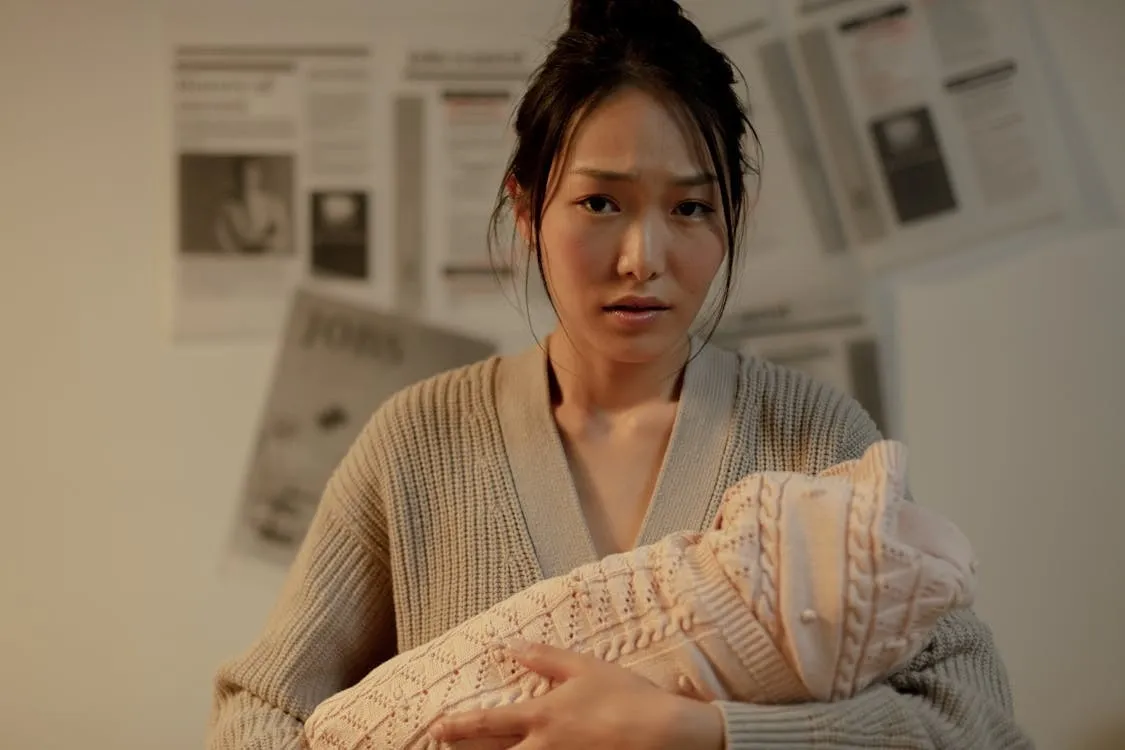
Understanding the typical timeline helps enormously because knowing what phase you are in makes it far less frightening.
Months 1-2 after delivery: The hormonal shift has happened, but shedding has not yet started visibly. Follicles are transitioning silently into the resting phase.
Months 2-4: Shedding begins. You start noticing more hair than usual on your pillow, in the shower drain, and on your hairbrush. This early-stage pregnancy hair loss is unsettling but entirely normal.
Months 4-5 (peak): The heaviest shedding. This is the phase most women describe as alarming. You may lose 300-500 strands per day versus the normal 50-100. Your hair may feel noticeably thinner.
Months 5-6: Shedding begins to slow. The worst is behind you. Follicles start transitioning back into the growth phase.
Months 7-12: Baby hairs appear short, fine regrowth along the hairline and parting. Hair density gradually improves. Most women see substantial recovery within this window.
Beyond 12 months: Persistent shedding or no visible regrowth after month 9-10 warrants investigation. Thyroid dysfunction, iron deficiency, or other overlapping causes should be ruled out.
How to Stop Hair Loss After Pregnancy Naturally
Postpartum telogen effluvium will resolve on its own but how well your hair recovers, and how quickly, depends significantly on how well you support your body during that window. These are the highest-impact steps to stop hair fall after pregnancy and improve recovery speed:
Scalp Massage
Regular scalp massage increases blood circulation to the hair follicles, delivering more oxygen and nutrients to recovering roots. Use your fingertips (or a silicone scalp massager) and work in small circular motions for 5-10 minutes, 3-4 times a week. You can do this dry or with a carrier oil like coconut or castor oil.
Avoid Mechanical Damage
Postpartum hair is in a fragile transition state physically stressing it accelerates breakage on top of natural shedding. Avoid tight ponytails, buns, and braids. Skip heat styling tools where possible. Use a wide-tooth comb on wet hair, starting from the ends and working upward.
Switch to a Gentle Shampoo
Sulphate-based shampoos strip the scalp's natural oils and can increase the appearance of thinning. Switch to a sulphate-free, volumising shampoo during the postpartum period. Wash 2-3 times a week rather than daily to reduce mechanical stress from washing and detangling.
Manage Stress and Prioritise Sleep
Elevated cortisol from chronic stress pushes additional follicles into the resting phase compounding the hormonal shedding already happening. New-mother burnout is real and it has a measurable impact on hair loss. Sleep when the baby sleeps where possible. Ask for help. Even short rest periods reduce cortisol meaningfully.
If shedding continues past 12 months or feels excessive, treatments like PRP therapy can help restart follicle activity safely. In some cases, newer options such as follicular stem cell therapy (FSCT) may also be considered under specialist guidance. Radiance Clinic offers postpartum hair loss consultations tailored to new mothers.
Best Postpartum Diet and Supplements for Hair Regrowth
Nutrients That Matter Most After Delivery
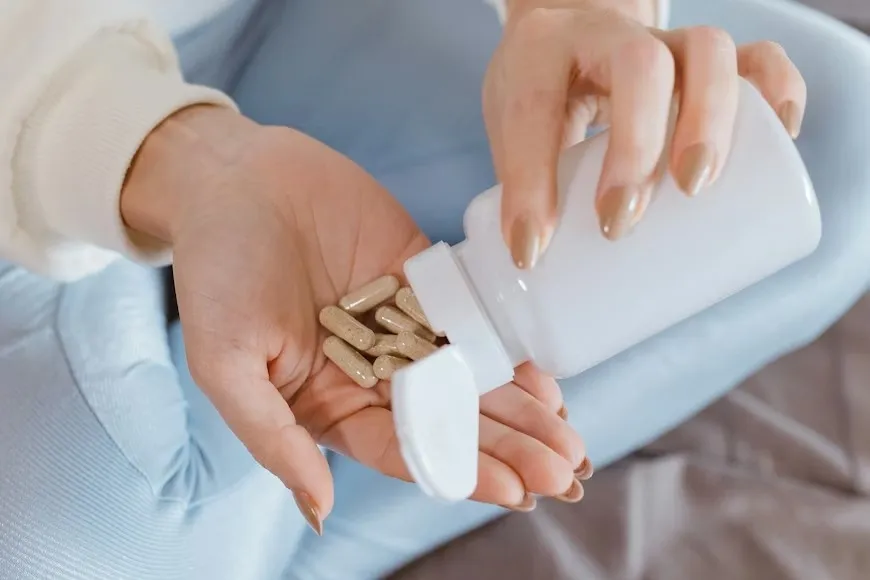
Childbirth is physically depleting. Blood loss during delivery reduces iron stores rapidly. Breastfeeding draws heavily on your nutritional reserves. Supporting hair regrowth means restocking the specific nutrients your follicles need to re-enter the growth phase:
Iron and Ferritin: Blood loss during delivery is the most common cause of post-delivery iron depletion. Low ferritin (below 40 ng/mL) is independently linked to hair shedding and a level that your GP flags as 'normal' may not be adequate for hair recovery. Ask specifically for serum ferritin, not just haemoglobin.
Protein: Your body is simultaneously recovering from delivery and (if breastfeeding) producing milk, two protein-heavy processes. Hair is made of keratin, a protein, and without adequate daily intake, follicles have limited building material for new growth. Target 1.2-1.6g per kilogram of body weight.
Biotin: Biotin supports keratin synthesis and overall follicle health. It is found in eggs, nuts, and seeds, and is available as a supplement. It will not stop telogen effluvium shedding, but it supports the quality of new growth.
Omega-3 Fatty Acids: Anti-inflammatory and important for scalp health and sebum production. Oily fish (salmon, mackerel, sardines), walnuts, and flaxseeds are excellent sources. Omega-3 supplements are considered safe during breastfeeding.
Zinc: Plays a role in follicle repair, hormone regulation, and immune function. Low zinc is associated with hair thinning. Sources include pumpkin seeds, chickpeas, lentils, and eggs.
Vitamin D: Frequently deficient postpartum and low Vitamin D is directly linked to hair follicle dysfunction. Sun exposure alone is rarely sufficient during recovery. A supplement of 1,000-2,000 IU daily is commonly recommended, but test first.
Safe Supplements While Breastfeeding
Most postnatal multivitamins are formulated to be safe during breastfeeding but not all individual supplements are. As a general guide:
- Safe: Iron (with doctor guidance), Biotin, Omega-3 (from algae or fish oil), Vitamin D, Zinc (within recommended doses), Myo-inositol
- Use with caution: High-dose single nutrients excess of any individual vitamin can have unintended effects
- Always inform your doctor or dermatologist before starting any new supplement while breastfeeding
Foods to Prioritise
- Spinach, kale, and leafy greens: iron, folate, Vitamin C
- Eggs: biotin, protein, Vitamin D, iron
- Lentils and chickpeas: iron, zinc, protein, fibre
- Fatty fish (salmon, sardines, mackerel): Omega-3, Vitamin D, protein
- Nuts and seeds (pumpkin seeds, walnuts, sunflower seeds): zinc, Omega-3, Vitamin E
- Paneer and tofu: protein, calcium, zinc
- Amla and citrus fruits: Vitamin C (enhances iron absorption)
- Iron levels low after delivery? Read: How Long Do Iron Tablets Take to Stop Hair Loss?
Postpartum Hair Care Routine to Minimise Breakage

While you cannot stop telogen effluvium shedding from happening, you can significantly reduce how much additional hair breaks off through handling which makes the thinning look far less dramatic.
- Wash frequency: 2-3 times a week is ideal. Daily washing increases the amount of handling and detangling, which causes more mechanical breakage on top of natural shedding.
- Detangling: Always detangle wet hair with a wide-tooth comb. Start from the tips and work upward gradually to avoid snapping strands at the root.
- Drying: Pat dry rather than rubbing with a towel. If using a hairdryer, use the cool or low-heat setting and keep the dryer moving.
- Styling: Loose styles reduce traction. If you must tie your hair, use a silk or satin scrunchie rather than tight elastics.
- Haircuts: A trim or a slightly shorter style during postpartum shedding can make hair look fuller and reduce visible thinning at the ends. Many new mothers find this gives them a sense of control during an otherwise frustrating phase.
- Scalp care: Use a gentle, sulphate-free shampoo and a lightweight conditioner on the lengths, not the scalp, to avoid weighing hair down.
What to Expect Month by Month
One of the most helpful things you can do during postpartum hair loss is track your timeline. Knowing that peak shedding is temporary and that baby hairs are a specific, predictable milestone makes it easier to stay calm and consistent.
Months 1-2: Shedding begins. More hair than usual on the pillow and in the shower. This phase starts 6-12 weeks after delivery as resting follicles begin to shed. Unsettling but entirely expected.
Months 3-4: Peak shedding. This is the hardest phase emotionally. Clumps in the shower drain, visible thinning at the temples and crown. Hold steady the peak means the end is in sight.
Months 5-6: Shedding slows noticeably. Fewer strands per day. The follicles that are recovering begin entering the growth phase. The worst is behind you.
Months 7-12: Baby hairs appear along the hairline and parting. Short, fine, slightly frizzy regrowth unmistakable signs of recovery. Hair density gradually improves. Most women see substantial recovery within this window with consistent nutrition.
Beyond 12 months: Persistent heavy shedding or no visible regrowth by month 9-10 is a signal to investigate further. This is no longer classic telogen effluvium, something else is likely contributing.
When to See a Doctor
Warning Signs
- Shedding lasting beyond 12 months without significant reduction
- Patchy or uneven hair loss bald spots or clearly defined areas of thinning (suggests alopecia areata rather than telogen effluvium)
- Hair loss accompanied by fatigue, unexpected weight changes, low mood, cold sensitivity, or brain fog, these are thyroid warning signs
- No visible regrowth (baby hairs) by month 9-10 despite adequate nutrition
- Hair loss worsening rather than improving after month 5
Tests to Ask For
If you are concerned, ask your dermatologist or GP to run the following blood tests:
- Serum Ferritin: the most important test for postpartum iron-related hair loss; ask for this specifically, not just haemoglobin
- Thyroid Panel (TSH, free T3, free T4): postpartum thyroiditis affects 5-10% of new mothers and causes both hair loss and fatigue
- Vitamin D: frequently depleted postpartum and independently linked to follicle dysfunction
- Fasting Insulin and Blood Glucose: if PCOS or insulin resistance is suspected alongside postpartum loss
- CBC (Complete Blood Count): overall blood health, anaemia assessment
Thyroid suspected? Read: How to Stop Thyroid Hair Loss
At Radiance Clinic, Nagpur, postpartum hair loss is one of the most common concerns we treat. A proper diagnosis including ferritin, thyroid, and Vitamin D rules out overlapping causes before any treatment is recommended. Our team, led by Dr. Nitin Barde, builds postpartum treatment plans around your specific blood work and recovery stage.
If Postpartum Hair Loss Has Persisted Beyond 12 Months: Consider FSCT
For most new mothers, postpartum hair loss resolves completely within 12 months. But for women whose shedding continues past that point especially with optimised ferritin, Vitamin D, and nutrition the follicles themselves may need direct support to restart the growth cycle.
Follicular Stem Cell Therapy (FSCT) is an advanced, non-surgical treatment that uses stem cells derived from your own follicles to reactivate dormant hair roots and stimulate new growth. FSCT is not a first-line treatment for postpartum hair loss; the vast majority of cases resolve naturally. But for those whose hair has not recovered despite correct management, it offers a targeted clinical option.
Who should consider FSCT after postpartum hair loss?
- Women whose shedding has continued for 12+ months with no significant improvement despite adequate nutrition and ferritin levels
- Those with visible, persistent thinning at the crown or temples where baby hair regrowth has been minimal
- Women in whom thyroid dysfunction and iron deficiency have been ruled out as contributing causes
FSCT is available at Radiance Skin Antiaging and Hair Transplant Clinic under the guidance of Dr. Nitin Barde. A consultation includes a detailed scalp assessment and blood work to confirm whether you are a suitable candidate before any treatment is recommended.
Frequently Asked Questions About Postpartum Hair Loss
Q: Is postpartum hair loss normal?
A: Yes, it affects up to 50% of new mothers. It is called telogen effluvium and is caused by the sharp drop in oestrogen levels after delivery. It is temporary, does not indicate a health problem, and in most cases resolves completely within 6-12 months.
Q: How long does postpartum hair loss last?
A: Shedding typically starts 2-4 months after delivery, peaks around months 4-5, and reduces significantly by months 5-6. Most women see clear regrowth by months 7-12. If shedding persists beyond 12 months, a dermatologist should investigate for overlapping causes.
Q: Does breastfeeding make postpartum hair loss worse?
A: Breastfeeding is not the primary cause of postpartum hair loss; the oestrogen drop after delivery is. However, breastfeeding increases nutritional demands significantly. If iron, protein, zinc, or Vitamin D are depleted, this can prolong or worsen shedding. Maintaining excellent nutrition while breastfeeding is especially important.
Q: What is the fastest way to stop hair loss after pregnancy?
A: There is no way to stop telogen effluvium shedding before its natural course but you can support faster recovery. Restore iron and ferritin to optimal levels (above 70 ng/mL), eat adequate protein, take a postnatal vitamin including Vitamin D and zinc, reduce heat and mechanical stress on hair, and manage cortisol through rest. If shedding is severe, PRP therapy at a dermatology clinic can accelerate follicle recovery.
Q: Which supplements are safe for hair loss while breastfeeding?
A: Postnatal multivitamins, Vitamin D (1,000-2,000 IU), Omega-3 fatty acids (algae or fish oil), Biotin, and Zinc (within daily limits) are generally considered safe while breastfeeding. Iron supplements should be taken based on ferritin testing results, not assumed. Always inform your doctor before starting any new supplement.
Q: Will my hair go back to normal after postpartum hair loss?
A: Yes, for the vast majority of women. Pregnancy hair loss from telogen effluvium is temporary and fully reversible. Hair density typically returns to pre-pregnancy levels within 12 months. If hair texture seems different, slightly wavier, drier, or thinner overall this can happen due to hormonal shifts and usually also normalises over time.
Find Your Specific Hair Loss Cause
Not sure if your hair loss is purely postpartum? These guides cover the other most common hormonal causes:
Not postpartum? Read our guide on: How to Stop Hair Loss and Regrow Hair Naturally
Final Thoughts
Postpartum hair loss is temporary for the vast majority of women and understanding that changes everything. Knowing that you are not going bald, that your follicles are intact, and that baby hairs will appear around months 5-7 makes it possible to stay calm and consistent rather than spiralling.
Nutrition and gentle hair care go a long way during recovery. Restoring ferritin, eating adequate protein, taking a quality postnatal vitamin, reducing physical stress on hair, and managing cortisol through rest are the highest-leverage actions you can take. They will not stop the shedding overnight, but they will shorten recovery time and improve the quality of the hair that grows back.
If shedding is dragging past a year, or it is accompanied by fatigue, mood changes, or weight fluctuations, something else is likely in play. Thyroid dysfunction and iron deficiency are the most common culprits, and both are easily identified with targeted blood tests.
You have just been through one of the biggest physical events of your life. If your hair is not recovering the way you expected, getting a proper check-up is the kindest thing you can do for yourself. At Radiance Clinic, our dermatologists specialise in postpartum hair loss building treatment plans around your hormones, nutrition, and recovery stage. You deserve answers, not guesswork. Book Your Hair Loss Consultation at Radiance Clinic
Not Sure What’s Causing Your Hair Loss?
The earlier you identify the cause, the easier it is to treat.
Get a personalized diagnosis and expert guidance tailored to your condition.
Book a consultation with Radiance Clinic to get 10% of with promocode HAIRLOSS10
Key Takeaways (Summary)
- Postpartum hair loss (telogen effluvium) affects up to 50% of new mothers and is completely normal
- It is caused by the sharp oestrogen drop after delivery, not by breastfeeding
- Peak shedding occurs around months 4–5; most women recover fully within 6–12 months
- Iron (specifically ferritin above 70 ng/mL), protein, Vitamin D, zinc, and Omega-3 are the key nutrients for recovery
- Breastfeeding mothers have higher nutritional demands good nutrition is especially critical
- Gentle hair care: sulphate-free shampoo, wide-tooth comb, loose styles, minimal heat
- If shedding persists beyond 12 months, test ferritin, thyroid, and Vitamin D before assuming it is 'just hormonal'
- PRP therapy or FSCT can help accelerate recovery for women with severe or prolonged shedding
- Postpartum hair loss is reversible consistency with nutrition and care leads to full recovery for most women