“From Clinic to Couch: The Rise of At-Home Light Therapy”
Skincare is no longer limited to creams and serums; smart light-based treatments and at-home devices are quickly becoming part of everyday beauty routines. Using gentle LED wavelengths, these tools aim to boost collagen, calm acne, and support skin healing without needles or downtime. As more people look for clinic-like results at home, light therapy masks, handheld LED wands, and multi-function gadgets are emerging as one of the biggest skin trends of 2025.

Dr Radhika Barde
M.B.B.S, DCH, DDV, FAD
What is light therapy for skin?
Light therapy for skin is a non‑invasive treatment that uses specific wavelengths of light to improve skin health, treat certain conditions, and support healing, without using heat or causing damage like traditional lasers. It is often called LED light therapy or photobiomodulation and is popular in both dermatology clinics and at‑home devices.In simple terms, light therapy works by delivering low‑energy light (usually red, blue, near‑infrared, or a combination) to the skin, where it is absorbed by molecules inside skin cells.
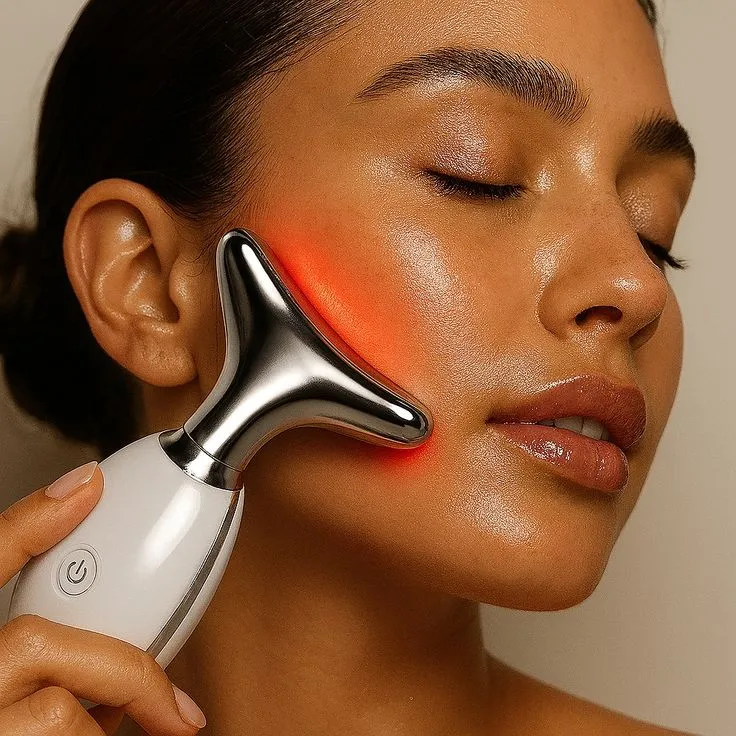
This light energy is then converted into cellular energy, which can help cells work better: for example, increasing collagen production, reducing inflammation, or targeting acne‑causing bacteria. Different colors have different jobs:
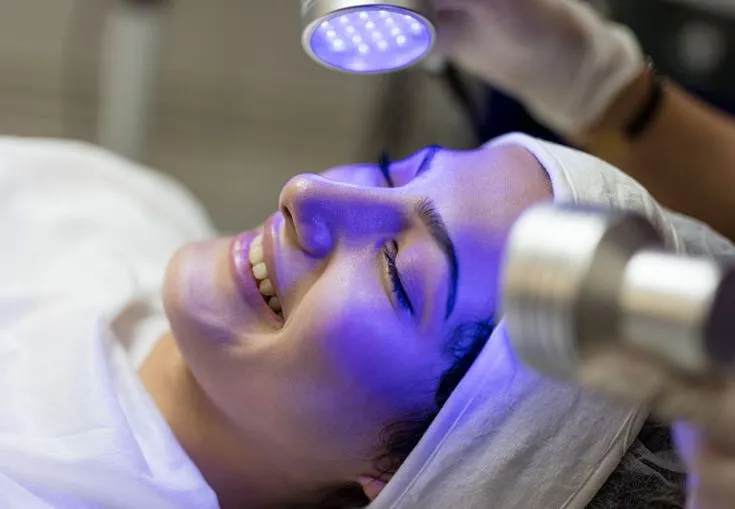
Blue light is mainly used for acne because it helps reduce the bacteria that contribute to breakouts.
Red and near‑infrared light penetrate deeper, where they can stimulate collagen and elastin, support wound healing, and calm redness or irritation.
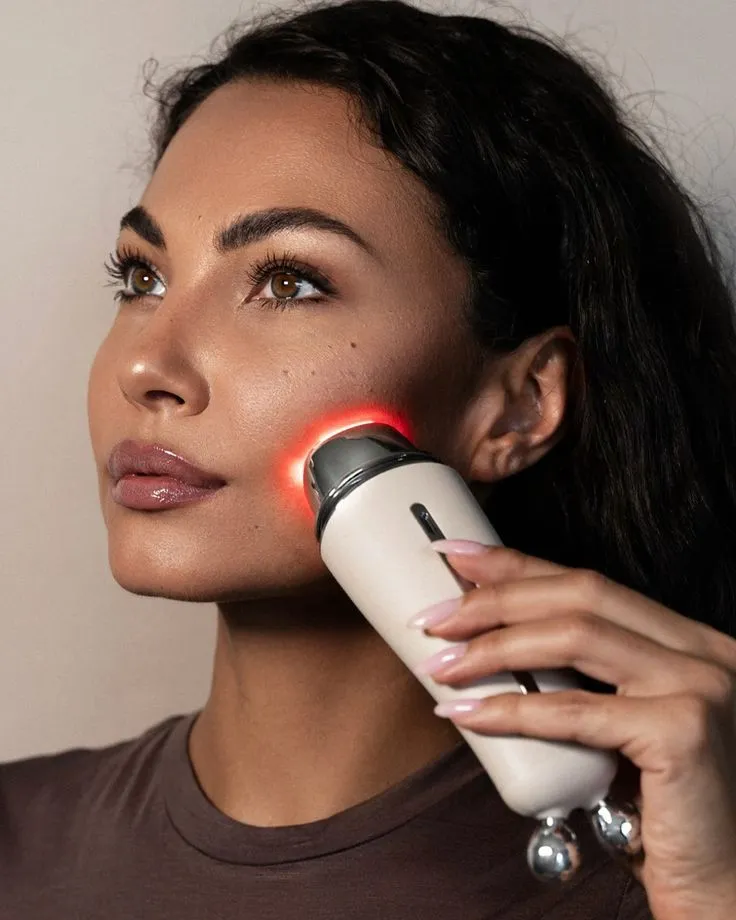
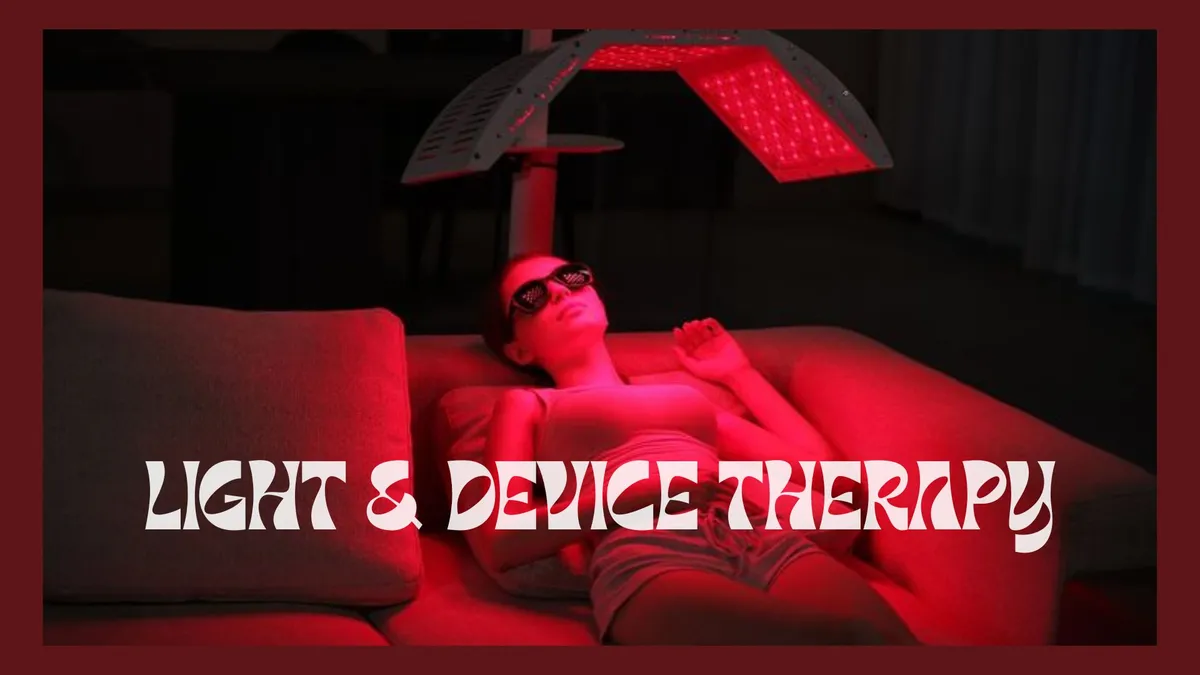
A typical session involves sitting or lying in front of an LED panel or wearing a mask for a set time (often 10–20 minutes), with eyes protected and skin clean. The light does not burn the skin and there is no downtime, but results usually appear gradually over several weeks of consistent use rather than instantly. It is generally considered safe for most skin types, although people who are very light‑sensitive, have certain medical conditions, or use photosensitizing medications should first check with a dermatologist.
How does LED light therapy work?
LED light therapy works by sending specific colors (wavelengths) of light into the skin, where that light is absorbed by cells and turned into usable energy, a process often called photobiomodulation. The light is low‑level and non‑heating, so it does not burn the skin; instead, it gently “nudges” cells to work better and repair themselves more efficiently.
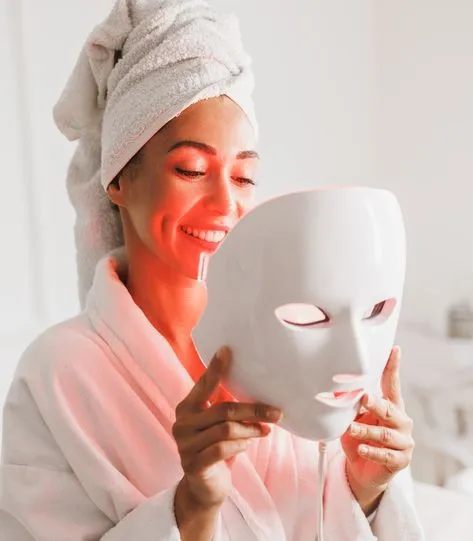
Here is what happens step by step:Light reaches target Cell san LED device emits controlled light in colors like blue, red, or near‑infrared.Each color has a different wavelength and penetrates to a different depth in the skin (blue stays more superficial, red and near‑infrared go deeper into the dermis where collagen and blood vessels are).Cellular “photoreceptors” absorb the Light inside skin cells, especially in the mitochondria (the cell’s energy centers), there are light‑sensitive molecules that can absorb this light.When these molecules absorb photons, it changes how the mitochondria work and temporarily boosts the cell’s energy production (more ATP).Boosted cell activity and Signal with more energy, cells carry out repair and renewal tasks more effectively, such as making more collagen and elastin, improving circulation, and speeding up turnover of damaged cells.Light exposure also affects signaling molecules and can reduce inflammatory mediators, which is why red and near‑infrared light are linked to calming redness and supporting healing.
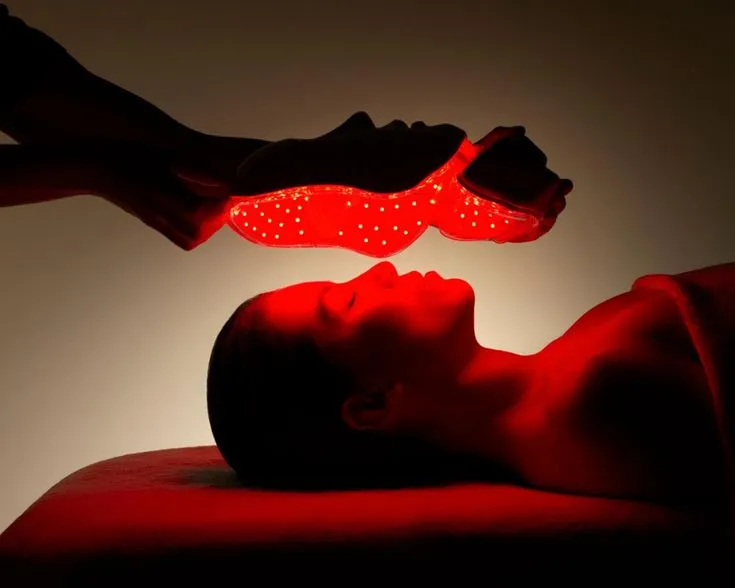
Different colors, different Effect blue light: Mainly targets acne by affecting acne‑causing bacteria and helping to reduce the number of inflammatory spots. Red light: Penetrates deeper, helping stimulate collagen, improve texture and fine lines, and reduce
inflammation.Near‑infrared light: Goes deepest, supporting wound healing, recovery after procedures, and deeper tissue repair.Cumulative, not instant, Results single session may give a temporary glow, but visible improvement in acne, fine lines, or redness typically needs repeated sessions over several weeks.Because the treatment is non‑ablative (does not damage the surface), there is no downtime; it works by gradually improving the way skin cells function rather than by removing or injuring tissue.
Is LED light therapy safe for all skin types?

LED light therapy is generally considered safe for all skin types and tones when used correctly, because it uses non‑UV, low‑level light that does not burn or intentionally damage the skin surface. It Dermatology and hospital sources note that it is non‑invasive, has a low risk of side effects, and can be used on sensitive or mature skin when protocols and device instructions are followed.

However, there are important exceptions and precautions. People taking photo sensitising medicines (for example, some acne drugs like isotretinoin), those with conditions triggered by light (such as lupus), active rashes, or a history of severe light sensitivity should speak to a doctor before using LED devices.

For darker skin tones, expert groups advise extra caution and professional guidance, because visible light, including red, can sometimes trigger hyperpigmentation if overused or used too close at high doses. Mild, short‑lived side effects like temporary redness, dryness, or tingling can occur, especially if sessions are too long or too frequent, or if low‑quality devices are used. To keep it as safe as possible for all skin types, users should: follow manufacturer timings and distances, avoid looking directly at the LEDs, start with shorter sessions, stop if irritation persists, and involve a dermatologist for darker skin tones or any medical skin condition.
What is the difference between clinic and at‑home devices?
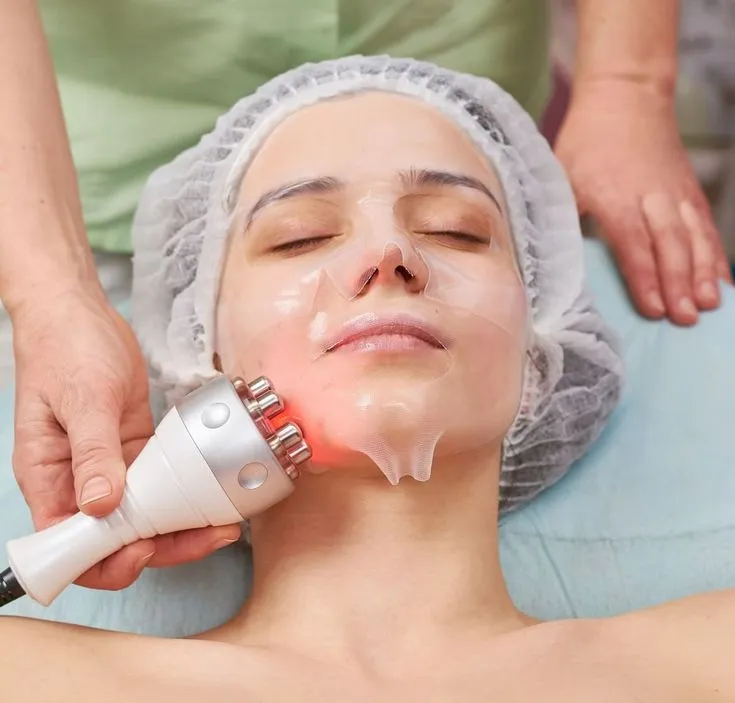
Clinic LED devices and at‑home LED devices work on the same basic principle, but they differ a lot in strength, speed of results, and level of supervision. Power and results Clinic LED systems are medical/aesthetic grade, with much higher power output (often around 40–150), more LEDs, and more precise wavelengths, so light penetrates deeper and you usually see faster, stronger results.
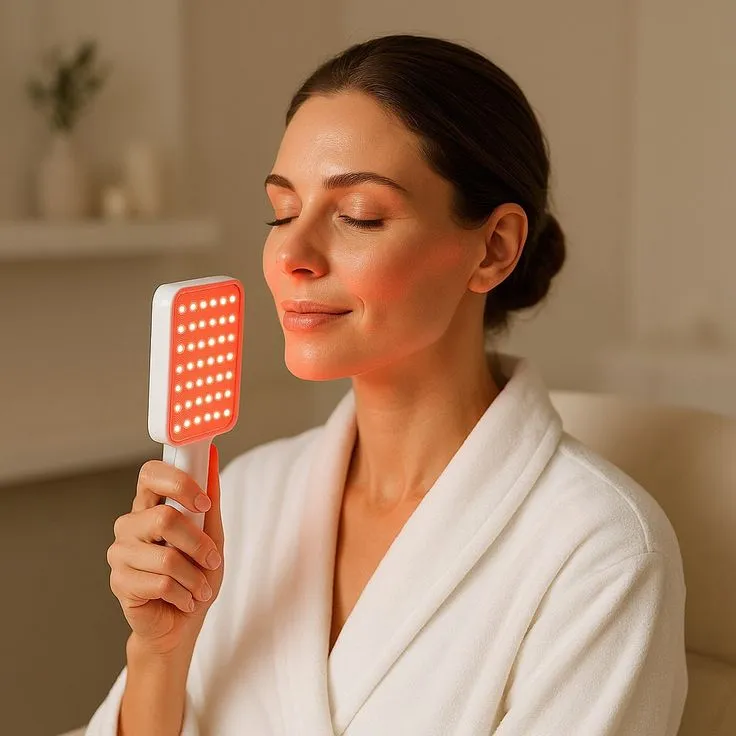
At‑home masks and wands use lower power for safety, so they are gentler but need more frequent and longer use to approach similar benefits, and results tend to be more subtle. Customization and super vision clinics, treatment is chosen and adjusted by trained professionals, who can tailor wavelength, intensity, and timing to your skin type, condition (acne, redness, aging), and medical history, and combine LED with peels, facials, or micro-needling when appropriate.

At home, you follow set programs built into the device, with less customization; dermatology sources suggest seeing a doctor first to confirm it is suitable and to set realistic expectations. Convenience, cost, and safety Clinic sessions cost more per visit but are spaced out and give quicker payoff; they are performed with eye protection and strict protocols to minimize risks. Home devices are a one‑time purchase and very convenient, but you must carefully follow instructions (time, distance, eye safety) and stop if you notice irritation, especially for sensitive or darker skin tones