Dermat suggested minimal HAIRCARE routine
Hairfall or dandruff bothering you lately? It might not be your shampoo’s fault — but your over-care! In the race to follow every new hair trend, we often end up doing too much — layering products, overwashing, and over-treating — all of which can actually damage your scalp and weaken your hair. Let’s uncover how your “perfect” haircare routine might secretly be the reason behind your hair troubles.

Dr Nitin Barde
M.B.B.S, M.D, FRGUHS
Is your haircare routine too complicated?
In today’s social media-driven world, everyone seems to be following multiple-step haircare routines — from pre-wash oils and scalp scrubs to layered serums and overnight masks. But what most people don’t realize is that more isn’t always better. Overloading your scalp and strands with too many products can disturb the natural balance of oils, leading to dryness, buildup, or even hair fall. Every product has its own purpose, but using them all at once can confuse your scalp rather than care for it.
A complicated haircare routine often starts with good intentions — wanting smooth, strong, and shiny hair. However, frequent product switching or layering incompatible ingredients can do the opposite. For example, using a clarifying shampoo too often may strip essential oils, while multiple serums can weigh the hair down and block follicles. This overload can also make it harder to identify what’s actually working for your hair, leaving you frustrated and your hair dull or frizzy.
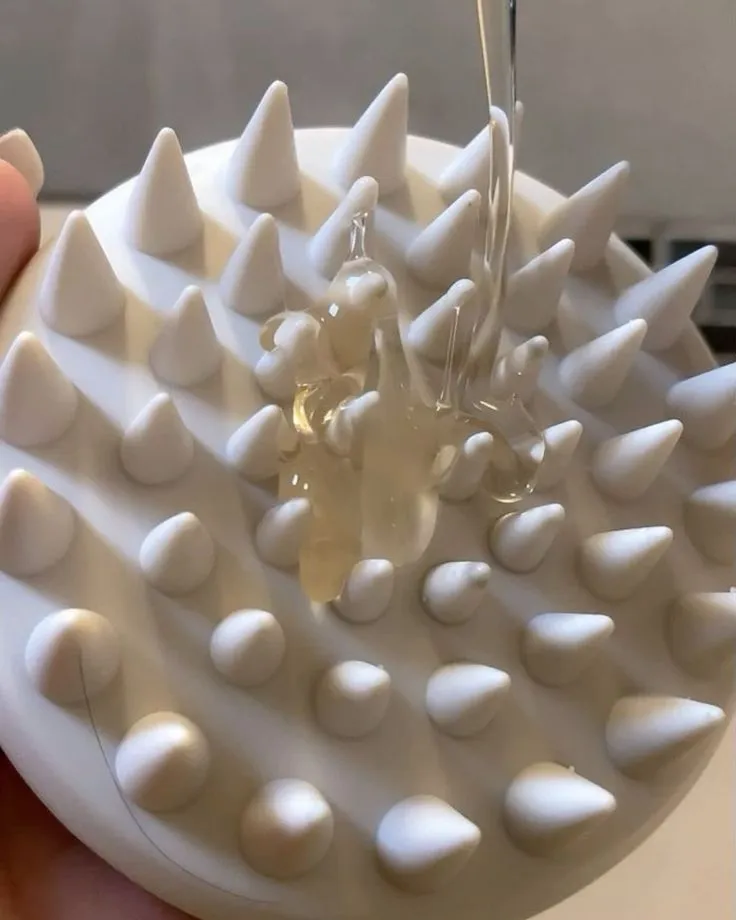
Dermatologists often emphasize that a minimal, consistent routine is the most effective one. A basic haircare plan usually includes three steps — cleansing with a mild shampoo, conditioning or using a hair mask for hydration, and applying a light serum or leave-in to protect the ends. Once your scalp and hair health are stable, you can add targeted treatments like anti-dandruff tonics or strengthening serums if needed. The key is to understand your hair type and choose products that meet its specific needs, not just what’s trending online.
So, if your bathroom shelf is overflowing with bottles and you still don’t see results, it might be time to simplify. Give your scalp a break and focus on consistency instead of complexity. Remember, healthy hair doesn’t need ten products — it needs the right three used the right way. Sometimes, less really is more when it comes to haircare.
Are you overwashing your hair?
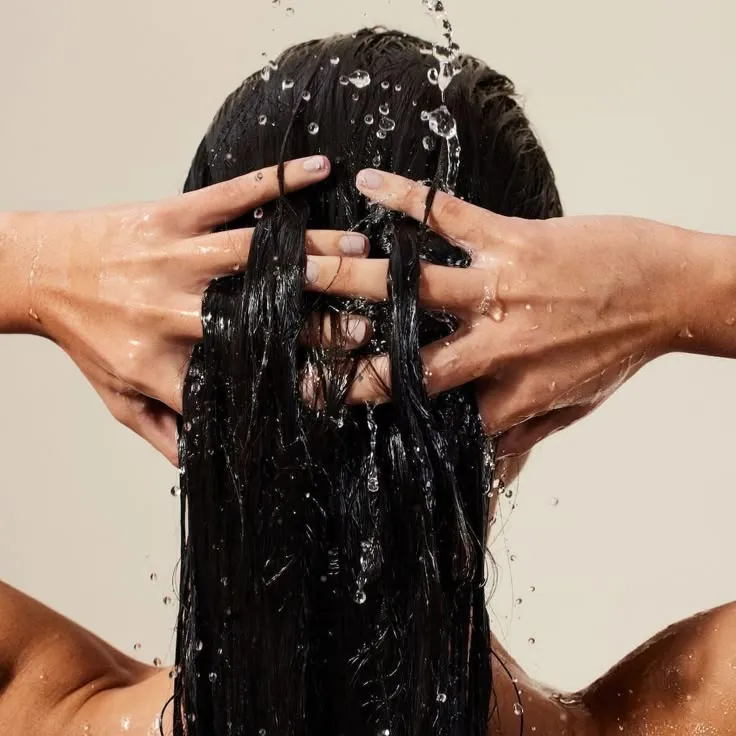
Many people believe that washing their hair every day keeps it clean, fresh, and healthy — but overwashing can actually do more harm than good. Your scalp naturally produces sebum, an oil that keeps hair moisturized and protected. When you wash too frequently, you strip away this natural oil, leading to dryness, frizz, and even scalp irritation. Over time, the scalp may react by producing even more oil to compensate, creating a frustrating cycle of greasy roots and dry ends.
The right hair-washing frequency depends on your scalp type and lifestyle. If you have an oily scalp or exercise regularly, you may need to wash more often — around 3–4 times a week. But for dry or curly hair types, washing two times a week is usually enough. Using a mild, dermat-approved shampoo can help maintain the scalp’s natural balance while still removing dirt and buildup effectively. It’s not about washing often, but washing smartly.
Dermatologists recommend focusing on scalp health rather than the number of washes. Instead of shampooing daily, you can refresh your hair using a scalp mist, dry shampoo, or even just rinsing with plain water between washes. Also, make sure you’re not using very hot water, as it can further dry out both your scalp and strands. Following up with a lightweight conditioner or serum can restore moisture and shine without overburdening the hair.
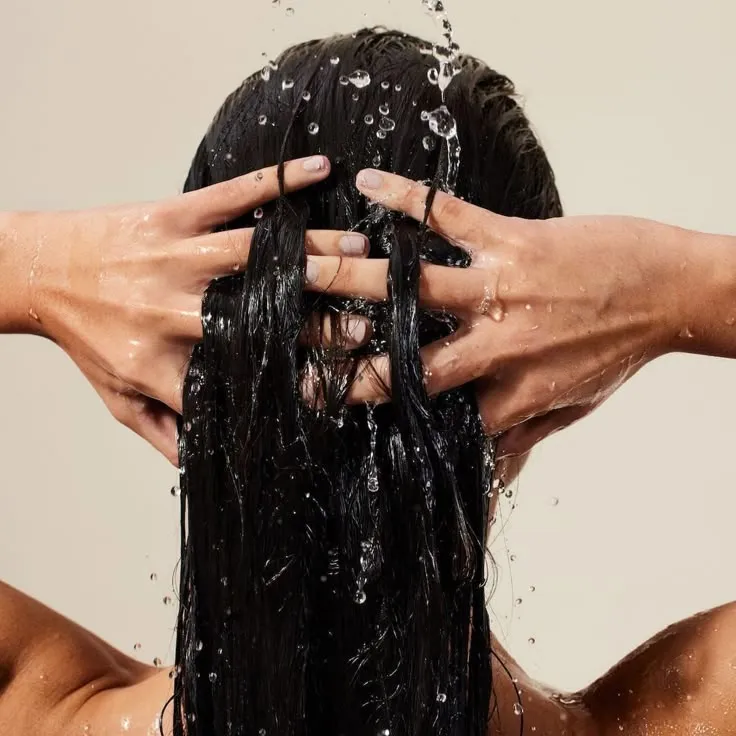
If your hair feels dull, frizzy, or lifeless despite frequent washing, it’s probably asking for a break. Try spacing out your washes and see how your scalp responds — you might be surprised at how much healthier your hair looks and feels. Sometimes, letting your natural oils do their job is the simplest form of haircare your scalp needs.
Shampoo or Hair Mask — Which One to Skip?
When it comes to haircare, most people are confused about what’s truly essential and what can be skipped — shampoo or hair mask? Both play different yet important roles, but skipping one completely can disturb your hair’s natural rhythm. Shampoo helps cleanse your scalp from oil, sweat, and dirt buildup, which is crucial for healthy follicles. Without it, your scalp can become clogged, leading to dandruff, itchiness, or even hair fall. However, using harsh shampoos too frequently can strip away moisture, making hair dry and brittle — that’s where the hair mask comes in.
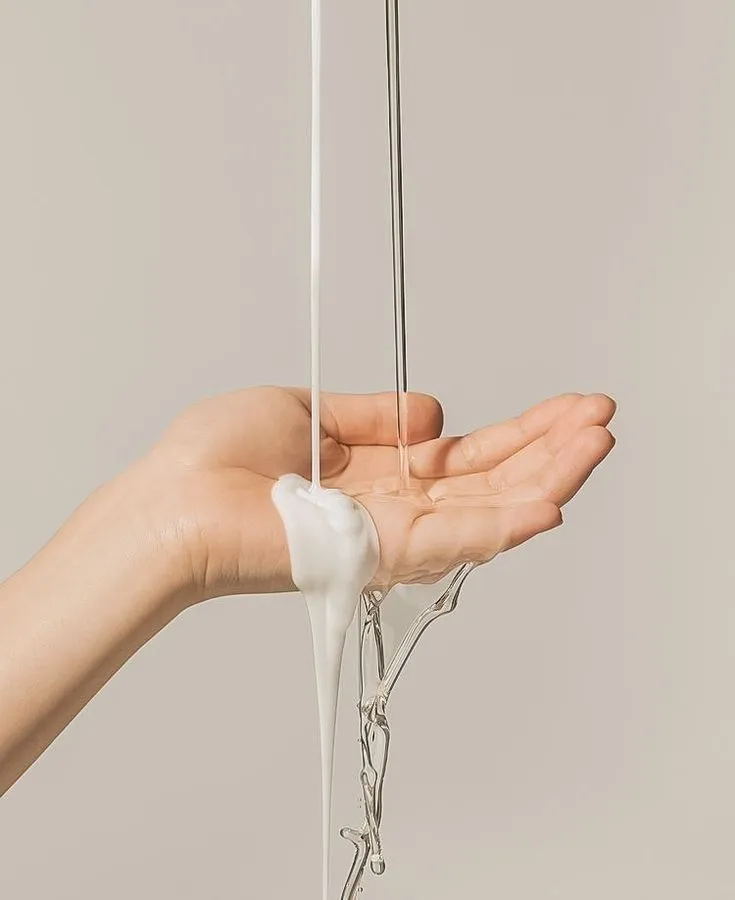
A hair mask is designed to deeply nourish and repair your strands. It’s richer than a regular conditioner and adds back hydration lost due to washing, styling, or environmental exposure. But using it too often or on the scalp can make your hair greasy and heavy. So, while you shouldn’t skip shampoo, you also don’t need a hair mask after every wash — once a week is enough for most hair types. The goal is balance, not excess.
Dermatologists suggest never skipping shampoo, but adjusting how often you use a mask depending on your hair’s condition. For oily or fine hair, a light conditioner might be better than a heavy mask. For dry, colored, or damaged hair, a weekly mask can make a noticeable difference in softness and shine. Always apply the mask from mid-length to ends — not the scalp — and rinse thoroughly to avoid buildup.
If your hair feels weighed down, sticky, or dull, you might be over-masking; if it feels rough and frizzy, you might be under-nourishing it. So, rather than choosing which one to skip entirely, learn to use both correctly. Shampoo keeps your scalp clean; a hair mask keeps your strands healthy. Together, they create the right foundation for manageable, beautiful hair.
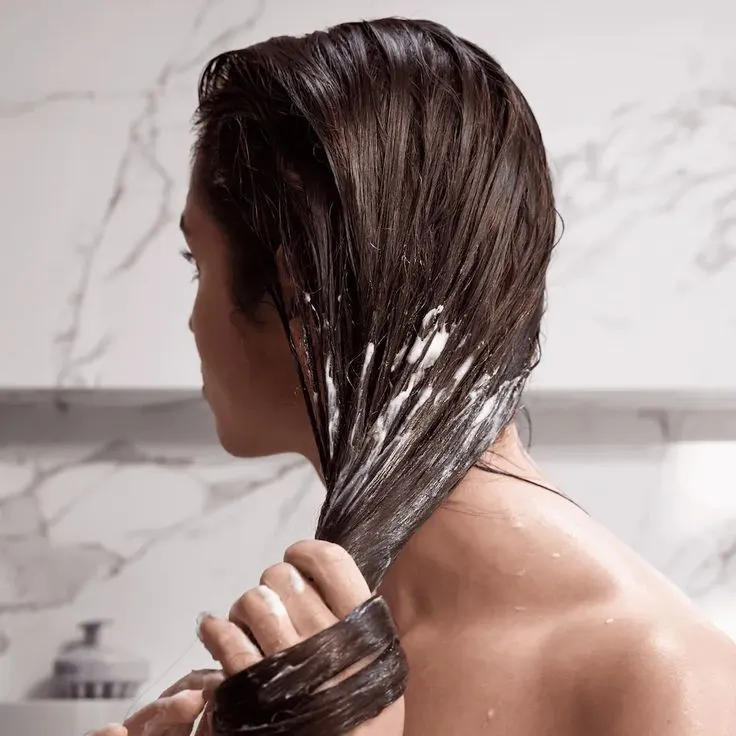
How often should you oil your hair, really?
Hair oiling has been a traditional go-to in most households — often seen as the ultimate solution for all hair problems. But in reality, the frequency and method of oiling depend heavily on your scalp type, lifestyle, and hair needs. While oiling can deeply nourish the strands and improve blood circulation in the scalp, doing it too often or leaving oil on for too long can clog pores, attract dirt, and even cause dandruff. So, the idea that “the more you oil, the better your hair” isn’t entirely true.
For most people, oiling once or twice a week is enough. If you have a dry scalp or frizzy hair, twice a week can help retain moisture and softness. But if your scalp is oily or prone to dandruff, oiling once every 7–10 days is ideal.

Dermatologists recommend applying a small amount of lightweight oil — like coconut, argan, or jojoba — only to the scalp and lengths, keeping it on for 1–2 hours before washing. Overnight oiling isn’t necessary for everyone and might even lead to blocked follicles or breakouts near the hairline.
It’s also important to remember that oiling is a pre-shampoo step, not a replacement for it. Always wash off the oil properly with a gentle, dermat-approved shampoo to avoid residue buildup. You can follow with a conditioner or serum for extra smoothness. Oiling is meant to nourish and protect the hair shaft, not suffocate the scalp — so moderation is key.

If your hair feels heavy, sticky, or limp even after washing, you might be over-oiling. On the other hand, if it looks dull and lacks shine, increasing oiling frequency slightly could help. The real trick is to listen to your scalp — not social media trends. When done in balance, oiling can truly restore your hair’s natural strength and glow.
What’s the biggest haircare mistake people make daily?
One of the most common yet overlooked mistakes people make in their daily haircare routine is not understanding their scalp and hair type. Many follow popular trends or influencer routines without realizing that what works for one person can harm another. Using the wrong products — like harsh shampoos on dry scalps or heavy serums on oily ones — can lead to imbalance, breakage, or dandruff. Haircare is not one-size-fits-all, and blindly copying others often does more damage than skipping products altogether.
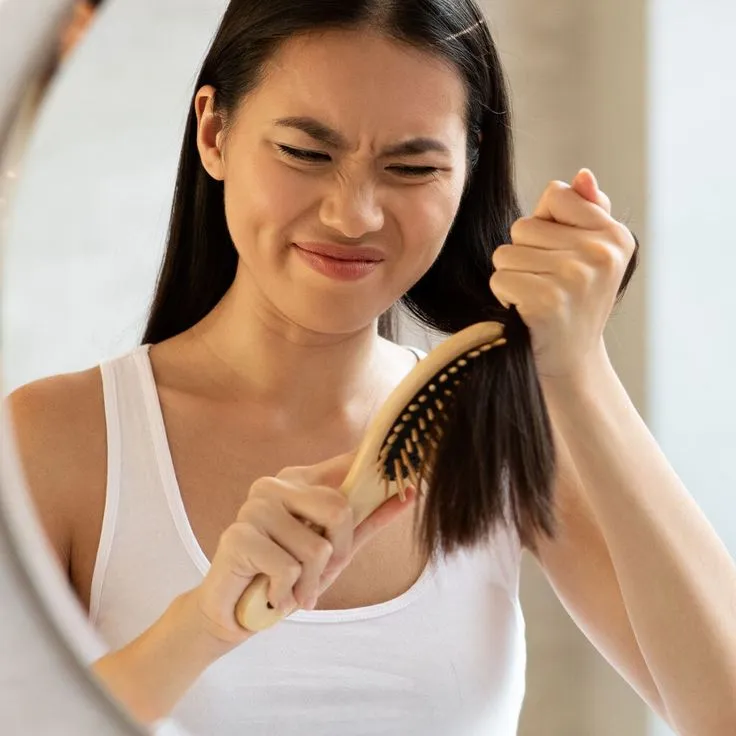
Another major mistake is overdoing everything — from washing and styling to oiling and product layering. Excessive use of heat tools, tight hairstyles, and chemical treatments weakens the hair shaft over time, leading to thinning and split ends. People often try to fix these issues by adding more products, not realizing they’re worsening the problem. Dermatologists emphasize that moderation and consistency matter more than quantity in any haircare routine.
Ignoring scalp health is another big misstep. The scalp is like the soil for your hair — if it’s not healthy, the strands can’t thrive. Skipping scalp cleansing, not rinsing shampoo properly, or using leftover conditioner on the roots can cause buildup and irritation. Simple habits, like massaging gently during shampoo or ensuring complete product removal, can make a noticeable difference in hair strength and shine.
Lastly, many underestimate the role of diet, stress, and hydration. Healthy hair starts from within — no amount of serums or oils can replace good nutrition and rest. The biggest daily haircare mistake, therefore, is treating hair problems only from the outside. When you care for both your scalp and your lifestyle, your hair naturally becomes stronger, shinier, and more resilient.
What does a dermat-approved minimal routine look like?
A dermat-approved minimal haircare routine focuses on simplicity, consistency, and understanding your scalp’s actual needs — not on following viral trends. Most people think they need multiple products to achieve healthy hair, but dermatologists emphasize that a few right steps done regularly are far more effective. The goal is to maintain a clean, balanced scalp and nourished hair strands without overloading them with unnecessary ingredients or treatments.

A basic, dermatologist-approved routine usually includes just three steps — shampoo, conditioner or hair mask, and serum. Shampoo helps cleanse dirt, oil, and buildup, which is essential for scalp hygiene. Choose a mild, sulfate-free shampoo that suits your scalp type — hydrating for dry hair, balancing for oily scalp, and strengthening for thinning hair. Next, use a conditioner or mask to add back lost moisture and softness, focusing on mid-lengths to ends instead of the scalp. This keeps hair manageable without greasiness.
The final step is applying a lightweight serum or leave-in protector. It helps lock in moisture, adds shine, and prevents frizz or breakage due to pollution, UV rays, or heat styling. Dermatologists also recommend limiting hair wash frequency to 2–3 times a week, avoiding hot water, and keeping styling tools at low to medium heat. These small, mindful habits keep hair healthier over the long term.
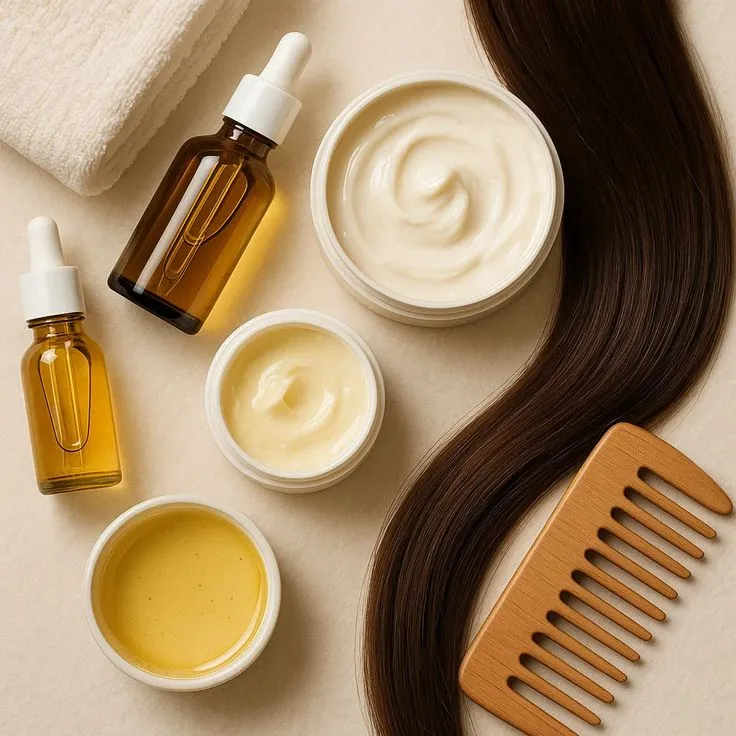
In short, a dermat-approved minimal routine is not about doing less — it’s about doing what truly matters. Cleanse your scalp properly, condition smartly, and protect your strands daily. This balanced approach helps maintain your hair’s natural strength and shine without the stress of complicated steps. Healthy hair doesn’t come from a shelf full of products — it comes from a routine that’s consistent, gentle, and made for you.