“Beauty Sleep: The Science Behind Overnight Skin and Hair Repair”
They don’t call it “beauty sleep” for nothing! While you sleep, your skin and hair go into repair mode — rebuilding cells, boosting collagen, and restoring shine. A good night’s rest can do more for your glow and hair health than any product on your shelf. Let’s uncover the science behind overnight skin and hair repair and how to make the most of your beauty sleep.

Dr Radhika Barde
M.B.B.S, DCH, DDV, FAD
What is BEAUTY SLEEP ?
What Is Beauty Sleep?
“Beauty sleep” isn’t just a phrase — it’s a biological process. During deep sleep, your body enters repair mode, producing growth hormones that help regenerate cells and tissues. This is when your skin creates new cells, replaces damaged ones, and restores its natural balance. In simple terms, beauty sleep refers to the hours of quality rest your body uses to heal and rejuvenate — both inside and out.
How Sleep Affects Your Skin
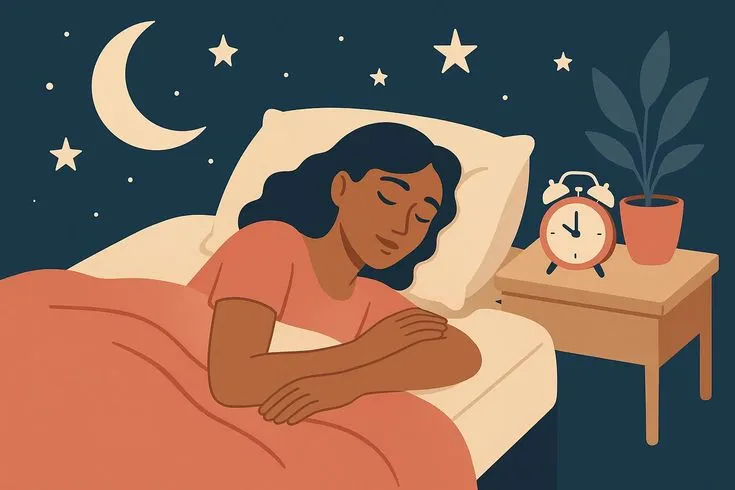
When you sleep, your skin’s blood flow increases, delivering oxygen and nutrients that help repair daily damage caused by UV rays, pollution, and stress. Collagen production also rises during deep sleep, reducing fine lines and keeping the skin firm and elastic. On the other hand, lack of sleep triggers stress hormones like cortisol, which can lead to dullness, breakouts, and premature aging.
How Sleep Impacts Your Hair
Your hair benefits from good sleep too. During rest, blood circulation improves, nourishing hair follicles with vital nutrients for growth and strength. Poor sleep can disrupt this process, leading to weaker strands, dryness, or even increased hair fall. In addition, sleep regulates hormones such as melatonin and cortisol, both of which influence the hair growth cycle.
Why Beauty Sleep Is Important
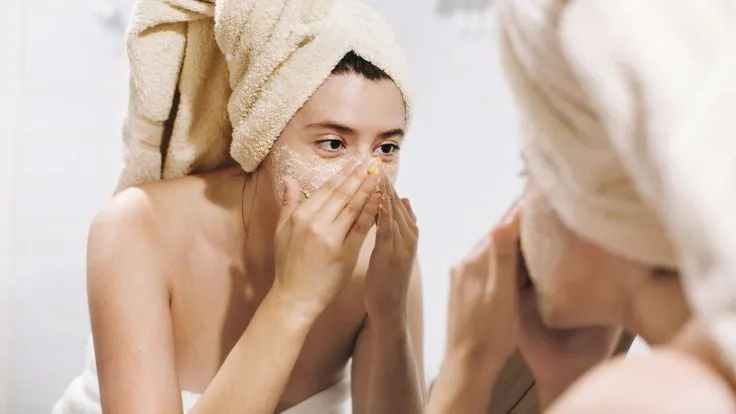
Getting 7–9 hours of quality sleep each night is one of the most natural and effective ways to maintain healthy skin and hair. It helps balance your body’s hydration, reduces puffiness, strengthens your immune system, and supports overall cellular repair. Simply put — your nightly rest is your body’s built-in beauty treatment, and skipping it can age you faster than you think.
Does poor sleep causes HAIRFALL ?
The Connection Between Sleep and Hair Health
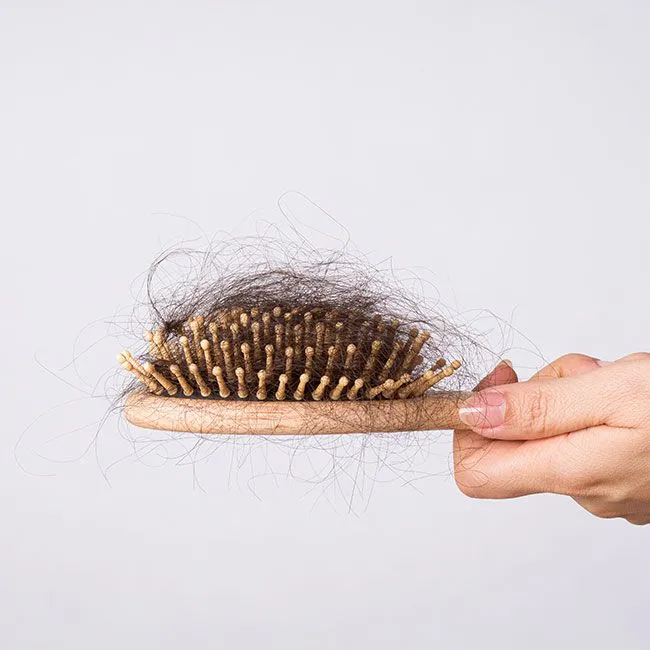
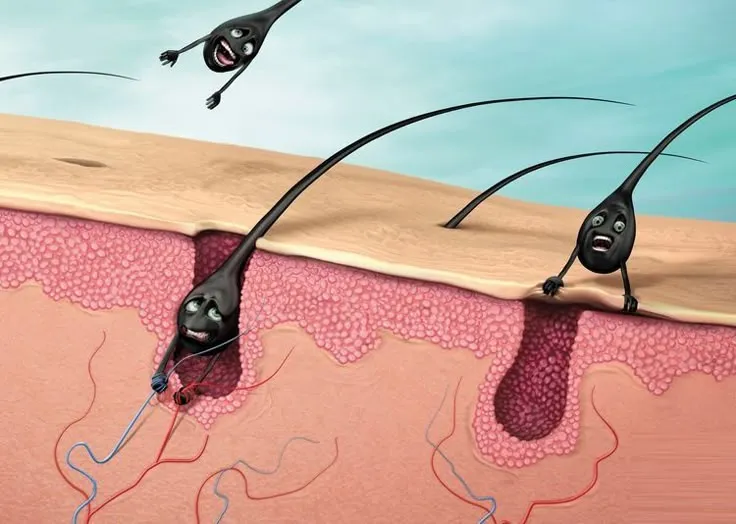
Yes, poor sleep can contribute to hair fall — and the link lies in how sleep affects your body’s hormone balance and cellular repair. During deep sleep, your body releases growth hormones that help regenerate cells, including those in your hair follicles. When you don’t get enough quality rest, this natural repair process is disrupted, and the hair follicles receive less nourishment. Over time, this can weaken hair roots, leading to increased shedding and slower growth.
Hormonal Imbalance and Stress Response
Lack of sleep raises your cortisol levels — the body’s main stress hormone. High cortisol disrupts the normal hair growth cycle by pushing hair follicles into a “resting phase” (known as the telogen phase) too early. This results in telogen effluvium, a common condition where large amounts of hair shed suddenly. Chronic sleep deprivation can also affect other hormones like melatonin, which supports hair growth and protects follicles from oxidative stress.
Reduced Blood Flow and Nutrient Supply
While you sleep, blood circulation naturally improves, delivering oxygen and essential nutrients to your scalp. When sleep is poor or shortened, blood flow to the hair follicles decreases, depriving them of the nutrients they need to grow strong, healthy strands. Over time, this can cause hair to become dry, brittle, and prone to breakage — especially if combined with stress or poor diet.
The Bottom Line
Poor sleep alone may not cause baldness, but it definitely weakens the foundation for healthy hair growth. Combined with factors like stress, hormonal imbalance, or nutritional deficiencies, it can accelerate hair thinning and shedding. Getting consistent, restful sleep — ideally 7–9 hours a night — helps regulate hormones, boost blood circulation, and keep your hair in its natural growth phase. In other words, good sleep isn’t just rest for your mind — it’s essential care for your hair
Do silk pillowcases help skin and hair ?
The Science Behind Silk Pillowcases
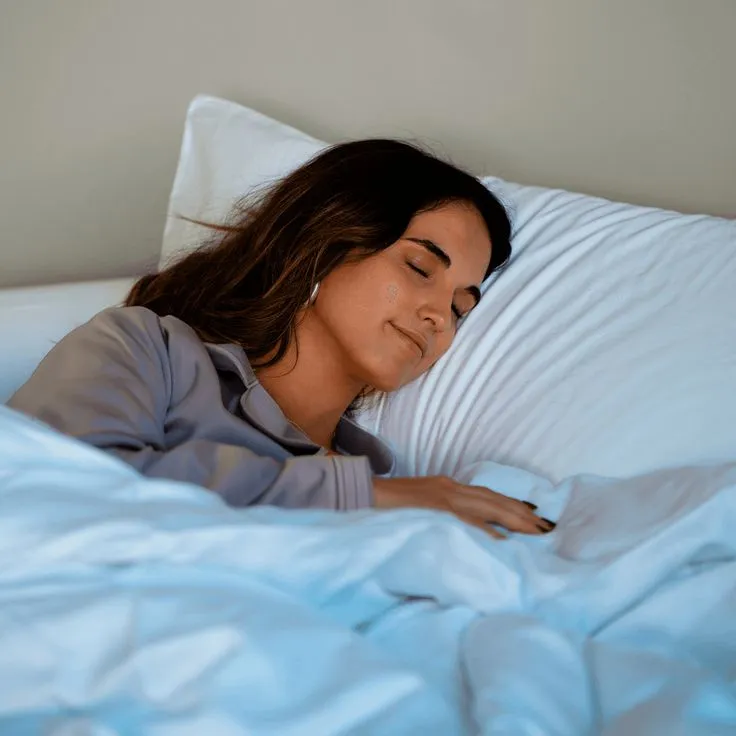
Silk pillowcases have gained popularity for their luxurious feel — but their real value goes beyond comfort. Unlike cotton, which can absorb moisture from your skin and hair, silk is smooth and less absorbent. This means your skin retains more of its natural oils and overnight skincare products. The soft surface of silk also reduces friction between your face, hair, and the pillowcase, helping to minimize irritation, tangles, and breakage while you sleep.
Benefits for Skin Health
Sleeping on silk can help prevent sleep creases and reduce pressure on the skin. Because silk is smoother than cotton, your skin glides over the surface instead of being tugged or pressed, which can contribute to fine lines and wrinkles over time. Additionally, silk’s lower absorbency helps keep your skin hydrated and prevents your nighttime moisturizers from being soaked into the pillow. This is especially beneficial for people with dry or sensitive skin, as it maintains a balanced moisture barrier throughout the night.
Benefits for Hair Health
For hair, silk pillowcases can make a noticeable difference. The smooth texture reduces friction that typically causes frizz, tangling, and breakage — especially for curly, fine, or chemically treated hair. By minimizing mechanical damage, silk helps preserve your hair’s natural shine and strength. It also prevents the scalp’s natural oils from being stripped away, which helps maintain balanced hydration. As a result, you wake up with softer, more manageable hair that requires less styling and detangling.
The Bottom Line
Silk pillowcases won’t transform your skin or hair overnight, but they do create a gentler sleep environment that supports their natural health. They help maintain moisture, reduce friction, and minimize mechanical damage — benefits that build up over time. For best results, pair a silk pillowcase with a consistent skincare routine, proper hydration, and healthy sleep habits. Think of it as a small luxury that offers real, long-term beauty benefits for both your skin and hair.
How can I get better beauty sleep?
Create a Consistent Sleep Schedule
The first step to better beauty sleep is maintaining a consistent sleep routine. Going to bed and waking up at the same time every day helps regulate your body’s internal clock, also known as the circadian rhythm. This balance allows your body to efficiently release hormones like melatonin and growth hormone, both of which are crucial for skin and hair repair. Aim for 7–9 hours of quality sleep every night — consistency is key to allowing your body enough time for proper rejuvenation.
Optimize Your Sleep Environment
Your bedroom plays a huge role in how well you sleep. Keep your room dark, quiet, and cool — ideally around 18–20°C (65–68°F). Darkness helps your body produce melatonin naturally, signaling it’s time to rest. Using blackout curtains, limiting blue light from screens, and investing in a comfortable mattress and silk or satin pillowcases can all improve sleep quality. These small changes reduce friction on skin and hair, minimize irritation, and help you wake up refreshed and glowing.
Follow a Nighttime Skincare and Haircare Routine
Prepping your skin and hair before bed supports the natural repair processes that occur while you sleep. Gently cleanse your face to remove makeup, dirt, and pollutants that can clog pores. Apply a nourishing night cream or serum with ingredients like hyaluronic acid, retinol, or peptides for deep repair. For hair, lightly massage your scalp to boost blood flow and apply a few drops of nourishing oil or serum to the ends to prevent dryness. These habits enhance the benefits of beauty sleep by feeding your skin and hair the nutrients they need overnight.
Practice Relaxation and Healthy Habits Before Bed
Stress and poor lifestyle habits can sabotage your sleep and, in turn, your beauty. Try winding down at least 30 minutes before bed by reading, meditating, or practicing deep breathing. Avoid caffeine or heavy meals close to bedtime, and stay hydrated throughout the day instead of right before sleeping. You can also diffuse calming essential oils like lavender or chamomile to promote relaxation. The goal is to create a peaceful bedtime ritual that helps your mind and body transition smoothly into restorative sleep — the kind that truly lets your beauty shine from within.