"Azelaic Acid: The Multi-Tasking Skincare Ingredient You Need To Know"
"In this blog, we'll explore how Azelaic acid helps clear acne, reduce redness, and brighten skin tone, making it a true multitasker in skincare."

Dr Radhika Barde
M.B.B.S, DCH, DDV, FAD
What is AZELAIC ACID ?
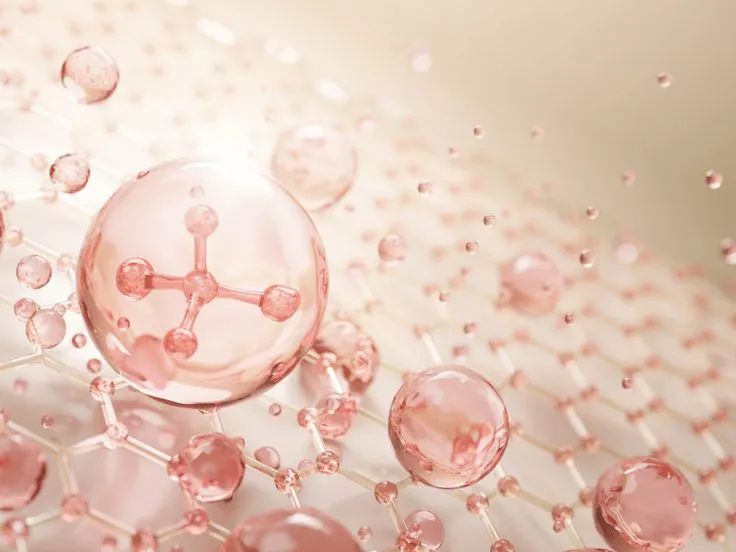
Azelaic acid is a naturally occurring dicarboxylic acid found in grains like barley, wheat, and rye. In skincare, it is widely used as a topical treatment due to its anti-inflammatory, antibacterial, and keratolytic (exfoliating) properties. It is particularly effective in addressing acne, rosacea, and hyperpigmentation, making it a versatile ingredient in dermatology. Its molecular structure allows it to penetrate the pores and reduce the growth of acne-causing bacteria, while simultaneously preventing the buildup of dead skin cells that can clog pores.
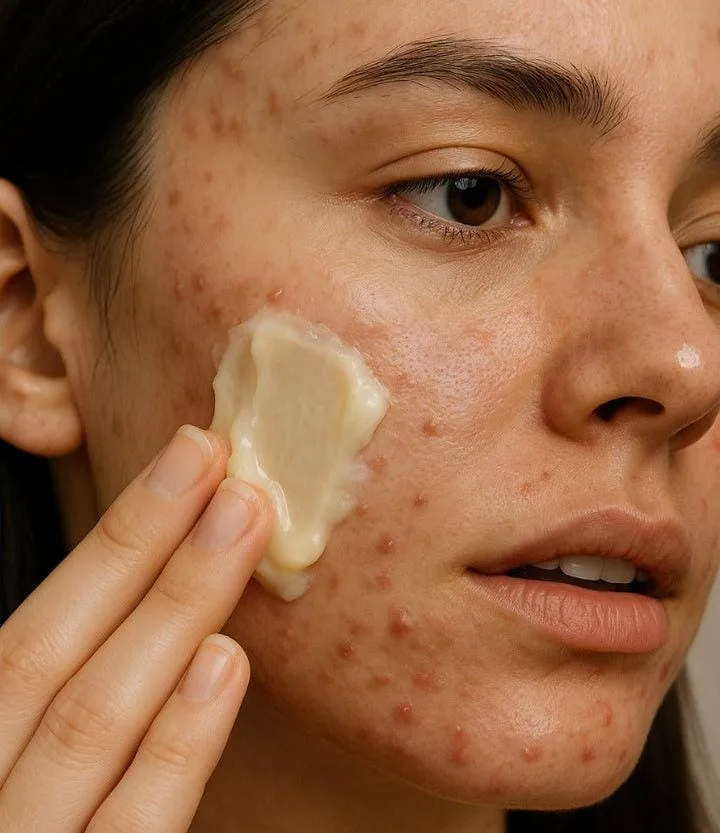
One of the key benefits of azelaic acid is its ability to target acne and redness without causing the harsh irritation often associated with stronger acids or retinoids. It works by inhibiting the growth of Propionibacterium acnes, the bacteria responsible for acne, and by normalizing the skin’s keratinization process. This dual action reduces both active breakouts and the formation of future comedones (blackheads and whiteheads). Additionally, its anti-inflammatory effect calms redness and swelling, which makes it suitable for sensitive and rosacea-prone skin. Beyond acne, azelaic acid is highly effective in treating hyperpigmentation. It inhibits tyrosinase, the enzyme responsible for melanin production, which helps fade dark spots, melasma, and post-inflammatory hyperpigmentation. Unlike some bleaching agents, it is gentle and safe for long-term use on most skin types. Dermatologists often recommend it as a daily treatment because it provides visible results over time without the risk of severe irritation or sun sensitivity that other active ingredients can cause. Overall, azelaic acid is considered a well-rounded, clinically proven ingredient for improving skin clarity, tone, and texture.
How does AZELAIC ACID works ?
Azelaic acid works through multiple mechanisms to improve skin health. Its first major action is antibacterial: it targets Propionibacterium acnes (now called Cutibacterium acnes), the bacteria responsible for acne. By inhibiting bacterial growth, it helps prevent new breakouts and reduces inflammation caused by acne lesions. This makes it an effective treatment not just for active acne but also for controlling recurring outbreaks over time.
The second way azelaic acid works is by normalizing keratinization, the process by which skin cells are produced and shed. In acne-prone skin, keratin production can become irregular, causing dead skin cells to clog pores and form comedones (blackheads and whiteheads). Azelaic acid gently regulates this process, helping to keep pores clear and reducing the likelihood of acne formation. This keratolytic effect also contributes to smoother skin texture over consistent use.
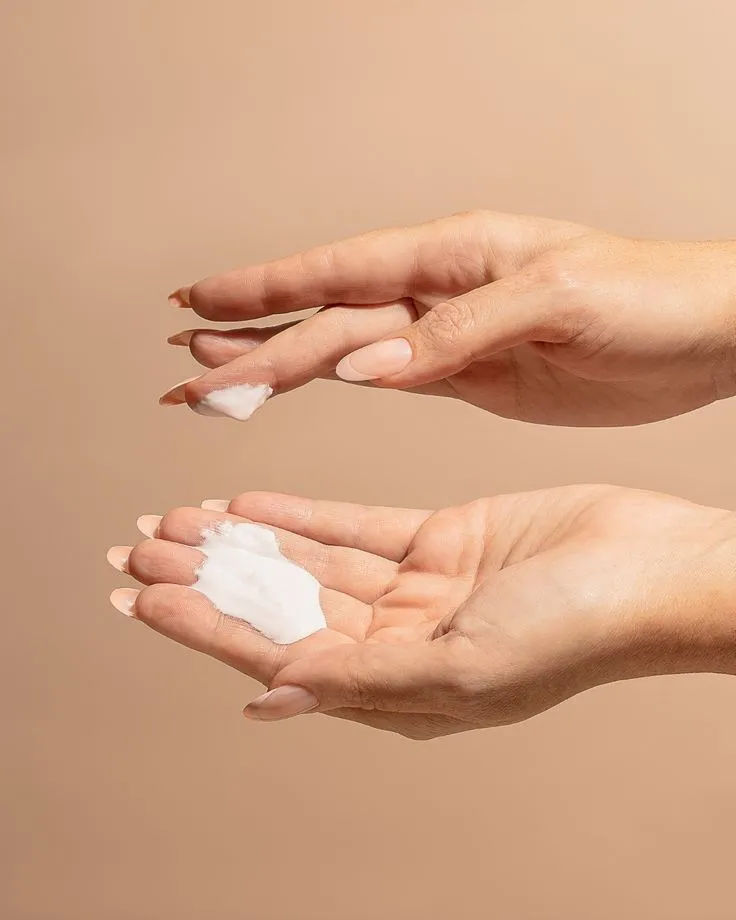
Azelaic acid also has anti-inflammatory properties. Inflammatory responses in the skin contribute to redness, swelling, and discomfort in conditions like acne and rosacea. Azelaic acid reduces the release of pro-inflammatory substances in the skin, calming redness and irritation. This makes it especially useful for sensitive skin types or conditions like rosacea, where inflammation plays a key role in symptom severity.
Finally, azelaic acid works to improve hyperpigmentation and uneven skin tone. It inhibits the enzyme tyrosinase, which is critical in melanin production. By controlling melanin synthesis, azelaic acid gradually fades dark spots, post-inflammatory hyperpigmentation, and melasma. Unlike harsher bleaching agents, it achieves this effect gently, making it suitable for long-term use without causing significant irritation or increasing sun sensitivity. The combination of antibacterial, anti-inflammatory, and pigment-regulating actions makes azelaic acid a multifunctional ingredient in dermatology.
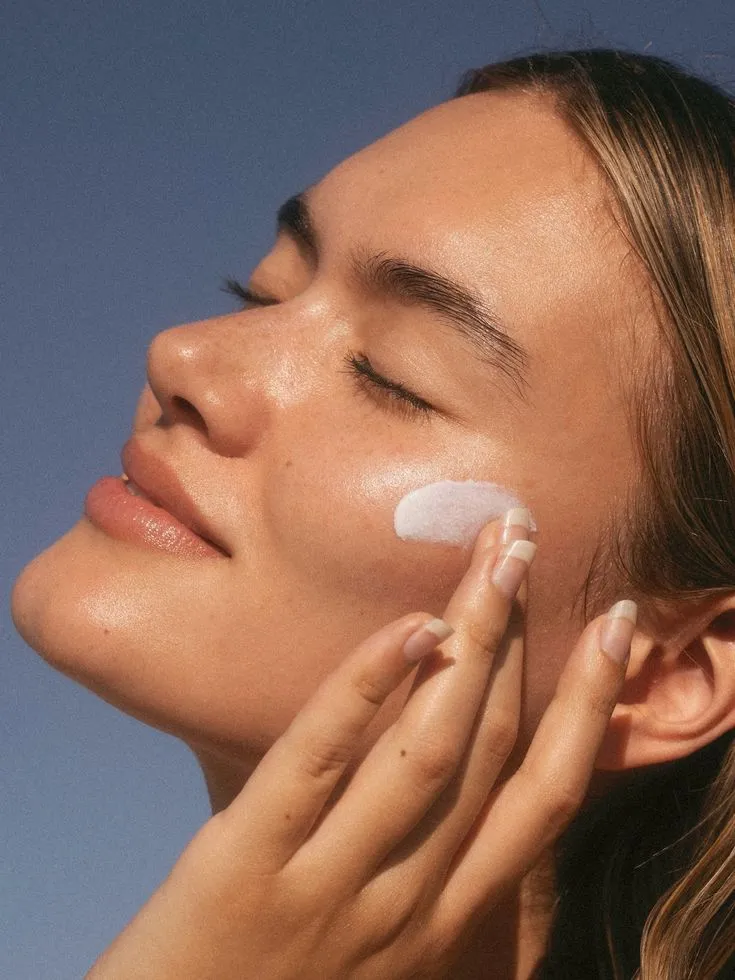
How to use AZELAIC ACID ?
Teenagers (13–19 years): For teenagers dealing with acne, azelaic acid can be an excellent first-line treatment. It is generally available in concentrations of 10–20% in creams, gels, or foams. Teens should start with a lower concentration (around 10%) applied once daily at night, after cleansing. Since teenage skin can be sensitive, it is best to patch-test first and gradually increase usage to twice daily if tolerated. Azelaic acid can help reduce active breakouts, prevent clogged pores, and minimize acne marks without being too harsh like some other acne treatments.
Young Adults (20–29 years): In this age group, skin concerns often expand to include both acne and early pigmentation issues. A 15–20% concentration of azelaic acid is typically recommended, used once or twice daily depending on tolerance. For best results, it should be applied after cleansing and before moisturizer, and always paired with sunscreen in the morning to prevent further pigmentation. Young adults can safely combine azelaic acid with niacinamide or hyaluronic acid, but it should be introduced carefully if using stronger actives like retinoids or AHAs to avoid irritation.
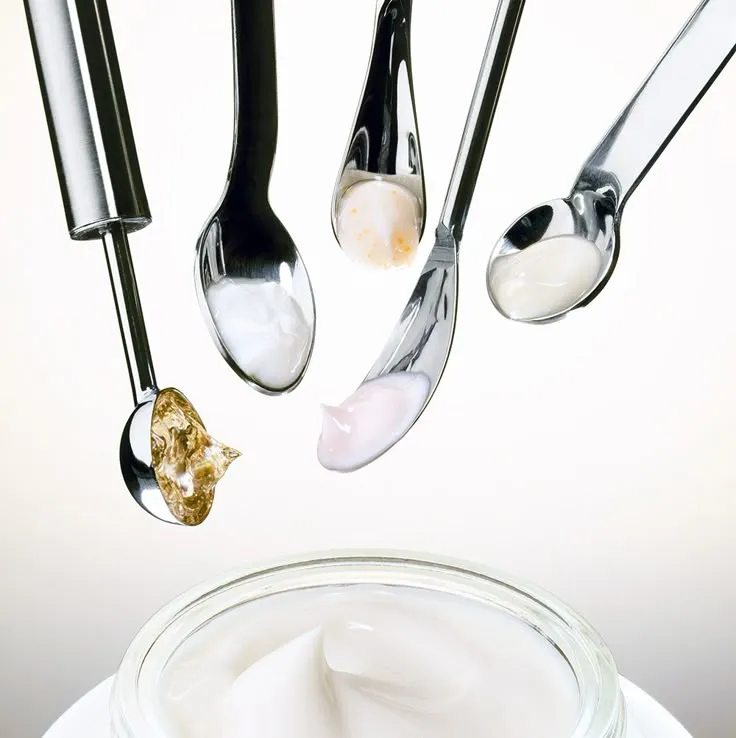
Adults (30–45 years): During this stage, concerns often shift to uneven skin tone, rosacea, and signs of aging along with occasional breakouts. Azelaic acid can be applied once or twice daily in a consistent routine. For pigmentation, melasma, or rosacea management, dermatologists often prescribe higher-strength formulations (15–20%), which work best when used consistently over several months. Adults can combine azelaic acid with vitamin C in the morning or retinoids at night (applied in alternate routines), as this combination improves both pigmentation and skin texture. Moisturizer is important here to maintain barrier support and reduce any dryness.
Mature Skin (45+ years): For older adults, azelaic acid plays a role in brightening dull skin, fading long-term pigmentation, and calming inflammation. It is gentle enough to be used alongside anti-aging treatments such as retinoids, peptides, or antioxidants. At this stage, skin tends to be drier and thinner, so azelaic acid should be applied in cream-based formulations, preferably once daily at night, with an option to increase frequency if well tolerated. Combining it with a rich moisturizer and sunscreen in the daytime enhances results and maintains skin health. Over time, azelaic acid can help maintain a more even, radiant complexion while being gentle on aging skin.
Is AZELAIC ACID safe for sensitive skin ?
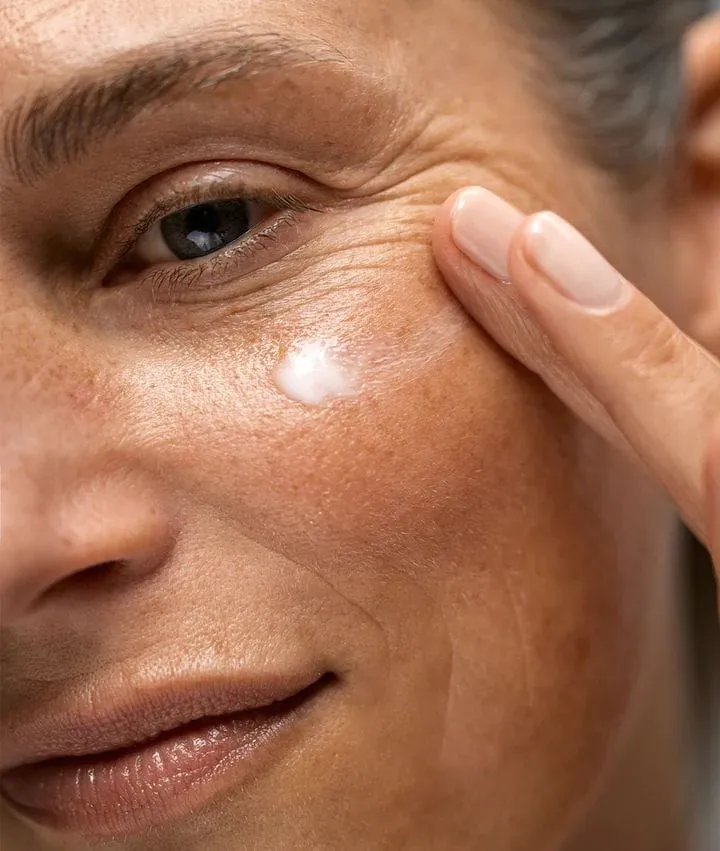
Yes, azelaic acid is considered safe for sensitive skin and is often recommended by dermatologists for people who cannot tolerate stronger treatments like retinoids, benzoyl peroxide, or high-strength exfoliating acids. It has anti-inflammatory properties, which help calm redness, irritation, and swelling, making it especially useful for conditions like rosacea.
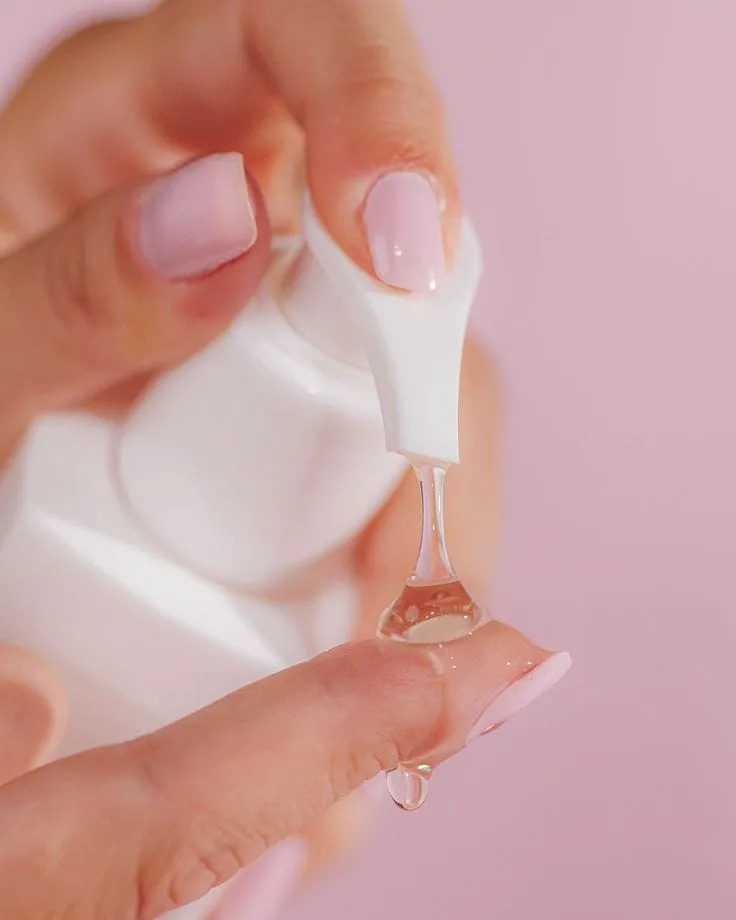
That said, some people with very reactive skin may experience mild tingling, dryness, or slight peeling when they first start using it. To minimize irritation, it’s best to start with a lower concentration (around 10%), apply it once daily at night, and always follow up with a moisturizer and sunscreen. Over time, most sensitive skin types adjust well, and azelaic acid can even strengthen the skin barrier while addressing acne, pigmentation, and redness.