All about Vitamin C
Vitamin C is a skincare powerhouse loved for brightening, anti-aging, and protection. This blog highlights what Vitamin C is, its skin benefits, the right percentage, how and when to apply it, the ideal age to start, natural vs. topical sources, and essential precautions for healthy, glowing skin.


Dr Radhika Barde
M.B.B.S, DCH, DDV, FAD
What is VITAMIN C?
Vitamin C (L-ascorbic acid) is a water-soluble antioxidant vitamin that plays a critical role in dermatology due to its multiple functions in maintaining skin health and appearance. It is an essential cofactor for prolyl and lysyl hydroxylase enzymes, which are required for collagen synthesis, thereby improving skin firmness, elasticity, and wound healing. As a potent free-radical scavenger, Vitamin C protects the skin against oxidative stress induced by ultraviolet (UV) radiation and environmental pollutants, thus preventing premature aging, photo-damage, and pigmentation disorders. In dermatological practice, topical Vitamin C is widely used for its skin-brightening effects, as it inhibits tyrosinase activity and reduces melanin formation, leading to improvement in hyperpigmentation, dark spots, and uneven skin tone. It also enhances the efficacy of sunscreen by providing added photoprotection. Furthermore, Vitamin C strengthens the skin barrier, reduces transepidermal water loss, and promotes faster healing of acne scars and other skin injuries. Because the human body cannot synthesize Vitamin C, it must be obtained through diet (citrus fruits, berries, amla, kiwi, leafy vegetables) or topical formulations (serums, creams) that deliver it directly to the skin. Deficiency can lead to impaired collagen production, fragile skin, delayed wound healing, and a higher tendency toward bruising and dryness, with severe deficiency causing scurvy.
What are the benefits of using it regularly?
Regular use of Vitamin C on the skin, particularly through topical formulations such as serums and creams, provides a wide range of dermatological benefits due to its role as a potent antioxidant and collagen stimulator. Vitamin C neutralizes free radicals generated by ultraviolet (UV) radiation, pollution, and other environmental stressors, thereby protecting the skin from oxidative damage, photoaging, and premature wrinkle formation. By acting as a cofactor in collagen synthesis, it promotes skin firmness, elasticity, and structural integrity, helping to reduce fine lines, sagging, and overall aging signs. Its skin-brightening effect arises from its ability to inhibit tyrosinase, the key enzyme in melanin production, which reduces hyperpigmentation, dark spots, and post-inflammatory pigmentation, resulting in a more even and radiant skin tone. Regular application also enhances the effectiveness of sunscreens, offering added photoprotection and minimizing redness or sun-induced damage. Additionally, Vitamin C accelerates wound healing and scar repair, making it beneficial for acne-prone skin and post-acne marks. It strengthens the skin barrier, reduces transepidermal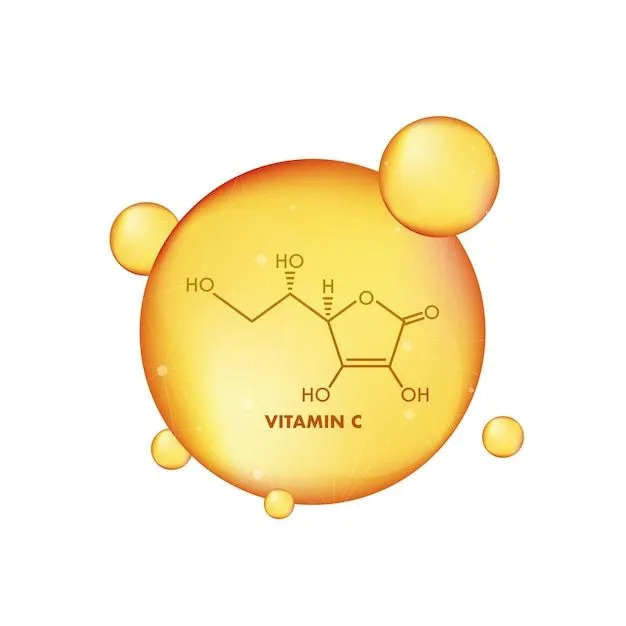 water loss, and improves hydration, leading to smoother, softer, and healthier-looking skin. Over long-term and consistent use, Vitamin C significantly contributes to a brighter complexion, improved skin texture, reduced pigmentation, and youthful appearance, making it one of the most important active ingredients in dermatological skin care.
What percent of vitamin c should be used?
 The ideal percentage of Vitamin C for topical skin application ranges between 10% to 20%, where lower concentrations (5–10%) are recommended for sensitive or beginner skin to provide antioxidant protection and mild brightening, medium concentrations (10–15%) are suitable for normal skin to target pigmentation and early aging signs, and higher concentrations (15–20%) are used for more resilient skin to achieve maximum collagen stimulation, wrinkle reduction, and skin-brightening benefits; concentrations above 20% do not increase effectiveness significantly and may increase the risk of irritation.
How and what time should we use vitamin c ?
 Vitamin C should be applied daily as a topical serum or cream immediately after cleansing the face, since clean skin allows for maximum absorption of the active ingredient. The optimal time for applying Vitamin C is in the morning, because of its strong antioxidant properties that neutralize free radicals generated by ultraviolet (UV) radiation and environmental pollutants throughout the day, thereby protecting the skin from oxidative stress, photoaging, and sun damage. For best results, Vitamin C should be layered before moisturizer and always followed by a broad-spectrum sunscreen, as it works synergistically with sun protection to prevent pigmentation, fine lines, and premature aging. Individuals with sensitive skin or beginners are advised to start with a lower concentration (5–10%) every alternate day, gradually increasing to 10–20% daily use as tolerance develops. At night, Vitamin C can also be used in some cases to support collagen synthesis, skin repair, and brightening while the skin undergoes its natural healing cycle, but morning application is considered the most effective for daily defense against environmental aggressors. Consistent use in the correct sequence—cleanser → Vitamin C serum → moisturizer → sunscreen in the morning—ensures maximum efficacy, leading to brighter, firmer, and healthier skin over time.
What is an appropriate age to start using vitamin c?

The appropriate age to start using Vitamin C on the skin is generally in the early 20s, as this is the stage when the skin’s natural collagen production and antioxidant defense begin to gradually decline; however, individuals in their late teens may also use lower concentrations of Vitamin C for preventive care, brightening, and protection against environmental stress, while stronger formulations (10–20%) are more suitable from the mid-20s onwards to target early signs of aging, pigmentation, and sun damage.