All about ACNE
Acne is a common skin concern that affects both teens and adults. This blog explores its causes, treatments, and simple care tips for clearer, healthier skin


Dr. Radhika Barde
M.B.B.S, DCH, DDV, FAD
What is ACNE ?
Acne is a complex skin condition that occurs when hair follicles become clogged with excess oil, dead skin cells, and bacteria, leading to inflammation and the formation of pimples, blackheads, whiteheads, or cysts. Hormonal fluctuations, especially during puberty or conditions like PCOS can stimulate overactive sebaceous glands, increasing oil production and worsening breakouts. In addition to these common factors, acne can also arise from abnormal keratinization, where excess skin cells block follicles even without excess oil, or from an overactive immune response that causes stronger inflammation to minor blockages. Some people have sebaceous glands that are highly sensitive to normal hormone levels, while an imbalance in the skin microbiome can trigger further inflammation. Rarely, endocrine or systemic skin disorders may manifest as acne-like lesions. Environmental factors, stress, diet, friction, and improper skincare can further aggravate the condition.
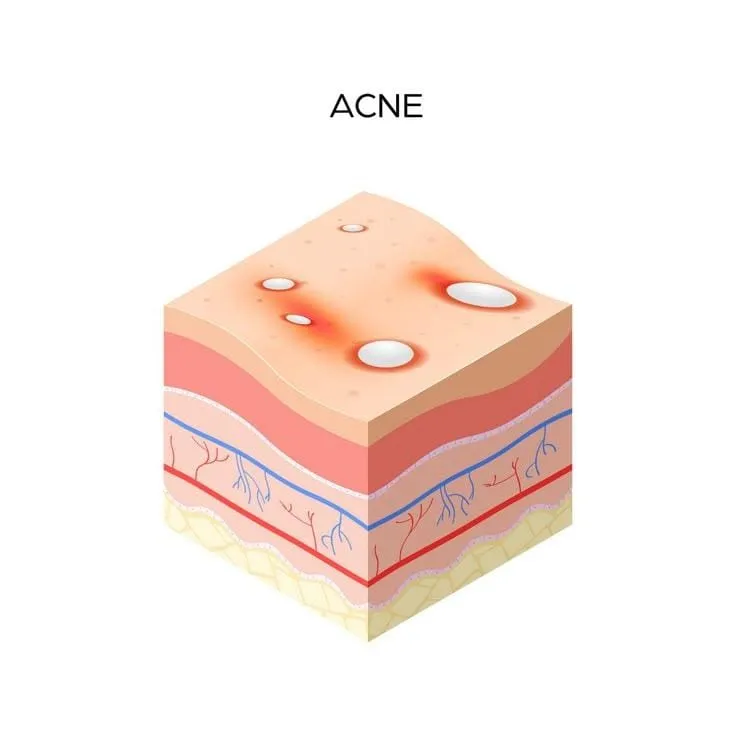
In short, acne is caused by a combination of oil overproduction, clogged follicles, bacterial activity, inflammation, hormonal sensitivity, abnormal skin behavior, and lifestyle or environmental factors, making it a multifactorial dermatological condition that requires tailored care and treatment.
Is ACNE curable or not ?
Acne is a common skin condition that, while highly treatable, is not considered permanently curable in the traditional sense. This is because acne arises from multiple factors—hormonal fluctuations, excess oil production, clogged hair follicles, bacterial activity, inflammation, and sometimes genetic predisposition which can persist throughout different stages of life. Treatment can effectively control and manage breakouts, reduce inflammation, prevent scarring, and improve skin appearance.
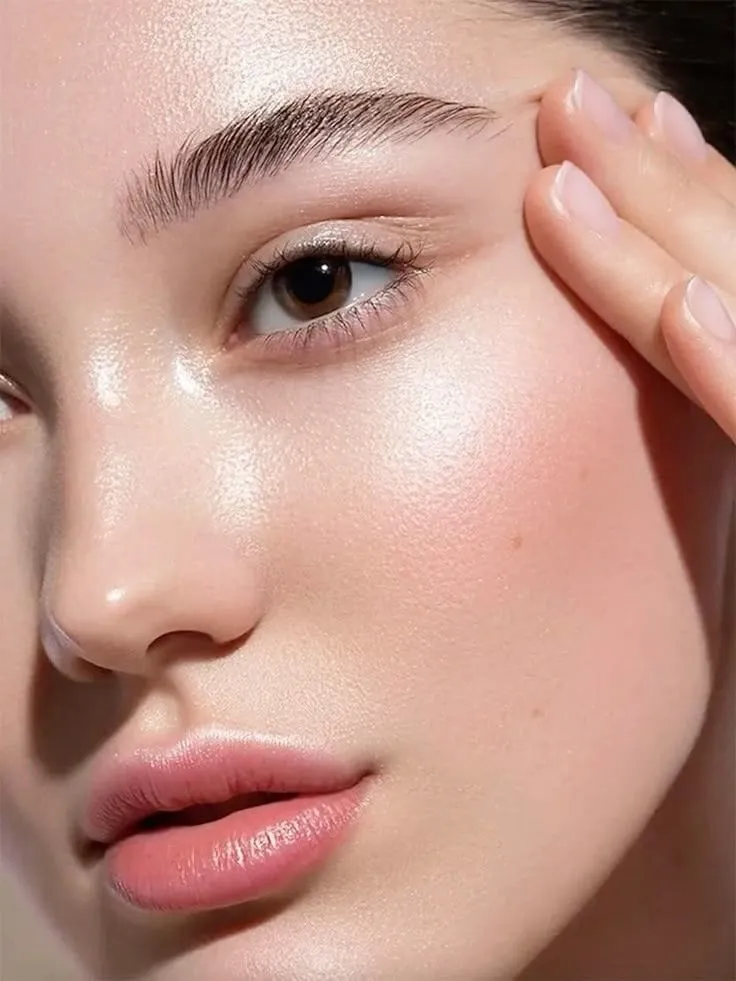
Various treatments exist depending on the severity and type of acne. Topical medications like benzoyl peroxide, salicylic acid, retinoids, or antibiotics help unclog pores, reduce bacteria, and calm inflammation. Oral medications, including hormonal therapy (for women), antibiotics, or isotretinoin, may be prescribed for more severe or persistent cases. Consistent skincare, healthy lifestyle habits, and avoiding triggers like harsh products, stress, or certain foods can also help maintain clearer skin.
Even with effective treatment, acne may recur, especially during hormonal changes, stress, or other triggers. Therefore, management often requires long-term care rather than a one-time cure. With the right combination of treatments and preventive measures, most people can achieve significant improvement, clear skin, and better confidence.
MYTHS and REALITY about acne ?
1. Myth: Acne is caused by poor hygiene.
Reality: Acne is not caused by dirt. Over-washing or scrubbing harshly can irritate skin and worsen breakouts.
2. Myth: Acne will go away on its own without treatment.
Reality: While mild acne may improve, most cases require consistent skincare and medical treatment to prevent scarring and recurrence.
3. Myth: Makeup causes acne.
Reality: Non-comedogenic, dermatologically tested makeup is generally safe. Acne flare-ups are more related to skin type, clogged pores, and hygiene.
4. Myth: Stress doesn’t affect acne.
Reality: Stress can trigger hormonal changes that increase oil production, worsening acne.
5. Myth: Natural remedies always cure acne.
Reality: Some remedies may help mildly, but clinically proven treatments are more effective for long-term results.
6.Myth: Hormonal treatments are unsafe for acne.
Reality: Under medical supervision, hormonal therapies can effectively manage acne, especially in women with hormonal imbalance.
7.Myth: Acne is contagious.
Reality: Acne is not infectious and cannot spread from person to person.
Acne is a multifactorial condition—genetics, hormones, bacteria, immune response, and lifestyle all play a role. Proper care, patience, and dermatological guidance are key to management.
At what age can ACNE be treated ?
Acne treatments can generally be started as soon as acne appears, which is often during early puberty (around 11–13 years old). Mild cases in teenagers can usually be managed with over-the-counter topical treatments like benzoyl peroxide, salicylic acid, or gentle cleansers.
For moderate to severe acne, or if OTC products don’t work, it’s best to consult a dermatologist, regardless of age. Prescription treatments like topical retinoids, antibiotics, or hormonal therapy may be considered even in teens under professional supervision.
In short, there’s no strict age limit—what matters is the severity of acne and safe, guided treatment.