AHA for radiant skin
When it comes to glowing, youthful skin, one ingredient stands out—AHA (Alpha Hydroxy Acid). Gentle yet powerful, AHA works by exfoliating the skin, improving texture, reducing dullness, and revealing a brighter complexion. In this blog, we’ll explore what AHA is, how it works, and why it’s becoming a must-have in modern skincare routines.

Dr. Nitin Barde
M.B.B.S, MD, FRGUHS
What is AHA ?
Alpha Hydroxy Acids (AHA's) are a group of water-soluble organic acids commonly used in dermatology for their exfoliating and skin-renewing properties. They are naturally derived from sources like sugarcane (glycolic acid), milk (lactic acid), citrus fruits (citric acid), and apples (malic acid). Structurally, AHA's contain a hydroxyl group positioned next to a carboxylic acid group, which allows them to interact effectively with the skin.
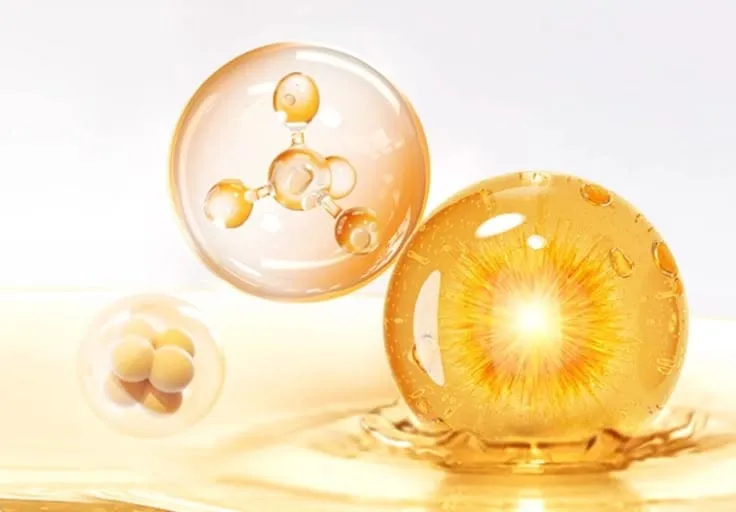
In dermatological use, AHA's work by loosening the bonds between dead skin cells in the stratum corneum, promoting gentle exfoliation and faster skin cell turnover. This leads to smoother texture, improved radiance, and reduction in fine lines, pigmentation, and mild acne scars. Depending on their molecular size, some AHA's (like glycolic acid) penetrate deeper for stronger effects, while others (like mandelic acid) act more gently on sensitive skin.
Overall, AHA's are considered a cornerstone in modern skincare, offering both cosmetic and therapeutic benefits when used in well-formulated concentrations and under proper guidance.
Benefits of using AHA's daily ??
Using Alpha Hydroxy Acids (AHA's) regularly in skincare offers a wide range of benefits. These gentle, water-soluble acids exfoliate the skin by removing dead skin cells and promoting faster cell turnover, which results in smoother and fresher-looking skin. it also target uneven skin tone and pigmentation.
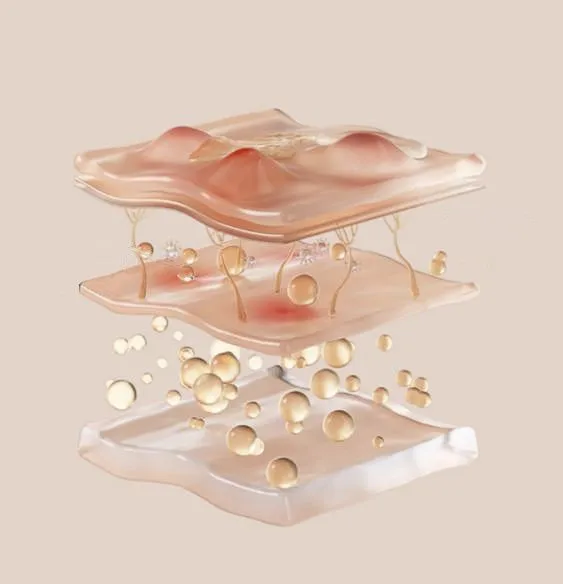
Regular use of AHAs provides multiple benefits:
1. Exfoliation & Smoother Texture: AHAs remove dead skin cells from the surface, revealing softer and smoother skin.
2. Brighter & Even Skin Tone: They help fade dark spots, pigmentation, and post-acne marks, giving the skin a more radiant and uniform appearance.
3. Clearer Pores: By preventing buildup in the pores, AHAs reduce blackheads, whiteheads, and breakouts.
4. Anti-Aging Effects: Daily use can soften fine lines, promote collagen production, and improve skin elasticity.
5. Hydration Boost: Certain AHAs, like lactic acid, act as humectants, attracting moisture and improving skin barrier function.
Overall, incorporating AHA's into a daily skincare routine can help maintain healthy, youthful, and glowing skin. For best results, they should always be paired with sunscreen, as AHA's can increase sun sensitivity.
How and when to use AHA's ?
Proper application and timing are essential to maximize their benefits while minimizing potential irritation or sensitivity.
How to Use AHA's:
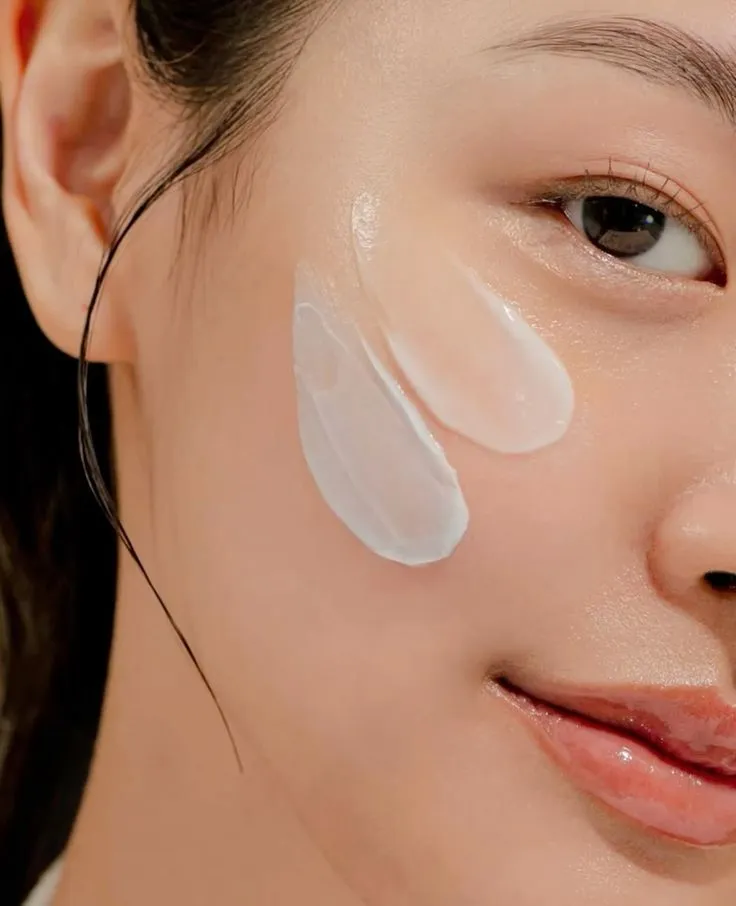
AHA's are available in various formulations, including cleansers, toners, serums, and chemical peels. For daily use, low-concentration products (typically 5–10%) are recommended. Start by applying a thin layer of AHA after cleansing and before moisturizing. Serums or lotions containing AHA's should be spread evenly across the face, avoiding the delicate eye area unless specifically formulated for it. It is important to follow up with a moisturizer to maintain hydration and support the skin barrier, as AHA's can increase water loss from the skin initially.
Frequency & Gradual Introduction:
For beginners, it’s advisable to start with 2–3 applications per week to allow the skin to adjust, gradually increasing to daily use as tolerated. Overuse or applying high concentrations too frequently can lead to redness, dryness, or irritation, particularly in sensitive skin types.
When to Use AHAs:
AHA's are best applied in the evening because they can increase the skin’s sensitivity to sunlight. Nighttime application allows the acids to work effectively while minimizing the risk of UV-induced irritation or pigmentation. In the morning, it is crucial to apply broad-spectrum sunscreen (SPF 30 or higher) to protect freshly exfoliated skin from sun damage.
Right age to start using AHA's ?
While AHA's can benefit a wide range of skin types and ages, determining the right age to start using AHA's depends on the skin’s needs, maturity, and sensitivity.

Teenage Years (15–19):
During adolescence, the skin is naturally renewing quickly, and mild acne or clogged pores may appear. Low-concentration AHAs (around 2–5%) can be introduced in the later teen years to help prevent breakouts, gently exfoliate, and smooth the skin without causing irritation. It’s important to avoid overuse and always pair with a moisturizer and sunscreen.
Early 20s (20–25):
This is an ideal age to begin incorporating AHA's into a daily or routine skincare regimen for preventative care. At this stage, AHA's help maintain skin clarity, prevent dullness, and address early signs of uneven tone or minor pigmentation. Daily low-concentration use can also support hydration and keep the skin barrier healthy.
Late 20s and Beyond (25+):
From the mid-to-late 20s, AHA's become particularly useful for addressing fine lines, sun damage, and pigmentation. At this stage, AHA's not only exfoliate but also stimulate collagen production, helping maintain firmness and elasticity while promoting a youthful glow.